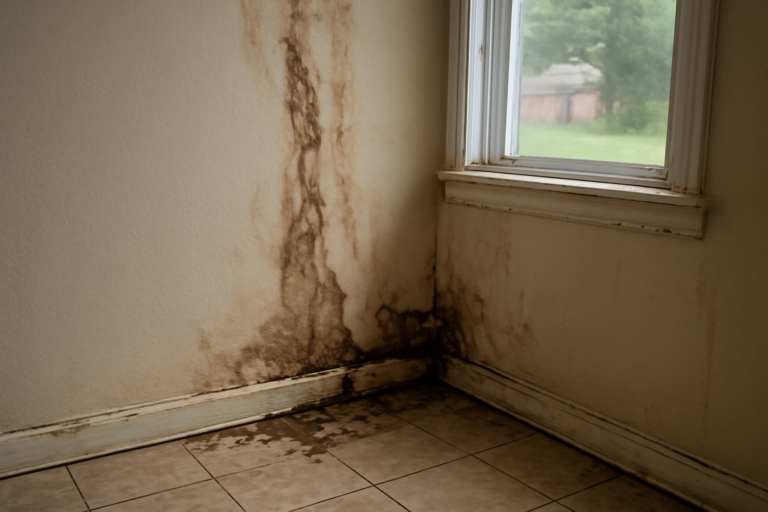
Trusted by 165+ Homeowners
Ceiling Drywall Water Damage Restoration in Lilburn, GA
- Over 165 5-Star Reviews
- Free Estimates and Quotes
- 100% Satisfaction Guaranteed
- Child, Family & Pet Safe Steps
- 24-Hour Emergency Service
- Fully Licensed & Insured
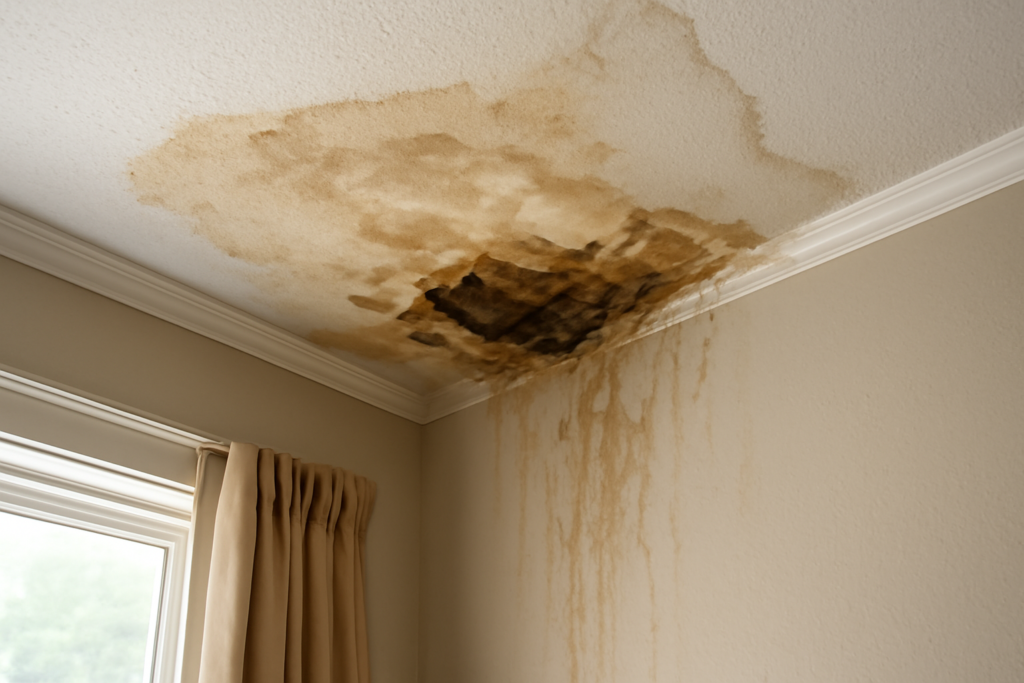
Don’t Let Ceiling Water Damage Linger in Lilburn, GA
That telltale stain spreading across your ceiling? It’s more than just an eyesore; it’s a sign that moisture is actively damaging your home’s structure. Ignoring it can lead to significant problems, like mold growth and compromised insulation, making the situation much worse and far more expensive to fix. You need to act quickly when you see signs of water intrusion from above. Addressing ceiling drywall water damage promptly is crucial to protecting your property and your family’s health.
We’ve been helping neighbors right here in the area for years, and our 165+ five-star reviews tell the story of our commitment. Homeowners trust us because we understand the unique challenges of water damage in your neighborhood and respond with urgent, effective care. When you’re dealing with a damaged ceiling, you want a team that’s not only experienced but also genuinely cares about restoring your home. We aim to provide that kind of reliable service for your ceiling drywall water damage restoration.
- Rapid response to prevent further structural compromise and mold growth.
- Specialized drying techniques that go beyond surface-level fixes, ensuring your ceiling is truly dry.
- Expert drywall repair and replacement, leaving your ceiling looking like new.
How We Tackle Ceiling Drywall Water Damage Restoration
When water finds its way to your ceiling, it saturates the drywall, making it sag, stain, and eventually crumble. Our approach to ceiling drywall water damage restoration is built on speed and precision. We know that the first 48 hours are critical in mitigating damage, preventing mold, and reducing the overall cost of repairs. Cutting corners here means dealing with bigger headaches and more extensive rebuilding later.
Emergency Water Extraction
Our first step is always to stop the water source and then remove any standing water. We use powerful truck-mounted or portable extraction units to remove water quickly, preventing it from seeping deeper into your ceiling and wall cavities. This initial phase is vital for halting the damage.
Advanced Drying and Dehumidification
Once the bulk of the water is gone, we deploy specialized drying equipment like air movers and industrial-strength dehumidifiers. These machines work tirelessly to extract hidden moisture from the air and building materials, creating an environment that accelerates drying and prevents secondary damage like mold. This process can take several days, depending on the extent of saturation.
Mold Prevention and Remediation
Moisture in drywall creates a perfect breeding ground for mold. We meticulously inspect for any signs of mold growth and, if found, implement safe and effective remediation protocols. Our goal is to ensure your home is not only dry but also free from potential health hazards.
Drywall Removal and Replacement
Saturated drywall often cannot be salvaged. We’ll carefully remove the damaged sections of your ceiling, ensuring all affected materials are disposed of properly. Then, we install new drywall, taped, mudded, and sanded to a smooth finish, ready for primer and paint.
Restoration and Finishing Touches
The final step involves priming and painting your repaired ceiling to match the existing texture and color. We pay close attention to detail to ensure the repaired area is virtually undetectable, restoring the beauty and integrity of your room.
Don’t wait for that small leak to become a big problem. If you’ve noticed water damage on your ceiling, call us immediately for swift and expert attention. We’re ready to help you get your home back to normal.
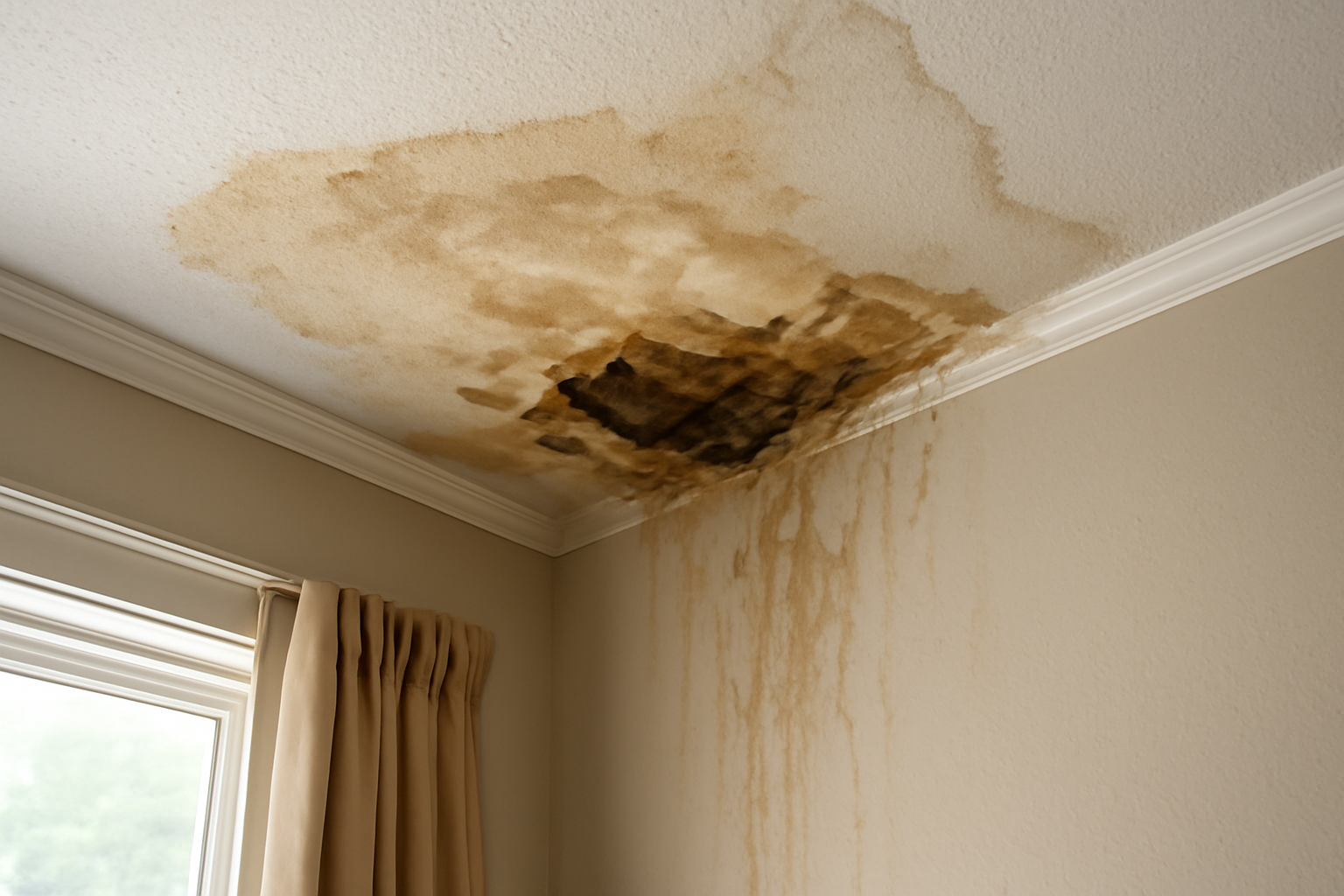
Warning Signs You Need Ceiling Drywall Water Damage Restoration
Catching these signs early is key to preventing more extensive and costly repairs down the line. Your ceiling might be telling you it needs attention long before a major leak occurs. Being aware of these indicators can save you significant stress and expense.
Discolored Stains or Water Spots
These are the most obvious indicators that water has penetrated your ceiling drywall. They can appear as yellow, brown, or even reddish marks and often expand over time. Don’t just paint over them; address the underlying cause first.
Sagging or Drooping Drywall
When drywall absorbs water, it loses its structural integrity and begins to sag. This is a serious sign that the material is waterlogged and may be close to failing. Prompt intervention is essential to prevent a collapse.
Peeling or Bubbling Paint/Wallpaper
Moisture trapped behind paint or wallpaper can cause it to lose its adhesion, leading to peeling or bubbling effects on the ceiling surface. This indicates that water is actively working its way through the material.
Musty Odors That Won’t Go Away
A persistent damp, musty smell, even when the area appears dry, is often a sign of hidden moisture and potential mold growth within the ceiling cavity. These odors can be a health concern and signal unseen damage.
Drips or Active Leaks
If you see water dripping from your ceiling, even a slow drip, it means there’s an active leak. This requires immediate attention to stop the water flow and assess the damage. Every drop counts when preventing further harm.
Cracks or Holes in the Ceiling
Water damage can weaken the drywall to the point where cracks appear or existing small holes widen significantly. This compromise is a clear signal that the material is failing due to moisture saturation.
Ceiling Drywall Water Damage Restoration vs. DIY: When To Call a Professional
| Situation | DIY? | Call a Pro? | Why |
|---|---|---|---|
| Small, recent drip stain from a known, fixed source (e.g., a recently repaired roof leak). | Yes | No | Minor staining can often be addressed with cleaning and touch-up paint once the source is resolved. |
| Visible sagging or drooping of the drywall. | No | Yes | Sagging indicates structural compromise; improper handling can lead to collapse or further damage. |
| Persistent musty odors or suspected mold growth. | No | Yes | Mold requires specialized containment and removal techniques to prevent health risks and spread. |
| Water damage covering an area larger than a dinner plate. | No | Yes | Larger areas suggest deeper saturation and potential for hidden damage requiring professional drying equipment. |
| You can’t identify or fix the source of the water intrusion. | No | Yes | The source must be stopped permanently to prevent recurring damage and ensure effective drying. |
| Water damage is near light fixtures, electrical outlets, or HVAC vents. | No | Yes | Working near electrical components or ventilation systems is a safety hazard without proper training and equipment. |
While minor cosmetic issues might seem like a DIY opportunity, when your ceiling drywall is compromised by water, professional intervention is often the safest and most effective route. Our team has the specialized equipment and expertise to handle complex water intrusion scenarios and ensure a complete, safe restoration.
Ceiling Drywall Water Damage Restoration Cost In Lilburn, GA
The cost for ceiling drywall water damage restoration in Lilburn, GA, can vary significantly based on the extent of the damage, the size of the affected area, and how quickly the problem is addressed. These figures are general estimates and a personal assessment is always needed for an accurate quote.
| Service | Typical Price Range | What Affects Cost |
|---|---|---|
| Water Extraction (per sq ft) | $0.50 – $2.00 | Amount of water and accessibility of the area. |
| Drying and Dehumidification (per day) | $200 – $500 | Size of the affected space and duration needed for complete drying. |
| Mold Inspection and Testing | $300 – $1,000 | Size of the area to be tested and complexity of the suspected contamination. |
| Drywall Removal and Disposal (per sq ft) | $2.00 – $5.00 | Amount of drywall needing replacement and disposal fees. |
| New Drywall Installation and Finishing (per sq ft) | $3.00 – $6.00 | Includes hanging, taping, mudding, sanding, and primer. |
| Painting (per sq ft) | $1.50 – $4.00 | Number of coats, type of paint, and matching existing ceiling texture. |
Understanding these costs upfront can help you prepare, but remember that an on-site inspection by our team is the only way to get a precise estimate tailored to your specific situation. We offer free, no-obligation estimates for ceiling drywall water damage restoration.
Service Areas Near Lilburn, GA
Lilburn, GA, Berkeley Lake, Norcross, Peachtree Corners, Chamblee, Doraville, Tucker, Snellville, Stone Mountain, Lawrenceville, Suwanee, Duluth, Buford, Johns Creek, Sandy Springs, Decatur, Atlanta, Avondale Estates, Clarkston, Scottdale.
Common Questions About Ceiling Drywall Water Damage Restoration
How long does ceiling drywall water damage restoration usually take?
The timeline for ceiling drywall water damage restoration depends heavily on the severity of the water intrusion and how quickly we can begin the drying process. It can range from a few days for minor leaks to several weeks for more extensive saturation. Our goal is always to restore your home efficiently while ensuring thorough drying and preventing secondary issues like mold.
Is ceiling drywall water damage covered by homeowner’s insurance?
Typically, homeowner’s insurance policies cover water damage caused by sudden and accidental events, such as burst pipes or roof leaks. However, damage from long-term neglect, like a slow, undetected leak, might not be covered. We can help you document the damage for your insurance claim and work with your adjuster.
What are the health risks associated with untreated ceiling water damage?
The primary health risk is mold growth, which can thrive in damp drywall and emit spores into your air. Inhaling these spores can trigger allergies, asthma symptoms, and other respiratory problems. Prompt remediation by our team is crucial for protecting your family’s health and preventing mold proliferation.
What kind of equipment do you use to dry out my ceiling?
We utilize professional-grade equipment, including high-speed air movers to circulate air, industrial dehumidifiers to remove moisture from the environment, and sometimes specialized drying mats or injectidry systems for targeted drying within wall cavities. This advanced equipment is far more effective than typical household fans and can dry materials much faster.
Should I try to repair a small water stain on my ceiling myself?
While a very small, recent stain from a known, fixed source might be a DIY job, it’s often risky. The water could have saturated the drywall and insulation, creating a hidden problem or mold risk. It’s best to have it assessed by professionals to ensure the underlying issue is resolved and the area is properly dried before any cosmetic repairs are made.
Check Our Other Relevant Services

Jerry Johns is a licensed Damage Restoration Expert with over 20 years of hands-on experience helping homeowners and businesses navigate property crises. As a trusted authority in the field, Jerry combines technical precision with a compassionate approach to disaster recovery.
𝗖𝗲𝗿𝘁𝗶𝗳𝗶𝗰𝗮𝘁𝗶𝗼𝗻𝘀: Jerry holds multiple elite IICRC certifications, including Water Damage Restoration (WRT), Applied Microbial Remediation (Mold), Applied Structural Drying (ASD), Odor Control, and Fire and Smoke Restoration.
𝗙𝗮𝘃𝗼𝗿𝗶𝘁𝗲 𝗣𝗮𝘀𝘁𝗶𝗺𝗲: When he isn’t on a job site, Jerry is an avid outdoorsman who enjoys fly fishing and restoring vintage woodworking tools.
𝗕𝗲𝘀𝘁 𝗣𝗮𝗿𝘁 𝗼𝗳 𝘁𝗵𝗲 𝗝𝗼𝗯: Jerry finds the most fulfillment in seeing the relief on a client’s face when their property is finally restored to its pre-loss condition, turning a stressful disaster into a fresh start.