
Trusted by 165+ Homeowners
Ceiling Drywall Water Damage Restoration in Loganville, GA
- Over 165 5-Star Reviews
- Free Estimates and Quotes
- 100% Satisfaction Guaranteed
- Child, Family & Pet Safe Steps
- 24-Hour Emergency Service
- Fully Licensed & Insured
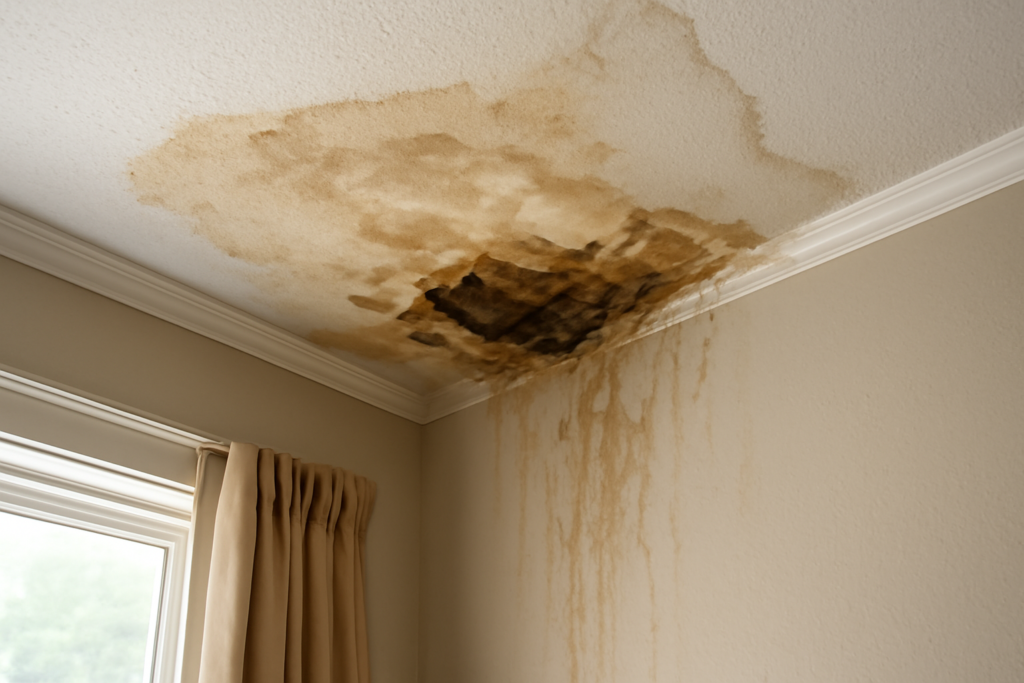
Battling That Soggy Ceiling? Ceiling Drywall Water Damage Restoration in Loganville, GA
Here in Loganville, GA, we know those summer thunderstorms can really pack a punch. That sudden downpour isn’t just about dealing with puddles in the yard; it can mean serious trouble for your home’s ceiling. Water seeping through drywall can happen unexpectedly, often from a leaky roof or an upstairs plumbing issue. You might notice a stain spreading, or worse, a sagging section that looks ready to give way. Addressing ceiling water damage quickly is key to preventing more extensive problems down the road. We’ve seen it all around here, and we’re ready to help you too.
Homeowners around the area trust us with their water damage issues because we focus on getting it right the first time. With over 165 five-star reviews, you can see why so many of your neighbors turn to us when water affects their ceilings. We understand that dealing with water damage is stressful, and our goal is to make the restoration process as smooth as possible for you. Getting your home dry is our top priority, and we work hard to earn your confidence.
- We specialize in drying out and restoring your ceiling drywall, preventing mold growth and structural damage before it becomes a bigger headache.
- Our team uses advanced techniques to identify the moisture source and ensure your ceiling is completely dry, protecting your home’s integrity.
- We handle everything from the initial assessment to the final repairs, making the Ceiling Drywall Water Damage Restoration process straightforward for you.
How Ceiling Drywall Water Damage Restoration Actually Works
When water finds its way into your ceiling drywall, it’s more than just an unsightly stain; it’s a potential breeding ground for mold and can weaken the structural integrity of your home. A proper restoration process isn’t just about patching a hole; it’s about meticulous drying and assessment. Cutting corners here can lead to recurring mold issues and further damage, costing you much more in the long run. Following a proven drying method is essential for a lasting repair. Our crews are trained to tackle these challenges effectively.
1. Initial Assessment and Water Source Identification
The first thing we do is figure out exactly where the water is coming from. Is it a roof leak, a busted pipe, or something else? Pinpointing the water source helps us stop the damage from continuing. This step usually takes a few hours, depending on how complex the situation is. We’ll use specialized tools to get a clear picture.
2. Water Extraction and Removal
Once we know the source is stopped, we need to get the standing water out. We use powerful water extraction equipment that can remove large amounts of water quickly. Removing standing water is a critical first step to prevent further absorption into the drywall and insulation. This might take a few hours to a full day, depending on how much water is present.
3. Thorough Drying and Dehumidification
This is where we really get to work. We bring in industrial-grade air movers and dehumidifiers to dry out the affected areas. Drying the structure completely is vital to prevent mold growth. This stage can take anywhere from a couple of days to a week or more, as we monitor humidity levels closely. It’s a patient process.
4. Mold Prevention and Remediation
If mold is already present or there’s a high risk, we take immediate action. Our team can safely remove any existing mold and treat the area to prevent future growth. Preventing mold contamination is crucial for your family’s health and the long-term safety of your home. This might add a day or two to the overall timeline.
5. Drywall Repair and Finishing
After everything is completely dry and mold-free, we move on to repairs. This involves replacing damaged drywall, texturing to match your existing ceiling, and painting. Restoring your ceiling’s appearance ensures your home looks and feels like it did before the damage occurred. This final stage usually takes a few days, depending on the size of the affected area.
Don’t let water damage linger. Taking prompt action can save you a lot of hassle and expense. Give us a call so we can assess the situation and start the drying process.
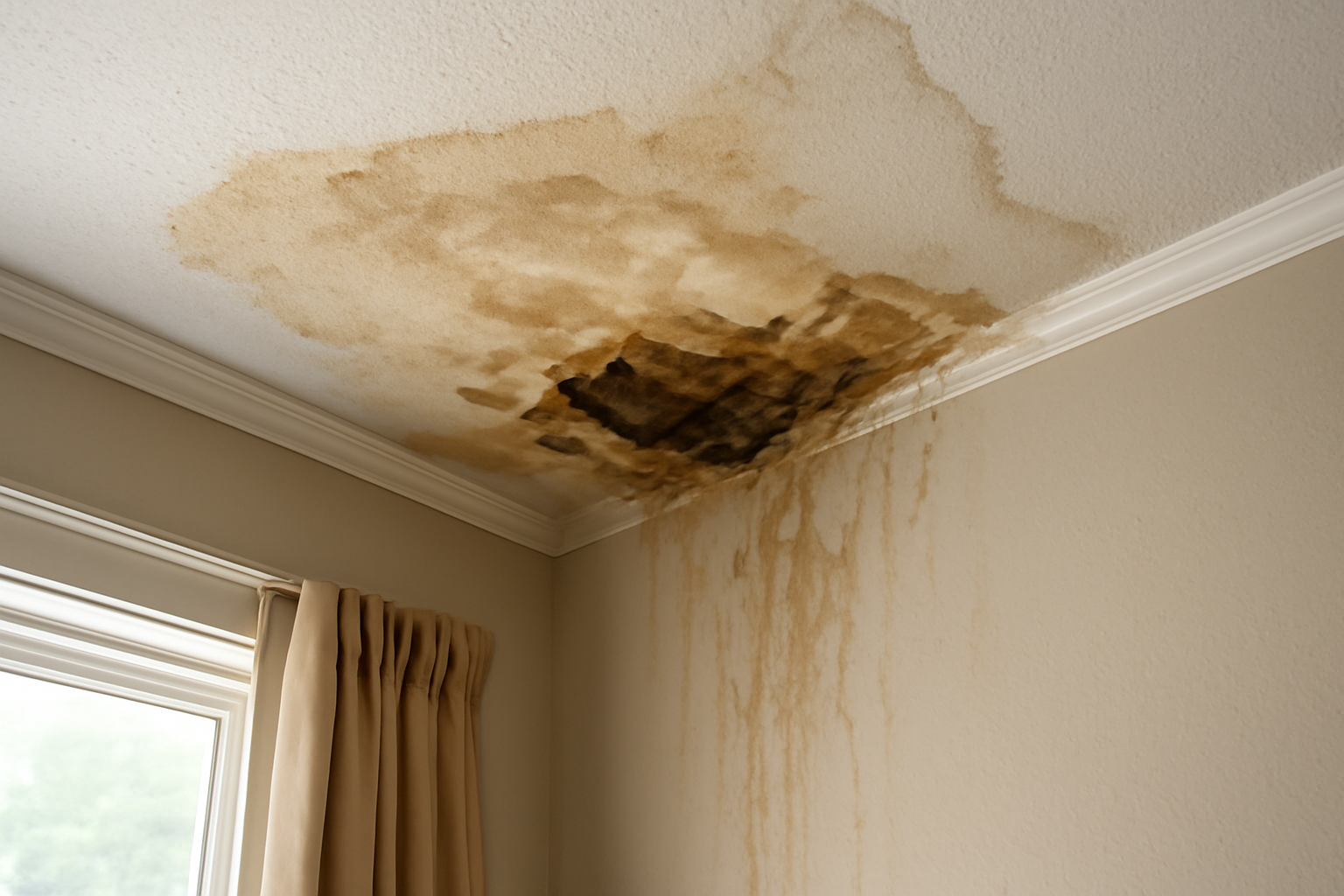
Warning Signs You Need Ceiling Drywall Water Damage Restoration
Catching water damage early is the smartest thing you can do for your home. These signs are your early warning system, letting you know it’s time to call in the pros before small issues become major problems. Recognizing early indicators can save you significant time and money.
Visible Water Stains or Discoloration
The most obvious sign is a brown or yellowish stain appearing on your ceiling. Don’t ignore ceiling stains; they indicate that water has penetrated the drywall. It might be small at first, but it can spread quickly.
Sagging or Bubbling Drywall
If you see your ceiling drywall starting to bulge downwards or develop bubbles, it means it’s saturated with water. A sagging ceiling is a serious warning that it could collapse if not addressed immediately.
Musty Odors That Won’t Go Away
A persistent damp, musty smell, especially in a specific area of a room, is often a sign of hidden moisture. Eliminating musty smells is important because they can indicate mold growth. This odor can become quite strong over time.
Peeling Paint or Wallpaper
Water can cause paint to blister and chip, or wallpaper to peel away from the surface. Addressing peeling finishes can reveal underlying moisture issues. It’s a clear sign that water is affecting the integrity of the ceiling surface.
Dripping Water
Of course, if you see water actively dripping from your ceiling, it’s an emergency. Immediate attention to dripping water is crucial to prevent further damage and potential safety hazards.
Ceiling Drywall Water Damage Restoration vs. DIY: When To Call a Professional
| Situation | DIY? | Call a Pro? | Why |
|---|---|---|---|
| Small, fresh water stain from a minor leak | Yes, for drying and immediate patching | Yes, if stain is large or persistent | A pro can ensure complete drying and prevent hidden mold. |
| Sagging or collapsing ceiling section | Absolutely Not | Yes, immediately | Structural integrity is compromised; requires professional assessment and repair. |
| Suspected mold growth or musty odors | No, unless you have proper PPE and know-how | Yes, for safe remediation | Mold can be hazardous and requires specialized removal techniques. |
| Water damage from a sewage backup | Absolutely Not | Yes, immediately | Biohazard risk requires professional handling and sanitation. |
| Water damage after a storm with roof damage | No, address roof first, then water | Yes, for thorough drying and repair | Roof issues need expert repair; water damage requires specialized drying equipment. |
| Multiple rooms or large areas affected | No, too much to handle safely | Yes, for efficient and complete restoration | Large-scale damage requires professional equipment and expertise. |
While minor water spots might seem manageable, professional intervention is often necessary for ceiling drywall water damage. Our trained technicians have the equipment and knowledge to dry your ceiling thoroughly, preventing long-term issues like mold and structural weakening. For anything beyond a small, fresh stain, calling a pro is the safest bet for your home.
Ceiling Drywall Water Damage Restoration Cost In Loganville, GA
The cost for Ceiling Drywall Water Damage Restoration in Loganville, GA, can vary quite a bit. Factors like the extent of the water damage, the size of the affected ceiling area, and whether mold is present will influence the final price. Understanding cost factors helps you budget for these unexpected events. These figures are general estimates.
| Service | Typical Price Range | What Affects Cost |
|---|---|---|
| Water Damage Assessment & Moisture Mapping | $300 – $800 | Complexity of the leak source and size of the affected area. |
| Water Extraction & Drying Equipment Rental | $500 – $2,500 | Duration of drying needed and the volume of water removed. |
| Mold Inspection & Testing | $400 – $1,200 | Number of samples taken and the size of the suspected mold area. |
| Mold Remediation (if necessary) | $750 – $3,000+ | Severity and type of mold, and the size of the contaminated area. |
| Drywall Repair & Patching | $200 – $800 per section | Size and number of damaged drywall sections needing replacement. |
| Priming & Painting | $300 – $1,000 | Total square footage of the ceiling needing to be repainted. |
The best way to get an accurate estimate for your specific situation is to have our team come out for an on-site assessment. Getting a free estimate is the first step towards getting your ceiling back to normal. We’re happy to walk you through the process and explain all the costs involved.
Service Areas Near Loganville, GA
We proudly serve Loganville, GA, and the surrounding communities, including Athens, Auburn, Bethlehem, Bogart, Braselton, Buford, Carl, Commerce, Conyers, Covington, Dacula, Grayson, Hoschton, Jefferson, Lawrenceville, Lilburn, Lithonia, Monroe, Norcross, Snellville, Statham, Suwanee, Tucker, Winder, and Woodstock.
Common Questions About Ceiling Drywall Water Damage Restoration
My ceiling is stained, but not dripping. Do I need professional help?
Even without active dripping, a water stain means moisture has penetrated your ceiling drywall. Addressing ceiling stains promptly is crucial because trapped moisture can lead to mold growth and weaken the drywall over time. Our team can assess the moisture levels and ensure the area is thoroughly dried, even if it’s not actively leaking right now.
How long does ceiling drywall water damage restoration take?
The timeline varies significantly based on the amount of water and how deep it has penetrated. Estimating restoration time is tricky, but a simple drying and repair job might take a few days. If mold is involved or the damage is extensive, it could take a week or more. We’ll give you a clearer estimate after our initial assessment.
Is ceiling water damage a health hazard?
Yes, it absolutely can be. Trapped moisture in ceiling drywall creates an ideal environment for mold and mildew growth. Protecting your family’s health is paramount. Inhaling mold spores can cause respiratory issues and allergic reactions. Our technicians are trained to identify and safely remediate any mold found during the restoration process.
What kind of equipment do you use to dry my ceiling?
We use specialized equipment designed for efficient water damage restoration. This includes high-powered water extractors to remove standing water, industrial-grade air movers to accelerate evaporation, and advanced dehumidifiers to pull moisture out of the air and materials. Using professional drying equipment ensures that we can dry your ceiling much faster and more effectively than standard household fans or methods.
Can I prevent water damage to my ceiling?
Regular maintenance is your best defense. Preventing ceiling water damage involves keeping your roof in good repair, checking for leaks around plumbing fixtures on upper floors, and promptly addressing any signs of wear and tear. Watching for early warning signs, like small stains or unusual sounds, can help you catch problems before they become major issues.
Check Our Other Relevant Services
- Bathroom Water Damage Restoration in Loganville, GA
- Bedroom Water Damage Restoration in Loganville, GA

Jerry Johns is a licensed Damage Restoration Expert with over 20 years of hands-on experience helping homeowners and businesses navigate property crises. As a trusted authority in the field, Jerry combines technical precision with a compassionate approach to disaster recovery.
𝗖𝗲𝗿𝘁𝗶𝗳𝗶𝗰𝗮𝘁𝗶𝗼𝗻𝘀: Jerry holds multiple elite IICRC certifications, including Water Damage Restoration (WRT), Applied Microbial Remediation (Mold), Applied Structural Drying (ASD), Odor Control, and Fire and Smoke Restoration.
𝗙𝗮𝘃𝗼𝗿𝗶𝘁𝗲 𝗣𝗮𝘀𝘁𝗶𝗺𝗲: When he isn’t on a job site, Jerry is an avid outdoorsman who enjoys fly fishing and restoring vintage woodworking tools.
𝗕𝗲𝘀𝘁 𝗣𝗮𝗿𝘁 𝗼𝗳 𝘁𝗵𝗲 𝗝𝗼𝗯: Jerry finds the most fulfillment in seeing the relief on a client’s face when their property is finally restored to its pre-loss condition, turning a stressful disaster into a fresh start.


