
Trusted by 165+ Homeowners
Ceiling Drywall Water Damage Restoration in Lovejoy, GA
- Over 165 5-Star Reviews
- Free Estimates and Quotes
- 100% Satisfaction Guaranteed
- Child, Family & Pet Safe Steps
- 24-Hour Emergency Service
- Fully Licensed & Insured
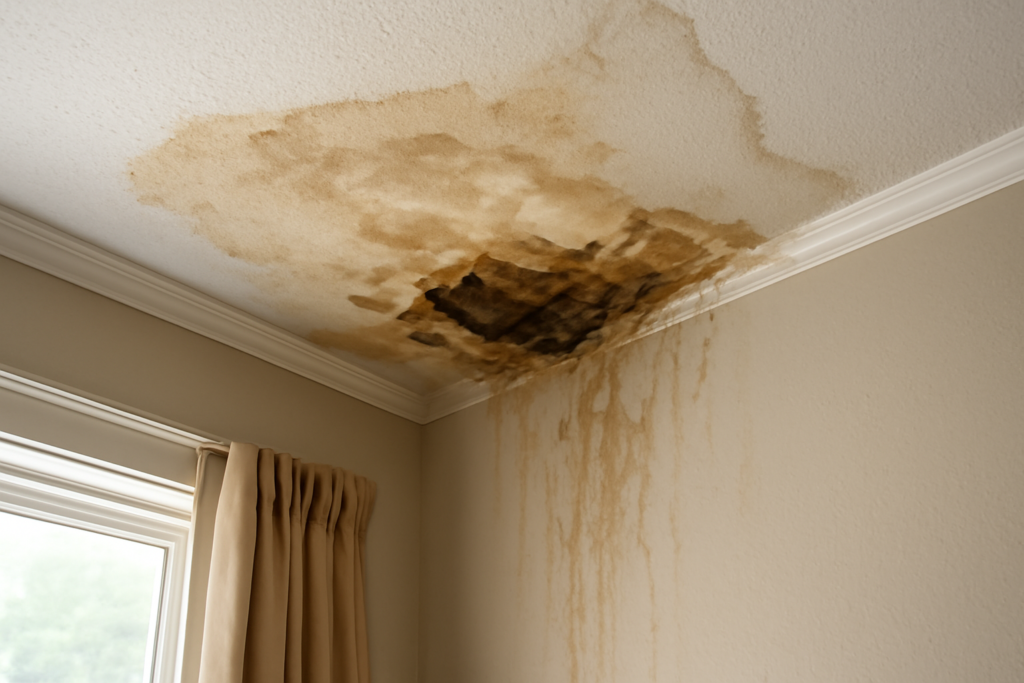
Water Stains on Your Ceiling? We Handle Ceiling Drywall Water Damage Restoration in Lovejoy, GA
You’re walking through your home, maybe grabbing a drink or heading to bed, and you see it. A faint yellow stain on your ceiling. Then you notice it’s gotten bigger. Maybe there’s a slight sag, or worse, a drip you can hear. This is not good. That damp drywall is a clear sign of a problem that needs immediate attention. Ignoring it means more damage, bigger headaches, and potentially mold growth. We’re here to help when you discover this kind of trouble in your Lovejoy, GA home.
Locally, homeowners trust our team because we understand how stressful this can be. We’ve helped hundreds of neighbors deal with this exact issue, getting their homes dry and secure again. Our reputation is built on fast, reliable service and getting the job done right the first time. We’ve earned over 165 five-star reviews for our dedication to restoring your property efficiently.
- We target the source of the leak and stop it, preventing further damage to your ceiling and the structure above.
- Our specialized drying equipment extracts hidden moisture from drywall and insulation, preventing mold and structural compromise.
- We handle the messy work of removing damaged materials and preparing the area for seamless repairs and a fresh finish.
How Ceiling Drywall Water Damage Restoration Actually Works
When water meets drywall, it’s a race against time. The longer it sits, the weaker and more compromised the material becomes. Our approach to ceiling drywall water damage restoration is technical and precise. We don’t just patch things up; we assess the full extent of the moisture, often using advanced tools to find what you can’t see. Cutting corners here leads to recurring problems and health hazards. We follow strict drying protocols to ensure your home is truly dry and safe.
Identifying the Water Source
Before we do anything else, our technicians locate the exact origin of the leak. This could be a burst pipe, a faulty roof, or an overflowing fixture. Pinpointing the source is critical to prevent the problem from happening again. We use visual inspection and sometimes infrared cameras to find the culprit.
Water Extraction and Containment
Once the source is stopped, we immediately begin removing standing water. We use powerful extractors designed for this purpose. If the water has spread, we’ll set up containment barriers to prevent it from affecting other areas of your home. This step is crucial for preventing mold and further structural issues.
Drying and Dehumidification
This is where our specialized equipment shines. We deploy industrial-grade air movers and dehumidifiers to systematically dry out the affected drywall, insulation, and framing. We monitor moisture levels closely with specialized meters to ensure we reach the necessary dryness. Proper drying protocols are essential for long-term stability.
Damage Assessment and Material Removal
We carefully assess the saturation and structural integrity of the drywall. Heavily damaged or compromised sections will need to be removed. We make precise cuts to remove only what’s necessary, minimizing the repair scope. Removing saturated materials is vital to prevent mold.
Repair and Restoration
After everything is dry, our skilled crews will repair the damaged drywall. This includes patching, texturing, and priming the area. We coordinate with other trades if necessary to ensure your ceiling is returned to its pre-loss condition. Restoring your ceiling to its original state is our goal.
Don’t let water damage linger. Call us now for immediate assistance with your ceiling. We’re ready to deploy our crews to your property today.
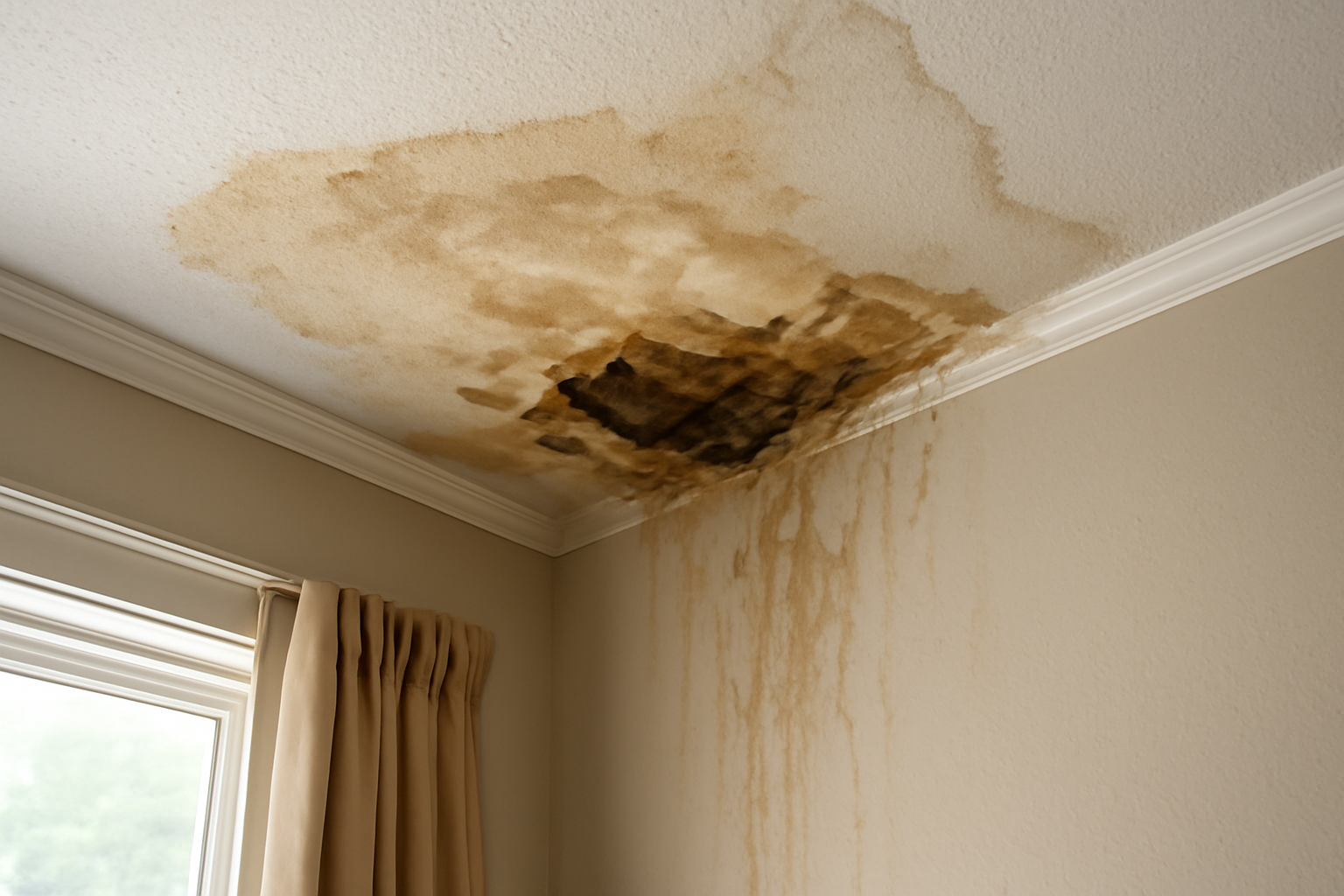
Warning Signs You Need Ceiling Drywall Water Damage Restoration
Catching water damage early is key to minimizing repair costs and preventing bigger issues like mold growth or structural weakening. Your ceiling might be trying to tell you something, and it’s important to listen. Early detection saves money and prevents future headaches. Ignoring these signs can turn a small problem into a major disaster for your home.
Musty Odors That Won’t Go Away
If you detect a persistent, damp, or mildewy smell, especially near a specific area of your ceiling, it’s a strong indicator of hidden moisture. This smell often means mold is starting to grow behind the drywall or in the insulation.
Visible Water Stains or Discoloration
The most obvious sign is a yellow or brown stain appearing on your ceiling. These marks are caused by water seeping through the drywall and carrying minerals or rust from pipes. Discoloration is a direct warning that water has penetrated the surface.
Sagging or Soft Spots on the Ceiling
When drywall becomes saturated, it loses its rigidity. You might notice a visible dip or bulge, or the ceiling might feel soft and spongy to the touch. A sagging ceiling is a critical sign of structural compromise and potential collapse.
Peeling Paint or Wallpaper
Water can break down the adhesives holding paint and wallpaper to the drywall. If you see sections bubbling, peeling, or flaking away from the ceiling, it’s likely due to moisture behind the surface. Peeling finishes indicate moisture intrusion.
Drips or Active Leaks
If you see water actively dripping from your ceiling, or even small beads of moisture forming, this is an emergency situation. An active leak demands immediate attention to prevent extensive damage and ensure safety.
Cracks or Bubbling in the Drywall
Water saturation can cause the paper facing of the drywall to blister or separate. You might also see new cracks forming as the material weakens. Visible cracks are a sign of stress on the drywall structure.
Ceiling Drywall Water Damage Restoration vs. DIY: When To Call a Professional
| Situation | DIY? | Call a Pro? | Why |
|---|---|---|---|
| Small, fresh water spot from a minor overflow (e.g., a single cup spilled) | Yes | No | Easily dried with towels and fans. |
| Visible, active leak from a burst pipe or roof damage | No | Yes | Requires immediate source mitigation and professional drying equipment. |
| Ceiling is sagging significantly or shows signs of collapse | No | Yes | Safety hazard; requires structural assessment and specialized removal. |
| Suspected mold growth or musty odors accompanying water stains | No | Yes | Requires specialized containment and remediation techniques. |
| Water damage affecting electrical fixtures or wiring | No | Yes | Extreme safety risk; requires licensed professionals. |
| Water stain larger than a dinner plate, or recurring stains | No | Yes | Indicates deeper saturation and potential hidden damage. |
For anything beyond a minor, fresh spill, calling a professional is almost always the smarter choice. DIY attempts can lead to hidden moisture, mold growth, and structural issues that are far more expensive to fix later. Our team has the specialized knowledge and equipment to handle even complex ceiling water damage effectively.
Ceiling Drywall Water Damage Restoration Cost In Lovejoy, GA
The cost for ceiling drywall water damage restoration in Lovejoy, GA varies significantly based on the extent of the damage, the size of the affected area, and the complexity of the repair. These figures are general estimates and can change based on specific circumstances. Accurate pricing requires an on-site inspection.
| Service | Typical Price Range | What Affects Cost |
|---|---|---|
| Moisture Detection and Assessment | $200 – $600 | Use of advanced tools like thermal cameras. |
| Water Extraction (minor area) | $300 – $1,000 | Amount of standing water and accessibility. |
| Drying and Dehumidification | $500 – $2,500 | Size of the area, duration of drying needed. |
| Drywall Removal and Disposal | $150 – $500 per sheet | Amount of material needing replacement. |
| Drywall Repair and Patching | $300 – $1,200 | Size and complexity of the patch or repair. |
| Priming and Painting | $200 – $800 | Square footage of the ceiling to be painted. |
These ranges are for the ceiling repair itself. If plumbing or roofing issues caused the leak, those repairs will be separate. We offer free estimates to give you a clear picture of the investment needed for your specific situation.
Service Areas Near Lovejoy, GA
Jonesboro, Stockbridge, Hampton, McDonough, Locust Grove, Fayetteville, Riverdale, Clayton, Morrow, Rex, Conley, Ellenwood, Forest Park, Atlanta, College Park, Hapeville, Union City, Tyrone, Peachtree City, Brooks.
Common Questions About Ceiling Drywall Water Damage Restoration
My ceiling is stained, but not dripping. Do I need to call someone?
Yes, even if it’s not actively dripping, a stain means water has penetrated the drywall. Hidden moisture can lead to mold and weaken the ceiling structure over time. Our team uses specialized equipment to detect and remove all residual moisture, ensuring a complete drying process. We can assess the extent of the damage and provide a proper repair.
How long does it take to dry out a water-damaged ceiling?
The drying time depends on several factors, including the amount of water, the type of insulation, and humidity levels. It can range from a few days to over a week. We use advanced drying technology like high-velocity air movers and industrial dehumidifiers to speed up the process safely. We’ll monitor moisture levels closely to determine when it’s fully dry.
Is ceiling water damage dangerous for my health?
Absolutely. Prolonged exposure to damp materials can lead to mold and mildew growth, which can cause respiratory problems and allergic reactions. Mold spores are a serious health concern. Our technicians are trained to identify and remediate mold if present, ensuring your home is safe and healthy after the water damage is addressed.
What equipment do you use for drying ceilings?
We utilize a range of professional-grade equipment, including air movers to circulate air and speed evaporation, and dehumidifiers to remove moisture from the air. We also use moisture meters to get precise readings and ensure thorough drying. This specialized equipment is key to preventing secondary damage like mold or structural decay. We bring the right tools for the job, tailored to your specific ceiling water damage situation.
Can I prevent ceiling water damage in the future?
Regular maintenance is your best defense. Keep an eye on your roof for any signs of wear, check plumbing connections regularly, and ensure your gutters are clear. Preventative measures save you money in the long run. If you suspect an issue, like a slow drip you can’t quite place, it’s best to have it inspected by professionals to catch potential problems early.
Check Our Other Relevant Services

Jerry Johns is a licensed Damage Restoration Expert with over 20 years of hands-on experience helping homeowners and businesses navigate property crises. As a trusted authority in the field, Jerry combines technical precision with a compassionate approach to disaster recovery.
𝗖𝗲𝗿𝘁𝗶𝗳𝗶𝗰𝗮𝘁𝗶𝗼𝗻𝘀: Jerry holds multiple elite IICRC certifications, including Water Damage Restoration (WRT), Applied Microbial Remediation (Mold), Applied Structural Drying (ASD), Odor Control, and Fire and Smoke Restoration.
𝗙𝗮𝘃𝗼𝗿𝗶𝘁𝗲 𝗣𝗮𝘀𝘁𝗶𝗺𝗲: When he isn’t on a job site, Jerry is an avid outdoorsman who enjoys fly fishing and restoring vintage woodworking tools.
𝗕𝗲𝘀𝘁 𝗣𝗮𝗿𝘁 𝗼𝗳 𝘁𝗵𝗲 𝗝𝗼𝗯: Jerry finds the most fulfillment in seeing the relief on a client’s face when their property is finally restored to its pre-loss condition, turning a stressful disaster into a fresh start.


