
Trusted by 165+ Homeowners
Ceiling Drywall Water Damage Restoration in Mableton, GA
- Over 165 5-Star Reviews
- Free Estimates and Quotes
- 100% Satisfaction Guaranteed
- Child, Family & Pet Safe Steps
- 24-Hour Emergency Service
- Fully Licensed & Insured
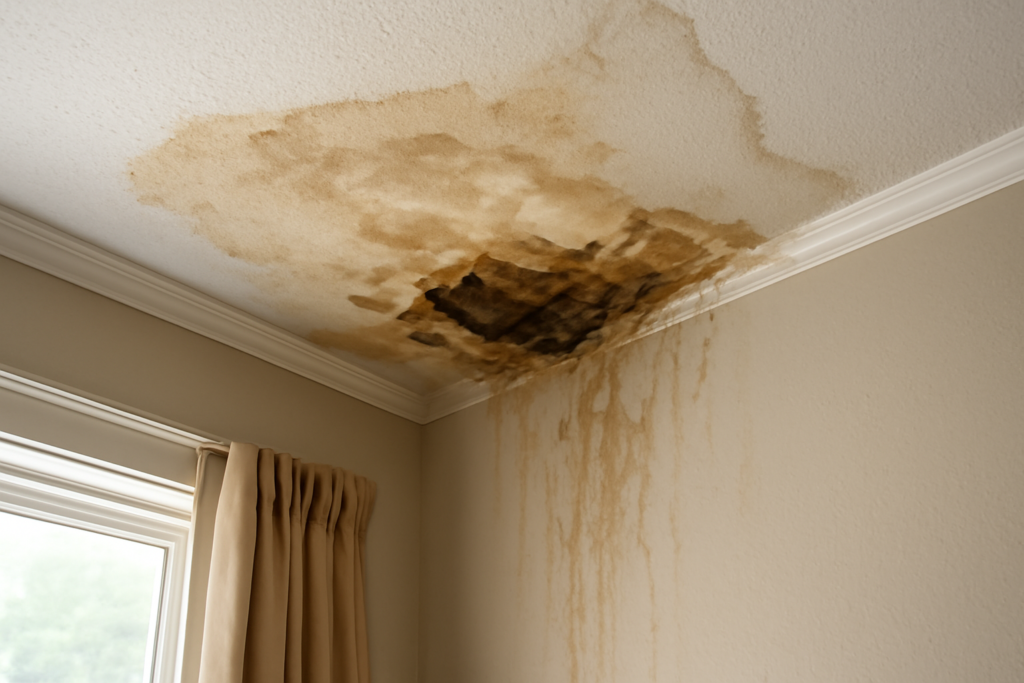
When Water Starts to Stain Your Ceiling in Mableton, GA
Seeing water stains bloom on your ceiling can be unnerving. It’s important to know that small leaks can quickly spread, weakening the drywall and potentially leading to bigger structural issues. Don’t just paint over that damp spot; it’s a sign that water has penetrated the material, and if left unaddressed, it can cause significant interior damage. For homeowners around here, understanding the immediate steps for ceiling drywall water damage is crucial for protecting your home.
Our local crews have helped over 165 neighbors in your area deal with this exact problem, earning us more than 165 five-star reviews. Homeowners trust us because we focus on getting to the root of the water issue and then performing a thorough and efficient restoration. When you see that telltale discoloration, you’ll want a team that understands the urgency and can bring your ceiling back to its original state with minimal disruption.
- We focus on rapid water extraction and drying to prevent further saturation and mold growth on your drywall.
- Our team uses specialized equipment to ensure the affected area is completely dried, not just the surface, protecting your home’s structure.
- We handle the necessary drywall repair and finishing, leaving your ceiling looking as if the damage never happened.
How Ceiling Drywall Water Damage Restoration Actually Works
Dealing with water damage to your ceiling requires a systematic approach, especially if it’s a leak that has been ongoing. When water soaks into drywall, it loses its integrity and can become a breeding ground for mold if not dried properly. Our process is designed to address the immediate water intrusion, thoroughly dry the area using advanced technology, and then expertly repair the damaged drywall. This focus on a precise, step-by-step method is why homeowners choose us for urgent water damage repairs, knowing that delays can lead to costlier, more extensive problems down the road.
Step 1: Damage Assessment and Containment
Upon arrival, our technicians will first assess the full extent of the water damage. We’ll identify the source of the leak if it’s ongoing and then set up containment barriers to prevent the moisture from spreading to other parts of your home. This initial inspection helps us create a clear plan for your ceiling drywall water damage restoration. We’re looking for hidden moisture pockets and assessing the drywall’s structural integrity.
Step 2: Water Extraction
If there’s standing water, we use powerful extraction equipment, like truck-mounted vacuums and industrial-grade pumps, to remove as much water as possible from the affected ceiling area and any surrounding materials. This is a critical step to halt the damage progression. The sooner we can remove standing water, the less time it has to seep deeper into your structure.
Step 3: Advanced Drying and Dehumidification
Once standing water is gone, we bring in specialized drying equipment. This includes high-velocity air movers to circulate air across the damp surfaces and industrial dehumidifiers to pull moisture out of the air and building materials. We monitor humidity and temperature levels closely to ensure the drying process is efficient and complete, often using moisture meters to confirm dryness.
Step 4: Drywall Repair and Replacement
Saturated drywall often needs to be removed and replaced to prevent mold growth and ensure structural stability. Our skilled technicians will carefully cut out damaged sections, prepare the area, and install new drywall. We’ll then tape, mud, and sand the new sections to blend seamlessly with your existing ceiling. This ensures a smooth, professional finish.
Step 5: Finishing and Restoration
The final stage involves priming and painting the repaired ceiling area to match your existing decor. We ensure the entire process, from the initial assessment to the final coat of paint, is handled with care and precision. Our goal is to return your home to its pre-damage condition, leaving you with a beautifully restored ceiling.
Don’t let ceiling water damage linger; prompt action is key to mitigating damage and cost. Call us now to get our team on-site and start the restoration process for your property. We’re ready to provide fast, effective relief for your water-damaged ceiling.
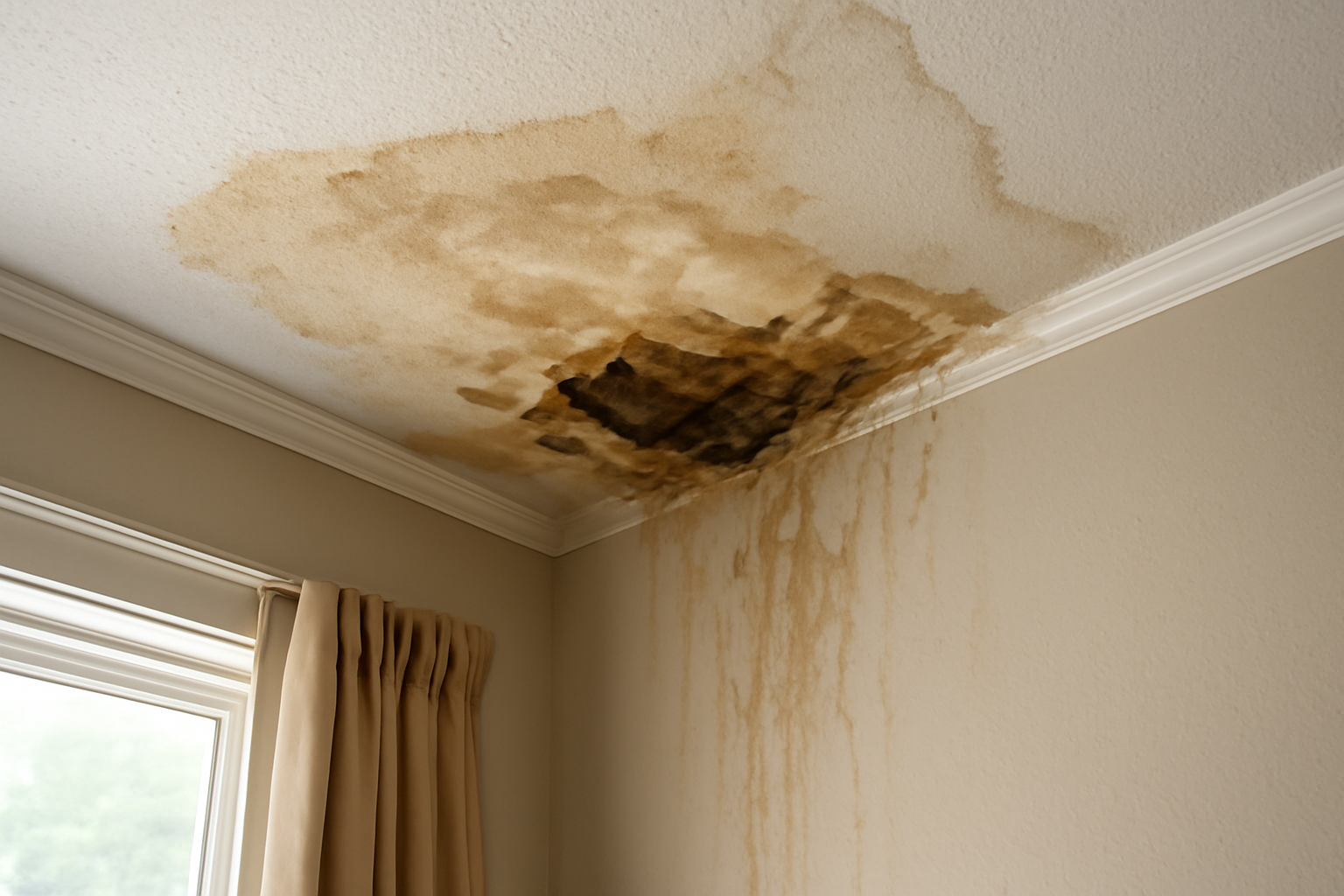
Warning Signs You Need Ceiling Drywall Water Damage Restoration
Catching water damage signs early can save you considerable time, money, and stress. Your ceiling might be telling you it needs attention long before a major leak occurs. Recognizing these subtle (and not-so-subtle) indicators means you can call for professional help before the problem escalates. Ignoring these signs often leads to more severe structural issues and higher restoration costs.
Discolored Water Stains
The most obvious sign is a yellow or brown stain on your ceiling. These marks indicate that water has penetrated the paint and drywall. Don’t just cover them up; it’s a clear signal of active water intrusion or a past leak that wasn’t fully resolved.
Musty Odors That Won’t Go Away
A persistent damp, musty smell, especially in a specific room or area, often points to hidden moisture. This smell can be a precursor to mold growth within the ceiling cavity. Addressing the moisture source is essential to eliminate unpleasant odors and health risks.
Sagging or Soft Drywall
If you notice your ceiling drywall beginning to droop or feel spongy to the touch, it’s a critical warning sign. This indicates the drywall has absorbed significant moisture and is losing its structural integrity. This is a sign that immediate professional attention is required.
Peeling or Bubbling Paint
Water trapped behind paint can cause it to blister or peel away from the drywall surface. This is another visual cue that moisture is compromising the integrity of your ceiling. It suggests the paint adhesion is failing due to water saturation.
Dripping Water
Visible drips from the ceiling are an emergency. This means the water has saturated the drywall to its breaking point and is actively leaking into your living space. You need to act fast to prevent further damage and potential collapse, calling for urgent water removal.
Cracks or Holes in the Ceiling
While cracks can be due to settling, new or widening cracks, especially near water stains, can indicate structural weakening from water damage. A hole is an obvious sign that the drywall has failed due to saturation. These indicate a serious structural compromise.
Ceiling Drywall Water Damage Restoration vs. DIY: When To Call a Professional
| Situation | DIY? | Call a Pro? | Why |
|---|---|---|---|
| Small, fresh water spot from a known, immediately fixed leak (e.g., a single-gallon spill from a clean aquarium) | Yes | No | If the leak was minor and immediately contained, a small spot might be manageable with careful drying and touch-up paint. |
| Large water stain with sagging drywall | No | Yes | Sagging indicates saturation and structural compromise; DIY attempts can worsen damage or lead to collapse. |
| Persistent musty odor after a leak | No | Yes | Odors usually mean hidden mold is growing, which requires professional assessment and remediation for health and safety. |
| Water actively dripping from the ceiling | No | Yes | This is an emergency situation requiring immediate extraction and structural assessment to prevent collapse and further damage. |
| Water damage from a sewage backup or contaminated source | Absolutely Not | Yes | Contaminated water poses serious health risks and requires specialized containment, cleaning, and disinfection procedures. |
| Water damage affecting multiple rooms or large areas of the ceiling | No | Yes | Extensive damage requires specialized equipment and expertise to ensure thorough drying and proper repair across a larger scope. |
While minor, isolated incidents might seem like a DIY fix, any significant water intrusion into your ceiling drywall warrants professional attention. Our team has the specialized equipment and trained technicians to effectively dry, repair, and restore your ceiling, ensuring long-term protection for your home. Trusting a professional means you’re getting a thorough job that addresses the root cause and prevents future issues.
Ceiling Drywall Water Damage Restoration Cost In Mableton, GA
The cost for ceiling drywall water damage restoration in Mableton, GA, can vary significantly. Factors like the size of the affected area, the severity of the saturation, the complexity of the repair, and whether mold has begun to grow all play a role. These figures are estimates and can change based on your specific situation.
| Service | Typical Price Range | What Affects Cost |
|---|---|---|
| Water Damage Assessment & Containment | $300 – $800 | The complexity of the leak source and the size of the area needing containment. |
| Water Extraction (per room) | $400 – $1,500 | The amount of standing water and the accessibility of the area. |
| Drying & Dehumidification (per room, per day) | $200 – $500 | The duration needed to achieve proper dryness, dictated by material saturation and environmental conditions. |
| Drywall Repair (small patch) | $200 – $600 | The size of the patch and the number of coats of mud required for a smooth finish. |
| Drywall Replacement (section) | $500 – $2,500 | The square footage of drywall needing replacement and any necessary structural support. |
| Priming & Painting | $200 – $700 | The size of the ceiling area being painted and the number of coats needed. |
Getting an accurate estimate for your ceiling drywall water damage restoration requires an on-site assessment by our trained technicians. We offer free, no-obligation estimates to help you understand the scope of work and the associated costs for your property. This allows us to provide a clear picture of the restoration needed.
Service Areas Near Mableton, GA
Austell, Smyrna, Marietta, Powder Springs, Lithia Springs, Atlanta, Vinings, Kennesaw, Dunwoody, Sandy Springs, Roswell, Woodstock, Acworth, Norcross, Duluth, Johns Creek, Suwanee, Lawrenceville, Lilburn, Tucker.
Common Questions About Ceiling Drywall Water Damage Restoration
What’s the first thing I should do if I see water damage on my ceiling?
The very first step is to try and stop the water source if you can safely do so. If it’s a plumbing issue, turn off the water valve. If it’s from an appliance, unplug it. Then, place buckets or tarps to catch any dripping water and call a professional restoration team immediately. We can help assess the damage and begin the drying process quickly to prevent further issues.
How long does ceiling drywall water damage restoration take?
The timeline can vary greatly depending on the extent of the water damage and how quickly we can start the drying process. Minor repairs might take a day or two, but significant saturation and drying could take anywhere from 3 to 7 days or even longer. Our team works efficiently to restore your home as swiftly as possible.
Will water damage on my ceiling lead to mold?
Yes, it absolutely can. Mold thrives in damp, dark environments, and a water-damaged ceiling provides the perfect conditions. If the moisture isn’t removed completely and quickly, mold can begin to grow within 24-48 hours. That’s why prompt professional drying is so critical to prevent mold contamination.
What kind of equipment do you use for drying ceilings?
We utilize specialized equipment designed for rapid drying, including high-velocity air movers to increase airflow across the affected surfaces, and industrial-grade dehumidifiers to extract moisture from the air and building materials. We also use moisture meters to ensure that the drywall and surrounding structures are dried to safe, acceptable levels.
Can I just paint over a water stain on my ceiling?
While it might seem like a quick fix, painting over a water stain without addressing the underlying moisture issue is not recommended. The stain will likely reappear, and more importantly, the moisture can continue to damage the drywall and potentially lead to mold growth. It’s best to have the area dried thoroughly and any damaged drywall repaired or replaced first for a lasting, healthy repair.
Check Our Other Relevant Services

Jerry Johns is a licensed Damage Restoration Expert with over 20 years of hands-on experience helping homeowners and businesses navigate property crises. As a trusted authority in the field, Jerry combines technical precision with a compassionate approach to disaster recovery.
𝗖𝗲𝗿𝘁𝗶𝗳𝗶𝗰𝗮𝘁𝗶𝗼𝗻𝘀: Jerry holds multiple elite IICRC certifications, including Water Damage Restoration (WRT), Applied Microbial Remediation (Mold), Applied Structural Drying (ASD), Odor Control, and Fire and Smoke Restoration.
𝗙𝗮𝘃𝗼𝗿𝗶𝘁𝗲 𝗣𝗮𝘀𝘁𝗶𝗺𝗲: When he isn’t on a job site, Jerry is an avid outdoorsman who enjoys fly fishing and restoring vintage woodworking tools.
𝗕𝗲𝘀𝘁 𝗣𝗮𝗿𝘁 𝗼𝗳 𝘁𝗵𝗲 𝗝𝗼𝗯: Jerry finds the most fulfillment in seeing the relief on a client’s face when their property is finally restored to its pre-loss condition, turning a stressful disaster into a fresh start.


