
Trusted by 165+ Homeowners
Ceiling Drywall Water Damage Restoration in Milton, GA
- Over 165 5-Star Reviews
- Free Estimates and Quotes
- 100% Satisfaction Guaranteed
- Child, Family & Pet Safe Steps
- 24-Hour Emergency Service
- Fully Licensed & Insured
Ceiling Drywall Water Damage Restoration in Milton, GA
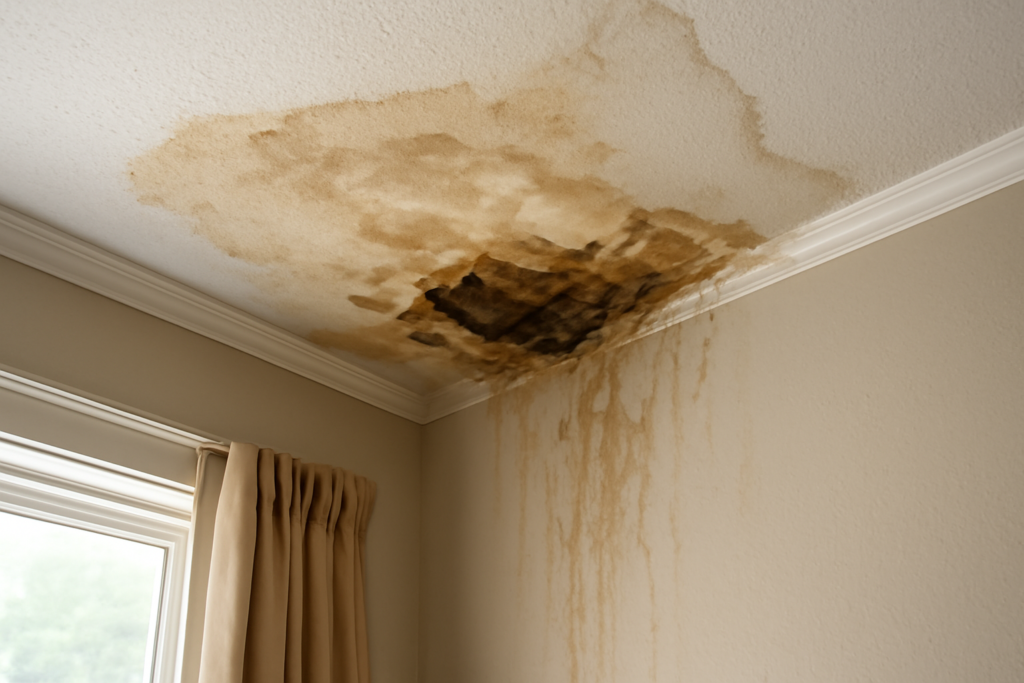
Living around here, you know how those sudden, heavy summer downpours can really test your home’s defenses. Sometimes, despite your best efforts, water finds a way in, and before you know it, you’re staring at a stained, sagging ceiling. Dealing with ceiling drywall damage isn’t just unsightly; it can lead to bigger issues if left unaddressed. We understand how unsettling it is to see your home affected, especially when it comes to protecting your property from water’s intrusion.
We’ve helped countless neighbors with their ceiling water damage, and our 165+ five-star reviews speak to the trust homeowners place in us for this specific problem. When you’re facing a wet ceiling, you want a local team that knows the unique challenges of our climate and responds quickly. We focus solely on this type of repair, ensuring you get the most effective and efficient service to get your home back to normal.
- We specialize in rapidly identifying the source of leaks, preventing further water intrusion and damage to your ceiling drywall.
- Our team uses advanced drying techniques and equipment to thoroughly remove moisture, stopping mold growth before it starts and ensuring a healthy environment.
- We handle the complete repair and restoration process, from replacing damaged drywall to repainting, so you don’t have to juggle multiple contractors.
How Ceiling Drywall Water Damage Restoration Actually Works
When water damages your ceiling drywall, it’s more than just a cosmetic issue; it’s a structural concern. A proper restoration process is crucial to avoid long-term problems like mold, weakened plaster, and electrical hazards. Cutting corners here can mean dealing with the same dampness and damage again in just a few months. Our approach focuses on thoroughness, ensuring we not only fix the visible damage but also address the underlying moisture problem to prevent future issues and restore the integrity of your ceiling.
Step 1: Initial Inspection and Assessment
The first thing we do is a detailed inspection to pinpoint the exact source of the water leak and assess the full extent of the damage to your ceiling drywall. We use specialized tools like moisture meters to map out hidden water saturation, ensuring we understand the complete picture before starting any work. This crucial first step helps us create a precise plan for your specific situation.
Step 2: Water Extraction and Containment
If there’s active water, we’ll extract it quickly using powerful pumps and vacuums to minimize standing water. We also set up containment barriers to prevent the spread of moisture to unaffected areas of your home. Getting this water out fast is key to minimizing structural impact and preventing further deterioration of the drywall and insulation.
Step 3: Controlled Drying
Once the bulk of the water is removed, we bring in specialized drying equipment, including high-velocity air movers and dehumidifiers. These work together to accelerate the evaporation of moisture from your ceiling drywall, subflooring, and framing. This controlled drying process is essential to prevent mold growth and ensure the materials are dry enough for repair.
Step 4: Mold Prevention and Remediation
Water damage creates an ideal environment for mold. We thoroughly inspect for any signs of mold and, if found, our trained technicians will safely remove it using EPA-approved methods. We also apply antimicrobial treatments to the affected areas to inhibit future mold development, safeguarding your home’s air quality and your family’s health.
Step 5: Drywall Repair and Finishing
After everything is completely dry and mold-free, we get to work on the repairs. This involves carefully removing any severely damaged drywall, installing new panels, texturing to match your existing ceiling, and priming and painting. Our goal is to make the repaired area look and feel like new, seamlessly blending into your existing ceiling.
If you notice water spots or sagging, it’s time to act. Don’t wait for the problem to worsen; contact us today for an assessment and get your ceiling back in shape.
Warning Signs You Need Ceiling Drywall Water Damage Restoration
Catching ceiling water damage early can save you a lot of money and hassle down the line. Ignoring the signs might seem easier in the moment, but it often leads to more extensive and expensive repairs. Being aware of these common indicators means you can address issues before they become major headaches, truly protecting your investment.
Musty Odors That Won’t Go Away
A persistent damp, musty smell, especially in a specific room or area, is a strong indicator of hidden moisture. This odor often means mold has started to grow behind your walls or in your ceiling. It’s a clear sign you need a professional to investigate the source.
Discolored or Stained Ceiling Areas
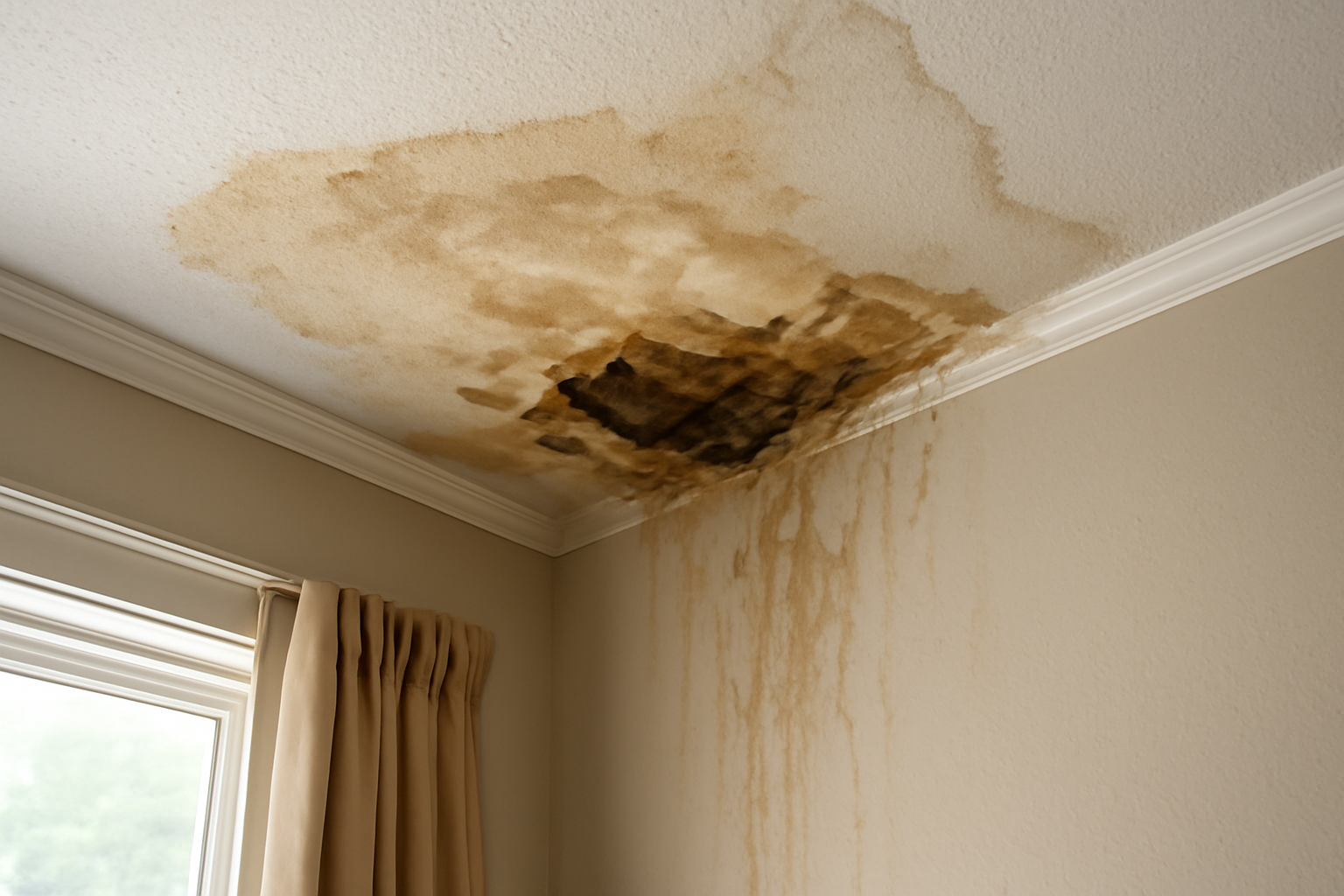
Water stains, often appearing as yellow or brown rings, are the most visible sign of a leak. These spots indicate that water has saturated the drywall and is likely causing damage to the material and any insulation above it. Don’t just paint over them; address the underlying leak.
Sagging or Warped Drywall
When drywall becomes saturated, it loses its structural integrity and can start to sag or even bulge downwards. This is a serious warning sign that the material is compromised and at risk of collapsing. Prompt attention is needed to prevent ceiling failure.
Peeling Paint or Wallpaper
Water can cause paint to bubble and peel away from the drywall surface, and wallpaper to lose its adhesion. If you notice these cosmetic issues appearing in patches, it’s a strong clue that moisture is present behind the surface. This often means water has compromised the bond.
Visible Water Dripping or Puddles
The most obvious sign is, of course, seeing water drip from the ceiling or finding puddles on the floor below. This indicates a significant leak that needs immediate attention to stop further damage and prevent potential electrical hazards. Immediate professional help is critical here.
Ceiling Drywall Water Damage Restoration vs. DIY: When To Call a Professional
| Situation | DIY? | Call a Pro? | Why |
|---|---|---|---|
| Small, isolated water spot on ceiling, source identified and fixed immediately (e.g., minor overflow from a potted plant) | Yes | No | Minor stains are often cosmetic and can be managed with basic cleaning and repainting. |
| Noticeable sagging in a section of the ceiling | No | Yes | Sagging indicates structural compromise of the drywall, requiring professional assessment and repair to prevent collapse. |
| Water stain appears after a heavy rainstorm, but no obvious leak source found | Maybe (for initial drying) | Yes | Hidden leaks can be complex; professionals have tools to find them and prevent recurring damage. |
| Musty smell is present, but no visible water damage | No | Yes | Mold can grow unseen behind walls and ceilings, requiring specialized detection and remediation. |
| Large water stain covering a significant portion of the ceiling | No | Yes | Extensive saturation means extensive damage to drywall, insulation, and potentially framing, needing expert handling. |
| You’re unsure of the water source or if it’s been fully repaired | No | Yes | Incorrectly identified or unrepaired leaks will lead to recurring damage and potential health hazards. |
While minor cosmetic issues might be manageable for a DIYer, any sign of sagging, persistent odors, or extensive staining points towards a problem that needs expert attention. Professionals have the equipment and knowledge to truly dry out your ceiling and ensure no hidden damage or mold is left behind, safeguarding your home long-term.
Ceiling Drywall Water Damage Restoration Cost In Milton, GA
The cost of ceiling drywall water damage restoration in Milton, GA, can vary widely depending on the size and severity of the damage, the complexity of the leak, and the extent of materials needing repair or replacement. These figures are general estimates for the area and not a firm quote. Accurate pricing requires an on-site assessment.
| Service Aspect | Typical Price Range | What Affects Cost |
|---|---|---|
| Leak Source Identification & Repair (Minor) | $200 – $800 | Complexity of access, type of fixture involved. |
| Water Extraction & Initial Drying | $400 – $1,500 | Volume of water, size of affected area, duration of extraction. |
| Controlled Drying (Air Movers & Dehumidifiers) | $500 – $2,000 | Square footage of affected space, length of drying time needed. |
| Mold Inspection & Prevention Treatment | $300 – $1,000 | Size of the area tested, any minor mold remediation required. |
| Drywall Removal & Replacement (per sheet) | $150 – $350 | Height of ceiling, accessibility, type of drywall needed. |
| Texturing, Priming & Painting | $200 – $700 | Size of the repaired area, matching existing texture, paint quality. |
These ranges reflect typical costs for addressing ceiling drywall water damage. For a precise quote tailored to your property, we offer free estimates and on-site evaluations. Let us assess your situation accurately.
Service Areas Near Milton, GA
Alpharetta, Atlanta, Berkeley Lake, Brookhaven, Buckhead, Chamblee, Chastain Park, Crabapple, Dunwoody, East Cobb, Johns Creek, Marietta, Mountain Park, North Atlanta, Norcross, Roswell, Sandy Springs, Smyrna, Tucker, Vinings.
Common Questions About Ceiling Drywall Water Damage Restoration
What’s the first thing I should do if I see water damage on my ceiling?
If you notice water on your ceiling, your immediate priority is to stop the water source if you can safely do so. Place buckets or towels to catch drips and protect your belongings. Then, call a professional restoration team right away to assess the damage and begin the drying process. Delaying can lead to more extensive problems and higher costs for repairs.
How long does it typically take to repair ceiling drywall water damage?
The timeline varies greatly depending on the extent of the damage and the drying time required. Initial water extraction and drying can take 24 to 72 hours, sometimes longer if humidity is high. Once completely dry, drywall repair, texturing, and painting usually take another 1 to 3 days. We work efficiently to get your ceiling restored as quickly as possible.
Is ceiling water damage a health hazard?
Yes, it can be. Water-damaged drywall and insulation create an environment where mold and mildew can thrive, releasing spores into your indoor air. Prolonged exposure to mold can cause respiratory issues, allergic reactions, and other health problems. Our team is trained to identify and safely remove any mold growth, ensuring your home is healthy again.
What kind of equipment do you use to dry out a wet ceiling?
We use professional-grade equipment designed for rapid and thorough drying. This includes powerful water extractors, industrial-strength air movers to circulate air and speed up evaporation, and high-capacity dehumidifiers to remove moisture from the air. For persistent moisture in cavities, we might use specialized drying equipment like Injectidry systems. These tools are essential for preventing secondary damage like mold.
Can I just paint over a water stain on my ceiling?
While tempting, painting over a water stain without addressing the underlying leak and fully drying the area is a bad idea. The stain will likely reappear as the moisture continues to affect the paint. More importantly, painting over a wet or damp area can trap moisture, leading to mold growth and further deterioration of the drywall. It’s crucial to investigate the cause and dry the area completely before any cosmetic repairs.
Check Our Other Relevant Services

Jerry Johns is a licensed Damage Restoration Expert with over 20 years of hands-on experience helping homeowners and businesses navigate property crises. As a trusted authority in the field, Jerry combines technical precision with a compassionate approach to disaster recovery.
𝗖𝗲𝗿𝘁𝗶𝗳𝗶𝗰𝗮𝘁𝗶𝗼𝗻𝘀: Jerry holds multiple elite IICRC certifications, including Water Damage Restoration (WRT), Applied Microbial Remediation (Mold), Applied Structural Drying (ASD), Odor Control, and Fire and Smoke Restoration.
𝗙𝗮𝘃𝗼𝗿𝗶𝘁𝗲 𝗣𝗮𝘀𝘁𝗶𝗺𝗲: When he isn’t on a job site, Jerry is an avid outdoorsman who enjoys fly fishing and restoring vintage woodworking tools.
𝗕𝗲𝘀𝘁 𝗣𝗮𝗿𝘁 𝗼𝗳 𝘁𝗵𝗲 𝗝𝗼𝗯: Jerry finds the most fulfillment in seeing the relief on a client’s face when their property is finally restored to its pre-loss condition, turning a stressful disaster into a fresh start.


