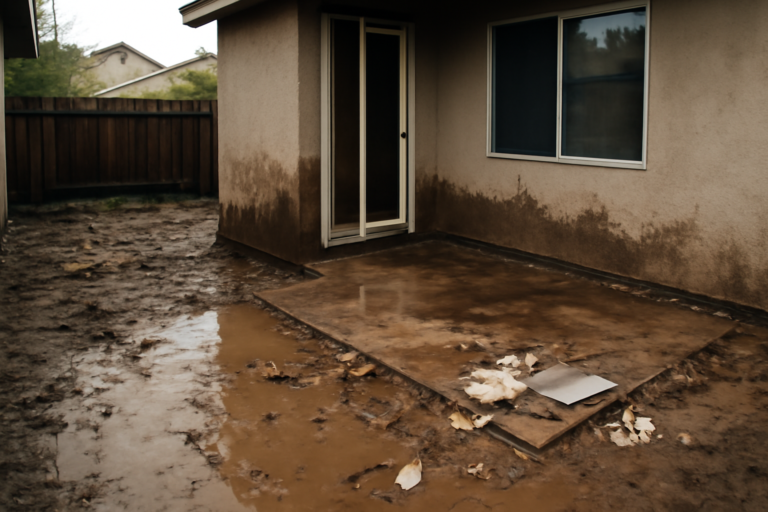
Trusted by 165+ Homeowners
Ceiling Drywall Water Damage Restoration in Scottdale, GA
- Over 165 5-Star Reviews
- Free Estimates and Quotes
- 100% Satisfaction Guaranteed
- Child, Family & Pet Safe Steps
- 24-Hour Emergency Service
- Fully Licensed & Insured
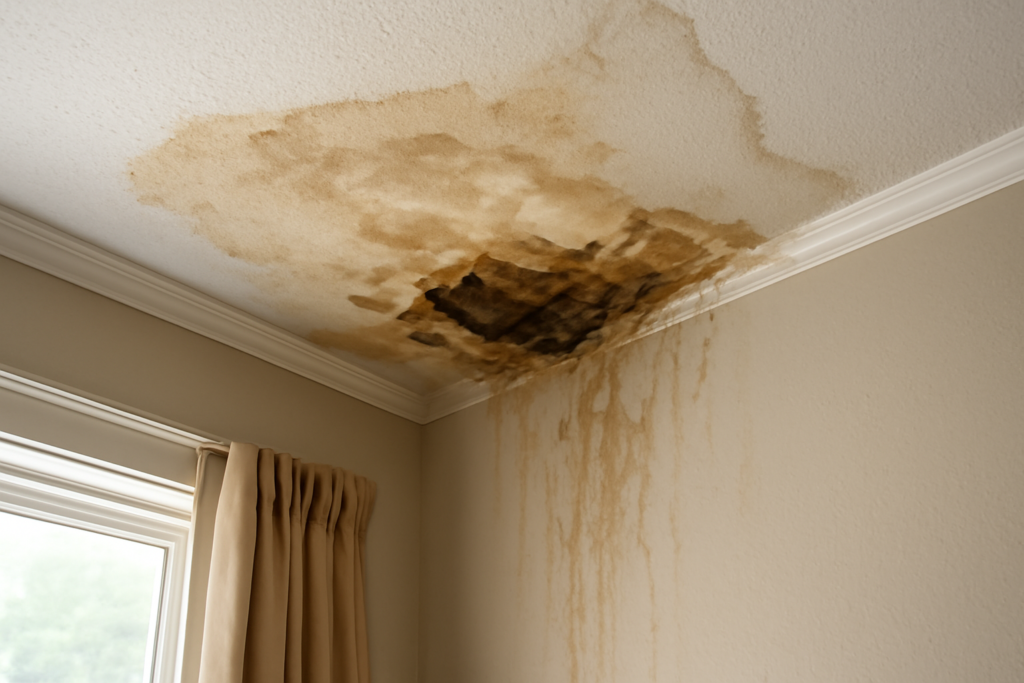
When Atlanta’s Humidity Causes Ceiling Woes: Scottdale, GA
Anyone living around here knows about those sticky, humid summer days, often followed by sudden downpours. That persistent moisture can really do a number on your home, especially the ceilings. You might notice a subtle stain, or perhaps a more alarming sag. Dealing with water damage to your ceiling drywall isn’t just about appearances; it’s about protecting your home’s structure and your family’s health. We help homeowners in Scottdale, GA, tackle these issues head-on, making sure your ceilings are safe and sound again. Don’t let water damage spread, and act fast to prevent mold.
We’ve been helping neighbors in your neighborhood for years, and it shows. With over 165 five-star reviews from local homeowners, you can trust our team to handle your ceiling drywall water damage with care and expertise. We understand the unique challenges our climate presents, and we’re dedicated to providing reliable service that gets your home back to normal. Choosing the right help makes all the difference, and we’re committed to quality repairs.
- We focus specifically on your ceiling drywall, ensuring a targeted and effective repair that blends seamlessly with your existing structure.
- Our team uses advanced drying techniques to remove all moisture, preventing future mold growth and further structural compromise.
- You’ll receive clear communication throughout the entire process, so you always know what to expect and when.
How We Tackle Ceiling Drywall Water Damage
When water finds its way to your ceiling drywall, it’s more than just a cosmetic issue. It can weaken the material, create breeding grounds for mold, and even compromise the integrity of your home’s framing. That’s why our process is designed to be thorough and efficient, addressing not just the visible damage but also the hidden moisture. Cutting corners here can lead to much bigger, more expensive problems down the line, so we take every step seriously. Our systematic approach ensures all water is removed, preventing secondary damage.
Step 1: Initial Assessment and Water Source Identification
First, we’ll carefully inspect the affected ceiling area to determine the extent of the water damage and, crucially, identify the source of the leak. Pinpointing whether it’s a roof issue, plumbing problem, or something else is key to preventing recurrence. We use moisture meters to detect hidden water within the drywall and insulation.
Step 2: Water Extraction and Drying
Once the source is stopped, our priority is to remove all standing water and thoroughly dry the area. We utilize specialized equipment like high-powered air movers and dehumidifiers to accelerate the drying process. This step is critical to prevent mold and mildew growth and to stabilize the remaining drywall. It can take anywhere from 24 to 72 hours depending on the severity.
Step 3: Damaged Drywall Removal
Saturated or compromised drywall needs to be carefully removed. We cut away the affected sections to expose the framing and insulation, allowing us to fully assess and address any damage to those components. This ensures we’re working with a clean, dry surface for repairs. Proper removal is essential for a lasting fix.
Step 4: Mold Prevention and Structural Inspection
While the area is open, we’ll inspect the underlying structure for any signs of mold or rot. If necessary, we’ll apply antimicrobial treatments to prevent mold from developing. We also check the integrity of ceiling joists and any other structural elements that may have been affected. Protecting your home’s health is a top priority.
Step 5: Drywall Repair and Finishing
After the area is completely dry and any structural concerns are addressed, we’ll install new drywall to match your existing ceiling. Our skilled technicians will then tape, mud, sand, and prime the area, preparing it for paint. You’ll be left with a smooth, seamless finish that looks like the damage never happened. Restoring your ceiling’s appearance is our final goal.
When you see signs of water damage on your ceiling, don’t wait for it to get worse. Contact our team immediately to schedule an inspection and get your home back to its best.
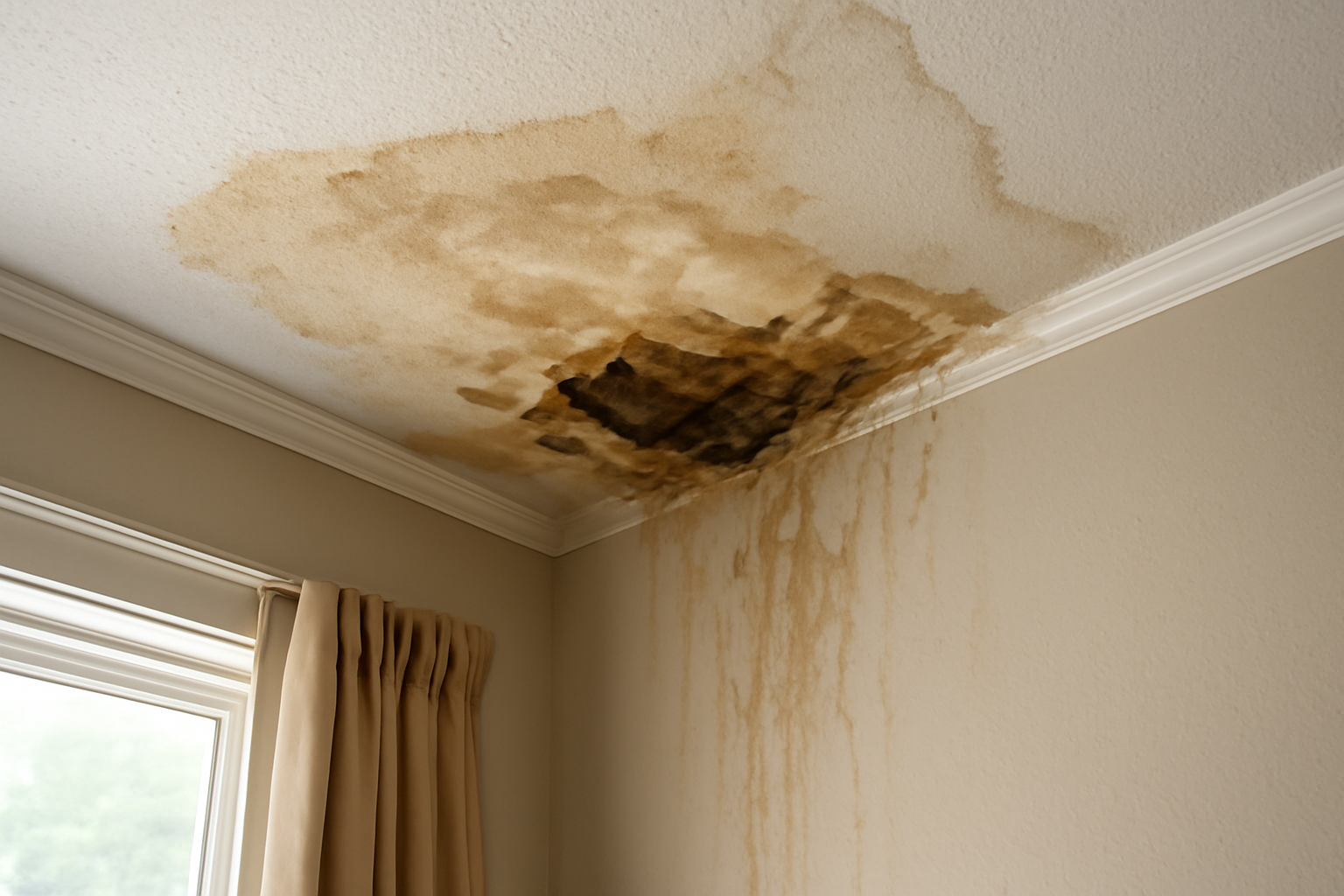
Warning Signs You Need Ceiling Drywall Water Damage Restoration
Catching water damage early is the smartest thing you can do for your home. Small issues can become big headaches if left untreated, leading to costly repairs and potential health risks. Keep an eye out for these common indicators that your ceiling needs professional attention. Early detection saves money and avoids bigger problems later.
Visible Water Stains or Discoloration
These are often the first signs you’ll notice. A yellow or brown stain on your ceiling indicates that water has penetrated the drywall. Don’t ignore these spots; they’re a clear sign of an active leak or past damage.
Musty Odors That Won’t Go Away
Even if you can’t see a stain, a persistent damp, musty smell coming from your ceiling is a strong indicator of hidden moisture. This smell is often due to mold or mildew growth behind the drywall. Addressing these odors is crucial for indoor air quality.
Sagging or Bubbling Drywall
If your ceiling drywall is starting to droop or shows a bulge, it’s absorbing a significant amount of water. This is a serious sign that the drywall is losing its structural integrity and could potentially collapse. Immediate attention is required when you see sagging.
Peeling Paint or Wallpaper
Water can cause paint to blister and peel, and wallpaper to lose its adhesion. If you see sections of your ceiling finish detaching, it’s a good bet that moisture is the culprit. This surface damage points to underlying water issues.
Dripping Water
This is the most obvious and urgent sign. If you see water actively dripping from your ceiling, it means there’s a significant leak that needs immediate intervention. Stop the water flow and call for help right away.
Ceiling Drywall Water Damage Restoration vs. DIY: When To Call a Professional
| Situation | DIY? | Call a Pro? | Why |
|---|---|---|---|
| Small, isolated water spot on ceiling, source identified and fixed immediately. | Yes | No | Minor stains can often be painted over after thorough drying. |
| Ceiling drywall is visibly sagging or bulging. | No | Yes | Sagging indicates saturation and structural weakening; professional assessment is vital. |
| Persistent musty odor after a known leak. | No | Yes | This suggests hidden moisture and potential mold growth requiring specialized drying and treatment. |
| Water damage covers an area larger than a dinner plate. | No | Yes | Extensive damage requires professional removal, drying, and repair to prevent further issues. |
| Leak source is unknown or difficult to access (e.g., inside walls, roof). | No | Yes | Locating and fixing the source is critical; professionals have the tools and expertise. |
| You’re unsure about the extent of the damage or potential mold. | No | Yes | When in doubt, professional inspection ensures all damage is found and properly remediated. |
While minor cosmetic issues might seem like DIY territory, any sign of structural compromise or potential mold growth warrants professional attention. Our team has the specialized equipment and training to handle these complex situations effectively. Trusting experts ensures the job is done right the first time.
Ceiling Drywall Water Damage Restoration Cost In Scottdale, GA
The cost for ceiling drywall water damage restoration in Scottdale, GA, can vary quite a bit. It really depends on how much drywall is affected, how deep the water has penetrated, and whether there’s any underlying structural damage or mold. These figures are just estimates to give you a general idea. Getting an accurate quote requires an on-site assessment.
| Service | Typical Price Range | What Affects Cost |
|---|---|---|
| Minor Drywall Spot Repair (patching small hole) | $200 – $600 | Size of the patch, texture matching, and primer application. |
| Sectional Drywall Replacement (up to 4×4 ft) | $500 – $1,500 | Complexity of the cut, type of drywall needed, and finishing level. |
| Full Ceiling Panel Replacement (single panel) | $800 – $2,500 | Height of the ceiling, accessibility, and required finish. |
| Professional Drying and Dehumidification | $400 – $1,200 per day | Size of the affected area, duration of drying needed, and equipment used. |
| Mold Remediation (if necessary) | $1,000 – $4,000+ | Severity of mold growth, containment procedures, and disposal requirements. |
| Structural Inspection and Minor Repairs | $300 – $1,000+ | Complexity of the structural issue and materials needed for repair. |
The exact cost will always depend on a thorough inspection of your specific situation. We offer free estimates to provide you with a clear understanding of the investment needed. Understanding your costs upfront is important.
Service Areas Near Scottdale, GA
Atlanta, Decatur, Avondale Estates, Pine Lake, Clarkston, Tucker, Lithonia, Stone Mountain, Lilburn, Chamblee, Doraville, Dunwoody, Sandy Springs, Smyrna, Marietta, East Point, Forest Park, Riverdale, Stockbridge, Fayetteville.
Common Questions About Ceiling Drywall Water Damage Restoration
My ceiling has a small water stain. Can I just paint over it?
While it might be tempting to simply paint over a small stain, it’s generally not recommended without addressing the underlying issue first. Painting over water stains without proper preparation can lead to the stain bleeding through the new paint. It’s crucial to ensure the area is completely dry and to use a stain-blocking primer before painting. We can help assess if the damage is minor enough for a simple fix or if more extensive work is needed.
How quickly do I need to address ceiling water damage in Scottdale, GA?
You need to act as fast as possible. Even a small amount of water can saturate drywall, leading to mold growth within 24-48 hours. The longer you wait, the more extensive the damage becomes, increasing repair costs and potential health risks. Prompt action is key to minimizing damage and ensuring a safe environment. Our team is available to respond quickly to your calls.
What are the health risks associated with ceiling water damage?
The primary health risk is mold growth. When drywall stays wet, mold can develop, releasing spores into your indoor air. Inhaling these spores can cause allergic reactions, respiratory problems, and exacerbate conditions like asthma. Protecting your family’s health means addressing water damage and potential mold promptly. We take mold prevention very seriously in our restoration process.
What kind of equipment do you use to dry out a ceiling?
We use professional-grade equipment designed for efficient water removal and drying. This includes industrial dehumidifiers to pull moisture from the air, powerful air movers to circulate air and speed up evaporation, and specialized moisture meters to ensure the area is completely dry. Using the right technology is essential for a complete restoration. Our technicians are trained on how to best deploy this equipment.
How can I prevent water damage to my ceiling in the future?
Regular maintenance is your best defense. This includes inspecting your roof for damage, ensuring gutters are clear and properly directing water away from your foundation, and checking plumbing fixtures and connections for leaks. In areas like Scottdale, GA, where humidity can be high, ensuring proper attic ventilation can also help. Preventative measures save money in the long run. We can also offer advice on maintaining your home’s integrity.
Check Our Other Relevant Services

Jerry Johns is a licensed Damage Restoration Expert with over 20 years of hands-on experience helping homeowners and businesses navigate property crises. As a trusted authority in the field, Jerry combines technical precision with a compassionate approach to disaster recovery.
𝗖𝗲𝗿𝘁𝗶𝗳𝗶𝗰𝗮𝘁𝗶𝗼𝗻𝘀: Jerry holds multiple elite IICRC certifications, including Water Damage Restoration (WRT), Applied Microbial Remediation (Mold), Applied Structural Drying (ASD), Odor Control, and Fire and Smoke Restoration.
𝗙𝗮𝘃𝗼𝗿𝗶𝘁𝗲 𝗣𝗮𝘀𝘁𝗶𝗺𝗲: When he isn’t on a job site, Jerry is an avid outdoorsman who enjoys fly fishing and restoring vintage woodworking tools.
𝗕𝗲𝘀𝘁 𝗣𝗮𝗿𝘁 𝗼𝗳 𝘁𝗵𝗲 𝗝𝗼𝗯: Jerry finds the most fulfillment in seeing the relief on a client’s face when their property is finally restored to its pre-loss condition, turning a stressful disaster into a fresh start.