
Trusted by 165+ Homeowners
Ceiling Drywall Water Damage Restoration in Senoia, GA
- Over 165 5-Star Reviews
- Free Estimates and Quotes
- 100% Satisfaction Guaranteed
- Child, Family & Pet Safe Steps
- 24-Hour Emergency Service
- Fully Licensed & Insured
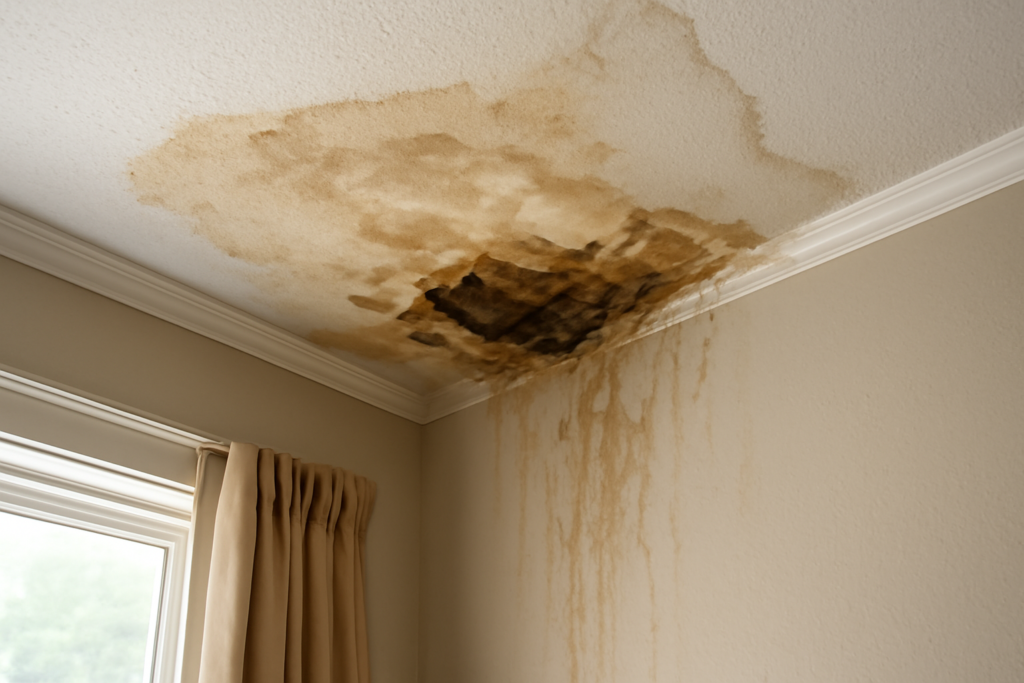
Don’t Ignore That Ceiling Stain: Your Guide to Ceiling Drywall Water Damage Restoration in Senoia, GA
You might be noticing a new discoloration on your ceiling, or perhaps a small drip that’s turned into a steady leak. Before you grab a bucket and some paint, understand that ceiling drywall water damage is more than just an eyesore. It can indicate deeper issues like mold growth and structural compromise, and acting fast is key to preventing a small problem from becoming a major headache right here in Senoia, GA. Ignoring these signs can lead to significant, costly structural repairs down the line.
Homeowners around the area consistently choose our team because we deliver reliable results for their ceiling water damage needs. With over 165 five-star reviews, you can trust that we understand the unique challenges that water damage presents to your home. We focus on getting your ceiling back to its original condition quickly and efficiently, providing a trusted local service you can count on.
- We pinpoint the exact source of the leak to prevent future occurrences, not just fix the visible damage.
- Our team uses specialized drying equipment to ensure all moisture is removed from your drywall and framing, stopping mold before it starts.
- You’ll receive clear communication throughout the restoration process, so you always know what to expect.
How Ceiling Drywall Water Damage Restoration Actually Works
When water finds its way into your ceiling drywall, it doesn’t just sit there; it saturates, weakens, and can create a breeding ground for mold. Our approach to ceiling drywall water damage restoration is designed to combat these issues head-on with speed and precision. We understand that the longer water sits, the more damage it causes, leading to higher repair costs and potential health risks. That’s why we prioritize a rapid response to mitigate the problem before it spreads.
Initial Water Extraction and Assessment
The very first step involves identifying and stopping the source of the water. Our crews then use professional-grade water extractors to remove as much standing water as possible from the affected area. We’ll conduct a thorough assessment to determine the full extent of the saturation and any potential structural damage to your ceiling and the joists above. This crucial phase sets the stage for effective drying. Rapid water removal is paramount.
Advanced Structural Drying
Once standing water is gone, we deploy specialized drying equipment, including industrial-strength air movers and dehumidifiers. These machines work to lower the humidity levels and accelerate the evaporation of moisture trapped within the drywall, insulation, and wood framing. Our goal is to dry your ceiling structure to pre-loss conditions, preventing secondary damage like mold and rot. This stage can take several days depending on the severity. We focus on thorough moisture elimination.
Mold Prevention and Remediation
Water-damaged drywall is a prime target for mold growth. During the drying process, we inspect for any signs of mold and take immediate action. If mold is present, our trained technicians will safely contain and remove it according to strict protocols, ensuring your home is healthy again. We utilize preventative antimicrobial treatments where necessary.
Drywall Repair and Replacement
Once the area is completely dry and any mold has been remediated, we address the damaged drywall. Depending on the extent of the saturation, this may involve patching smaller areas or completely replacing sections of your ceiling. Our goal is to restore the structural integrity and aesthetic appeal of your ceiling. We ensure a flawless drywall finish.
Painting and Finishing
The final step is to make your ceiling look like new again. We prime and paint the repaired or replaced drywall to match the existing texture and color of your ceiling. This not only restores its appearance but also helps seal the surface against future moisture issues. You’ll be left with a seamless, professionally finished ceiling.
Don’t let a leaky ceiling ruin your home; contact our team immediately for prompt and effective ceiling drywall water damage restoration. We’re ready to help you resolve this water issue quickly.
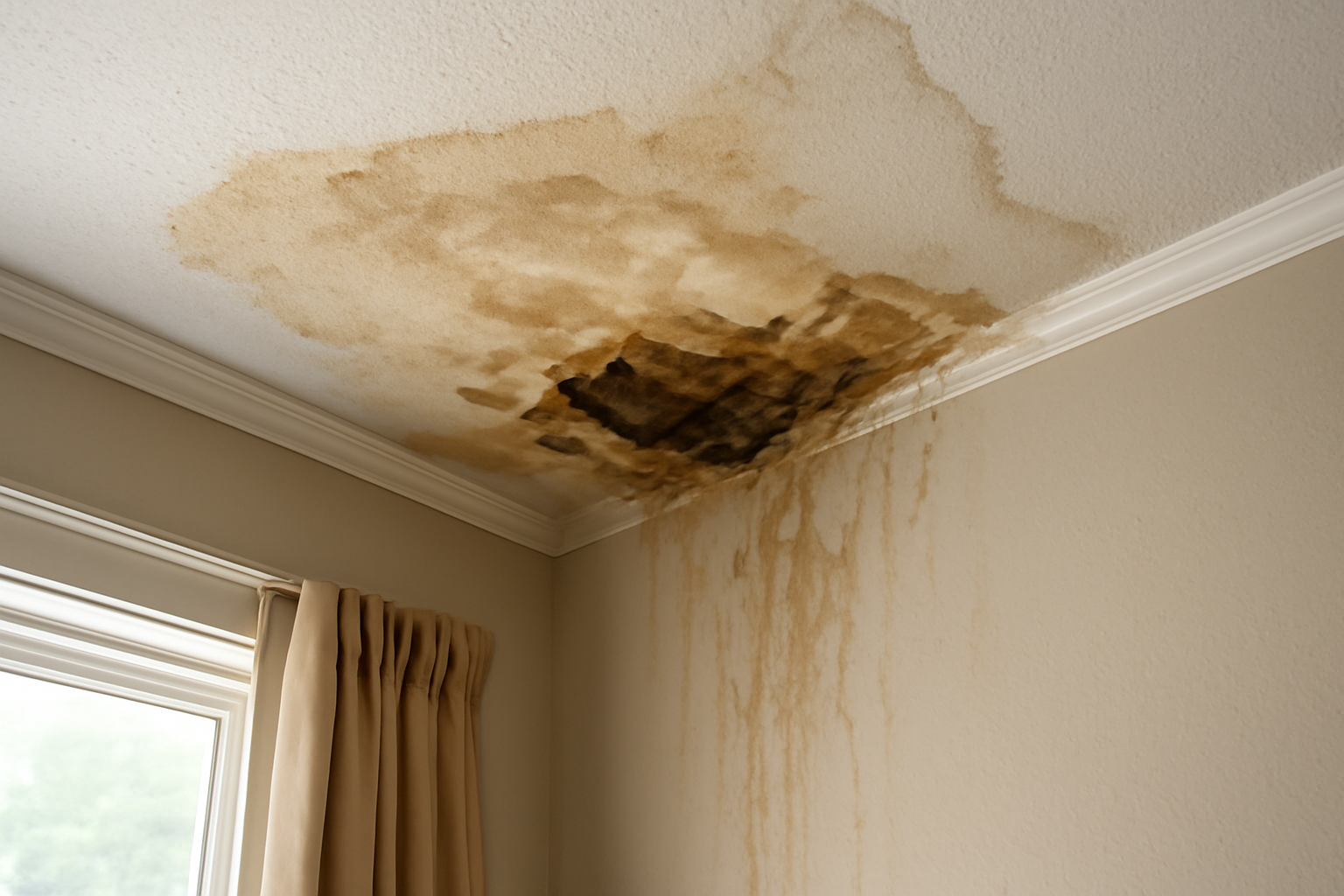
Warning Signs You Need Ceiling Drywall Water Damage Restoration
Catching ceiling water damage early can save you a lot of money and hassle. Many homeowners mistakenly think a small stain isn’t a big deal, but it’s often a sign of a larger, hidden problem. Recognizing these indicators means you can call for professional help before the damage becomes severe and more expensive to fix.
Discolored or Sagging Drywall
A yellow, brown, or even dark stain on your ceiling is a clear indicator of water intrusion. If the drywall also appears to be sagging or bulging, it means it has absorbed a significant amount of water and is losing its structural integrity. This is a critical sign of saturation.
Musty Odors That Won’t Go Away
A persistent damp, musty smell coming from your ceiling area, even when there’s no visible leak, is a strong sign of hidden moisture. This often means mold is starting to grow behind the drywall or within the attic space. These unpleasant odors signal mold.
Visible Water Spots or Stains
These are the most obvious signs. Whether it’s a small ring or a large, spreading patch, water spots mean water has penetrated the paint and paper layers of your drywall. Addressing these immediate water marks is crucial.
Peeling or Bubbling Paint
When moisture gets behind the paint on your ceiling, it can cause the paint to lose its adhesion, leading to peeling or bubbling. This indicates that the drywall itself is likely damp beneath the surface. Look for damaged paint surfaces.
Dripping Water
Even a slow drip can cause significant damage over time. If you see water actively dripping from your ceiling, it means there’s a clear and present leak that needs immediate attention to prevent further saturation and potential collapse. This is an emergency water situation.
Mold or Mildew Growth
Any visible fuzzy or slimy patches of black, green, or white on your ceiling are a serious concern. Mold thrives in damp environments, and its presence means your ceiling has been wet for a while. Act quickly to remove hazardous mold.
Ceiling Drywall Water Damage Restoration vs. DIY: When To Call a Professional
| Situation | DIY? | Call a Pro? | Why |
|---|---|---|---|
| Small, fresh water spot from a temporary overflow (e.g., a single overflowing sink) | Yes, if very small and immediately dried | Yes, if the overflow lasted more than an hour | DIY is fine for minor, quick-drying spills, but prolonged exposure needs professional drying. |
| Persistent drip from a ceiling fixture or vent | No | Yes | This indicates an ongoing leak that needs professional detection and repair to prevent structural damage. |
| Large, spreading water stains or visibly sagging drywall | No | Yes | The drywall is likely saturated and weakened, requiring expert assessment and potential replacement. |
| Musty odors present, even without visible water | No | Yes | This strongly suggests hidden mold growth that requires professional containment and remediation. |
| Water damage after a significant storm or plumbing burst | No | Yes | Major events mean extensive saturation and potential structural issues that demand professional intervention. |
| Minor cosmetic discoloration that is completely dry and has no odor | Yes | No | If the spot is old, completely dry, and there are no other signs of damage, cosmetic touch-up might suffice. |
For anything beyond a very minor, quickly dried spill, calling a professional is often the wisest choice for ceiling drywall water damage restoration. Our team has the specialized equipment and expertise to properly dry your ceiling, prevent mold, and ensure a lasting repair, saving you potential future costs. We provide expert water damage assessment.
Ceiling Drywall Water Damage Restoration Cost In Senoia, GA
The cost of ceiling drywall water damage restoration in Senoia, GA, can vary quite a bit. Factors like the size of the affected area, the severity of the water damage, and the complexity of the repair will all influence the final price. These figures are general estimates and a proper assessment of your specific situation is needed for an accurate quote. We offer transparent cost estimates.
| Service | Typical Price Range | What Affects Cost |
|---|---|---|
| Water Extraction and Drying | $500 – $3,000 | Extent of saturation, size of area, duration of drying needed |
| Mold Inspection and Remediation | $750 – $4,000+ | Severity and spread of mold, type of containment needed |
| Drywall Repair (Patching) | $200 – $600 per patch | Size and number of patches, complexity of ceiling height |
| Drywall Replacement | $500 – $2,500 | Square footage of ceiling replaced, accessibility |
| Sealing and Priming | $100 – $300 | Size of the area being sealed and primed |
| Painting | $300 – $1,000+ | Square footage of ceiling being painted, number of coats |
The exact pricing for your ceiling drywall water damage restoration will depend on a detailed on-site inspection by our technicians. We provide free, no-obligation estimates to help you understand the scope and cost of the necessary repairs.
Service Areas Near Senoia, GA
Fayetteville, Peachtree City, Tyrone, Newnan, Sharpsburg, Brooks, Forest Park, Jonesboro, Lovejoy, McDonough, Hampton, Stockbridge, Locust Grove, Griffin, Jackson, Williamson, Zebulon, Barnesville, Experiment, Inman.
Common Questions About Ceiling Drywall Water Damage Restoration
What’s the fastest way to dry a wet ceiling?
The fastest and most effective way to dry a wet ceiling involves professional equipment. Our technicians use high-powered air movers and industrial dehumidifiers to create an optimal drying environment. While you can try to increase airflow with fans, these machines are specifically designed to remove moisture from building materials quickly and thoroughly, preventing long-term moisture damage.
How long does ceiling drywall water damage repair take?
The timeline for ceiling drywall water damage repair varies significantly. The initial drying process alone can take anywhere from 24 hours to several days, depending on how saturated the drywall is and the environmental conditions. Once dry, repairs like patching or replacement and painting can typically be completed within a few additional days. We work to provide a prompt restoration timeline.
Is ceiling water damage a health hazard?
Yes, ceiling water damage can be a significant health hazard, primarily due to mold growth. When drywall remains wet for extended periods, mold spores can multiply rapidly, releasing allergens and toxins into your home’s air. Our team prioritizes safe mold remediation.
What kind of equipment do you use for ceiling water damage?
We utilize a range of specialized equipment, including truck-mounted or portable water extractors for initial water removal, high-velocity air movers to speed up evaporation, and industrial-grade dehumidifiers to reduce ambient humidity. We also use moisture meters to ensure the ceiling is completely dry before proceeding with repairs, guaranteeing accurate moisture detection.
Can I prevent ceiling drywall water damage?
Preventing ceiling drywall water damage involves regular maintenance and prompt attention to potential issues. This includes checking for roof leaks, ensuring proper attic ventilation, monitoring plumbing in upper floors, and addressing any small drips or stains immediately. Being proactive can save you from costly future repairs.
Check Our Other Relevant Services
Serving Senoia, GA And Nearby Areas


