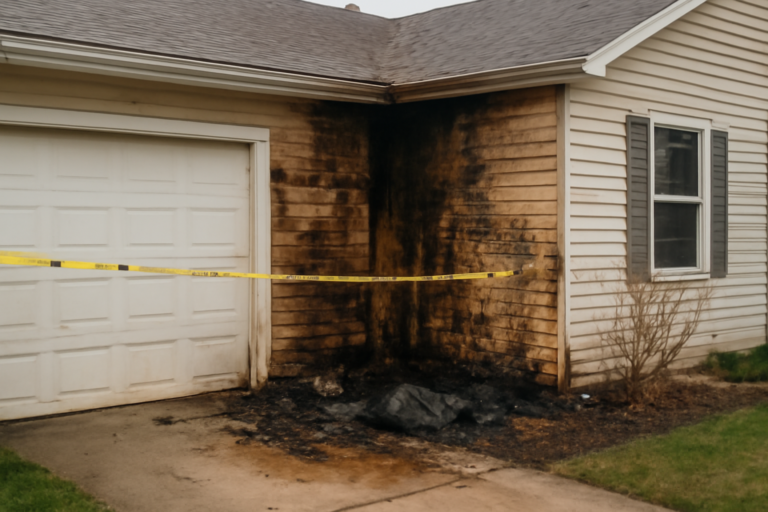
Trusted by 165+ Homeowners
Ceiling Drywall Water Damage Restoration in Woodstock, GA
- Over 165 5-Star Reviews
- Free Estimates and Quotes
- 100% Satisfaction Guaranteed
- Child, Family & Pet Safe Steps
- 24-Hour Emergency Service
- Fully Licensed & Insured
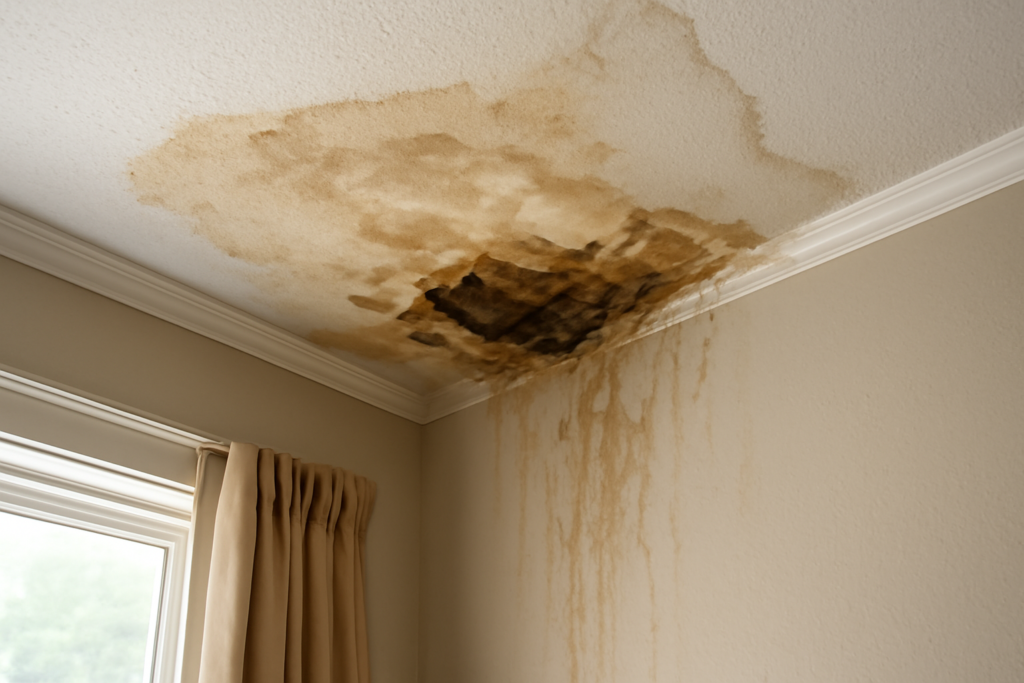
Your Ceiling Shows Signs of Water Damage? We Can Help in Woodstock, GA
You’re walking through your home, maybe heading to the kitchen for a drink, and you notice it. A discoloration on your ceiling. Then, a slight bulge. Perhaps you even hear a faint drip. This isn’t just an eyesore; it’s a clear signal that water is actively damaging your drywall. Ignoring it means more structural issues and potential mold growth. We understand how unsettling discovering ceiling water damage can be, and we’re here to address it quickly and effectively right here in Woodstock, GA.
Homeowners around here trust us to handle their critical ceiling water damage situations. With over 165 five-star reviews from people in your neighborhood, you know you’re getting reliable, expert help. We’ve seen it all, from minor leaks to significant water intrusion, and we’re dedicated to restoring your home’s integrity and appearance. Your neighbors choose us for our fast response times and thorough restoration work.
- We focus on precise moisture detection to ensure we dry your ceiling materials completely, preventing hidden mold growth and secondary damage.
- Our team uses specialized equipment to safely remove damaged drywall and ensure a clean, healthy environment during the restoration process.
- We aim to restore your ceiling’s appearance to its original condition, making the damage a distant memory you can feel confident about.
How Ceiling Drywall Water Damage Restoration Actually Works
Dealing with water-damaged drywall requires a systematic approach. Simply patching a wet spot doesn’t solve the underlying problem. Our crews understand the science behind drying and restoring drywall effectively. We employ a methodical process to ensure all moisture is removed, the affected materials are stabilized, and your home’s air quality is protected. Cutting corners here can lead to costly future repairs and health concerns.
1. Initial Assessment and Containment
When we arrive, our first step is to thoroughly assess the extent of the water damage. We’ll use advanced moisture meters to pinpoint exactly where the water has penetrated the drywall and insulation. Then, we’ll set up containment barriers to prevent the spread of moisture and potential contaminants to other parts of your home. This phase is crucial for controlling the damage.
2. Water Extraction
If there’s standing water, we’ll use professional-grade water extractors to remove it quickly. This prevents further saturation and reduces the drying time needed. We are equipped to handle significant water volumes to get your home on the path to recovery.
3. Controlled Drying
This is where our technical expertise shines. We strategically place air movers and dehumidifiers to create an optimal drying environment. We monitor humidity levels and surface temperatures closely, ensuring the drywall and underlying structure are dried to industry standards. This controlled drying process is key to preventing structural compromise.
4. Drywall Removal and Replacement
Severely damaged or saturated drywall often needs to be removed. We carefully cut out the affected sections, ensuring we remove only what’s necessary. We then install new drywall, tape, mud, and sand it to prepare for finishing. This ensures a smooth, seamless surface for repainting.
5. Finishing and Restoration
Once the new drywall is installed and finished, we’ll prime and paint it to match your existing ceiling. Our goal is to make the repair virtually unnoticeable. We pay attention to the final details to ensure your satisfaction.
Don’t let a damaged ceiling linger. Contact us today to start the restoration process. Acting now can save you from further costly issues.
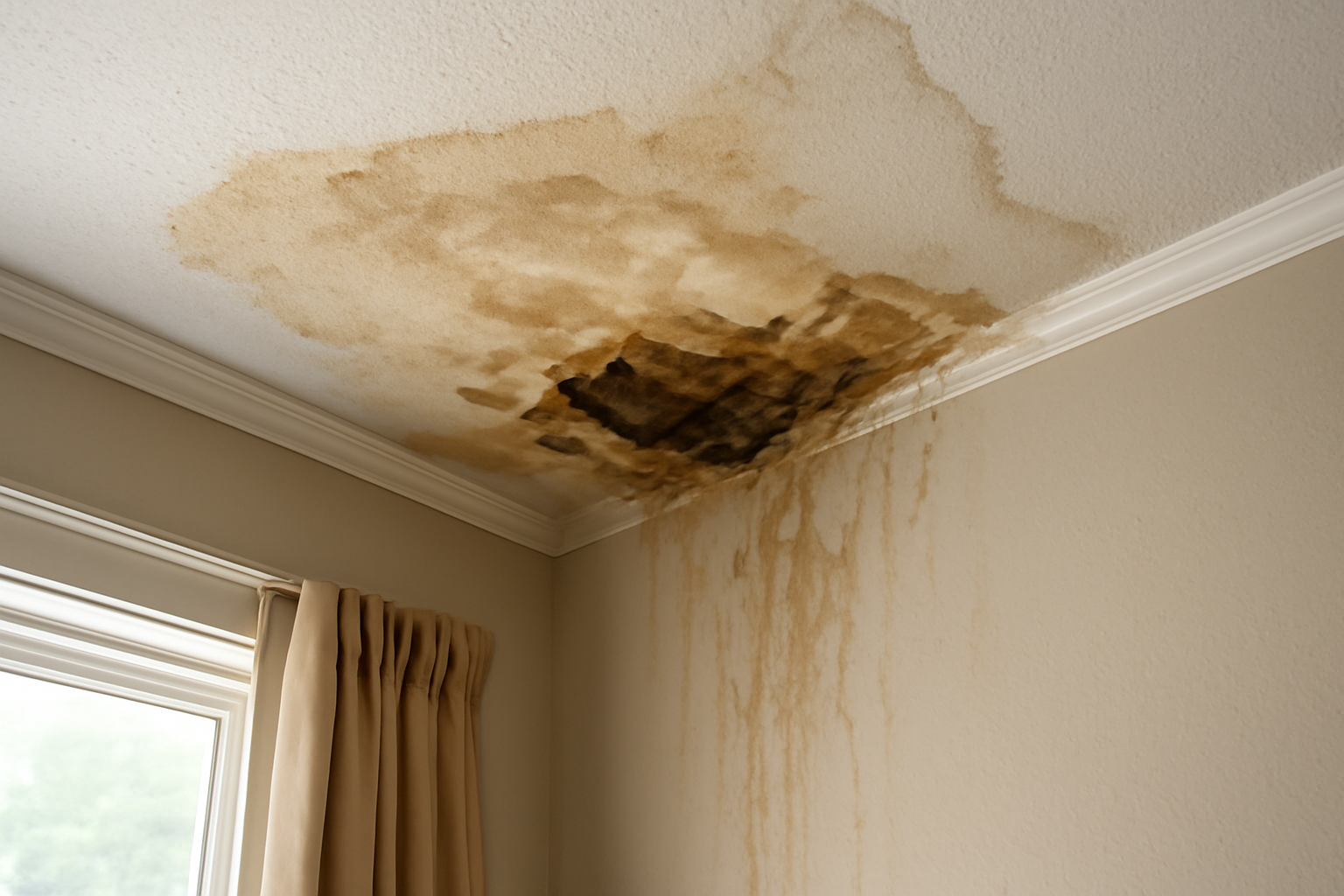
Warning Signs You Need Ceiling Drywall Water Damage Restoration
Catching water damage early is vital. The sooner you spot these signs and call for help, the less extensive the damage will be, saving you time and money. Ignoring these indicators can lead to major structural problems and health risks down the line.
Discoloration or Stains
You might see brown or yellowish spots appearing on your ceiling. These are often the first visible signs that water has penetrated the paint and drywall material. It’s a clear indicator of ongoing moisture intrusion.
Bulging or Sagging Drywall
If your ceiling starts to droop or form a noticeable bulge, it means the drywall is saturated and losing its structural integrity. This is a critical sign that the material is heavy with water and could fail soon. You need immediate professional attention.
Musty Odors That Won’t Go Away
A persistent damp, musty smell, especially in a specific area of your home, often signals hidden mold growth. This can occur behind the drywall where moisture has been trapped. Addressing the source of the moisture is key to eliminating the odor and mold.
Peeling or Bubbling Paint
Water trapped behind paint can cause it to lose its adhesion to the drywall surface. You might see paint peeling away in sheets or developing small bubbles. This is a visual cue that water is compromising the finish.
Visible Water Spots
Sometimes, the damage is obvious. You’ll see a wet patch or a distinct water stain that is actively weeping or dripping. This means water is actively penetrating your ceiling right now.
Increased Humidity Levels
If you notice the air in your home feels unusually damp or humid, especially near a particular ceiling area, it could be due to unnoticed water leaks. This hidden moisture can lead to widespread drywall damage.
Ceiling Drywall Water Damage Restoration vs. DIY: When To Call a Professional
| Situation | DIY? | Call a Pro? | Why |
|---|---|---|---|
| Small, fresh water spot from a minor recent leak (e.g., a single overflowing sink) | Yes, if very small and caught immediately | Maybe, if unsure or if it spreads | DIY is fine for tiny spots; professionals are better for anything that grows or persists. |
| Large water stains or multiple stains on the ceiling | No | Yes | Large stains indicate significant saturation and potential underlying damage. |
| Visible sagging or bulging drywall | Absolutely Not | Yes | This is a structural integrity issue that requires immediate professional assessment and repair. |
| Musty odors present in the affected area | No | Yes | Odors often mean mold is growing, which needs specialized remediation. |
| Water damage resulting from a sewage backup or contaminated source | Never | Yes | Contaminated water poses serious health risks and requires professional handling. |
| Damage that has persisted for days or weeks | No | Yes | Long-term moisture leads to hidden mold and structural weakening that DIY can’t fix. |
For most ceiling water damage scenarios, especially those involving more than a minor, fresh spot, calling a professional is the safest and most effective route. We have the tools and knowledge to ensure complete and safe restoration.
Ceiling Drywall Water Damage Restoration Cost In Woodstock, GA
The cost for ceiling drywall water damage restoration in Woodstock, GA can vary significantly. Factors like the size of the affected area, the severity of the water damage, the type of ceiling material, and whether mold has begun to grow all play a role. These prices are estimates, and an on-site inspection is always needed for an accurate quote.
| Service | Typical Price Range | What Affects Cost |
|---|---|---|
| Moisture Assessment and Inspection | $200 – $600 | Complexity of the ceiling structure and number of readings needed. |
| Water Extraction (for standing water) | $300 – $1,200 | Amount of water to be removed and accessibility of the area. |
| Controlled Drying (equipment rental and monitoring) | $400 – $1,500 per day | Size of the affected area and duration needed for proper drying. |
| Drywall Removal and Disposal | $100 – $300 per sheet | Amount of drywall needing removal and disposal fees. |
| Drywall Installation, Taping, and Mudding | $2 – $4 per square foot | Complexity of the repair and number of coats needed for a smooth finish. |
| Priming and Painting | $1 – $3 per square foot | Matching existing paint and the number of coats required. |
An accurate estimate for your specific situation requires a hands-on assessment. We offer free, no-obligation estimates for ceiling water damage repair.
Service Areas Near Woodstock, GA
We proudly serve the following communities in and around Woodstock, GA: Acworth, Alpharetta, Ball Ground, Canton, Cartersville, Dallas, Dunwoody, East Cobb, Emerson, Free Home, Holly Springs, Johns Creek, Kennesaw, Marietta, Norcross, Roswell, Sandy Springs, Smyrna, Talking Rock, and Vinings.
Common Questions About Ceiling Drywall Water Damage Restoration
What’s the fastest way to dry a wet ceiling?
The fastest way to dry a wet ceiling involves immediate water extraction (if present), followed by strategic use of high-velocity air movers and industrial-grade dehumidifiers. Our technicians use moisture meters to ensure complete drying, not just surface dryness. We create a controlled environment to speed up the evaporation process, making sure hidden moisture is eliminated.
How much does it typically cost to fix a water-damaged ceiling in the Woodstock, GA area?
Costs can range from a few hundred dollars for minor repairs to several thousand for extensive damage. Factors include the size of the affected area, the extent of saturation, whether drywall needs replacement, and if mold remediation is necessary. We provide transparent estimates after assessing your specific situation.
Will insurance cover ceiling drywall water damage?
Often, yes, especially if the water source was sudden and accidental, like a burst pipe. However, coverage depends on your specific policy and the cause of the damage. We can help document the damage and work with your insurance adjuster to ensure you receive fair coverage for repairs.
How long does it take to restore a water-damaged ceiling?
The drying process alone can take anywhere from 24 hours to several days, depending on the severity and ambient humidity. Once dry, repairs like patching or replacing drywall, texturing, and painting can add another few days. We aim for efficient restoration, but thoroughness is our priority.
Can mold grow in a ceiling if it gets wet?
Absolutely. Mold spores are present everywhere, and a damp ceiling provides the perfect environment for them to thrive. If you notice a musty smell or see dark spots, it’s a strong indicator of mold. We prioritize mold prevention by ensuring thorough drying and using antimicrobial treatments when necessary.
Check Our Other Relevant Services
Serving Woodstock, GA And Nearby Areas