Trusted by 165+ Homeowners
Ceiling Water Damage Repair in Conyers, GA
- Over 165 5-Star Reviews
- Free Estimates and Quotes
- 100% Satisfaction Guaranteed
- Child, Family & Pet Safe Steps
- 24-Hour Emergency Service
- Fully Licensed & Insured

When Water Starts to Fall From Your Ceiling in Conyers, GA
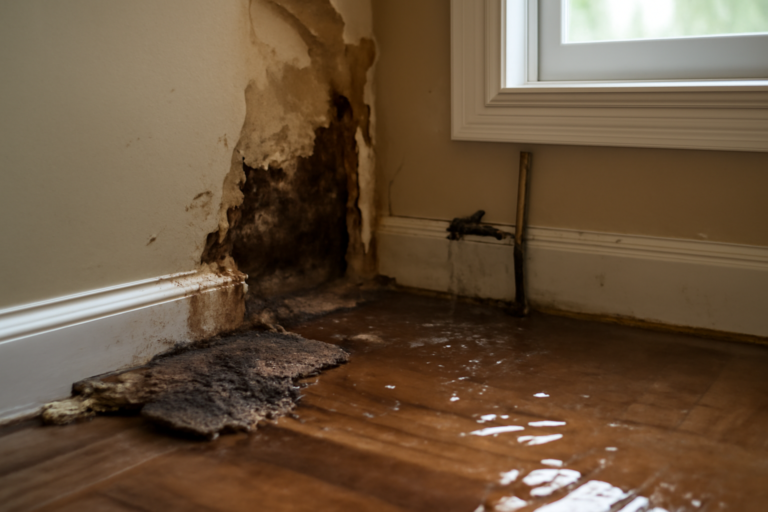
You walk into your living room, and there it is. A dark, spreading stain on your ceiling. Maybe you hear a faint dripping sound, or perhaps there’s that unmistakable, damp, earthy smell. It’s a stressful moment, discovering that your ceiling has sprung a leak. This kind of damage needs fast attention, and ignoring it can lead to much bigger problems than just a stained ceiling. We understand how unsettling it is to see water where it shouldn’t be, especially in your own home. We’re here to help you get it fixed right.
We’ve helped over 165 local families in your neighborhood deal with exactly this kind of issue, earning more than 165 five-star reviews. Homeowners trust our team because we focus specifically on the technical aspects of ceiling water damage repair. You want a team that knows the science behind drying and restoring your home, not just patching things up. We bring that expertise to every job, ensuring your property is handled with care and precision. You’ll see why your neighbors recommend us when you need this specific service.
- We use advanced moisture meters to pinpoint hidden water pockets, ensuring every bit of dampness is found and eliminated.
- Our containment procedures prevent further spread of moisture and potential mold growth, protecting your indoor air quality.
- We focus on restoring the structural integrity of your ceiling, not just making it look good again, so the problem stays fixed.
The Science Behind Our Ceiling Water Damage Repair
When water infiltrates your ceiling, it doesn’t just sit there. It wicks into insulation, spreads behind drywall, and can even affect the wooden joists above. A quick patch job won’t solve this. Our process is designed to address the root cause and thoroughly dry out the affected areas. Cutting corners here can mean mold growth and structural weakening down the line. That’s why we follow strict drying protocols, using specialized equipment to monitor and remove every trace of moisture. You’re getting a restoration that’s scientifically sound.
Initial Assessment and Water Source Identification
The very first step is figuring out exactly where the water is coming from. This might be a leaky roof, a plumbing issue upstairs, or even condensation. We use thermal imaging and moisture meters to accurately locate the source and the full extent of the water intrusion. This prevents us from treating the symptom without curing the disease.
Water Extraction and Removal
Once the source is stopped, we need to remove the standing water and any saturated materials that can be salvaged. Our powerful extraction equipment pulls out water quickly, which is crucial for minimizing damage. We’ll carefully assess what can be saved and what needs to be removed to prevent further issues.
Controlled Drying
This is where the science really comes into play. We don’t just open windows and hope for the best. We use industrial-grade dehumidifiers and air movers to create a controlled environment. These machines work together to lower the humidity and speed up evaporation from materials like drywall and wood. We’ll monitor humidity and temperature closely.
Mold Prevention and Remediation
If water has been present for more than 24-48 hours, mold can start to grow. Our technicians are trained to identify potential mold and take proactive steps to prevent its spread. If mold is already present, we have the specialized equipment and procedures to safely remove it. Your health is a top priority.
Structural Drying and Material Restoration
Our goal is to dry your ceiling and any affected structural components completely. We use specialized drying techniques to ensure materials like wood framing are dried to pre-loss moisture content. This prevents long-term warping, rot, or weakening of your home’s structure. We aim to restore, not just replace, whenever possible.
Don’t let a ceiling leak linger; call us today for immediate assessment. We’ll get the drying process started right away to protect your home.

Warning Signs You Need Ceiling Water Damage Repair
Catching ceiling water damage early is key to preventing more extensive, costly repairs and potential health hazards like mold. Your ceiling might be trying to tell you something, and it’s important to listen. Ignoring these signs can lead to serious structural compromise. Let’s look at what to watch out for around your home.
Visible Water Stains or Discoloration
That yellow or brown patch on your ceiling is a clear indicator that water has saturated the drywall or paint. These stains are a warning that the material above is wet and potentially weakening. Don’t just paint over it; that won’t fix the underlying moisture problem.
Sagging or Bulging Ceiling
If your ceiling looks like it’s starting to droop or bulge downwards, it’s a serious sign. This indicates significant water saturation, where the drywall is becoming heavy and losing its structural integrity. This can be a precursor to a ceiling collapse, so it needs immediate attention.
Dripping Water
The most obvious sign is seeing water drip from your ceiling. This means the water has penetrated through the drywall and is actively pooling or running. You need to identify the source and stop it immediately, then address the damaged ceiling. We can help with that.
Peeling or Bubbling Paint
Paint that is peeling away from the ceiling or forming blisters is often caused by moisture trapped underneath. Water is compromising the bond between the paint and the drywall. This is a visual cue that the material behind the paint is compromised by moisture.
Musty Odors That Won’t Go Away
A persistent damp, musty smell in a room, especially without any obvious source of moisture, can indicate hidden water damage and potential mold growth. This smell is often a sign of microbial activity that thrives in damp environments. It’s your nose telling you there’s a problem you can’t see.
Mold or Mildew Growth
While less common directly on the ceiling surface unless the leak is prolonged, you might see mold spots or fuzzy patches appearing. Mold needs moisture to grow, so seeing it on or around your ceiling is a critical warning. This requires immediate professional remediation.
Ceiling Water Damage Repair vs. DIY: When To Call a Professional
| Situation | DIY? | Call a Pro? | Why |
|---|---|---|---|
| Small, isolated drip from a recent, quickly fixed plumbing leak (e.g., a loose connection). | Yes | No | If the area is small and dries quickly, minor cosmetic touch-ups might suffice. |
| Visible water stain but no sagging or active dripping. | Maybe | Yes | Stains indicate saturation; a pro can confirm dryness and prevent mold. |
| Ceiling is visibly sagging or bulging. | No | Yes | This indicates a high risk of collapse and requires immediate professional structural drying. |
| Musty odor is present, even without visible signs. | No | Yes | Hidden moisture and mold are likely; professional assessment and drying are essential. |
| Water damage covers an area larger than 2 feet by 2 feet. | No | Yes | Large areas require specialized equipment for thorough drying and structural integrity checks. |
| You’re unsure of the water source or extent of damage. | No | Yes | Accurate diagnosis and a complete drying plan are critical to avoid future problems. |
For anything beyond a minor, easily dried spot, calling a professional is the smartest move. Our technicians have the tools and training to ensure your ceiling is dried, restored, and safe. You’re investing in a long-term fix, not just a temporary cover-up.
Ceiling Water Damage Repair Cost In Conyers, GA
The cost of ceiling water damage repair in Conyers, GA, can vary significantly. These prices are estimates and depend on factors like the size of the affected area, the severity of the water damage, and how quickly we can access and dry the area. We’ll provide a detailed estimate after an on-site inspection.
| Service | Typical Price Range | What Affects Cost |
|---|---|---|
| Moisture Assessment and Detection | $300 – $700 | Complexity of the leak and area size determine time needed. |
| Water Extraction (for pooling water) | $400 – $1,200 | Volume of water and accessibility of the area impact the cost. |
| Controlled Drying (Dehumidifiers, Air Movers) | $600 – $2,500 | Duration of drying needed, number of machines required, and environmental controls. |
| Mold Prevention/Spot Treatment | $500 – $1,500 | Size of the affected area and type of treatment needed. |
| Minor Drywall Repair and Patching | $300 – $800 | Size of the damaged section and complexity of the repair. |
| Full Ceiling Section Replacement | $800 – $3,000+ | Size of the section needing replacement, material cost, and labor involved. |
A thorough on-site assessment is necessary for an accurate quote. We offer free estimates to help you understand the scope of work and costs involved.
Service Areas Near Conyers, GA
Atlanta, Avondale Estates, Brookhaven, Chamblee, Clarkston, Decatur, Druid Hills, Dunwoody, Fayetteville, Forest Park, Griffin, Hapeville, Jonesboro, Lake City, Lithonia, Lovejoy, McDonough, Morrow, Newnan, North Atlanta, Peachtree City, Riverdale, Roswell, Sandy Springs, Stockbridge, Stone Mountain, Union City, Virginia-Highland, West End, Wilson Mill.
Common Questions About Ceiling Water Damage Repair
How quickly should I address ceiling water damage?
You should address ceiling water damage immediately. The longer water sits in your ceiling, the more damage it can cause to drywall, insulation, and structural components, and the higher the risk of mold growth. Our team can be on-site quickly to start the drying process and prevent further issues.
Will my homeowner’s insurance cover ceiling water damage repair?
Most homeowner’s insurance policies cover water damage, but it depends on the cause. Sudden and accidental damage, like a burst pipe or roof leak from a storm, is typically covered. Damage from gradual issues, like a slow leak or poor maintenance, might not be. We can help you document the damage for your insurance claim.
How long does the ceiling water damage drying process take?
The drying process can take anywhere from 24 hours to several days, depending on the extent of the saturation and the materials involved. Factors like ambient humidity and temperature also play a role. We use specialized equipment to accelerate drying and monitor progress closely to determine when the area is truly dry.
What are the health risks associated with ceiling water damage?
The primary health risk is mold growth, which can cause respiratory problems, allergic reactions, and other health issues, especially for those with pre-existing conditions. Hidden moisture can lead to unseen mold. Our technicians are trained to identify and mitigate mold risks during the drying process, ensuring a safe environment for you and your family.
Can you repair the ceiling after it’s dried?
Yes, our services extend to repairing the cosmetic damage after the drying process is complete. This can include patching or replacing drywall, texturing, and painting to restore your ceiling to its original condition. We aim to make your home look like new again after the water damage has been fully addressed.
Check Our Other Relevant Services
Serving Conyers, GA And Nearby Areas