Trusted by 165+ Homeowners
Church Water Damage Restoration in Acworth, GA
- Over 165 5-Star Reviews
- Free Estimates and Quotes
- 100% Satisfaction Guaranteed
- Child, Family & Pet Safe Steps
- 24-Hour Emergency Service
- Fully Licensed & Insured

Protecting Your Sacred Space: Expert Church Water Damage Restoration in Acworth, GA
Living around Acworth, GA, we know how quickly a sudden downpour can turn into a real problem. Those summer thunderstorms that roll in can bring serious rain, and if your church’s roof or foundation has even a small issue, that water can find its way inside. Preventing water damage is key, but when it happens, you need a team that understands the unique needs of a church building. We’re here to help you address any church water damage, big or small, with careful attention to detail.
You’ll find that over 165 five-star reviews from your neighbors point to us as the go-to for church water damage restoration. We understand that your church is more than just a building; it’s a gathering place for your community. That’s why we focus on getting things right the first time, with a gentle yet effective approach to restoring your sanctuary. We treat your property with the respect it deserves.
- We specialize in restoring the unique architectural elements often found in older church buildings, ensuring historical integrity is maintained.
- Our team is trained to handle sensitive areas like sanctuaries, fellowship halls, and offices, minimizing disruption to your services and community events.
- We prioritize quick response and thorough drying to prevent secondary issues like mold growth, safeguarding the health of your congregation.
How We Tackle Church Water Damage Restoration
When water invades your church, it’s not just about removing the standing water. It’s about understanding the extent of the damage, identifying the source, and implementing a plan to dry, clean, and restore everything affected. Cutting corners here can lead to long-term problems, from structural weakening to health hazards. We follow a detailed process designed to ensure your church is returned to its pre-loss condition, with meticulous attention to detail and a focus on preventing future issues.
Initial Assessment and Water Extraction
The first step is always a thorough inspection to pinpoint the water source and the scope of the damage. Then, our crews use powerful extraction equipment to remove as much standing water as possible, often within the first 24-48 hours. This rapid water removal is crucial for minimizing damage and starting the drying process.
Drying and Dehumidification
Once the bulk of the water is gone, we bring in specialized drying equipment like high-speed air movers and industrial dehumidifiers. These machines work to pull moisture out of the air and building materials, creating an environment where drying can occur effectively. This phase can take several days, depending on the materials and the amount of water involved, and it’s essential for preventing mold.
Cleaning and Sanitization
Water, especially if it’s not clean, can carry contaminants. We meticulously clean all affected surfaces, including carpets, upholstery, and structural elements. Using approved cleaning agents, we sanitize the area to ensure it’s safe and healthy for your congregation, removing any potential biohazards and eliminating odors.
Structural Drying and Moisture Monitoring
Even after visible water is gone, moisture can linger deep within walls, floors, and ceilings. We use advanced moisture meters and thermal imaging cameras to track down hidden dampness. Our goal is to ensure every part of your church is dried to safe levels, preventing long-term structural damage and mold growth, which is a critical phase.
Reconstruction and Restoration
Depending on the severity, some materials may need to be replaced. This could involve repairing drywall, replacing flooring, or even more extensive structural work. Our team manages these repairs to bring your church back to its original state, ensuring everything is structurally sound and aesthetically pleasing, completing the restoration process.
Don’t let water damage disrupt your church’s mission. Contact us immediately to get a professional assessment and start the restoration process. We’re ready to help you get your sacred space back to normal, with swift and reliable service.

Warning Signs You Need Church Water Damage Restoration
Catching water damage early is incredibly important for any building, especially a church where sentimental and historical items are often present. Ignoring small signs can lead to much larger, more expensive problems down the line, including structural compromise and unhealthy mold growth. Being aware of these indicators can save you a lot of trouble and expense.
Musty Odors That Won’t Go Away
A persistent musty or earthy smell, especially in areas without obvious leaks, is often the first sign of hidden moisture. This odor usually indicates mold growth behind walls or under flooring, a clear sign you need professional attention for hidden water problems.
Discolored Walls or Ceilings
Look for new stains, peeling paint, or warped drywall on your walls and ceilings. These are visual cues that water has been seeping into the building materials, potentially causing significant damage behind the surface. Addressing this quickly is vital for structural integrity.
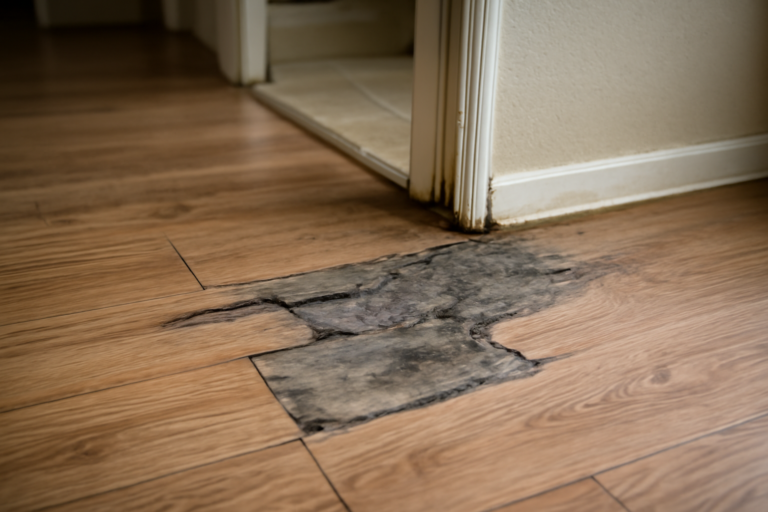
Warped or Soft Flooring
If your hardwood floors are starting to buckle, or carpet feels unusually soft or spongy, it’s a strong indicator of moisture trapped underneath. This can lead to rot and irreparable damage if not addressed promptly. You need to check for underlying moisture issues.
Visible Mold or Mildew
Any growth of black, green, or white fuzzy patches on surfaces is a clear sign of mold, which thrives in damp environments. This not only damages your property but also poses serious health risks to your congregation. Prompt remediation is essential for safety.
High Humidity Levels
If the air inside your church feels unusually damp or sticky, even when it’s not humid outside, it could mean your HVAC system is working overtime to combat internal moisture. This can be a sign of an undetected leak or poor ventilation, leading to future water problems.
Damaged or Leaking Pipes
Visible leaks from pipes, or even just damp spots around plumbing fixtures, are obvious indicators of a problem. These leaks can go unnoticed for a long time, causing extensive damage to surrounding structures. Don’t ignore obvious pipe leaks.
Church Water Damage Restoration vs. DIY: When To Call a Professional
| Situation | DIY? | Call a Pro? | Why |
|---|---|---|---|
| Small, contained spill on hard flooring with no visible damage | Yes, with towels and fans. | No, usually. | You can typically clean this up yourself without issue. |
| Water damage affecting drywall or insulation | No. | Yes. | These materials absorb water and require specialized drying to prevent mold and structural compromise. |
| Musty odors or visible mold growth | No. | Yes. | Mold remediation requires professional assessment and containment to ensure safety and thorough removal. |
| Overflow from a toilet or sewer line | Absolutely not. | Yes. | This is Category 3 water, highly contaminated and dangerous, requiring specialized cleanup and sanitization. |
| Water damage in the sanctuary or main worship area | No. | Yes. | These areas often have delicate finishes, historical elements, and high traffic, requiring careful, professional restoration. |
| Persistent dampness after initial cleanup | No. | Yes. | Hidden moisture requires advanced equipment for detection and drying to prevent long-term issues like rot and mold. |
While minor spills might be manageable on your own, anything involving structural materials, potential contamination, or widespread dampness is best left to the professionals. For churches, where sensitive materials and community well-being are paramount, calling a pro ensures a thorough and safe restoration.
Church Water Damage Restoration Cost in Acworth, GA
The cost for church water damage restoration in Acworth, GA, can vary significantly. Factors like the size of the affected area, the type of water involved (clean vs. contaminated), and the extent of structural damage all play a role. These figures are general estimates and a professional on-site inspection is needed for an accurate quote.
| Service | Typical Price Range | What Affects Cost |
|---|---|---|
| Water Extraction and Removal | $500 – $3,000 | Amount of water, size of the space, and accessibility. |
| Structural Drying and Dehumidification | $1,000 – $5,000+ | Duration of drying needed, size of affected area, and complexity of the building. |
| Cleaning and Sanitization | $300 – $2,000+ | Square footage, type of contaminants, and need for specialized treatments. |
| Mold Remediation | $1,000 – $10,000+ | Severity and spread of mold, containment needs, and type of materials affected. |
| Minor Reconstruction (e.g., drywall, trim) | $500 – $4,000+ | Amount of material needed, labor involved, and complexity of the repair. |
| Flooring Replacement (e.g., carpet, tile) | $400 – $3,000+ | Type of flooring, square footage, and subfloor condition. |
Understanding these costs helps, but the most important step is getting a free estimate from our team. We’ll provide a clear breakdown of what’s needed to restore your church, offering transparent pricing.
Service Areas Near Acworth, GA
Acworth, Allatoona, Marietta, Kennesaw, Woodstock, Cartersville, Dallas, Powder Springs, Hiram, Smyrna, Vinings, Austell, Douglasville, Lithia Springs, Canton, Roswell, Sandy Springs, Atlanta, Dunwoody, Johns Creek
Common Questions About Church Water Damage Restoration
What is the first thing I should do if my church experiences water damage?
The very first step is to stop the source of the water if it’s safe to do so, then call a professional restoration company immediately. The sooner we can start the drying process, the less damage will occur. We’ll guide you through the initial steps and dispatch a team to your location quickly, ensuring a prompt and effective response.
How long does church water damage restoration typically take?
The timeline varies greatly depending on the extent of the water damage. Minor issues might be resolved in a few days, while severe flooding could take weeks. Our goal is always to work efficiently to minimize disruption to your church’s schedule, but thorough drying and restoration are crucial for long-term results.
Is water damage restoration covered by church insurance?
In many cases, yes, especially if the damage is sudden and accidental, like from a burst pipe or storm damage. We work with insurance adjusters regularly and can help document the damage and process your claim, making it easier for you. We aim to provide clear documentation for your insurance claim process.
What are the health risks associated with church water damage?
The primary health risk is mold growth, which can cause respiratory problems, allergies, and other health issues for congregants and staff. Contaminated water can also pose immediate health hazards. Our team uses specialized equipment and procedures to ensure the environment is safe and healthy after restoration, focusing on preventing health risks.
Can I try to dry out the church myself using fans and dehumidifiers?
For very small, surface-level spills, you might be able to manage. However, for significant water damage, especially involving carpets, drywall, or hidden areas, DIY methods are usually insufficient. Professional equipment is far more powerful and necessary to dry materials completely and prevent mold, which is why we emphasize professional drying techniques.
Check Our Other Relevant Services
- Antimicrobial Treatment Services in Acworth, GA
- Black Water Damage Restoration (Category 3) in Acworth, GA

Jerry Johns is a licensed Damage Restoration Expert with over 20 years of hands-on experience helping homeowners and businesses navigate property crises. As a trusted authority in the field, Jerry combines technical precision with a compassionate approach to disaster recovery.
𝗖𝗲𝗿𝘁𝗶𝗳𝗶𝗰𝗮𝘁𝗶𝗼𝗻𝘀: Jerry holds multiple elite IICRC certifications, including Water Damage Restoration (WRT), Applied Microbial Remediation (Mold), Applied Structural Drying (ASD), Odor Control, and Fire and Smoke Restoration.
𝗙𝗮𝘃𝗼𝗿𝗶𝘁𝗲 𝗣𝗮𝘀𝘁𝗶𝗺𝗲: When he isn’t on a job site, Jerry is an avid outdoorsman who enjoys fly fishing and restoring vintage woodworking tools.
𝗕𝗲𝘀𝘁 𝗣𝗮𝗿𝘁 𝗼𝗳 𝘁𝗵𝗲 𝗝𝗼𝗯: Jerry finds the most fulfillment in seeing the relief on a client’s face when their property is finally restored to its pre-loss condition, turning a stressful disaster into a fresh start.