Trusted by 165+ Homeowners
Clean Water Damage Restoration (Category 1) in Duluth, GA
- Over 165 5-Star Reviews
- Free Estimates and Quotes
- 100% Satisfaction Guaranteed
- Child, Family & Pet Safe Steps
- 24-Hour Emergency Service
- Fully Licensed & Insured

When Clean Water Causes Concern: Your Guide to Category 1 Damage Restoration in Duluth, GA
Did you know that even seemingly minor clean water leaks can lead to serious structural issues if not addressed quickly? Studies show that up to 60% of water damage claims are related to slow leaks that go unnoticed for weeks. For homeowners in Duluth, GA, understanding the difference between a minor inconvenience and a potential disaster is key. Clean water damage, also known as Category 1, originates from a sanitary source but can quickly turn into a bigger problem if it sits stagnant. We’re here to help you tackle it effectively.
Our local crews have earned the trust of over 165 homeowners who’ve left us five-star reviews. They choose us because we focus on clear communication and efficient, thorough work for this specific type of water damage. You’ll find our approach is direct and practical. We understand you want your home back to normal, and we’re equipped to make that happen. We’re committed to providing reliable service right here in your neighborhood.
- We specialize in addressing the unique challenges of Category 1 water, ensuring your property is dried and restored safely.
- Our team works diligently to document all damage for your insurance claim, making the process smoother for you.
- We use advanced drying techniques to prevent secondary issues like mold growth, protecting your family’s health.
How Clean Water Damage Restoration (Category 1) Actually Works
Dealing with water damage can feel overwhelming, but a structured process makes all the difference. Our approach to Category 1 water damage is designed for efficiency and thoroughness. When corners are cut, you might see issues pop up later. That’s why we follow specific steps, from initial assessment to complete drying and restoration. We aim to handle your insurance claim smoothly, so you’re not burdened with extra paperwork or confusion. Let’s walk through what you can expect.
1. Emergency Water Extraction
The first step is always removing the standing water. We use powerful truck-mounted vacuums and submersible pumps to extract as much water as possible. This process can take anywhere from a few hours to a full day, depending on the volume of water. Prompt water removal is critical to prevent further saturation of your materials.
2. Structural Drying
Once the bulk of the water is gone, we set up specialized drying equipment. This includes high-speed air movers and dehumidifiers. These machines work around the clock to pull moisture out of the air and materials like drywall and flooring. This stage typically lasts 2-5 days, sometimes longer for affected subflooring or walls. Proper structural drying prevents long-term damage and mold.
3. Moisture Monitoring
Throughout the drying process, we use advanced moisture meters and thermal imaging cameras. These tools help us track the moisture content in different materials. We’ll ensure everything is drying evenly and reaches a safe, pre-loss moisture level. This detailed monitoring is essential for confirming the job is done right. Accurate moisture readings give you certainty.
4. Deodorizing and Sanitizing
Even clean water can leave behind odors and potential contaminants, especially if it sits for a while. We use EPA-approved antimicrobial treatments and deodorizers. This step neutralizes odors and helps prevent the growth of mold and bacteria. It’s a crucial part of restoring a healthy environment in your home. Thorough sanitization protects your family’s well-being.
5. Insurance Documentation and Claims Assistance
We understand that dealing with insurance is a major concern. Our team meticulously documents every phase of the restoration process. We take photos, maintain detailed logs of drying efforts, and provide clear reports. We’ll work directly with your insurance adjuster to ensure your claim is handled efficiently and accurately. Transparent claims support is a priority for us.
Don’t let water damage linger. Contact us immediately to start the restoration process and protect your home. Act fast to minimize damage and costs. We’re ready to help you get back to normal.

Warning Signs You Need Clean Water Damage Restoration (Category 1)
Catching water damage early can save you a lot of money and headaches. Ignoring small signs can lead to much bigger, more expensive problems down the line. We’ve seen it happen too many times. Pay attention to these subtle indicators around your property. They often signal that it’s time to call in the professionals for Category 1 water damage. Early detection saves money and prevents headaches.
Musty Odors That Won’t Go Away
A persistent damp or musty smell, especially in closets, basements, or behind furniture, is a strong indicator of hidden moisture. This smell often means water has been sitting where you can’t see it. Investigate unusual odors promptly.
Visible Water Stains on Walls or Ceilings
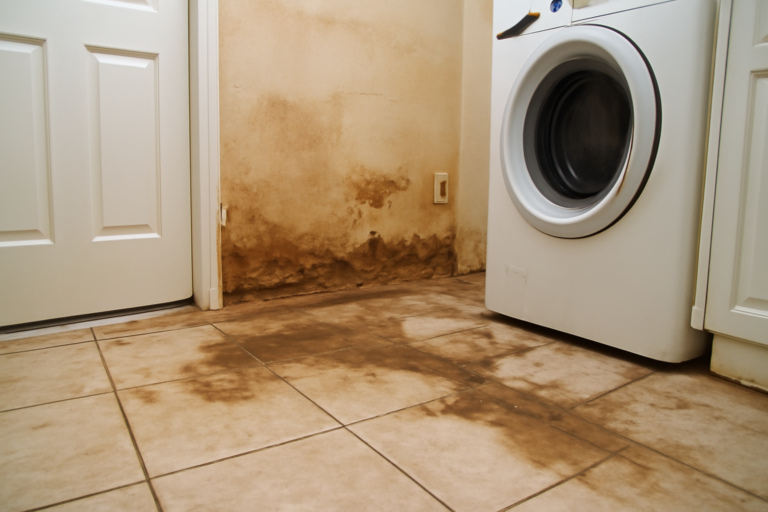
Yellow or brown rings or patches on your walls or ceiling are clear signs of water intrusion. These stains mean water has soaked through the surface. Address visible stains as soon as you notice them.
Peeling or Bubbling Paint and Wallpaper
Moisture trapped behind paint or wallpaper will cause it to lose its adhesion. You might see it peeling away from the wall or forming bubbles. This is a direct result of water damage. Check for peeling finishes.
Warped or Softened Drywall
Areas of drywall that feel soft to the touch or appear to be sagging are likely saturated with water. This indicates a significant moisture problem that needs immediate attention. Feel for soft spots in your walls.
Buckled or Discolored Flooring
Hardwood floors might warp or buckle, while carpet can become discolored and develop a musty smell. Vinyl or laminate can lift at the seams. Inspect your flooring for changes.
Increased Humidity Levels Indoors
If your home feels unusually humid, even with air conditioning running, there might be an unseen water source. High humidity can also lead to condensation on windows and surfaces. Monitor indoor humidity closely.
Clean Water Damage Restoration (Category 1) vs. DIY: When To Call a Professional
| Situation | DIY? | Call a Pro? | Why |
|---|---|---|---|
| Small spill on tile floor (less than 5 sq ft) | Yes | No | Easily wiped up and air-dried. |
| Leaky pipe under sink, water contained to cabinet | Yes, with caution | No | Can be dried with fans and dehumidifiers if caught immediately. |
| Water from a clean appliance overflow (e.g., washing machine) affecting a small area of carpet | Maybe | Yes | Carpet padding can hold significant moisture and lead to mold. |
| Water damage impacting drywall or ceiling material | No | Yes | These materials absorb water quickly and require specialized drying to prevent structural damage and mold. |
| Water damage affecting hardwood floors or subflooring | No | Yes | Requires professional drying to prevent warping, buckling, and long-term structural issues. |
| Any water that has sat for more than 24-48 hours | No | Yes | Risk of mold growth and secondary damage increases significantly. |
For anything beyond a minor, easily contained spill, calling a professional is usually the wisest choice. Our trained technicians have the equipment and expertise to ensure thorough drying and prevent future problems. Professional intervention safeguards your home’s integrity.
Clean Water Damage Restoration (Category 1) Cost In Duluth, GA
The cost of Category 1 water damage restoration in Duluth, GA, can vary widely. Factors like the size of the affected area, the type of materials damaged, and how quickly you address the issue all play a role. These price ranges are estimates to give you an idea. Accurate cost assessment requires an on-site inspection.
| Service | Typical Price Range | What Affects Cost |
|---|---|---|
| Water Extraction | $500 – $2,500 | Volume of water, accessibility of the area. |
| Structural Drying (Equipment Rental & Monitoring) | $1,500 – $5,000 | Size of affected space, duration of drying needed. |
| Antimicrobial Treatment & Deodorizing | $300 – $1,000 | Square footage treated, type of treatment used. |
| Minor Demolition & Material Removal (e.g., saturated drywall) | $200 – $800 per room | Extent of damage requiring removal. |
| Moisture Testing & Reporting | $300 – $700 | Complexity of the assessment, technology used. |
| Insurance Documentation & Claims Support | Included in overall service cost | Detailed record-keeping and communication efforts. |
These figures are general guidelines, and an exact quote will be provided after a thorough inspection of your property. We offer free estimates to help you understand the investment needed. Get a free estimate to know your specific costs.
Service Areas Near Duluth, GA
Norcross, Suwanee, Johns Creek, Peachtree Corners, Lilburn, Tucker, Lawrenceville, Snellville, Alpharetta, Sandy Springs, Doraville, Chamblee, Dunwoody, Buford, Canton, Cumming, Marietta, Roswell, Milton, Flowery Branch.
Common Questions About Clean Water Damage Restoration (Category 1)
What’s the difference between Category 1, 2, and 3 water damage?
Category 1 water is clean, meaning it originates from a sanitary source like a broken pipe or overflowing sink. Category 2 is “gray water,” which has some level of contamination (e.g., dishwasher or washing machine discharge). Category 3 is “black water,” which is heavily contaminated and unsanitary (e.g., sewage backup). Understanding this helps us use the right procedures for your specific situation. Proper classification is key for effective remediation.
How quickly do I need to address Category 1 water damage?
You should address Category 1 water damage immediately, ideally within 24 hours. While it’s clean water initially, stagnant water can quickly become a breeding ground for mold and bacteria within 48-72 hours. The longer water sits, the more damage it causes to porous materials like drywall, insulation, and wood. Swift action prevents mold and structural weakening.
Will my homeowner’s insurance cover Category 1 water damage?
Generally, homeowner’s insurance policies cover damage from sudden and accidental sources of clean water, such as a burst pipe or appliance malfunction. However, coverage typically does not extend to damage caused by neglect or poor maintenance, like a roof leak that’s been ignored for years. We work closely with your insurance provider to help document the damage and navigate your claim. Insurance claim assistance is a core part of our service.
How long does the drying process typically take?
The drying process for Category 1 water damage usually takes between 3 to 5 days, but it can extend to a week or more depending on the extent of saturation and the materials affected. We use advanced equipment like industrial dehumidifiers and air movers to accelerate drying. Our technicians will continuously monitor moisture levels to ensure your property is completely dry before we consider the job done. Consistent monitoring ensures a complete dry-out.
Can I just use fans and open windows to dry out my home?
For very minor spills on hard, non-porous surfaces, fans might help with evaporation. However, for significant water damage affecting carpets, padding, drywall, or subflooring, fans alone are insufficient. They don’t remove the moisture from the air effectively like professional dehumidifiers do. Without proper drying, hidden moisture can lead to mold growth and structural deterioration. Professional equipment is designed for deep drying.
Check Our Other Relevant Services
Serving Duluth, GA And Nearby Areas