Trusted by 165+ Homeowners
Clean Water Damage Restoration (Category 1) in Riverdale, GA
- Over 165 5-Star Reviews
- Free Estimates and Quotes
- 100% Satisfaction Guaranteed
- Child, Family & Pet Safe Steps
- 24-Hour Emergency Service
- Fully Licensed & Insured

Expert Clean Water Damage Restoration (Category 1) in Riverdale, GA
Did you know that even seemingly minor water leaks can affect over 200 square feet of your home within just 24 hours? That’s a significant amount of material, from drywall to flooring, potentially at risk. When you notice clean water from sources like a leaky pipe or a malfunctioning appliance, acting fast is crucial. Addressing clean water issues quickly prevents secondary damage like mold growth and structural weakening. We’re here to help you navigate this stressful situation with practical, straightforward support right here in Riverdale, GA.
Homeowners around the area have turned to us more than 165 times, leaving us over 165 five-star reviews. They choose us because we understand the urgency and the specifics of Category 1 water damage. You want a team that shows up promptly and knows exactly what to do to protect your property and your belongings. Getting your home dry is our top priority, and we do it efficiently. We’ve built a reputation for reliable service and clear communication.
- Rapid Drying and Dehumidification: We use specialized equipment to remove excess moisture from the air and building materials, preventing long-term issues and speeding up the recovery process.
- Meticulous Water Extraction: Our powerful extraction tools pull standing water from carpets, floors, and subfloors, minimizing saturation and reducing the risk of damage to your home’s structure.
- Insurance Claim Assistance: We work closely with your insurance company, providing detailed documentation and clear communication to help streamline your claim and ensure you receive the coverage you’re entitled to.
How Clean Water Damage Restoration (Category 1) Actually Works
The process for dealing with clean water damage is systematic and requires specific knowledge. It’s not just about mopping up; it’s about understanding how water penetrates materials and how to extract it completely and dry the affected areas thoroughly. Cutting corners can lead to serious problems down the line, like hidden mold or warped structures. Following a proven process ensures your home is safe and restored properly. We’ve developed our methods over years of hands-on experience in your neighborhood.
Initial Water Extraction
This is the first, critical step. Our crews use professional-grade water extractors to remove as much standing water as possible from your floors, carpets, and any saturated materials. This process typically takes a few hours, depending on the volume of water. Removing standing water quickly is key to limiting further damage.
Drying and Dehumidification
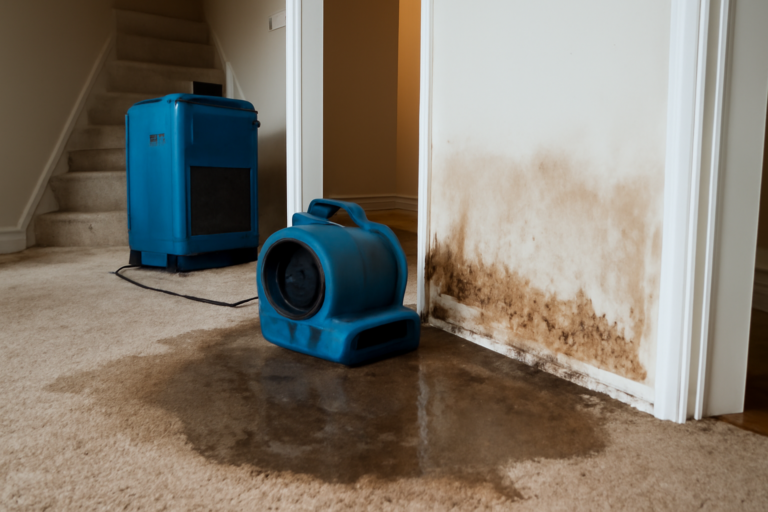
Once the bulk of the water is gone, we deploy air movers and dehumidifiers. These machines work tirelessly to pull moisture out of the air and building materials. This stage can take anywhere from 24 hours to several days, depending on the extent of the saturation and the type of materials affected. Proper drying methods prevent secondary damage.
Moisture Monitoring
Throughout the drying process, our technicians use specialized meters to measure moisture levels in walls, floors, and other materials. This ensures that everything is drying evenly and reaches safe, pre-loss moisture content. We don’t guess; we measure. Accurate moisture readings guarantee a complete dry-out.
Sanitization and Odor Control
Even clean water can leave behind contaminants. We use EPA-approved sanitizers to clean affected surfaces and eliminate any potential odors. This step is vital for ensuring your home is healthy and smells fresh again. Sanitizing affected areas is a non-negotiable part of the process.
Reconstruction and Reinstallation
Once everything is dry and sanitized, we begin the work of putting your home back together. This could involve reinstalling carpet, repairing drywall, or replacing baseboards. Our goal is to return your property to its pre-water-damage condition. Restoring your home involves careful attention to detail.
Don’t let clean water damage disrupt your life any longer. Contact us immediately for a swift and effective response. We’re ready to help get your home back to normal.

Warning Signs You Need Clean Water Damage Restoration (Category 1)
Catching the early signs of water intrusion is vital for preventing more extensive and costly repairs. Ignoring small issues can lead to significant structural damage and health concerns. Knowing what to look for empowers you to act quickly. Identifying water damage early saves you time and money.
Musty Odors That Won’t Go Away
A persistent, musty smell, even if you can’t see any visible water, is a strong indicator of hidden moisture. This is often a sign that water is trapped behind walls or under floors. Investigating strange odors is important.
Visible Water Stains or Discoloration
Look for any new or worsening water marks on ceilings, walls, or around windows and doors. These stains are a clear sign that water has penetrated the surface. Noticing water stains means it’s time to call for help.
Warped or Peeling Surfaces
Materials like drywall, wood flooring, or paint can warp, bubble, or peel when exposed to prolonged moisture. This indicates that the material has absorbed water and is starting to break down. Checking for warping is a good precaution.
Soft Spots or Spongy Flooring
If your carpets or flooring feel unusually soft or spongy when you walk on them, it’s likely due to water saturation underneath. This can compromise the integrity of your subfloor. Feeling soft spots indicates a problem.
Increased Humidity Levels
A sudden and noticeable increase in indoor humidity, even without visible leaks, can signal a hidden water issue. Your air might feel damp or clammy. Monitoring humidity levels can reveal hidden problems.
Sounds of Dripping or Running Water
Occasionally, you might hear faint dripping or running water when no plumbing fixtures are in use. This could indicate a slow leak in a pipe within walls or ceilings. Listening for unusual sounds can be a lifesaver.
Clean Water Damage Restoration (Category 1) vs. DIY: When To Call a Professional
| Situation | DIY? | Call a Pro? | Why |
|---|---|---|---|
| Small spill on tile floor (less than 5 sq ft) | Yes | No | Easily wiped up and air-dried. |
| Leaky faucet drip for a few hours | Yes | No | Minor saturation, typically dries quickly. |
| Water from a burst pipe affecting carpet and pad (over 10 sq ft) | No | Yes | Requires professional extraction and drying equipment. |
| Water from an overflowing toilet or sink | No | Yes | Potential for contamination and deeper saturation. |
| Water seeping into walls or subfloors | No | Yes | Hidden moisture requires specialized detection and drying. |
| Any water damage near electrical outlets or panels | No | Yes | Extreme safety hazard; requires immediate professional attention. |
While minor spills might seem manageable, any water damage that affects structural materials like drywall, subflooring, or insulation warrants professional attention. Professional water extraction and drying are essential for preventing long-term issues. Don’t risk hidden mold or structural compromise; call in the experts for significant water events.
Clean Water Damage Restoration (Category 1) Cost In Riverdale, GA
The cost of clean water damage restoration in Riverdale, GA, can vary widely based on the amount of water, the size of the affected area, and the types of materials that have absorbed moisture. These figures are estimates to give you an idea. Understanding restoration costs helps with budgeting and insurance discussions.
| Service | Typical Price Range | What Affects Cost |
|---|---|---|
| Water Extraction and Removal | $500 – $2,500 | Volume of water, accessibility of the area, and square footage. |
| Dehumidification and Air Moving | $300 – $1,500 (daily/weekly) | Number of units needed, duration of drying period, and humidity levels. |
| Moisture Monitoring and Assessment | $200 – $700 | Complexity of the affected structure and need for specialized meters. |
| Sanitization and Odor Treatment | $250 – $1,000 | Size of the treated area and type of sanitizing agents used. |
| Minor Repairs (e.g., drywall patching) | $400 – $2,000 | Amount of material replacement and labor involved. |
| Carpet and Pad Replacement | $500 – $3,000+ | Square footage, quality of carpet, and underlayment needed. |
The final cost will always depend on a thorough on-site assessment by our team. We offer free estimates so you know exactly what to expect before any work begins. Getting a free estimate is the first step to resolving your water damage issue.
Service Areas Near Riverdale, GA
Forest Park, Jonesboro, Morrow, Stockbridge, Hampton, Lovejoy, Lithonia, Decatur, Atlanta, Chamblee, Doraville, Dunwoody, Sandy Springs, Roswell, Marietta, Smyrna, Kennesaw, Acworth, Cartersville, Dallas
Common Questions About Clean Water Damage Restoration (Category 1)
How quickly do I need to address clean water damage?
You should address clean water damage as soon as possible. Even Category 1 water can become a more hazardous Category 2 or 3 if left untreated for more than 48 hours, as bacteria can multiply. Swift action prevents further contamination and damage. Our team is available to respond quickly to your needs.
Will my homeowner’s insurance cover clean water damage restoration?
Generally, homeowner’s insurance policies cover damage caused by sudden and accidental events, which often includes clean water leaks from burst pipes or appliance malfunctions. However, coverage can depend on your specific policy and the cause of the water damage. Understanding your insurance is important. We work with most major insurance providers and can help document the damage for your claim.
How long does the drying process typically take?
The drying process can take anywhere from 24 hours to several days, sometimes even longer. It depends on how much water was involved, what materials are saturated (e.g., hardwood floors take longer than carpet), and the ambient humidity. Consistent drying is key to avoiding mold. Our technicians monitor the process closely to ensure optimal results.
Is there a risk of mold developing from clean water damage?
Yes, even clean water can lead to mold growth if surfaces and materials are not dried completely within 24-48 hours. Mold spores are present everywhere, and they only need moisture and a food source (like wood or drywall) to thrive. Preventing mold growth is a major goal of our restoration process. We use specialized equipment and techniques to ensure thorough drying.
What equipment do you use for water extraction and drying?
We utilize high-powered truck-mounted or portable water extractors to remove standing water efficiently. For drying, we deploy industrial-strength air movers to circulate air and specialized dehumidifiers to remove moisture from the air and building materials. Advanced drying equipment accelerates the process and ensures complete moisture removal. Our technicians are trained in the proper placement and operation of this equipment.
Check Our Other Relevant Services

Jerry Johns is a licensed Damage Restoration Expert with over 20 years of hands-on experience helping homeowners and businesses navigate property crises. As a trusted authority in the field, Jerry combines technical precision with a compassionate approach to disaster recovery.
𝗖𝗲𝗿𝘁𝗶𝗳𝗶𝗰𝗮𝘁𝗶𝗼𝗻𝘀: Jerry holds multiple elite IICRC certifications, including Water Damage Restoration (WRT), Applied Microbial Remediation (Mold), Applied Structural Drying (ASD), Odor Control, and Fire and Smoke Restoration.
𝗙𝗮𝘃𝗼𝗿𝗶𝘁𝗲 𝗣𝗮𝘀𝘁𝗶𝗺𝗲: When he isn’t on a job site, Jerry is an avid outdoorsman who enjoys fly fishing and restoring vintage woodworking tools.
𝗕𝗲𝘀𝘁 𝗣𝗮𝗿𝘁 𝗼𝗳 𝘁𝗵𝗲 𝗝𝗼𝗯: Jerry finds the most fulfillment in seeing the relief on a client’s face when their property is finally restored to its pre-loss condition, turning a stressful disaster into a fresh start.