Trusted by 165+ Homeowners
Clogged Drain Water Damage Restoration in Douglasville, GA
- Over 165 5-Star Reviews
- Free Estimates and Quotes
- 100% Satisfaction Guaranteed
- Child, Family & Pet Safe Steps
- 24-Hour Emergency Service
- Fully Licensed & Insured

When Your Drains Back Up: Clogged Drain Water Damage Restoration in Douglasville, GA
You turn on the faucet for a quick wash, only to hear that sickening gurgle. Then, water starts rising, not draining, and spreading across your floor. It’s a messy, stressful situation, and you’re probably wondering how bad the damage is and what to do next. This isn’t just a little spill; it’s water from your plumbing system, potentially carrying contaminants, spreading under baseboards, and seeping into your subflooring. You need immediate, expert help to deal with this specific type of water damage right away. Acting fast is key to preventing long-term structural issues and mold growth.
Homeowners around here trust us when their drains back up because we understand the urgency and the specific challenges this kind of water damage presents. We’ve helped neighbors recover from these unexpected events, earning over 165 five-star reviews for our focused approach. When you’re dealing with water from a clogged drain, you want a team that knows exactly how to tackle it, preventing further problems. We’re committed to providing reliable, effective service when you need it most.
- We use specialized equipment to quickly extract water from floors and walls, targeting the exact areas affected by the drain backup.
- Our team focuses on thorough drying and dehumidification, preventing secondary damage like mold and rot that can develop from hidden moisture.
- We’re equipped to handle the unique challenges of plumbing-related water, ensuring your home is restored safely and effectively.
The Technical Approach to Clogged Drain Water Damage Restoration
Dealing with water from a clogged drain requires more than just mopping up. It demands a systematic, scientific approach to ensure all moisture is removed and your home is truly dry. Cutting corners here can lead to serious problems down the road, like compromised building materials and unhealthy air quality. Our crews are trained to identify the full extent of the water intrusion, even in places you can’t see, using advanced tools to measure moisture levels precisely. We follow strict protocols to restore your property safely and efficiently, giving you confidence in the results.
1. Immediate Water Extraction
The first step is to remove standing water as quickly as possible. We use powerful truck-mounted or portable extraction units designed to pull water out of carpets, padding, and subfloors. This process is crucial for limiting the spread of damage and reducing the time materials remain saturated. Fast water removal minimizes saturation and helps prevent further damage.
2. Content Protection and Removal
While we extract water, we also assess your belongings. We’ll carefully move or protect furniture and personal items that are in the path of the water. Sometimes, items need to be taken to our facility for specialized drying and cleaning. Your belongings are important, and we treat them with care.
3. Structural Drying and Dehumidification
Once the bulk of the water is gone, we set up industrial-grade air movers and dehumidifiers. These machines work together to accelerate the evaporation process, pulling moisture out of the air and building materials. We carefully monitor humidity levels and use specialized equipment to ensure materials like drywall and wood are dried to safe, pre-loss conditions. This stage is vital for preventing mold growth and structural weakening.
4. Moisture Detection and Monitoring
We don’t guess; we measure. Our technicians use advanced moisture meters and thermal imaging cameras to detect hidden moisture in walls, floors, and ceilings. This ensures we address all affected areas, even those not immediately visible. Accurate moisture readings are critical for a complete drying job.
5. Cleaning and Sanitization
Water from clogged drains can contain bacteria and other contaminants. After drying, we thoroughly clean and sanitize all affected surfaces to eliminate odors and prevent unsanitary conditions. This step is essential for ensuring a healthy living environment. We use EPA-approved cleaning agents to sanitize effectively.
Don’t let a clogged drain turn into a major headache. Call us now to start the drying process immediately and protect your home. We’re ready to deploy our crews to your property today.

Warning Signs You Need Clogged Drain Water Damage Restoration
Catching the signs of water damage early is your best defense against more extensive and costly repairs. Ignoring these indicators can allow moisture to spread unseen, leading to structural issues, mold, and unhealthy air. Being aware of what to look for is the first step in protecting your home and your family’s well-being. Keep an eye out for these common signals of trouble.
Musty Odors That Won’t Go Away
A persistent, unpleasant smell, often described as damp or mildewy, is a strong indicator of hidden moisture. This odor usually comes from areas where water has been trapped and is starting to promote microbial growth. Don’t dismiss persistent musty smells; they signal an underlying problem.
Visible Water Stains or Discoloration
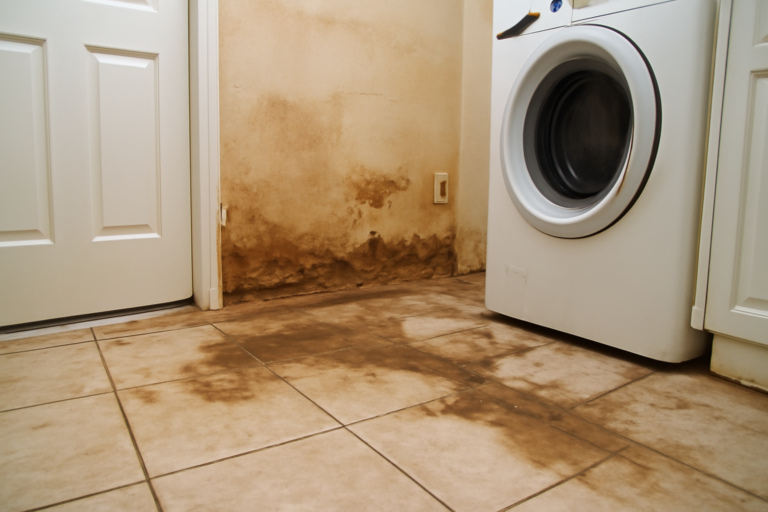
Look for dark spots or rings on ceilings, walls, or floors. These stains are clear visual evidence that water has saturated the material. The size and color of the stain can give clues about the extent of the water intrusion. Water stains are a red flag that needs immediate attention.
Soft or Warped Flooring Materials
If your hardwood floors feel soft, spongy, or look warped, it means the subfloor beneath them is likely saturated. Vinyl or laminate flooring can also lift or buckle when exposed to prolonged moisture. This is a sign of significant water damage that needs professional assessment. Warped flooring indicates deep saturation.
Peeling or Bubbling Paint and Wallpaper
Moisture trapped behind paint or wallpaper can cause it to lose its adhesion, leading to peeling or bubbling. This is especially common around baseboards or near plumbing fixtures. It shows that water is getting into the wall structure. Bubbling paint signals moisture intrusion.
Sagging Ceilings or Walls
In severe cases, water saturation can cause drywall or plaster to become heavy and sag. This is a serious structural concern that requires immediate attention to prevent collapse. If you see any signs of sagging, call for help right away. Sagging structures are a critical warning.
Unexplained Dampness on Surfaces
If you notice areas of your walls, floors, or ceilings feel unusually damp to the touch, even if there’s no visible leak, it’s a cause for concern. This could mean water is seeping from a clogged drain or pipe behind the surface. Always investigate unexplained damp spots.
Clogged Drain Water Damage Restoration vs. DIY: When To Call a Professional
| Situation | DIY? | Call a Pro? | Why |
|---|---|---|---|
| Minor splash around sink during use | Yes | No | Typically dries quickly on its own, no special equipment needed. |
| Water pooling around toilet base after flushing | No | Yes | Potential sewer line issues require specialized tools and safety protocols. |
| Slow draining sink or tub with no standing water | Maybe | Yes | Could indicate a buildup that might worsen; professional cleaning prevents future backups. |
| Standing water covering more than a few square feet of floor | No | Yes | Requires powerful extraction equipment and controlled drying to prevent mold. |
| Water has seeped into walls or under cabinets | No | Yes | Hidden moisture is a breeding ground for mold; professional detection and drying are essential. |
| Water smells foul or looks discolored | No | Yes | Contaminated water poses health risks; professional sanitization is required. |
For anything beyond a minor splash, it’s almost always best to call a professional. DIY efforts often can’t remove all the moisture or properly sanitize the affected areas. Trusting our team ensures the job is done right, preventing future headaches and health concerns.
Clogged Drain Water Damage Restoration Cost In Douglasville, GA
The cost of addressing water damage from a clogged drain in Douglasville, GA, can vary significantly. Factors like the extent of the water spread, the type of materials affected (carpet, hardwood, drywall), and how quickly you address the issue all play a role. These figures are general estimates for services in the area, not exact quotes.
| Service | Typical Price Range | What Affects Cost |
|---|---|---|
| Water Extraction (up to 500 sq ft) | $500 – $1,500 | The amount of standing water and the type of flooring dictate extraction time and equipment needs. |
| Structural Drying & Dehumidification | $750 – $3,000+ | The size of the affected area and the materials needing drying (e.g., subfloor vs. just carpet) influence duration and equipment usage. |
| Moisture Monitoring & Assessment | $200 – $600 | The complexity of the structure and the number of areas requiring detailed moisture readings impact this cost. |
| Cleaning & Sanitization | $300 – $1,000 | The square footage needing treatment and the type of sanitizing agents required affect the final price. |
| Contents Cleaning & Restoration | Varies (per item) | The number of items needing attention and the complexity of their restoration determine the cost. |
| Mold Remediation (if necessary) | $1,000 – $5,000+ | The severity and spread of mold growth are the primary drivers of remediation costs. |
An accurate estimate requires an on-site assessment by our trained technicians. We offer free, no-obligation assessments to provide you with a clear understanding of the scope and cost for your specific situation.
Service Areas Near Douglasville, GA
Austell, Lithia Springs, Mableton, Powder Springs, Smyrna, Atlanta, Marietta, Kennesaw, Hiram, Dallas, Villa Rica, Carrollton, Palmetto, Fairburn, Union City, Jonesboro, Peachtree City, Fayetteville, Newnan, Douglasville.
Common Questions About Clogged Drain Water Damage Restoration
What should I do immediately after a clogged drain causes water damage?
First, if possible and safe to do so, try to stop the source of the water if it’s an active overflow. Then, safely remove standing water using buckets or towels if it’s a small amount, but avoid spreading it further. Document the damage with photos for insurance purposes. For significant water, your priority is to call a professional restoration team immediately to begin the critical drying process.
How long does it take to dry out a home after clogged drain water damage?
The drying process typically takes anywhere from 24 hours to a week or more, depending on the severity of the water damage, the materials affected, and the drying conditions. Our team uses advanced equipment to accelerate drying, but it’s essential to allow materials to dry completely to prevent future issues. We constantly monitor moisture levels to ensure proper structural drying.
Is the water from a clogged drain dangerous?
Yes, water from a clogged drain, especially from toilets or kitchen sinks, can be considered contaminated. It may contain bacteria, viruses, and other pathogens. It’s crucial to avoid direct contact with this water and to have professionals handle the cleanup and sanitization. We use EPA-approved disinfectants to ensure your home is safe.
Will my homeowner’s insurance cover clogged drain water damage?
Coverage varies by policy. Many policies cover sudden and accidental water damage from plumbing issues, but not necessarily slow leaks or maintenance issues. It’s best to check your policy or contact your insurance provider to understand your specific coverage. We can work directly with your insurance adjuster to streamline the claims process for you.
How can I prevent future clogged drain water damage?
Regular maintenance is key. Avoid pouring grease or coffee grounds down drains, use drain strainers, and consider periodic professional drain cleaning. If you notice slow drains, address them promptly before they become a bigger problem. Simple habits can prevent costly water damage emergencies.
Check Our Other Relevant Services
Serving Douglasville, GA And Nearby Areas