Trusted by 165+ Homeowners
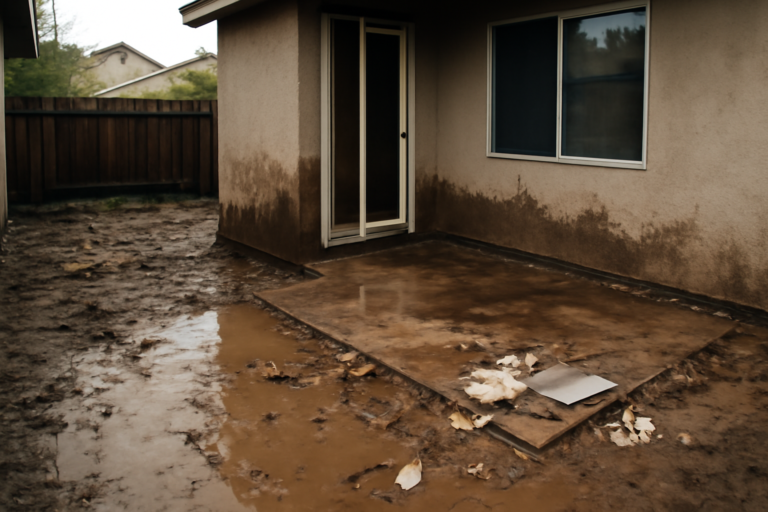
Clogged Drain Water Damage Restoration in Lilburn, GA
- Over 165 5-Star Reviews
- Free Estimates and Quotes
- 100% Satisfaction Guaranteed
- Child, Family & Pet Safe Steps
- 24-Hour Emergency Service
- Fully Licensed & Insured

When Your Drains Back Up, We Handle the Flood
Dealing with a clogged drain that’s caused flooding in your home is a stressful situation, especially around here. We’ve seen everything from overflowing toilets in historic homes to main sewer line backups flooding basements in newer constructions. Our team knows exactly what it takes to tackle the mess that comes from a backed-up drain, protecting your property from further damage. You need a team that understands the unique challenges of water damage from plumbing issues. We bring proven expertise to every job, ensuring your home is dried and restored properly.
With over 165 five-star reviews from homeowners in your neighborhood, it’s clear why people trust us when their drains fail. They choose us because we don’t just clean up the water; we address the source of the problem and prevent future issues. Our commitment to thoroughness means you can feel confident that the job is done right. We focus on getting your life back to normal quickly and efficiently, handling the messy work so you don’t have to.
- We use advanced equipment to pinpoint the exact location of drain clogs and the extent of water intrusion, ensuring no hidden moisture is left behind.
- Our IICRC-certified technicians are trained in the latest drying and sanitization techniques specifically for water damage caused by sewage and contaminated water.
- We work directly with your insurance company, simplifying the claims process and helping you understand your coverage for clogged drain water damage.
How We Tackle Clogged Drain Water Damage
When a clogged drain causes water damage, it’s not just about mopping up. It’s about understanding that this water can be contaminated and poses health risks. A hurried or incomplete cleanup can lead to mold growth and structural damage weeks or months later. That’s why our process is designed to be meticulous and effective, ensuring we address every aspect of the problem. We’ve developed a system that reliably restores your home after a drain emergency. Trust our detailed approach to give you the best possible outcome.
Initial Water Extraction
The first step is always to remove standing water as quickly as possible. We use powerful truck-mounted extraction units to remove hundreds of gallons of water per hour. This rapid removal is crucial to minimize structural absorption and prevent further decay. This phase typically takes a few hours, depending on the amount of water.
Damage Assessment and Containment
Once the bulk of the water is gone, our technicians conduct a thorough assessment. We identify all affected materials, from drywall and flooring to insulation and furniture. Then, we set up containment barriers to prevent any remaining moisture or potential contaminants from spreading to unaffected areas of your home. This step is vital for protecting your healthy living spaces and is usually completed within a few hours.
Drying and Dehumidification
This is where the real work of restoration begins. We deploy specialized drying equipment, including high-velocity air movers and industrial dehumidifiers. These machines work together to systematically lower the moisture content in the air and materials, accelerating the drying process and preventing mold. This phase can take several days, sometimes up to a week, depending on the severity of the water damage and building materials. We monitor humidity levels closely throughout this process.
Sanitization and Odor Control
Water from clogged drains, especially sewer lines, can carry bacteria and pathogens. We use EPA-approved antimicrobial treatments to sanitize all affected surfaces, ensuring your home is safe and healthy. We also address any lingering odors, leaving your home smelling fresh. This critical step helps prevent long-term health risks and is completed once the drying process is well underway.
Reconstruction and Rebuilding
After your home is completely dry and sanitized, we begin the reconstruction phase. This might involve replacing drywall, installing new flooring, or repairing damaged cabinetry. Our goal is to return your home to its pre-loss condition, or even better. We aim for restoring your comfort and safety throughout this final stage.
Don’t let a clogged drain ruin your home. Call us immediately if you suspect water damage from a plumbing backup. We’re ready to help you through this difficult time.

Warning Signs You Need Clogged Drain Water Damage Restoration
Catching these signs early can save you a lot of money and prevent much bigger problems down the line. Ignoring them often leads to more extensive, costly repairs. Our team is trained to spot these issues, but being aware yourself is the first step toward protecting your property. Early detection saves homes from severe damage.
Musty Odors That Won’t Go Away
If you notice a persistent damp or musty smell, especially in basements, bathrooms, or near drains, it’s a strong indicator of hidden moisture. This odor is often caused by mold and mildew growing behind walls or under floors. Addressing these smells promptly is key to preventing mold infestations.
Visible Water Stains or Damp Spots
Any new water stains on ceilings, walls, or floors are a clear sign of a leak or overflow. Even small, damp spots can mean a significant amount of water is seeping into your home’s structure. Investigate these spots immediately to find the source of the problem.
Slow Draining Fixtures
When sinks, tubs, or toilets start draining slowly, it usually means a clog is forming in your pipes. If this clog is severe enough, it can cause water to back up into other areas of your home. Don’t ignore sluggish drains; they can be an early warning.
Gurgling Sounds From Drains
Strange gurgling noises coming from your drains when you use water elsewhere, or even when you don’t, indicate air or water is being forced through a partial blockage. This is a sign of potential backflow. Listen for unusual plumbing sounds as a warning.
Sewage Backflow
The most obvious and alarming sign is when sewage or wastewater visibly backs up into your sinks, tubs, or toilets. This is a serious health hazard and requires immediate professional attention. Sewage backups demand urgent action to protect your family’s health.
Increased Humidity Levels
If your home feels unusually humid, even with air conditioning running, it could be due to hidden water leaks or inadequate drying after a previous incident. High humidity encourages mold growth. Monitor your home’s humidity for subtle changes.
Clogged Drain Water Damage Restoration vs. DIY: When To Call a Professional
| Situation | DIY? | Call a Pro? | Why |
|---|---|---|---|
| Minor sink overflow, water on floor | Yes, with towels and mops | Yes, if water is extensive or near electronics | DIY is fine for small, contained spills, but professionals ensure complete drying. |
| Toilet overflow with clean water | Yes, for immediate cleanup | Yes, if overflow is significant or repeats | Toilet water can be unsanitary; professionals can disinfect and dry thoroughly. |
| Main sewer line backup | Absolutely Not | Yes, immediately | Sewage is hazardous. Professionals have specialized equipment and safety protocols. |
| Water seeping from basement floor drain | No | Yes, immediately | This often indicates a major pipe issue and potential contamination. |
| Persistent damp spots or musty odors | No | Yes | Hidden moisture and mold require professional detection and remediation. |
| Water damage near electrical outlets or appliances | No | Yes, immediately | Electrical hazards make DIY drying extremely dangerous. |
For anything beyond a very minor, contained spill, calling a professional for clogged drain water damage restoration is the safest and most effective route. Professionals have the tools and training to handle contaminated water and ensure your home is truly dry and safe. They also manage the complex process of restoration and dealing with insurance.
Clogged Drain Water Damage Restoration Cost In Lilburn, GA
The cost of restoring water damage from a clogged drain in Lilburn, GA, can vary significantly. Factors like the size of the affected area, the type of materials damaged, and the extent of contamination all play a role. These estimates are meant to give you a general idea, not a firm quote. Your specific situation determines the final cost.
| Service | Typical Price Range | What Affects Cost |
|---|---|---|
| Water Extraction | $500 – $2,500 | Amount of water, size of affected area, accessibility. |
| Drying and Dehumidification | $1,000 – $5,000+ | Duration of drying needed, number of machines used, size of space. |
| Sanitization and Odor Removal | $300 – $1,500 | Severity of contamination, size of area treated, specific treatments required. |
| Mold Remediation (if needed) | $500 – $5,000+ | Amount of mold, type of surfaces affected, complexity of removal. |
| Minor Reconstruction (e.g., drywall, flooring) | $1,000 – $10,000+ | Extent of structural damage, materials needed for repair, labor involved. |
| Plumbing Inspection/Clog Removal | $200 – $1,000 | Complexity of clog, type of pipe, whether snaking or hydro-jetting is needed. |
Getting an accurate estimate requires an on-site assessment by our trained technicians. We offer free, no-obligation estimates so you know exactly what to expect before any work begins.
Service Areas Near Lilburn, GA
Atlanta, Norcross, Tucker, Stone Mountain, Duluth, Lawrenceville, Suwanee, Chamblee, Doraville, Scottdale, Clarkston, Decatur, Avondale Estates, Pine Lake, Snellville, Lilburn, GA, Johns Creek, Sandy Springs, Marietta, Alpharetta
Common Questions About Clogged Drain Water Damage Restoration
What should I do immediately after a clogged drain causes flooding?
First, try to stop the source of the water if possible, like turning off the main water valve if a toilet or sink is overflowing uncontrollably. Then, safely move any valuables out of the affected area. Call us immediately; the sooner we start the extraction and drying process, the less damage your home will sustain. We’ll guide you through the next steps.
How long does it take to restore water damage from a clogged drain?
The timeline depends heavily on the extent of the water damage. Basic water extraction and initial drying might take 24-48 hours. However, a full drying process, including dehumidification, can take anywhere from 3 to 10 days or even longer for severe saturation. Our goal is efficient restoration, but we never rush the critical drying phase.
Is water from a clogged drain dangerous?
Yes, water from clogged drains, especially sewer line backups, is considered black water and is hazardous. It can contain bacteria, viruses, and other pathogens that pose serious health risks. Our technicians wear protective gear and use specialized disinfectants and antimicrobial treatments to ensure your home is safely sanitized.
What kind of equipment do you use to dry my home?
We use a combination of powerful, truck-mounted water extractors for initial cleanup, followed by industrial-grade air movers and dehumidifiers. We might also use specialized equipment like LGR (Low-Grain-Refrigerant) dehumidifiers and air scrubbers to remove airborne contaminants. Our advanced equipment accelerates drying and ensures all moisture is removed from materials.
How can I prevent future clogged drain water damage?
Regular maintenance is key. Avoid pouring grease or coffee grounds down drains, use drain strainers, and consider periodic professional drain cleaning, especially for main sewer lines. Preventative measures save you stress and money in the long run. If you notice slow drains, address them promptly before they become a bigger problem.
Check Our Other Relevant Services
Serving Lilburn, GA And Nearby Areas