Trusted by 165+ Homeowners
Concrete Water Damage Restoration in Austell, GA
- Over 165 5-Star Reviews
- Free Estimates and Quotes
- 100% Satisfaction Guaranteed
- Child, Family & Pet Safe Steps
- 24-Hour Emergency Service
- Fully Licensed & Insured

Expert Concrete Water Damage Restoration in Austell, GA
Here in Austell, GA, we know how quickly a heavy rain can turn into a real headache. Those sudden downpours, sometimes combined with our humid summers, can really put your home’s concrete to the test. When water finds its way into your concrete slabs, foundations, or driveways, it doesn’t just sit there. It can cause significant structural issues and lead to a cascade of problems if not handled properly. You might be noticing uneven surfaces or even cracks appearing where they shouldn’t be, and that’s often the first sign that water has done more than just make things wet.
We’ve helped hundreds of homeowners in your neighborhood deal with this exact problem. Our local reputation is built on getting the job done right, the first time. With over 165 five-star reviews from folks just like you, we understand the local challenges and how to tackle them effectively. When you choose our team, you’re choosing experienced professionals dedicated to restoring your property and preventing future damage, ensuring long-term peace of mind.
- We specialize in identifying the source of water intrusion into concrete, preventing recurring issues and protecting your home’s foundation.
- Our advanced drying and dehumidification techniques remove hidden moisture from concrete, preventing mold growth and further deterioration.
- We offer targeted concrete repair and sealing services to restore structural integrity and make your surfaces water-resistant again.
How Concrete Water Damage Restoration Works
Dealing with water in your concrete isn’t like mopping up a spill on your kitchen floor. It requires a specific approach to ensure all the moisture is gone and the concrete itself is stabilized. When water gets into concrete, it can weaken the material, cause expansion and contraction, and create pathways for other problems like mold or pest infestations. Our team follows a meticulous process designed to address every aspect of concrete water damage, from initial assessment to final restoration, so you can be sure the job is done right and future problems are avoided.
1. Initial Assessment and Water Source Identification
The first step is always a thorough inspection. We need to understand exactly how much water has infiltrated your concrete and, more importantly, where it’s coming from. This involves using specialized moisture meters and visual inspection techniques to pinpoint the origin, whether it’s a plumbing leak, poor drainage, or hydrostatic pressure. Identifying the root cause of the water intrusion is crucial for effective restoration and preventing recurrence.
2. Water Extraction and Drying
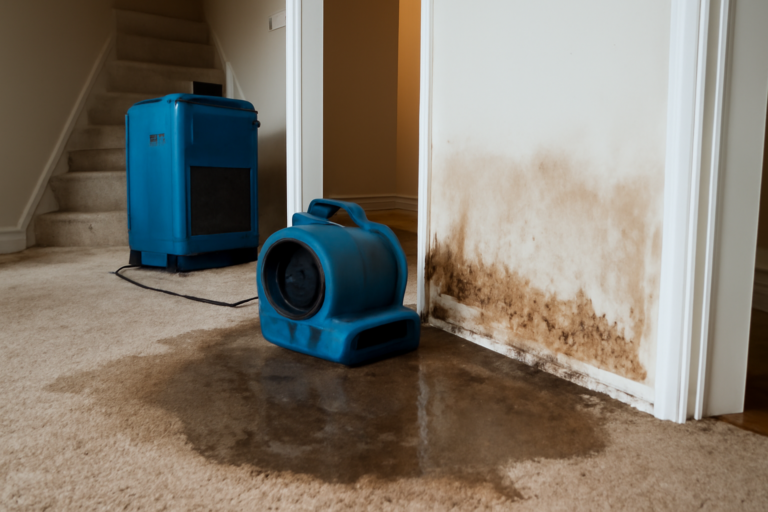
Once we know the extent of the water damage, our crews get to work removing standing water. We use powerful extraction equipment to pull out as much water as possible from the concrete and surrounding areas. Following extraction, we set up industrial-grade dehumidifiers and air movers. These machines work tirelessly to dry out the concrete and the air, lowering humidity levels and preventing secondary moisture damage like mold growth.
3. Moisture Detection and Monitoring
Drying concrete isn’t just about surface moisture. We use advanced moisture detection tools to check deep within the concrete and surrounding structures. Our technicians will continue to monitor moisture levels throughout the drying process to ensure that all hidden dampness is eliminated. This meticulous approach guarantees that your concrete is completely dry, creating a safe and stable environment.
4. Concrete Damage Assessment and Repair
After drying, we assess any damage done to the concrete itself. This might include cracks, spalling, or weakened areas. Depending on the severity, we’ll recommend and perform necessary repairs, such as patching, crack injection, or resurfacing. Our goal is to restore the structural integrity of your concrete, making it as good as new, or even better.
5. Sealing and Protective Measures
To prevent future water intrusion, we often recommend sealing the concrete. We use high-quality sealants that create a barrier against moisture. This final step is vital for protecting your investment and ensuring that your concrete surfaces can withstand the elements. It’s about providing a lasting defense against water.
Don’t let water damage compromise your concrete. Contact our team today for a detailed assessment and a plan to restore your property. We’ll help you get your concrete back in shape and protect your home for the future.

Warning Signs You Need Concrete Water Damage Restoration
Catching concrete water damage early can save you a lot of time, money, and stress. Often, the signs are subtle at first, but they’re your home’s way of telling you something’s wrong. Paying attention to these indicators means you can address the problem before it becomes a major structural concern.
Musty Odors That Won’t Go Away
If you notice a persistent damp, musty smell, especially around your basement or foundation areas, it’s a strong indicator of moisture. This smell often comes from mold or mildew growing in damp concrete or hidden spaces. Don’t ignore persistent unpleasant odors; they signal a hidden problem.
Visible Water Stains or Efflorescence
Water stains on concrete walls or floors are an obvious sign of water intrusion. You might also see white, powdery deposits on the surface of the concrete, known as efflorescence. This is a mineral deposit left behind as water evaporates, indicating that water is actively seeping through the concrete.
Cracks and Crumbling Concrete
Water can freeze and expand within concrete pores, causing it to crack and crumble over time. Even without freezing, continuous moisture can weaken the concrete matrix. Watch out for new or widening cracks, especially those that seem to be spreading.
Uneven or Sagging Concrete Surfaces
In areas like patios, driveways, or basement floors, water can erode the soil beneath the concrete slab. This erosion can lead to the concrete settling or sagging, creating uneven surfaces. If you notice your concrete is no longer level, it’s a sign of underlying water issues.
Peeling or Bubbling Paint/Sealant
Moisture trapped beneath paint or sealant on concrete surfaces will eventually cause them to peel or bubble. This indicates that water is getting behind the protective layer. This is a clear sign of moisture pushing outwards from within the concrete.
Increased Humidity Levels
A sudden or persistent increase in humidity within your home, especially in lower levels, can be linked to water seeping into concrete foundations. This can make your home feel clammy and uncomfortable. High indoor humidity can also encourage mold and mildew growth.
Concrete Water Damage Restoration vs. DIY: When To Call a Professional
| Situation | DIY? | Call a Pro? | Why |
|---|---|---|---|
| Minor surface dampness on an outdoor patio after a light rain | Yes | No | Usually dries on its own; monitor for recurrence. |
| Small hairline cracks on a driveway that aren’t spreading | Yes | No | Can often be filled with DIY crack filler for cosmetic purposes. |
| Persistent musty odor in the basement with no visible leaks | No | Yes | Hidden moisture and potential mold require professional detection and drying equipment. |
| Water pooling around the foundation after heavy rain | No | Yes | Indicates drainage issues or hydrostatic pressure that needs expert assessment and correction. |
| Visible efflorescence or white powdery residue on basement walls | No | Yes | Suggests significant water intrusion that requires professional assessment to prevent structural damage. |
| Cracks larger than 1/4 inch or crumbling concrete in foundation walls | No | Yes | These are serious structural concerns requiring immediate professional attention. |
| Water seeping into a finished basement area, causing damage to walls or flooring | No | Yes | Requires specialized extraction, drying, and potential structural repair beyond typical DIY capabilities. |
While minor surface dampness might be manageable with DIY efforts, any sign of persistent moisture, structural compromise, or hidden water intrusion into your concrete warrants professional attention. Our team has the specialized equipment and expertise to accurately diagnose and effectively treat concrete water damage, ensuring your home is protected.
Concrete Water Damage Restoration Cost In Austell, GA
The cost of concrete water damage restoration in Austell, GA, can vary significantly. Factors like the extent of the water intrusion, the size of the affected concrete area, and the specific type of damage all play a role. These prices are general estimates, and an on-site inspection is always needed for an accurate quote.
| Service | Typical Price Range | What Affects Cost |
|---|---|---|
| Moisture Assessment and Testing | $250 – $750 | The complexity of the area and the number of tests needed. |
| Water Extraction (Slab/Concrete) | $500 – $2,000 | Volume of water to be removed and accessibility of the area. |
| Industrial Dehumidification and Air Moving | $300 – $1,500 per day | Duration of drying needed and the number of units required. |
| Concrete Crack Injection/Repair | $300 – $1,000 per crack | Length, depth, and complexity of the crack. |
| Concrete Sealing (Waterproofing) | $2 – $5 per square foot | Type of sealant used and the surface preparation needed. |
| Minor Concrete Resurfacing/Patching | $500 – $2,500 | Size of the damaged area and the thickness of the new material applied. |
We offer free, no-obligation estimates for all concrete water damage restoration projects. Contact us to schedule your inspection and get a precise understanding of the costs involved for your specific situation.
Service Areas Near Austell, GA
Austell, Marietta, Smyrna, Powder Springs, Douglasville, Lithia Springs, Mableton, Kennesaw, Acworth, Hiram, Dallas, Atlanta, Vinings, Ellenwood, Stockbridge, Fayetteville, Riverdale, Union City, Conley, Clarkston.
Common Questions About Concrete Water Damage Restoration
What’s the quickest way to dry out wet concrete?
The quickest and most effective way to dry out wet concrete is by using a combination of powerful water extraction equipment to remove standing water, followed by industrial-grade dehumidifiers and high-velocity air movers. These machines work to pull moisture out of the concrete pores and circulate dry air, significantly speeding up the drying process. Our team has the specialized tools to ensure thorough and rapid drying, preventing long-term issues.
How long does concrete water damage restoration typically take?
The timeline for concrete water damage restoration can vary greatly depending on the severity of the water intrusion and the extent of the damage. Simple drying might take a few days, while more complex repairs and full moisture removal could take one to two weeks or longer. We’ll provide you with an estimated timeline after our initial assessment, focusing on getting your property restored efficiently.
Is concrete water damage dangerous?
Yes, concrete water damage can be dangerous, especially if it affects your foundation. Persistent moisture can weaken the structural integrity of your concrete, leading to cracks, settling, and potentially serious foundation issues. Additionally, damp concrete is a breeding ground for mold and mildew, which can cause health problems for your family. Addressing the water promptly is essential for safety.
What equipment do you use for concrete water damage restoration?
Our crews utilize a range of professional-grade equipment, including truck-mounted water extractors for maximum water removal, various types of moisture meters (penetrating and non-penetrating) to detect hidden moisture, industrial dehumidifiers (LGR and desiccant types), and high-speed air movers to accelerate drying. We also use specialized tools for concrete repair, like crack injection guns and patching equipment, to ensure comprehensive restoration.
Can I prevent water damage to my concrete in Austell, GA?
You can take several steps to help prevent water damage to your concrete. Ensure proper grading around your home so water flows away from the foundation. Keep your gutters clean and ensure downspouts direct water far from the house. Regularly inspect your concrete for cracks and seal them promptly. Consider applying a quality concrete sealant to exterior surfaces for added protection against moisture penetration, especially in our local climate.
Check Our Other Relevant Services

Jerry Johns is a licensed Damage Restoration Expert with over 20 years of hands-on experience helping homeowners and businesses navigate property crises. As a trusted authority in the field, Jerry combines technical precision with a compassionate approach to disaster recovery.
𝗖𝗲𝗿𝘁𝗶𝗳𝗶𝗰𝗮𝘁𝗶𝗼𝗻𝘀: Jerry holds multiple elite IICRC certifications, including Water Damage Restoration (WRT), Applied Microbial Remediation (Mold), Applied Structural Drying (ASD), Odor Control, and Fire and Smoke Restoration.
𝗙𝗮𝘃𝗼𝗿𝗶𝘁𝗲 𝗣𝗮𝘀𝘁𝗶𝗺𝗲: When he isn’t on a job site, Jerry is an avid outdoorsman who enjoys fly fishing and restoring vintage woodworking tools.
𝗕𝗲𝘀𝘁 𝗣𝗮𝗿𝘁 𝗼𝗳 𝘁𝗵𝗲 𝗝𝗼𝗯: Jerry finds the most fulfillment in seeing the relief on a client’s face when their property is finally restored to its pre-loss condition, turning a stressful disaster into a fresh start.