Trusted by 165+ Homeowners
Concrete Water Damage Restoration in Hiram, GA
- Over 165 5-Star Reviews
- Free Estimates and Quotes
- 100% Satisfaction Guaranteed
- Child, Family & Pet Safe Steps
- 24-Hour Emergency Service
- Fully Licensed & Insured

When Water Attacks Your Concrete in Hiram, GA
Did you know that concrete, while tough, can absorb water and become a breeding ground for mold and structural issues? It’s true. Up to 30% of water damage claims involve hidden moisture within structural elements, and concrete is no exception. Ignoring even minor water intrusion into your concrete surfaces, whether it’s a basement floor, garage slab, or outdoor patio, can lead to significant problems down the line. We understand the unique challenges concrete presents when it becomes saturated here in Hiram, GA, and our team is ready to tackle it.
We’ve helped over 165 local families restore their properties after water damage, earning more than 165 five-star reviews along the way. Homeowners choose us because we focus specifically on the details of concrete water damage. We know how water behaves within porous materials and how to address it effectively. You get a team that’s familiar with your neighborhood and committed to getting it right the first time.
- We use specialized drying equipment designed to penetrate concrete and extract moisture from deep within the pores, preventing long-term structural compromise.
- Our process includes thorough mold prevention and remediation if necessary, ensuring your concrete surfaces are not just dry but also safe and healthy.
- We work diligently with your insurance company to document the damage accurately, making the claims process as smooth as possible for you.
How We Tackle Concrete Water Damage
When water finds its way into your concrete, a proper, methodical approach is critical. It’s not just about mopping up surface water. You need to address the moisture that’s already soaked into the material itself. Cutting corners here can lead to recurring mold growth, weakened concrete, and even issues with underlying soil. Our team follows a detailed plan, using the right tools and techniques to ensure your concrete is dried and restored correctly. We want to make sure you don’t face the same problem again next season.
Initial Assessment and Water Extraction
The first step involves a thorough inspection to determine the extent of the water intrusion. We’ll use moisture meters designed for concrete to map out the wet areas. Then, we use powerful water extraction equipment to remove as much standing water as possible. This phase is crucial for stopping further damage. Fast water removal is key to minimizing absorption.
Drying and Dehumidification
Once the bulk of the water is gone, we set up specialized drying equipment. This can include industrial-grade dehumidifiers and air movers positioned strategically to draw moisture out of the concrete. We monitor humidity levels and drying progress closely. This process can take several days, depending on the saturation level. Controlled drying prevents cracking.
Moisture Monitoring
We don’t guess when it comes to drying. Our technicians use advanced moisture meters to track the moisture content within the concrete. We’ll continue drying until the concrete reaches acceptable, dry levels. This ensures the moisture is gone from the material itself, not just the surface. Accurate moisture readings are vital.
Mold Prevention and Treatment
Water-saturated concrete is a prime environment for mold to grow. As part of our process, we’ll apply antimicrobial treatments to inhibit mold and mildew development. If mold is already present, we have the expertise to safely remove it. Preventing mold growth protects your health.
Restoration and Repair
After the concrete is thoroughly dried and treated, we can address any necessary repairs. This might involve patching cracks that have widened due to water saturation or resurfacing damaged areas. Our goal is to return your concrete to its pre-loss condition. Professional concrete repair ensures durability.
Don’t let water damage to your concrete linger. Get it assessed and addressed by professionals. Contact us today for an inspection.

Warning Signs You Need Concrete Water Damage Restoration
Catching water damage in its early stages is always better. It saves you money and prevents much larger, more complex issues from developing. Your concrete might be telling you something’s wrong long before you see major problems. Pay attention to these signs.
Musty Odors That Won’t Go Away
A persistent damp, musty smell, especially in basements or garages, often indicates trapped moisture. This odor is usually a sign of mold or mildew developing within or beneath the concrete. Investigate damp smells immediately.
Visible Water Stains or Discoloration
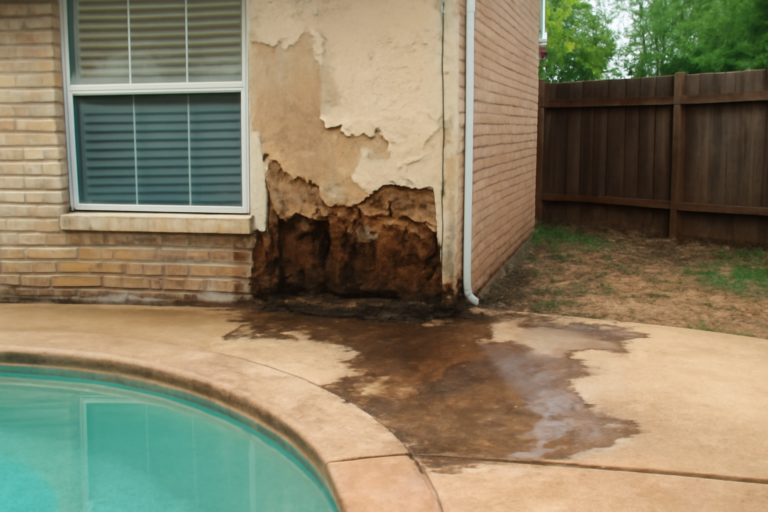
Dark spots, rings, or general discoloration on your concrete surfaces can be direct evidence of water intrusion. These marks show where water has penetrated and potentially carried minerals or contaminants. Address water stains promptly.
Cracks or Spalling in the Concrete
Water freezing and expanding within concrete, or prolonged saturation, can cause it to crack or spall (surface flaking). If you notice new or worsening cracks, it’s a serious warning sign. Monitor concrete integrity closely.
Peeling or Bubbling Paint/Sealant
If you have a painted or sealed concrete surface, water trapped underneath can cause the coating to lift or bubble. This indicates moisture is coming up from below the concrete. Check for coating damage on concrete.
Increased Humidity Levels
A noticeable increase in indoor humidity, even when it’s not raining or humid outside, can point to moisture being released from concrete. This can make your home feel clammy. Measure indoor humidity regularly.
Efflorescence on the Surface
This is a white, powdery deposit that sometimes appears on concrete surfaces. It’s caused by water migrating through the concrete and carrying salts to the surface as it evaporates. Look for white powder on concrete.
Concrete Water Damage Restoration vs. DIY: When To Call a Professional
| Situation | DIY? | Call a Pro? | Why |
|---|---|---|---|
| Minor surface dampness on an outdoor patio after a rain | Yes | No | Usually evaporates on its own without causing harm. |
| Standing water in a garage after a storm | Yes, for immediate cleanup | Yes, if water lingers | Prolonged water can seep into the concrete slab. |
| Musty odors in a basement concrete floor | No | Yes | Indicates hidden moisture and potential mold growth. |
| New cracks appearing in a basement concrete wall | No | Yes | Could be structural damage from water pressure or saturation. |
| Paint or sealant bubbling on concrete walls/floors | No | Yes | Shows moisture is trapped beneath the surface coating. |
| Extensive water saturation in a garage or basement slab | No | Yes | Requires specialized drying equipment to prevent long-term issues. |
For anything beyond minor surface dampness, professional help is usually the best route. It ensures the water is removed from the concrete material itself and prevents secondary damage like mold. Professional assessment is often worth the investment.
Concrete Water Damage Restoration Cost in Hiram, GA
The cost of concrete water damage restoration in Hiram, GA can vary significantly. Factors like the size of the affected area, the depth of water saturation, and the complexity of the repair work all play a role. These prices are general estimates and can change based on your specific situation.
| Service | Typical Price Range | What Affects Cost |
|---|---|---|
| Water Extraction (per sq ft) | $0.50 – $2.00 | Amount of water, accessibility of area. |
| Concrete Drying & Dehumidification (per day) | $200 – $500 | Size of space, duration of drying needed. |
| Moisture Monitoring & Testing | $150 – $400 | Number of tests, complexity of concrete structure. |
| Antimicrobial Treatment | $300 – $800 | Square footage of concrete treated, type of treatment. |
| Concrete Crack Repair (per linear foot) | $5 – $20 | Size and depth of crack, material used. |
| Minor Concrete Patching/Resurfacing (per sq ft) | $10 – $30 | Thickness of application, type of patch material. |
Remember, these are just estimates. An on-site inspection is needed for an accurate quote. We offer free estimates to help you understand the costs involved. Get a free estimate for your property.
Service Areas Near Hiram, GA
We serve Hiram, GA and many surrounding communities. This includes Dallas, Powder Springs, Marietta, Acworth, Kennesaw, Smyrna, Austell, Lithia Springs, Douglasville, Villa Rica, Temple, Carrollton, Winston, Lithia Springs, Mableton, Vinings, Atlanta, Sandy Springs, Roswell, and Woodstock.
Common Questions About Concrete Water Damage Restoration
My basement concrete floor is wet after heavy rain. Should I be worried?
Yes, you should definitely be concerned. Even if it seems like just surface water, it can indicate that your foundation’s waterproofing is compromised or that water is seeping through the concrete slab. Our team can perform a thorough moisture assessment to pinpoint the source and extent of the problem. We’ll extract the water and set up drying equipment to prevent deeper saturation and potential mold growth.
How long does it take to dry out saturated concrete?
The drying time for concrete varies significantly. It depends on how much water has penetrated, the type of concrete, and ambient humidity. It could take anywhere from 24 to 72 hours or even longer for deeply saturated concrete to reach safe drying levels using our specialized equipment. We continuously monitor the process to ensure efficiency.
Will my insurance cover concrete water damage restoration?
Often, yes, but it depends on the cause of the water intrusion and your specific policy. Standard homeowner’s insurance typically covers sudden and accidental water damage, like from a burst pipe. Damage from slow leaks or poor maintenance might be excluded. We’re experienced in working with insurance adjusters and can help document the damage for your claim. Insurance documentation is a key part of our service.
What are the health risks associated with wet concrete?
The primary health risk is mold and mildew growth. When concrete stays wet for extended periods, mold spores can thrive, releasing allergens and irritants into your home’s air. This can lead to respiratory problems, allergies, and other health issues. Our technicians use EPA-approved antimicrobial treatments to prevent mold and ensure your environment is healthy. Protecting your family’s health is a top priority.
Can I just use fans and a shop vac to dry my concrete?
For minor surface dampness, fans and a shop vac might help. However, they are generally not effective for extracting moisture that has soaked deep into the concrete pores. Professional equipment, like industrial-grade dehumidifiers and high-powered extractors, is designed to reach that trapped moisture. Relying solely on DIY methods can lead to prolonged moisture issues, mold, and structural weakening. We utilize advanced drying technology for complete restoration.
Check Our Other Relevant Services
Serving Hiram, GA And Nearby Areas