Trusted by 165+ Homeowners
Concrete Water Damage Restoration in Oakwood, GA
- Over 165 5-Star Reviews
- Free Estimates and Quotes
- 100% Satisfaction Guaranteed
- Child, Family & Pet Safe Steps
- 24-Hour Emergency Service
- Fully Licensed & Insured

Don’t Let Concrete Water Damage Ruin Your Oakwood, GA Home
You walk into your garage or basement and see it. Water pooling on the concrete floor. Maybe it’s just a small puddle, or maybe it’s spreading. You might smell a damp, musty odor, or hear a faint drip you can’t quite place. This isn’t just a minor inconvenience; it’s a sign that water has found its way into your home’s foundation, and it needs immediate attention. Ignoring concrete water damage can lead to much bigger, more expensive problems down the road, impacting your home’s structure and your family’s health.
Our local homeowners consistently choose us for their concrete water damage needs, reflected in our 165+ five-star reviews. They trust our team to handle these tricky situations with precision and care. We understand how crucial it is to act fast when water infiltrates your concrete structures, and we’re dedicated to providing reliable, effective restoration services right here in your neighborhood. You can count on us for a prompt and thorough response.
- We pinpoint and stop the source of the water intrusion, preventing further damage before it starts.
- Our specialized drying equipment extracts moisture from deep within the concrete, not just on the surface.
- We help prevent mold and mildew growth by ensuring your concrete is thoroughly dried and dehumidified.
The Science Behind Concrete Water Damage Restoration
When water gets into your concrete, it’s not just sitting on top. It can seep into tiny pores and cracks, weakening the material over time. Our approach to concrete water damage restoration is rooted in scientific principles and proven techniques. We don’t just mop up the mess; we use advanced moisture meters to detect hidden water saturation and implement targeted drying strategies. Cutting corners here means the problem will likely return, often worse than before, so a meticulous process is absolutely essential for long-term structural integrity.
Step 1: Water Source Identification and Containment
The very first step is finding out where the water is coming from. This could be a plumbing leak, foundation crack, or groundwater intrusion. Our crews use specialized tools to locate the exact source and then work to stop the flow. This is critical for preventing ongoing damage and setting the stage for effective drying. We’ll contain the affected area to prevent water from spreading further.
Step 2: Water Extraction
Once the source is stopped, we remove as much standing water as possible. We utilize powerful pumps and extraction equipment designed for concrete surfaces. This process is about removing bulk water quickly to begin the drying phase sooner. It’s a physically demanding part of the job that requires the right machinery.
Step 3: Moisture Assessment and Mapping
After the bulk water is gone, we use advanced moisture meters to measure the water content within the concrete slab and surrounding materials. We map out the wettest areas, which helps us create a precise drying plan. This step is vital for understanding the full extent of saturation and ensuring no moisture is left behind. It guides our entire drying strategy.
Step 4: Targeted Drying and Dehumidification
This is where our technical expertise really shines. We deploy specialized drying equipment, including industrial-grade dehumidifiers and air movers, strategically placed to target the wet concrete. These machines work to draw moisture out of the concrete pores and the air. We monitor humidity levels and airflow to ensure efficient and complete drying. This process can take several days, depending on the saturation level.
Step 5: Mold Prevention and Final Inspection
As the concrete dries, we take steps to prevent mold and mildew growth, often using antimicrobial treatments if necessary. Before we consider the job done, we conduct a final moisture assessment to confirm that your concrete has returned to its normal moisture content. This guarantees a safe and healthy environment for your home. We’ll ensure everything is dried properly.
Don’t wait for water damage to spread. Call us today for immediate assistance with your concrete water issues. We’re ready to deploy our team and get your home back to normal.

Warning Signs You Need Concrete Water Damage Restoration
Catching water damage in its early stages is key to minimizing repairs and preventing potential health hazards. Your concrete foundation or basement floor might be giving you clues that something is wrong. Ignoring these signs can lead to much more significant structural problems and the growth of harmful mold. It’s always better to be safe than sorry when it comes to water in your home.
Musty Odors That Won’t Go Away
A persistent, damp, or musty smell, especially in basements or garages, is a strong indicator of hidden moisture. This odor often signals that water has been present long enough for mold or mildew to start growing within or beneath the concrete. You need to address the moisture source immediately.
Visible Water Stains or Efflorescence on Concrete
Look for discolored patches or white, powdery deposits on your concrete surfaces. These stains or efflorescence (a salt deposit) occur when water carrying minerals seeps through the concrete and evaporates, leaving the minerals behind. It’s a clear sign of water intrusion and migration. Don’t dismiss these visual cues.
Cracks or Gaps in the Concrete Slab
While minor concrete cracking can be normal, new or expanding cracks, especially those that appear damp or are accompanied by water pooling, suggest a more serious issue. Water can exploit these weaknesses, leading to further structural compromise. Keep a close eye on any new fissures.
Damp or Wet Spots on the Concrete Floor
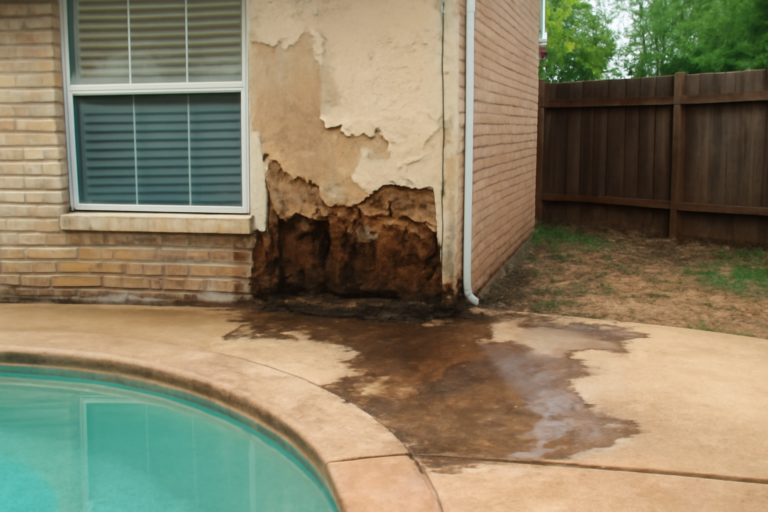
If you notice persistent dampness or actual puddles on your concrete, even after mopping or wiping, it’s a direct sign of water beneath or within the slab. This could be due to groundwater pressure, plumbing leaks, or poor drainage. It requires prompt professional assessment. You’ve got water where it shouldn’t be.
Peeling or Bubbling Paint/Sealant on Concrete
If you have sealed or painted concrete surfaces and you see the coating peeling, bubbling, or lifting, it’s often because moisture is trapped underneath. The water pressure is pushing the coating away from the concrete. This indicates significant moisture buildup. It’s a tell-tale sign you need help.
Increased Humidity Levels in Your Home
A sudden or gradual increase in indoor humidity, particularly noticeable in lower levels of your home, can be caused by water trapped within or beneath concrete structures. This can make your home feel clammy and unhealthy. High humidity is a breeding ground for mold. You need to investigate the cause.
Concrete Water Damage Restoration vs. DIY: When To Call a Professional
| Situation | DIY? | Call a Pro? | Why |
|---|---|---|---|
| Minor condensation on a basement floor during humid weather | Yes | No | This is usually not a structural issue and can be managed with dehumidifiers and better ventilation. |
| A small, isolated spill that dries quickly | Yes | No | Quick cleanup with towels and fans is sufficient for surface spills that don’t penetrate. |
| Suspected leak from a plumbing pipe within the slab | No | Yes | Locating and repairing hidden pipe leaks requires specialized equipment and expertise to avoid further damage. |
| Water seeping in through foundation cracks after heavy rain | No | Yes | This indicates a foundation issue and potential groundwater intrusion that needs professional assessment and repair. |
| Persistent dampness or visible water pooling on the concrete | No | Yes | This suggests a larger problem like hydrostatic pressure or a compromised slab that needs immediate, expert intervention. |
| Musty odors and signs of mold growth on or around concrete | No | Yes | Mold remediation and thorough drying protocols are essential for health and safety, requiring professional handling. |
For anything beyond a simple spill, calling a professional is the smartest choice. When water has infiltrated the concrete itself or your foundation, it requires specialized knowledge and equipment to address correctly. Our team has the tools and training to handle these complex issues effectively, ensuring a complete and lasting restoration. You’ll get expert results.
Concrete Water Damage Restoration Cost In Oakwood, GA
The cost for concrete water damage restoration in Oakwood, GA, can vary significantly. Factors like the extent of the water saturation, the size of the affected area, and the complexity of accessing the damage all play a role. These figures represent typical ranges for services in the area; your specific situation will determine the final cost. We offer transparent pricing estimates after an on-site assessment.
| Service | Typical Price Range | What Affects Cost |
|---|---|---|
| Water Extraction & Bulk Water Removal | $500 – $2,500 | The amount of standing water and the size of the area needing extraction. |
| Moisture Assessment & Mapping | $300 – $800 | The complexity of the structure and the number of readings needed to map saturation. |
| Industrial Drying & Dehumidification | $1,000 – $5,000+ | The duration of drying required, based on concrete saturation levels and environmental conditions. |
| Antimicrobial Treatment/Mold Prevention | $400 – $1,500 | The square footage treated and the type of treatment applied to prevent mold growth. |
| Concrete Crack Repair (Minor) | $300 – $1,000 per crack | The length and depth of the crack, and the specific repair material used. |
| Foundation Water Intrusion Mitigation | $2,000 – $10,000+ | The severity of the foundation issue and the extent of repairs needed to stop water entry. |
These are general estimates to help you budget. For an exact quote tailored to your property’s needs, please schedule a free estimate with our team. We’ll come to your home and provide a detailed, no-obligation assessment. You’ll know exactly what to expect.
Service Areas Near Oakwood, GA
Flowery Branch, Gainesville, Clermont, Lula, Talmo, Jefferson, Commerce, Hoschton, Braselton, Winder, Auburn, Pendergrass, Maysville, Baldwin, Cornelia, Demorest, Cleveland, Dahlonega, Cumming, Suwanee.
Common Questions About Concrete Water Damage Restoration
How long does concrete water damage restoration usually take?
The timeline for concrete water damage restoration can vary greatly, typically ranging from a few days to a couple of weeks. It depends heavily on the degree of water saturation and the effectiveness of our drying equipment. We use advanced moisture meters to track progress and ensure your concrete is dried to safe levels before we conclude the job.
Is concrete water damage covered by homeowners insurance?
In many cases, yes, but it depends on the cause of the water damage. Sudden and accidental water events, like a burst pipe, are often covered. Gradual seepage or groundwater issues might not be. We recommend reviewing your policy and can help document the damage for your insurance claim. We focus on providing thorough documentation for your records.
What are the health risks associated with untreated concrete water damage?
The primary health risk is mold and mildew growth, which can thrive in damp environments like water-saturated concrete. Inhaling mold spores can lead to respiratory problems, allergic reactions, and other health issues. Our process includes aggressive drying and antimicrobial treatments to prevent mold from developing and ensure a healthy indoor environment.
Do I need special equipment for drying concrete?
Yes, standard household fans and dehumidifiers are usually not enough for significant concrete water saturation. We utilize industrial-grade, high-velocity air movers and powerful dehumidifiers specifically designed to extract moisture from porous materials like concrete. This specialized equipment is crucial for effective and timely drying, preventing long-term damage.
Can I prevent water damage to my concrete foundation?
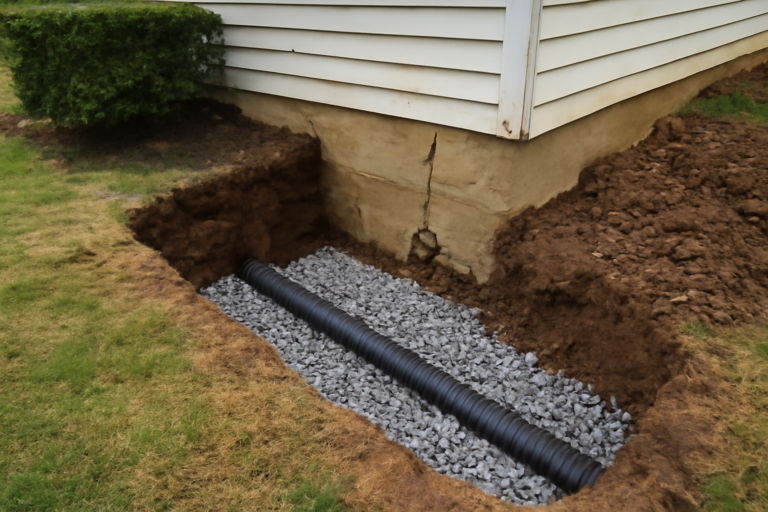
While not all water damage is preventable, you can significantly reduce the risk. Ensure your gutters are clean and downspouts direct water away from your foundation. Maintain proper grading around your home so water flows away from the structure. Addressing any existing foundation cracks promptly can also prevent water intrusion. We can offer preventative maintenance advice during our visits.
Check Our Other Relevant Services

Jerry Johns is a licensed Damage Restoration Expert with over 20 years of hands-on experience helping homeowners and businesses navigate property crises. As a trusted authority in the field, Jerry combines technical precision with a compassionate approach to disaster recovery.
𝗖𝗲𝗿𝘁𝗶𝗳𝗶𝗰𝗮𝘁𝗶𝗼𝗻𝘀: Jerry holds multiple elite IICRC certifications, including Water Damage Restoration (WRT), Applied Microbial Remediation (Mold), Applied Structural Drying (ASD), Odor Control, and Fire and Smoke Restoration.
𝗙𝗮𝘃𝗼𝗿𝗶𝘁𝗲 𝗣𝗮𝘀𝘁𝗶𝗺𝗲: When he isn’t on a job site, Jerry is an avid outdoorsman who enjoys fly fishing and restoring vintage woodworking tools.
𝗕𝗲𝘀𝘁 𝗣𝗮𝗿𝘁 𝗼𝗳 𝘁𝗵𝗲 𝗝𝗼𝗯: Jerry finds the most fulfillment in seeing the relief on a client’s face when their property is finally restored to its pre-loss condition, turning a stressful disaster into a fresh start.