Trusted by 165+ Homeowners
Concrete Water Damage Restoration in Snellville, GA
- Over 165 5-Star Reviews
- Free Estimates and Quotes
- 100% Satisfaction Guaranteed
- Child, Family & Pet Safe Steps
- 24-Hour Emergency Service
- Fully Licensed & Insured

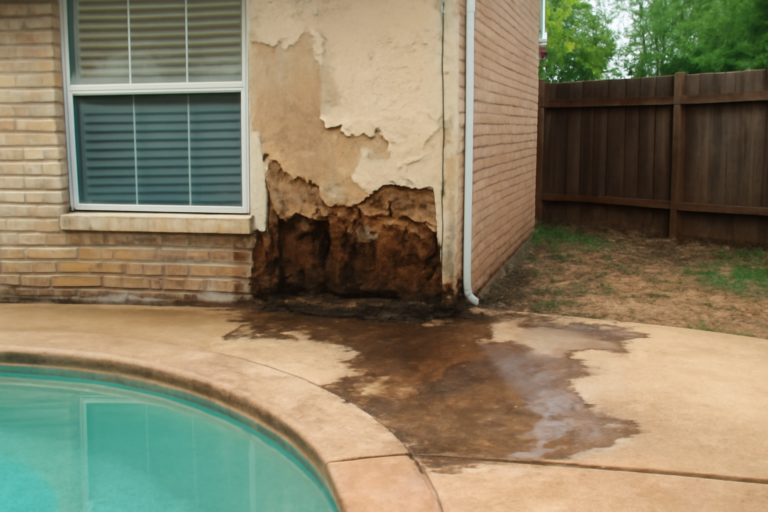
When Water Invades Your Concrete in Snellville, GA
If you’re seeing water pooling on your concrete patio, a cracked driveway that’s collecting puddles, or moisture seeping into your basement or garage concrete, it’s crucial to act fast. Ignoring these signs can lead to deeper structural damage and costly repairs down the road. Many homeowners mistakenly think concrete is impervious to water damage, but persistent moisture can weaken its integrity and create a breeding ground for mold. You need to address concrete water intrusion before it becomes a bigger problem.
Locally, homeowners trust our team to handle their concrete water damage with speed and expertise. We’ve earned over 165 five-star reviews by consistently providing reliable service and getting the job done right the first time. When your concrete is compromised by water, you want a team that understands the unique challenges of water damage in the area and responds quickly to protect your property. We’re here to help restore your concrete and give you back your confidence.
- Rapid assessment of concrete water damage to prevent further deterioration and costly structural issues.
- Targeted drying and dehumidification techniques specifically designed for concrete surfaces and subfloors.
- Expert repair and restoration to bring your concrete back to its original condition, ensuring its longevity.
How We Tackle Concrete Water Damage
Dealing with waterlogged concrete requires a systematic approach, especially when it’s an emergency. Our process is built on speed and thoroughness because we know that the first 48 hours after water damage are critical. Delaying professional intervention can lead to permanent concrete staining, efflorescence, and compromised structural integrity. We use specialized equipment and follow proven methods to ensure your concrete is properly dried, cleaned, and repaired.
Step 1: Immediate Water Extraction
Our first priority is to remove as much standing water as possible. We use powerful truck-mounted and portable water extractors to get the bulk of the moisture out of your concrete surfaces and any affected sub-flooring. This is a crucial step that reduces drying time significantly. We typically complete this initial extraction within the first few hours of arrival.
Step 2: Advanced Moisture Detection
Water can hide in places you can’t see. Our technicians use specialized moisture meters, infrared cameras, and hygrometers to pinpoint hidden pockets of moisture within the concrete slab, walls, and surrounding areas. This ensures we address all sources of dampness, not just the visible puddles. This detailed assessment usually takes 1-2 hours, depending on the size of the affected area.
Step 3: Targeted Drying and Dehumidification
Once we know where the moisture is hiding, we deploy industrial-grade air movers and dehumidifiers. These units create optimal airflow and remove excess humidity from the air, accelerating the drying process for concrete. We monitor humidity and moisture levels closely, often for several days, to ensure complete concrete drying. This phase can last anywhere from 24 hours to several days, depending on the severity of the water damage.
Step 4: Concrete Surface Cleaning and Treatment
After drying, we address any staining, efflorescence (white powdery residue), or potential mold growth on the concrete. We use specialized cleaning agents and techniques to restore the appearance of your concrete and neutralize any lingering odors. This helps prevent future mold and mildew issues. This cleaning process can take a few hours to a full day.
Step 5: Concrete Repair and Sealing
Depending on the extent of the damage, we may need to perform concrete repairs. This could involve patching cracks, repairing spalling, or addressing more significant structural weaknesses caused by water. We can also apply sealants to help protect your concrete from future water intrusion. The repair and sealing phase varies greatly, from a few hours for minor patches to several days for extensive reconstruction.
Don’t wait for water damage to worsen. Contact us immediately for a rapid response to your concrete water issues. We’re ready to dispatch our crews to your property and begin the restoration process.

Warning Signs You Need Concrete Water Damage Restoration
Catching concrete water damage early is key to minimizing the impact on your home and your wallet. Recognizing these warning signs can save you from much larger headaches later on. Ignoring damp concrete can lead to expensive structural problems and unhealthy living conditions.
Musty Odors That Won’t Go Away
A persistent musty or earthy smell, especially in basements, garages, or around concrete patios, is a strong indicator of hidden moisture and potential mold growth. This smell is often the first sign of trouble you’ll notice.
Visible Water Stains or Discoloration
Dark or discolored patches on your concrete floors, walls, or outdoor surfaces are clear signs that water has been present and may still be trapped. These stains can be difficult to remove once they set in and indicate water saturation.
Cracking or Spalling Concrete
Water that freezes and thaws within concrete can cause it to crack and chip (spalling). Even without freezing temperatures, prolonged moisture exposure can weaken the concrete, leading to surface degradation and cracks.
Efflorescence on Concrete Surfaces
That white, powdery residue you sometimes see on concrete is called efflorescence. It’s a sign that water is moving through the concrete and carrying mineral salts to the surface, indicating moisture migration.
Peeling or Bubbling Paint/Sealant
If paint or sealant is peeling or bubbling away from your concrete, moisture is likely trapped underneath, pushing it off. This is a direct indication that water is compromising the concrete’s surface layer.
Increased Humidity Levels
A noticeable increase in humidity within your home, especially near concrete areas like basements or garages, can signal that water is evaporating from the concrete and affecting the indoor environment. This can lead to uncomfortable living conditions.
Concrete Water Damage Restoration vs. DIY: When To Call a Professional
| Situation | DIY? | Call a Pro? | Why |
|---|---|---|---|
| Small puddle on a garage floor after a storm | Yes | No | Simple cleanup with towels and fans is usually sufficient for minor surface water. |
| Persistent dampness on a basement concrete floor | No | Yes | Hidden moisture can saturate the slab, leading to mold and structural issues if not properly dried. |
| Water seeping through cracks in a concrete driveway | No | Yes | Cracks allow water to reach the sub-base, potentially causing sinkholes or foundation damage. |
| Efflorescence on a patio concrete surface | Maybe | Yes | While cleaning efflorescence is DIY-friendly, its presence indicates underlying moisture issues that need professional assessment. |
| Mold growth appearing on concrete walls in a basement | No | Yes | Mold remediation requires specialized equipment and safety protocols to prevent health risks. |
| Water pooling significantly on a concrete patio and not draining | No | Yes | This suggests a grading or drainage problem that requires professional evaluation and repair to prevent ongoing damage. |
While minor spills on concrete can often be handled with simple cleanup, any situation involving persistent dampness, visible damage, or potential mold growth requires professional attention. Our team has the specialized equipment and expertise to tackle complex concrete water issues effectively.
Concrete Water Damage Restoration Cost In Snellville, GA
The cost of concrete water damage restoration in Snellville, GA can vary widely. Factors like the size of the affected area, the depth of water penetration, the extent of structural damage, and the specific restoration methods required all play a role. These figures are estimates to give you an idea of potential investment.
| Service | Typical Price Range | What Affects Cost |
|---|---|---|
| Water Extraction | $500 – $2,500 | Volume of water, accessibility, and equipment needed. |
| Moisture Detection & Assessment | $300 – $1,000 | Complexity of the site and the technology used (e.g., infrared cameras). |
| Drying & Dehumidification | $1,000 – $5,000+ | Duration of drying needed, number of units required, and size of the space. |
| Concrete Surface Cleaning | $400 – $1,500 | Type of stains, mold presence, and the square footage to be cleaned. |
| Concrete Crack Repair | $300 – $1,200 | Number, size, and depth of cracks, and the type of repair material used. |
| Concrete Sealing | $500 – $2,000 | Square footage, type of sealant, and surface preparation needed. |
These are general estimates. For an accurate quote tailored to your specific situation, we offer free on-site assessments. Contact us to schedule your detailed property inspection.
Service Areas Near Snellville, GA
Snellville, Grayson, Lilburn, Lawrenceville, Norcross, Duluth, Suwanee, Johns Creek, Alpharetta, Cumming, Buford, Sugar Hill, Dacula, Auburn, Bethlehem, Winder, Monroe, Loganville, Stone Mountain, Tucker.
Common Questions About Concrete Water Damage Restoration
What causes water damage in concrete driveways?
Water damage in concrete driveways often stems from poor drainage, cracks that allow water to seep underneath, and freeze-thaw cycles that expand existing fissures. If water gets beneath the slab, it can erode the sub-base, leading to settling and cracking. Our team can assess the drainage and repair any damage to restore your driveway’s integrity.
How long does it take to dry out concrete after water damage?
Drying concrete can take anywhere from 24 hours to several weeks, depending on the extent of saturation, ambient humidity, and the drying methods used. We utilize industrial-grade air movers and dehumidifiers to accelerate the drying process significantly. We’ll provide you with an estimated timeline after our initial assessment.
Is water damage to concrete a health hazard?
Yes, water-damaged concrete can pose health risks, primarily due to mold and mildew growth that thrives in damp environments. These fungi can release spores into the air, potentially causing respiratory issues and allergic reactions. Our technicians are trained to identify and remediate mold on concrete surfaces safely and effectively.
What equipment do you use for concrete water damage restoration?
We employ a range of specialized equipment, including powerful truck-mounted and portable water extractors, industrial-strength dehumidifiers, high-velocity air movers, moisture meters, and infrared cameras. This advanced technology allows us to extract water efficiently, monitor drying progress accurately, and ensure all hidden moisture is removed.
Can I prevent water damage to my concrete basement floor?
Preventing water damage to concrete basement floors involves ensuring proper exterior drainage, sealing any cracks in the foundation walls or floor, and maintaining sump pumps if applicable. Regular inspections can help catch issues early. If you’re concerned about future water intrusion, we can also recommend and apply protective sealants.
Check Our Other Relevant Services

Jerry Johns is a licensed Damage Restoration Expert with over 20 years of hands-on experience helping homeowners and businesses navigate property crises. As a trusted authority in the field, Jerry combines technical precision with a compassionate approach to disaster recovery.
𝗖𝗲𝗿𝘁𝗶𝗳𝗶𝗰𝗮𝘁𝗶𝗼𝗻𝘀: Jerry holds multiple elite IICRC certifications, including Water Damage Restoration (WRT), Applied Microbial Remediation (Mold), Applied Structural Drying (ASD), Odor Control, and Fire and Smoke Restoration.
𝗙𝗮𝘃𝗼𝗿𝗶𝘁𝗲 𝗣𝗮𝘀𝘁𝗶𝗺𝗲: When he isn’t on a job site, Jerry is an avid outdoorsman who enjoys fly fishing and restoring vintage woodworking tools.
𝗕𝗲𝘀𝘁 𝗣𝗮𝗿𝘁 𝗼𝗳 𝘁𝗵𝗲 𝗝𝗼𝗯: Jerry finds the most fulfillment in seeing the relief on a client’s face when their property is finally restored to its pre-loss condition, turning a stressful disaster into a fresh start.