Trusted by 165+ Homeowners
Concrete Water Damage Restoration in Union City, GA
- Over 165 5-Star Reviews
- Free Estimates and Quotes
- 100% Satisfaction Guaranteed
- Child, Family & Pet Safe Steps
- 24-Hour Emergency Service
- Fully Licensed & Insured

When Water Invades Your Foundation: Concrete Water Damage Restoration in Union City, GA
Did you know that concrete can actually absorb water? It’s true. Studies show that unsealed concrete can absorb up to 10% of its weight in water. This absorption is a major culprit behind concrete water damage that many homeowners around Union City, GA, don’t realize is happening. It’s not just about standing water; it’s about the slow, insidious creep of moisture that can compromise your foundation’s integrity over time. Ignoring these signs can lead to costly repairs down the line, affecting your home’s structural health and your wallet. We’ll help you understand what’s happening and how to fix it.
We’ve helped over 165 five-star reviews pour in because we understand the unique challenges homeowners face with water damage in our area. When it comes to your concrete foundation, you need a team that knows precisely how to address the moisture before it causes serious problems. You’re not just getting a cleanup crew; you’re getting local experts dedicated to restoring your property’s safety and value. We’ve seen it all, from minor leaks to significant saturation events, and we’re ready to tackle yours.
- We pinpoint the exact source of water intrusion, preventing future recurrences and protecting your investment.
- Our advanced drying techniques remove hidden moisture from within concrete structures, safeguarding against mold and structural weakening.
- We work directly with your insurance provider, simplifying the claims process and ensuring you get the coverage you deserve for concrete water damage.
How We Tackle Concrete Water Damage
The process for restoring concrete from water damage is critical. Simply drying the surface isn’t enough. You need a methodical approach that addresses the saturated concrete itself and any underlying issues. Cutting corners here can lead to persistent dampness, mold growth, and weakened concrete structures. Our team follows a proven system, ensuring every step is taken to fully dry, clean, and protect your concrete foundation, giving you lasting protection against future issues. We’re committed to a thorough restoration.
Initial Assessment and Water Extraction
First, our technicians arrive promptly to assess the extent of the water damage. We use specialized equipment to identify the water source and then begin extracting standing water. This phase is crucial for stopping further saturation and preventing damage to surrounding areas. We aim to remove the bulk of the water within the first 24 hours, depending on the severity. Our goal is to achieve rapid water removal.
Moisture Detection and Mapping
Once the standing water is gone, we use advanced moisture meters and thermal imaging cameras to detect hidden moisture within the concrete slab and walls. This allows us to create a detailed map of the affected areas, ensuring no dampness is left behind. Understanding the full scope helps us plan the most effective drying strategy. This step is vital for complete moisture elimination.
Advanced Drying and Dehumidification
We deploy industrial-grade air movers and dehumidifiers to accelerate the drying process. These machines create airflow across the concrete surfaces and remove moisture from the air, creating a drier environment. This controlled drying process is essential to prevent secondary damage like mold growth and to ensure the concrete dries properly without cracking. We typically set up this equipment for several days, monitoring humidity levels closely. This ensures deep concrete drying.
Cleaning and Sanitization
After drying, we thoroughly clean and sanitize the affected concrete surfaces. This removes any contaminants or potential mold spores that may have been introduced by the water. Proper cleaning prevents health hazards and ensures a safe environment for your family. We use EPA-approved cleaning agents for effective results. This step is about creating a healthy space.
Restoration and Sealing
Depending on the damage, we may need to perform minor repairs to the concrete. We also strongly recommend sealing the concrete once it’s fully dry. Sealing creates a barrier that helps prevent future water absorption, offering long-term protection for your foundation. This final step secures your property against future water intrusion. We’ll help you choose the right protective sealants.
Don’t let water damage compromise your home’s foundation. Call us now to get a professional assessment and start the restoration process. Acting quickly saves you significant future costs and protects your property.

Warning Signs You Need Concrete Water Damage Restoration
Catching concrete water damage early is key to minimizing repair costs and preventing more serious structural issues. Your foundation is the base of your home, and its integrity is paramount. Paying attention to subtle changes can save you a lot of headaches and expense later on. We’ll help you spot these signs before they become big problems.
Musty Odors That Won’t Go Away
A persistent damp or musty smell, especially in basements or crawl spaces, is often the first indicator of hidden moisture. This smell usually signifies mold or mildew growth, which thrives in damp concrete environments. Don’t ignore persistent unpleasant smells.
Visible Water Stains or Efflorescence
Look for discolored patches or white, powdery deposits on your concrete walls or floors. This white residue, called efflorescence, is caused by water seeping through the concrete and carrying dissolved minerals to the surface. It’s a clear sign of water intrusion issues.
Cracks or Crumbling Concrete
While some minor cracking is normal over time, new, widening, or crumbling sections of concrete can indicate that moisture has saturated and weakened the material. Freeze-thaw cycles can exacerbate this damage when water gets into cracks. Watch for new concrete deterioration.
Spongy or Damp Concrete Surfaces
If concrete surfaces feel unusually soft, spongy, or are consistently damp to the touch, even when there’s no visible standing water, it means moisture is trapped within the material. This can significantly weaken the concrete’s structure. Address unusually soft concrete immediately.
Mold or Mildew Growth
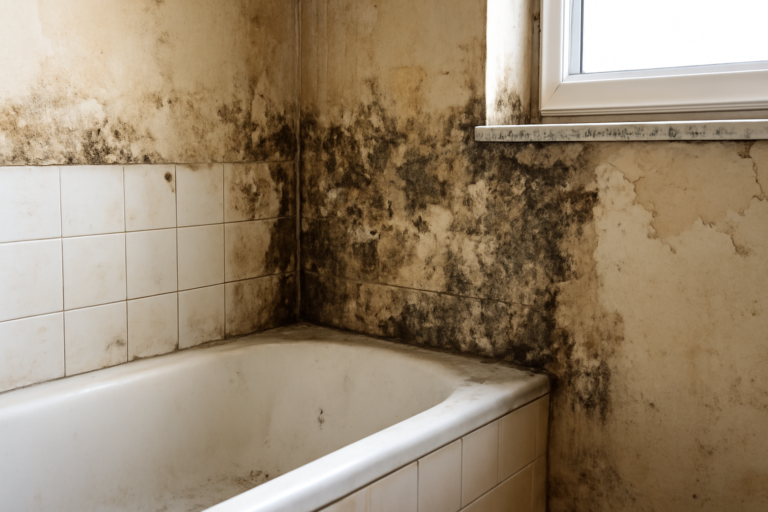
Any visible signs of mold or mildew on or around concrete surfaces are a strong indicator of excess moisture. Mold can spread rapidly and pose serious health risks. This requires immediate attention for mold-free living.
Increased Humidity Levels Indoors
A noticeable increase in indoor humidity, especially in lower levels of your home, can be a sign that moisture is being released from damaged concrete. This can make your home feel uncomfortable and contribute to other indoor air quality problems. Monitor your home’s humidity levels.
Concrete Water Damage Restoration vs. DIY: When To Call a Professional
| Situation | DIY? | Call a Pro? | Why |
|---|---|---|---|
| Minor surface dampness on a sealed garage floor from a recent spill. | Yes | No | Quick cleanup with towels is usually sufficient for sealed surfaces. |
| Standing water in a basement after heavy rain. | No | Yes | Requires specialized extraction equipment and drying processes to prevent long-term damage. |
| Visible white powdery residue (efflorescence) on basement walls. | No | Yes | Indicates water is actively moving through the concrete, needing source identification and drying. |
| Musty odors but no visible water. | No | Yes | Hidden moisture is likely present, potentially leading to mold growth within the concrete structure. |
| Cracks appearing or worsening in a concrete foundation. | No | Yes | Water saturation can weaken concrete, and professional assessment is needed to understand the extent of structural compromise. |
| Water seeping through a concrete patio into the foundation. | No | Yes | This requires identifying the external source and ensuring the foundation is properly dried and protected. |
For anything beyond a minor surface spill, professional help is almost always the best route for concrete water damage. Our team has the specialized equipment and expertise to handle the complexities of saturated concrete, ensuring a complete and effective restoration. You’ll get a more reliable outcome and avoid potential health hazards.
Concrete Water Damage Restoration Cost in Union City, GA
The cost of concrete water damage restoration in Union City, GA, can vary significantly. Factors like the size of the affected area, the depth of saturation, the accessibility of the concrete, and the complexity of the water source all play a role. These figures are general estimates for homeowners in the area and are not exact quotes.
| Service | Typical Price Range | What Affects Cost |
|---|---|---|
| Water Extraction | $400 – $1,500 | Volume of water and size of the affected concrete area. |
| Moisture Detection & Mapping | $200 – $600 | Complexity of the structure and need for advanced imaging equipment. |
| Industrial Drying & Dehumidification | $750 – $3,000+ | Duration of drying time required, number of machines needed, and size of the space. |
| Concrete Cleaning & Sanitization | $300 – $1,000 | Extent of contamination and type of cleaning agents required. |
| Concrete Sealing (per sq ft) | $3 – $7 | Type of sealant used and the total square footage needing protection. |
| Minor Concrete Repair | $500 – $2,000+ | Severity of damage and the specific repair methods needed. |
An on-site assessment by our trained technicians is the best way to get an accurate estimate for your specific situation. We offer free, no-obligation estimates to help you understand the costs involved. We’ll work to provide a fair and transparent price.
Service Areas Near Union City, GA
Atlanta, East Point, College Park, Hapeville, Riverdale, Jonesboro, Forest Park, Morrow, Clarkston, Decatur, Chamblee, Doraville, Sandy Springs, Roswell, Johns Creek, Suwanee, Duluth, Lawrenceville, Lilburn, Snellville.
Common Questions About Concrete Water Damage Restoration
My basement concrete floor is wet. Do I need to call someone right away?
Yes, you should call immediately. Even if it seems like a small amount of water, it can quickly seep into the concrete and surrounding materials, leading to mold growth and structural weakening. The longer moisture sits in concrete, the more damage it can cause. Our team is available to provide urgent water extraction and drying services to prevent further issues.
How long does it take to dry out saturated concrete?
Drying time varies greatly depending on the extent of saturation, humidity levels, and the type of concrete. It can take anywhere from a few days to over a week using professional equipment. We use advanced moisture meters to monitor the drying process and ensure the concrete is fully dried to safe levels before we finish. We’ll keep you informed of the timeline.
Will my homeowner’s insurance cover concrete water damage restoration in Union City, GA?
Often, yes, but it depends on the cause of the water damage. Standard policies typically cover sudden and accidental water damage, like a burst pipe. Damage from slow leaks or poor maintenance might not be covered. We have extensive experience working with insurance companies and can help you document the damage and navigate the claims process to ensure you receive the coverage you’re entitled to for covered water events.
Can water damage to concrete cause health problems?
Absolutely. When concrete stays wet for extended periods, it creates an ideal environment for mold and mildew to grow. Inhaling mold spores can lead to various health issues, including allergies, respiratory problems, and other adverse reactions, especially for those with existing sensitivities. Our cleaning and sanitization process is designed to eliminate these health risks and create a safer living environment.
What can I do to prevent concrete water damage in the future?
Regularly inspect your foundation and any exposed concrete for cracks or signs of moisture. Ensure your gutters and downspouts are clear and directing water away from your home’s foundation. Consider applying a quality concrete sealer to exterior surfaces and basement floors. Proper maintenance is key to preventing future water intrusion and protecting your investment.
Check Our Other Relevant Services
- AC Unit Water Damage Restoration in Union City, GA
- Carpet Water Damage Restoration in Union City, GA
Serving Union City, GA And Nearby Areas