Trusted by 165+ Homeowners
Contaminated Water Cleanup in College Park, GA
- Over 165 5-Star Reviews
- Free Estimates and Quotes
- 100% Satisfaction Guaranteed
- Child, Family & Pet Safe Steps
- 24-Hour Emergency Service
- Fully Licensed & Insured

When Foul Water Invades Your College Park Home
If you’re dealing with contaminated water on your property, the very first thing you should know is this: don’t step into it if you can avoid it. Contaminated water, often called black water, can carry serious health risks from sewage backups, flooding from nearby rivers, or even a compromised septic system. It’s not just about the mess; it’s about protecting your family’s well-being. Ignoring the problem or trying to clean it up yourself without the right gear can quickly turn a bad situation into a dangerous one, especially here in College Park, GA. You’ll want to address this emergency promptly to prevent further damage and health hazards.
Local homeowners trust our team because we understand the urgency and the specific dangers associated with contaminated water. We’ve helped over 165 families in your neighborhood navigate these challenging situations, always with a focus on thoroughness and safety. You’ll find that our rapid response makes a difference when every minute counts. We’re committed to bringing your home back to a safe, clean state with expert attention to detail.
- We prioritize your family’s health by using specialized antimicrobial treatments and HEPA-filtered air scrubbers to remove airborne contaminants and prevent mold growth after a black water event.
- Our team is equipped with advanced moisture meters and thermal imaging cameras to detect hidden water saturation, ensuring all affected materials are identified and properly removed or dried.
- We handle the safe disposal of contaminated materials according to strict local regulations, giving you one less thing to worry about during a stressful time.
How Our Contaminated Water Cleanup Process Works
When contaminated water enters your home, a swift and methodical approach is absolutely critical. A proper cleanup isn’t just about removing standing water; it involves meticulous disinfection, removal of unsalvageable materials, and thorough drying to prevent long-term health issues and structural damage. Skipping steps or using inadequate equipment can lead to lingering mold, persistent odors, and potential health problems down the line. You can count on our proven, step-by-step method to manage the contamination effectively and safely, because we know what it takes to restore your home.
Emergency Water Extraction
The first 24-48 hours are crucial. Our crews arrive equipped with powerful truck-mounted and portable water extractors. These machines can remove thousands of gallons of water per hour, significantly reducing the standing water on your floors. We’ll work quickly to remove the bulk of the contamination, preventing it from spreading further into your home’s structure.
Containment and Demolition
Once the standing water is gone, we’ll set up containment barriers to prevent any remaining moisture or contaminants from affecting unaffected areas. Any materials that have come into contact with black water and cannot be thoroughly disinfected, such as drywall, insulation, or carpeting, will be carefully removed. This step is vital for ensuring a truly clean slate.
Drying and Dehumidification
After demolition, we deploy industrial-grade air movers and dehumidifiers. These specialized units work tirelessly to draw moisture out of the air and building materials, creating an environment inhospitable to mold. We monitor humidity levels closely, often using advanced drying technology to speed up the process and prevent secondary damage.
Cleaning and Disinfection
This is where we tackle the invisible threats. Our technicians use EPA-approved disinfectants and antimicrobial treatments to neutralize bacteria, viruses, and other pathogens present in contaminated water. We pay close attention to all surfaces, ensuring a thorough sanitization of the affected areas.
Odor Removal
Lingering odors are a common problem after water damage, especially with contaminated sources. We employ professional-grade deodorizing agents and ozone treatments to eliminate any unpleasant smells, leaving your home smelling fresh and clean again. You’ll notice a significant improvement in air quality.
Don’t let contaminated water compromise your home and health. Call us immediately for emergency response. We’re ready to help you begin the recovery process.

Warning Signs You Need Contaminated Water Cleanup
Catching the signs of contaminated water early can save you significant time, money, and potential health issues. What might seem like a minor inconvenience could actually be a sign of serious contamination lurking beneath the surface. Recognizing these indicators promptly is key to preventing more extensive damage and ensuring a safe living environment for your family. Early detection is your best defense against worsening problems.
Musty Odors That Won’t Go Away
A persistent, unpleasant smell, often described as musty or like mildew, is a strong indicator of hidden moisture and potential bacterial growth. This odor is a sign that contamination may be present and needs professional assessment.
Visible Sewage or Floodwater Intrusion
If you see any signs of sewage backup, or if floodwater from a storm drain or nearby river has entered your home, it’s almost certainly contaminated. This type of water poses immediate health risks and requires professional cleanup.
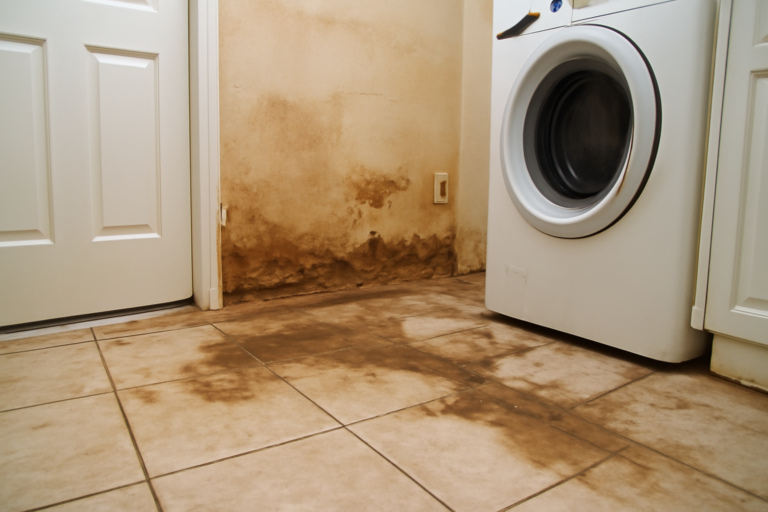
Discoloration or Stains on Walls and Ceilings
Brown or dark stains appearing on your walls or ceilings can indicate water seeping through from an upper floor or the exterior, potentially carrying contaminants. These stains suggest water damage that needs addressing.
Unexplained Damp Spots or Pooling Water
Finding unexplained dampness on carpets, floors, or even in closets, or noticing small puddles of water, means there’s an active leak. If the source isn’t clear, it could be from a compromised pipe or an external source, meaning the water could be unsafe.
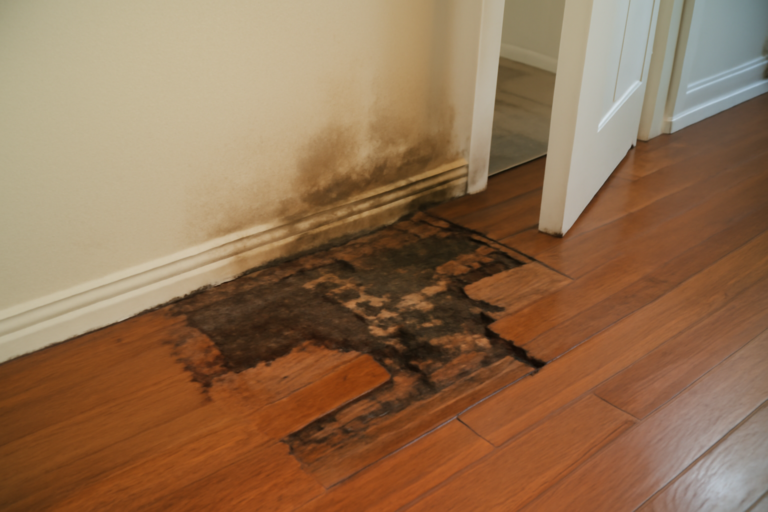
Mold or Mildew Growth
Seeing mold or mildew, even in small patches, is a clear sign of moisture that has been present for some time. This growth thrives in damp, dark environments and indicates that contaminants may have spread.
Unusual Sounds from Pipes or Drains
Gurgling sounds from your drains, or the smell of sewage when you use water, often points to a blockage or a break in your sewer line. This is a direct indicator of a potential black water situation.
Contaminated Water Cleanup vs. DIY: When To Call a Professional
| Situation | DIY? | Call a Pro? | Why |
|---|---|---|---|
| Minor spill from a clean water source (e.g., a small sink overflow) | Yes | No | Easy to clean up, minimal risk. |
| Bathtub overflow with clear water | Yes | No | Generally clean water, manageable with towels and fans. |
| Suspected sewage backup or flooding from storm drains | No | Yes | Black water carries severe health risks and requires specialized equipment and disinfectants. |
| Water damage from a broken toilet tank (not bowl) | Maybe | Yes | Depends on how long it sat; porcelain can harbor bacteria. |
| Water damage from a burst pipe in a wall cavity | No | Yes | Difficult to access and dry thoroughly; potential for hidden mold. |
| Basement flooding from external sources (river, heavy rain) | No | Yes | Likely contaminated with soil, debris, and potential pathogens. |
For any situation involving water that you suspect is contaminated, or water that has sat for more than 24 hours, calling a professional is the safest and most effective choice. Attempting to handle black water yourself can expose you to dangerous pathogens and lead to inadequate drying, resulting in costly secondary damage. Trust our experienced crews for a thorough and safe cleanup.
Contaminated Water Cleanup Cost in College Park, GA
The cost of contaminated water cleanup can vary widely depending on the extent of the damage, the type of contamination, and the size of the affected area. These estimates provide a general idea, but an on-site assessment is always necessary for an accurate quote. Factors like the severity of the water damage and the complexity of the cleanup will influence the final price.
| Service | Typical Price Range | What Affects Cost |
|---|---|---|
| Emergency Water Extraction | $500 – $2,500 | Volume of water, size of affected area, and urgency of response. |
| Containment and Demolition | $750 – $3,000 | Amount of materials needing removal, complexity of demolition. |
| Drying and Dehumidification | $1,000 – $4,000 | Duration of drying needed, number of units required, size of space. |
| Cleaning and Disinfection | $800 – $3,500 | Square footage treated, type of disinfectants used, level of contamination. |
| Odor Removal | $400 – $1,500 | Severity of odor, size of affected space, treatment methods employed. |
| Full Contaminated Water Cleanup (including all steps) | $2,500 – $10,000+ | Combination of all factors, including the source of contamination and restoration needs. |
Understanding these costs upfront is important. We offer free, detailed estimates after thoroughly assessing your property’s specific needs. Our goal is to provide transparent pricing and effective restoration solutions.
Service Areas Near College Park, GA
Atlanta, East Point, Hapeville, Forest Park, Riverdale, Jonesboro, Morrow, Stockbridge, Ellenwood, Lithonia, Conyers, Decatur, Chamblee, Doraville, Sandy Springs, Roswell, Alpharetta, Marietta, Kennesaw, Smyrna.
Common Questions About Contaminated Water Cleanup
What is considered contaminated water?
Contaminated water, often referred to as black water, is water that poses a significant health risk. This includes water from sewage backups, flooding from rivers or lakes, and any water that has come into contact with raw sewage or toxic substances. It’s crucial to treat this water with extreme caution. Our team is trained to handle these hazardous materials safely and effectively.
How quickly do I need to address contaminated water damage?
You need to act as fast as possible. The longer contaminated water sits, the more it can spread, causing deeper structural damage and increasing the risk of mold growth and serious health issues. Within 24-48 hours, the damage can become exponentially worse. Immediate professional intervention is key to mitigating risks and costs.
Will my homeowner’s insurance cover contaminated water cleanup?
Coverage varies by policy. Typically, insurance covers damage from sudden and accidental events, but policies differ on what constitutes “covered water damage” versus “flood damage” or “sewage backup.” It’s best to check your policy details or let us help you document the damage for your insurance adjuster. We have experience working with insurance claims.
How do you actually clean and disinfect contaminated water damage?
Our process involves several stages. First, we extract all standing water using specialized equipment. Then, we remove any unsalvageable materials. The critical step is thorough cleaning and disinfection using EPA-approved antimicrobial solutions and disinfectants designed to kill bacteria and viruses. We also use air scrubbers and dehumidifiers to ensure the area is completely dry and safe. You can trust our certified technicians to perform this vital work.
Can I prevent contaminated water damage?
While some events like severe flooding are hard to prevent, you can take steps to minimize risks. Regularly maintain your plumbing and septic systems, install backflow valves if you’re in a flood-prone area, and address any small leaks immediately. Being aware of potential issues, like unusual drain sounds, can help you prevent a major contamination event from occurring in your home.
Check Our Other Relevant Services

Jerry Johns is a licensed Damage Restoration Expert with over 20 years of hands-on experience helping homeowners and businesses navigate property crises. As a trusted authority in the field, Jerry combines technical precision with a compassionate approach to disaster recovery.
𝗖𝗲𝗿𝘁𝗶𝗳𝗶𝗰𝗮𝘁𝗶𝗼𝗻𝘀: Jerry holds multiple elite IICRC certifications, including Water Damage Restoration (WRT), Applied Microbial Remediation (Mold), Applied Structural Drying (ASD), Odor Control, and Fire and Smoke Restoration.
𝗙𝗮𝘃𝗼𝗿𝗶𝘁𝗲 𝗣𝗮𝘀𝘁𝗶𝗺𝗲: When he isn’t on a job site, Jerry is an avid outdoorsman who enjoys fly fishing and restoring vintage woodworking tools.
𝗕𝗲𝘀𝘁 𝗣𝗮𝗿𝘁 𝗼𝗳 𝘁𝗵𝗲 𝗝𝗼𝗯: Jerry finds the most fulfillment in seeing the relief on a client’s face when their property is finally restored to its pre-loss condition, turning a stressful disaster into a fresh start.