Trusted by 165+ Homeowners
Contaminated Water Cleanup in Duluth, GA
- Over 165 5-Star Reviews
- Free Estimates and Quotes
- 100% Satisfaction Guaranteed
- Child, Family & Pet Safe Steps
- 24-Hour Emergency Service
- Fully Licensed & Insured

Expert Contaminated Water Cleanup in Duluth, GA
When contaminated water invades your home here in Duluth, GA, it’s more than just an inconvenience. It’s a serious health hazard that demands immediate, professional attention. We’ve seen firsthand how quickly things can go wrong, from sewage backups after heavy rains affecting homes on our creek banks to burst pipes spreading unsanitary conditions. Dealing with this type of water requires a specific approach to ensure your property is truly safe again. You’re likely feeling overwhelmed, and that’s completely understandable.
Homeowners around the area have trusted us with over 165 five-star reviews because we understand the unique challenges of dealing with contaminated water. We don’t just dry things out; we focus on thorough decontamination and removal of hazardous materials. Our local crews are trained specifically for these situations, bringing the right equipment and expertise to your doorstep. You can count on us for a diligent and careful approach.
- We employ advanced testing to identify all types of contaminants, ensuring a truly safe environment post-cleanup.
- Our specialized equipment neutralizes bacteria and mold spores, protecting your family’s health from lingering threats.
- We handle the complex process of proper disposal of contaminated materials according to strict local regulations.
How Contaminated Water Cleanup Actually Works
The process for cleaning contaminated water is critically important, and it’s not something you want done halfway. When you cut corners, you risk long-term health issues and further property damage. Our team follows a meticulous, proven protocol designed to address the unique dangers of Category 3 water. We explain everything clearly so you know exactly what to expect and why each step is vital for your safety and your home’s integrity. It’s about restoring confidence in your living space.
Initial Inspection and Containment
First, our certified technicians will conduct a thorough inspection to assess the extent of the contamination and identify the source. We then immediately work to contain the affected area, preventing the spread of harmful bacteria and viruses to unaffected parts of your home. This initial containment is crucial for a successful cleanup. We use specialized barriers and equipment to isolate the problem zone.
Water Extraction
Next, we use powerful, truck-mounted extraction units to remove as much standing contaminated water as possible. These machines are far more effective than typical household wet vacs and are designed to handle large volumes quickly. Our goal is to remove bulk water efficiently, minimizing saturation and potential damage to your home’s structure. This step is often completed within the first 24-48 hours, depending on the severity.
Decontamination and Sanitization
This is where our specialized training truly shines. We use EPA-approved antimicrobial treatments and disinfectants to kill bacteria, viruses, and other pathogens present in the contaminated water. This process is essential to make your home safe again. We pay close attention to thorough surface treatment and air purification to eliminate any lingering health risks. This step is critical for preventing future mold growth and ensuring a healthy environment.
Drying and Dehumidification
After decontamination, we use industrial-strength air movers and dehumidifiers to dry out the affected areas completely. Proper drying is key to preventing secondary damage like mold and structural weakening. We monitor humidity levels closely to ensure everything dries thoroughly and safely. Our team ensures complete moisture removal, which can take several days depending on the materials affected.
Odor Control
Contaminated water often leaves behind unpleasant and persistent odors. We employ specialized odor-control treatments, such as thermal fogging or ozone treatments, to neutralize these smells at their source. Simply masking odors isn’t enough; we aim to eliminate odors permanently. This ensures your home smells fresh and clean again.
Don’t delay when contaminated water is present. Contact us immediately to start the cleanup process and protect your family’s health. You can get a fast and professional response.

Warning Signs You Need Contaminated Water Cleanup
Recognizing the signs of contaminated water early can save you significant trouble and expense. Ignoring these indicators can lead to serious health problems and more extensive property damage down the line. We want you to be aware of what to look for in your home. Early detection means quicker intervention and a better outcome.
Musty Odors That Won’t Go Away
A persistent, musty, or sewage-like smell is a strong indicator of contamination, even if you can’t see standing water. This often means hidden moisture and microbial growth are already occurring. You should investigate these smells promptly.
Discoloration or Stains
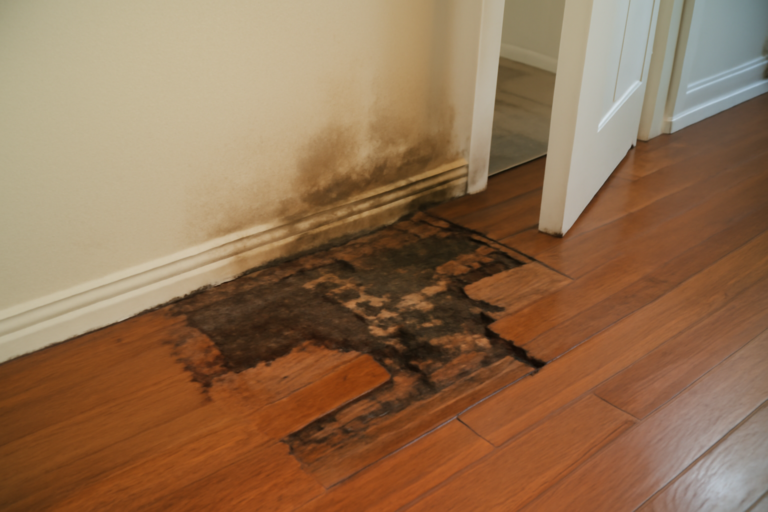
Brown or yellowish stains on walls, ceilings, or floors, especially if they appear suddenly, can signal water that has picked up contaminants from building materials or the ground. These stains are a sign of waterborne impurities.
Visible Mold or Mildew
Any visible signs of mold growth, particularly in areas where water damage has occurred or is suspected, indicate a serious contamination issue. Mold thrives in damp, unsanitary conditions. You must address mold growth immediately.
Sewage Backup or Foul Smells Near Drains
If you experience sewage backing up into toilets, sinks, or showers, or notice unusually foul odors emanating from your plumbing fixtures, this is a clear sign of contaminated water. This is a high-risk contamination scenario.
Unexplained Dampness or Wet Spots
Finding dampness on carpets, subflooring, or walls without an obvious clean water source suggests water may have entered from an external, potentially contaminated source. These wet spots are a warning. Look for unexplained moisture.
Health Symptoms Such As Nausea or Respiratory Issues
If family members are experiencing unexplained nausea, headaches, or respiratory problems after a water incident, it could be due to airborne contaminants from the water damage. Your family’s health is paramount. Seek professional health assessment if symptoms persist.
Contaminated Water Cleanup vs. DIY: When To Call a Professional
| Situation | DIY? | Call a Pro? | Why |
|---|---|---|---|
| Minor spill from a clean water source (e.g., a spilled glass of water) | Yes | No | Easy to clean and dry with household items. |
| Toilet overflow with only clear water, contained to the toilet bowl | Yes | No | If it doesn’t spread and is immediately cleaned. |
| Sewer backup into your home, even a small amount | No | Yes | Sewage contains dangerous pathogens requiring specialized treatment. |
| Flooding from a nearby river or stream | No | Yes | Floodwater is often heavily contaminated with debris and bacteria. |
| Leaking pipe in a wall that has caused dampness and potential mold | No | Yes | Hidden moisture and mold are serious health risks and need professional assessment. |
| Water damage after a storm with debris and unknown contaminants | No | Yes | The source and type of contamination are unknown and potentially hazardous. |
For any situation involving water that you suspect is contaminated, or if the water has spread significantly, calling a professional is always the safest choice. These situations pose significant health risks that DIY methods can’t adequately address. Getting it done right the first time saves you money and protects your family.
Contaminated Water Cleanup Cost In Duluth, GA
The cost for contaminated water cleanup in Duluth, GA, can vary widely. Factors like the severity of the contamination, the size of the affected area, and the type of materials damaged all play a role. These figures are estimates to give you an idea of potential expenses.
| Service | Typical Price Range | What Affects Cost |
|---|---|---|
| Initial Inspection and Water Extraction | $500 – $3,000 | Volume of water, accessibility, and urgency. |
| Decontamination and Sanitization | $750 – $4,000 | Square footage treated, type of disinfectants used, and number of applications. |
| Drying and Dehumidification Equipment Rental | $300 – $1,500 | Duration of drying needed, number of units deployed. |
| Odor Removal Treatments | $400 – $2,000 | Severity of odor, type of treatment required (e.g., ozone, thermal fogging). |
| Contents Cleaning and Restoration | $500 – $5,000+ | Number of items affected, complexity of cleaning required, and restoration needs. |
| Demolition and Disposal of Contaminated Materials | $500 – $3,000+ | Amount of material to remove, disposal fees, and labor involved. |
An on-site assessment is necessary for an accurate quote. We offer free, no-obligation estimates to help you understand the exact costs for your specific situation.
Service Areas Near Duluth, GA
Suwanee, Norcross, Johns Creek, Peachtree Corners, Lilburn, Tucker, Lawrenceville, Snellville, Alpharetta, Buford, Chamblee, Dunwoody, Doraville, Sandy Springs, Roswell, Marietta, Decatur, Stone Mountain, Atlanta, Acworth.
Common Questions About Contaminated Water Cleanup
What is considered contaminated water?
Contaminated water, often referred to as Category 3 water, includes any water that is unsanitary and contains harmful bacteria, viruses, fungi, or other pathogens. This can come from sewage backups, floodwaters from rivers or streams, or any water source that has been stagnant and exposed to decay. Our team uses advanced testing methods to identify and neutralize these contaminants effectively.
How long does contaminated water cleanup take?
The timeline for contaminated water cleanup varies greatly depending on the extent of the damage, the amount of water, and the materials affected. Extraction might take 1-2 days, but thorough drying and decontamination can extend to several days or even weeks. We work efficiently to restore your home safely.
Is contaminated water dangerous to my family’s health?
Yes, absolutely. Contaminated water poses significant health risks, including gastrointestinal illnesses, respiratory problems, skin infections, and exposure to dangerous pathogens. It’s crucial to have contaminated areas treated by professionals to ensure complete sanitization. We prioritize your family’s well-being.
What is the difference between water damage and contaminated water damage?
Water damage can come from a clean source (Category 1, like a leaky pipe) or a grey water source (Category 2, like a washing machine overflow). Contaminated water damage (Category 3) involves unsanitary water that is a serious health threat. Our specialized equipment and treatments are designed specifically for Category 3 situations.
Can I prevent contaminated water damage?
While not all contaminated water events can be prevented (like severe flooding), you can take steps to mitigate risk. Regularly inspect plumbing, maintain sump pumps, and consider backflow prevention for sewer lines. For existing damage, prompt action is key to minimizing contamination spread. We can advise on preventative measures.
Check Our Other Relevant Services

Jerry Johns is a licensed Damage Restoration Expert with over 20 years of hands-on experience helping homeowners and businesses navigate property crises. As a trusted authority in the field, Jerry combines technical precision with a compassionate approach to disaster recovery.
𝗖𝗲𝗿𝘁𝗶𝗳𝗶𝗰𝗮𝘁𝗶𝗼𝗻𝘀: Jerry holds multiple elite IICRC certifications, including Water Damage Restoration (WRT), Applied Microbial Remediation (Mold), Applied Structural Drying (ASD), Odor Control, and Fire and Smoke Restoration.
𝗙𝗮𝘃𝗼𝗿𝗶𝘁𝗲 𝗣𝗮𝘀𝘁𝗶𝗺𝗲: When he isn’t on a job site, Jerry is an avid outdoorsman who enjoys fly fishing and restoring vintage woodworking tools.
𝗕𝗲𝘀𝘁 𝗣𝗮𝗿𝘁 𝗼𝗳 𝘁𝗵𝗲 𝗝𝗼𝗯: Jerry finds the most fulfillment in seeing the relief on a client’s face when their property is finally restored to its pre-loss condition, turning a stressful disaster into a fresh start.