Trusted by 165+ Homeowners
Contaminated Water Cleanup in Lithia Springs, GA
- Over 165 5-Star Reviews
- Free Estimates and Quotes
- 100% Satisfaction Guaranteed
- Child, Family & Pet Safe Steps
- 24-Hour Emergency Service
- Fully Licensed & Insured

When Brown Water Invades Your Home in Lithia Springs, GA
You walk into your basement, or maybe just down the hall, and you see it. A murky, brown liquid pooling on your floor. It’s not just water; there’s a distinct, unpleasant odor, too. This is a situation that requires immediate attention because contaminated water poses serious health risks. You need a specialist who understands the science behind safely removing this type of water and ensuring your home is truly clean again. This isn’t a minor inconvenience; it’s a potential health hazard that needs expert intervention now.
Homeowners around here have trusted our team for over 165 five-star reviews because we tackle contaminated water situations with the seriousness they deserve. We’re not just cleaning up water; we’re mitigating risk and restoring safety to your property. You can count on our local crews to respond quickly and effectively, protecting your family and your home from further damage. We’ve handled countless scenarios, from sewer backups to floodwaters, and we’re prepared for yours.
- We use specialized equipment designed to detect and remove even microscopic contaminants, ensuring a truly sanitary environment after cleanup.
- Our technicians follow strict containment protocols to prevent the spread of bacteria and mold, safeguarding your indoor air quality.
- We provide detailed documentation of the cleanup process, which can be invaluable for insurance claims and your own records.
The Science Behind Contaminated Water Cleanup
Dealing with contaminated water is far more complex than simply mopping up a spill. It involves understanding the specific type of contamination and applying the correct scientific principles for removal and remediation. Cutting corners here can lead to lingering health issues and secondary damage like mold growth. Our approach focuses on thorough extraction, effective disinfection, and complete drying, all guided by industry-standard protocols. We bring a systematic, science-based method to every contaminated water job.
Containment and Assessment
The first step is always containment. We’ll set up physical barriers, often using specialized plastic sheeting and negative air pressure, to isolate the affected area. This stops contaminated materials and airborne particles from spreading to unaffected parts of your home. Our technicians then perform a detailed assessment, identifying the source of the contamination and the full extent of the water damage using advanced moisture meters and thermal imaging cameras. This critical initial phase ensures we address the problem completely.
Water Extraction
We employ powerful, truck-mounted or portable extraction units specifically designed for contaminated water. These machines remove standing water efficiently, getting down to the sub-flooring and baseboards to extract as much liquid as possible. The goal is to remove the bulk of the water as rapidly as possible to prevent further saturation and damage to your home’s structure. This process is more intensive than standard water removal.
Cleaning and Disinfection
Once the standing water is gone, the real work of decontamination begins. We use EPA-approved antimicrobial and disinfectant solutions to neutralize bacteria, viruses, and other pathogens often found in contaminated water. This isn’t about making it smell nice; it’s about killing harmful microorganisms and preventing their regrowth. We meticulously clean all affected surfaces, including walls, floors, and structural elements. This step is vital for your health.
Drying and Dehumidification
Even after extraction and cleaning, materials can remain saturated. We deploy industrial-grade air movers and dehumidifiers to accelerate the drying process. These machines create airflow and pull moisture from the air, lowering humidity levels to prevent mold growth and secondary damage. We constantly monitor moisture content with specialized meters to ensure materials dry to safe, acceptable levels. Proper drying can take days, not hours.
Odor Control
Contaminated water often leaves behind persistent, unpleasant odors. We utilize professional-grade deodorizing agents and, if necessary, ozone or hydroxyl generators to eliminate odors at their source. This ensures your home doesn’t just look clean but smells fresh and healthy again. We target stubborn smells to restore comfort to your living space.
Don’t delay when you suspect contaminated water in your home. The sooner you call, the more we can protect your property and your family’s health. Reach out to us immediately to get a qualified team on-site and begin the critical cleanup process.

Warning Signs You Need Contaminated Water Cleanup
Catching the signs of contaminated water early can make a significant difference in the extent of the damage and the cost of restoration. Ignoring these indicators can lead to serious health problems and structural issues down the line. Pay close attention to what you see, smell, and feel in your home, especially after heavy rains or plumbing issues. Recognizing these early warning signals is your first line of defense.
Musty or Sewage Odors That Won’t Go Away
A persistent, unpleasant smell that doesn’t dissipate, especially in basements or low-lying areas, is a strong indicator of hidden contamination. This odor often signals the presence of bacteria or mold that thrive in damp, unsanitary conditions. Don’t just mask the smell; investigate its source.
Discolored or Murky Water
If you notice water that isn’t clear—it’s brown, yellow, or has visible particles—it’s a clear sign of contamination. This can come from sewage backups, storm drains overflowing, or floodwaters carrying debris and pollutants. This is a definite sign of trouble.
Visible Mold Growth
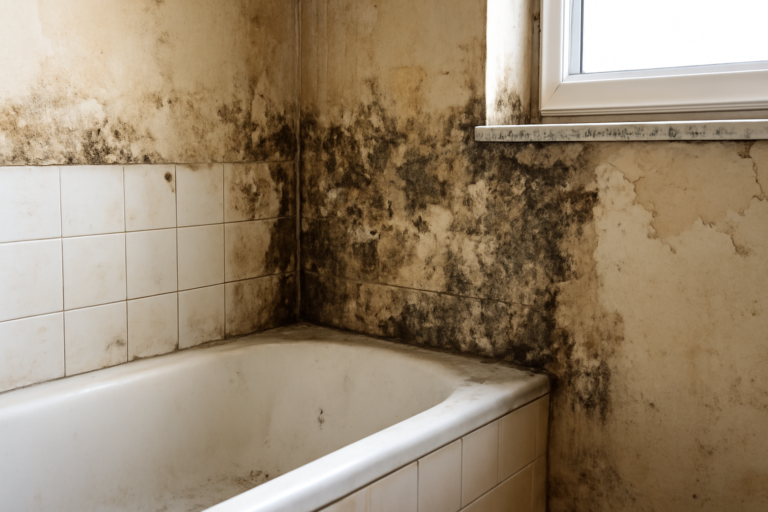
Small spots of mold can sometimes be cleaned by a homeowner, but widespread or rapidly appearing mold, especially accompanied by water, suggests a serious contamination issue. Mold thrives in damp environments and can release spores that impact air quality. Act fast if you see extensive mold.
Strange Residue or Sediment
If you find a slimy film, silt, or unusual sediment left behind after water has receded, it’s a strong indicator that the water was not clean. This residue often contains bacteria and other harmful contaminants from the environment it traveled through. Thorough cleaning is essential.
Water Intrusion from Unsafe Sources
Any water that has come into contact with the ground outside, sewage lines, or flooded streets should be treated as contaminated. This includes water from overflowing rivers, broken sewer mains, or storm surges. Assume it’s hazardous until proven otherwise.
Dampness or Wetness in Unexpected Areas
Even if you don’t see standing water, persistent dampness in carpets, walls, or under flooring can mean a slow leak of contaminated water. This moisture creates an ideal breeding ground for bacteria and mold. Don’t ignore damp spots.
Contaminated Water Cleanup vs. DIY: When To Call a Professional
| Situation | DIY? | Call a Pro? | Why |
|---|---|---|---|
| Minor spill from a clean water source (e.g., a burst pipe with clear water) | Yes | No | Simple cleanup and drying is usually manageable. |
| Standing brown water in a basement after heavy rain | No | Yes | This water is likely contaminated and requires specialized extraction and disinfection. |
| Sewage backup in toilets or drains | Absolutely Not | Yes | Sewage is highly hazardous and requires professional containment, removal, and sanitization. |
| Water damage from a flooded river or creek | No | Yes | Floodwaters carry a multitude of contaminants and require professional remediation. |
| Dampness behind a wall after a minor leak | Maybe (if very small and caught immediately) | Yes | Hidden moisture can harbor mold and bacteria, needing professional assessment. |
| Water that smells foul but you can’t see the source | No | Yes | The smell indicates contamination that needs professional identification and cleanup. |
When dealing with anything beyond a simple clean water spill, calling a professional is almost always the right choice. Contaminated water poses significant health risks that DIY methods often can’t fully address. Our trained technicians have the proper equipment and knowledge to safely handle these hazardous situations, protecting your home and family. You want expert remediation for true safety.
Contaminated Water Cleanup Cost In Lithia Springs, GA
The cost for contaminated water cleanup in Lithia Springs, GA can vary significantly. Factors like the extent of the water damage, the type of contamination, the size of the affected area, and the necessary drying time all play a role. These figures are general estimates, not firm quotes, as each situation is unique. We always provide a detailed estimate after an on-site assessment.
| Service Aspect | Typical Price Range | What Affects Cost |
|---|---|---|
| Initial Assessment & Containment Setup | $300 – $1,000 | Complexity of the contamination and size of the containment zone. |
| Contaminated Water Extraction | $500 – $2,500 | Volume of water to be removed and accessibility of the area. |
| Specialized Cleaning & Disinfection | $400 – $2,000 | Square footage of affected surfaces and the strength of cleaning agents required. |
| Industrial Drying & Dehumidification | $600 – $3,000+ | Duration of drying needed (can be days) and number of units deployed. |
| Odor Removal Services | $300 – $1,500 | Severity of the odor and the technology used (e.g., ozone generators). |
| Structural Drying & Material Removal (if needed) | $1,000 – $5,000+ | Amount of contaminated materials (e.g., drywall, carpet) that must be removed and replaced. |
It’s important to remember that these are just ranges. We offer free, no-obligation estimates to give you a clear picture of the costs involved for your specific situation. Getting a professional assessment is the best way to understand the true cost.
Service Areas Near Lithia Springs, GA
Atlanta, Austell, Smyrna, Marietta, Powder Springs, Douglasville, Kennesaw, Mableton, Hiram, Acworth, Vinings, Lithia Springs, Clarkdale, Lithonia, Ellenwood, Stockbridge, Union City, Forest Park, Riverdale, Fayetteville.
Common Questions About Contaminated Water Cleanup
What is considered contaminated water?
Contaminated water, often referred to as Category 2 (gray water) or Category 3 (black water), includes water that has been exposed to sewage, floodwaters, or other unsanitary sources. This type of water contains bacteria, viruses, and other harmful pathogens. Our team uses specialized cleaning agents and techniques to effectively neutralize these threats and restore a safe environment.
How long does contaminated water cleanup take?
The timeline for contaminated water cleanup can vary greatly depending on the severity and extent of the damage. While water extraction might happen within a day or two, the drying and disinfection process can take anywhere from several days to over a week. We work diligently to restore your home as quickly as possible while ensuring all contaminants are properly addressed. We’ll provide a realistic timeline after our initial assessment.
Is contaminated water cleanup covered by insurance?
In many cases, contaminated water cleanup is covered by homeowners insurance, especially if the contamination resulted from a sudden, accidental event like a sewage backup or storm damage. However, coverage can depend on your specific policy and the cause of the contamination. We can help you navigate the insurance claims process and provide the necessary documentation for your claim.
What are the health risks of contaminated water in my home?
Exposure to contaminated water can lead to a range of health issues, including gastrointestinal illnesses, respiratory problems, skin infections, and allergic reactions. The longer contaminated water sits, the more it contaminates surfaces and the air. Our priority is to mitigate these risks immediately through thorough cleaning, disinfection, and drying procedures to protect your family’s well-being.
Can I prevent contaminated water damage?
While not all contaminated water events can be prevented, some proactive steps can reduce the risk. Regularly maintaining plumbing, installing backwater valves, and ensuring proper grading around your home to direct rainwater away can help. If you’re in an area prone to flooding, consider flood insurance and reinforcing your property. We can also advise on preventative measures after a cleanup to minimize future risks.
Check Our Other Relevant Services

Jerry Johns is a licensed Damage Restoration Expert with over 20 years of hands-on experience helping homeowners and businesses navigate property crises. As a trusted authority in the field, Jerry combines technical precision with a compassionate approach to disaster recovery.
𝗖𝗲𝗿𝘁𝗶𝗳𝗶𝗰𝗮𝘁𝗶𝗼𝗻𝘀: Jerry holds multiple elite IICRC certifications, including Water Damage Restoration (WRT), Applied Microbial Remediation (Mold), Applied Structural Drying (ASD), Odor Control, and Fire and Smoke Restoration.
𝗙𝗮𝘃𝗼𝗿𝗶𝘁𝗲 𝗣𝗮𝘀𝘁𝗶𝗺𝗲: When he isn’t on a job site, Jerry is an avid outdoorsman who enjoys fly fishing and restoring vintage woodworking tools.
𝗕𝗲𝘀𝘁 𝗣𝗮𝗿𝘁 𝗼𝗳 𝘁𝗵𝗲 𝗝𝗼𝗯: Jerry finds the most fulfillment in seeing the relief on a client’s face when their property is finally restored to its pre-loss condition, turning a stressful disaster into a fresh start.