Trusted by 165+ Homeowners
Corroded Pipe Water Damage Restoration in College Park, GA
- Over 165 5-Star Reviews
- Free Estimates and Quotes
- 100% Satisfaction Guaranteed
- Child, Family & Pet Safe Steps
- 24-Hour Emergency Service
- Fully Licensed & Insured

Don’t Let Corroded Pipes Ruin Your College Park, GA Home
You might not think much about your pipes until there’s a problem, but corroded plumbing can silently wreak havoc on your property. If you’re seeing rust stains on your walls, hearing strange noises from your plumbing, or noticing an unusual metallic smell, it’s a strong sign that your pipes are deteriorating. Ignoring these early indicators could lead to significant water damage, mold growth, and expensive repairs down the line. It’s crucial to address corroded pipe issues proactively to protect your home’s structure and your family’s health.
Homeowners around here have trusted our team with their water damage emergencies for years, and our 165+ five-star reviews tell the story. We understand the unique challenges that aging infrastructure can present in older neighborhoods. When you’re dealing with the stress of a water leak from corroded pipes, you need a team that responds quickly and knows exactly what to do. We’re committed to providing fast, reliable service to get your home back to normal.
- Swiftly stop the source of the leak and prevent further water intrusion, protecting your home from escalating damage.
- Thoroughly dry out affected areas using specialized equipment to inhibit mold and mildew growth, ensuring a healthier living environment.
- Restore your property to its pre-loss condition, addressing structural repairs and cosmetic finishes with meticulous attention to detail.
How Corroded Pipe Water Damage Restoration Actually Works
Dealing with water damage from corroded pipes requires a systematic approach. The first few hours are absolutely critical; the longer water sits, the more damage it causes, and the higher the eventual cost. Our process is designed for speed and efficiency because we know that time is of the essence. We don’t just clean up the mess; we meticulously restore your home, ensuring that every trace of moisture is removed and that the underlying issue is addressed. This attention to detail is why so many local residents rely on us when they experience this specific type of damage.
1. Emergency Response and Water Extraction
Upon arrival, our first priority is to locate and stop the source of the leak. We’ll then deploy powerful extraction equipment, like truck-mounted vacuums and industrial-grade pumps, to remove standing water. This initial phase is vital for minimizing further damage and can often be completed within a few hours, depending on the extent of the flooding. We work diligently to get as much water out as quickly as possible.
2. Structural Drying and Dehumidification
Once the bulk of the water is gone, we set up specialized drying equipment, including high-velocity air movers and industrial dehumidifiers. These machines work around the clock to pull moisture out of the air and building materials like drywall, wood, and carpet padding. This stage typically takes 2-5 days, sometimes longer, depending on how deeply the moisture has penetrated. Proper drying prevents secondary issues like mold.
3. Mold and Mildew Prevention
Even after visible water is removed, microscopic mold spores can begin to grow if residual moisture remains. We use EPA-registered antimicrobial treatments on affected surfaces to inhibit mold and mildew growth. This step is crucial for maintaining healthy indoor air quality and preventing long-term health concerns associated with mold exposure. We ensure all treated areas are safe.
4. Content Cleaning and Restoration
We carefully assess all affected personal belongings, including furniture, carpets, and other items. Depending on the material and the extent of the damage, items may be cleaned on-site or taken to our facility for more specialized restoration. Our goal is to salvage as much as possible, saving you money and preserving your cherished possessions. We handle everything with great care and expertise.
5. Reconstruction and Repair
After everything is dry and clean, our team will handle any necessary reconstruction. This could involve replacing damaged drywall, flooring, insulation, or even sections of plumbing if the corrosion was severe. We aim to restore your property to its original condition, making it look and feel as if the damage never happened. You’ll appreciate our meticulous craftsmanship throughout this phase.
Don’t wait for a small leak to turn into a major disaster. If you suspect corroded pipes are causing damage, call us immediately for prompt and professional assistance. We’re ready to help you through this stressful situation.

Warning Signs You Need Corroded Pipe Water Damage Restoration
Catching the signs of corroded pipes early can save you a lot of money and prevent widespread damage to your home. These issues often develop slowly, but their effects can be devastating if left unchecked. Recognizing these warning signs is the first step toward protecting your property. Pay close attention to any changes you notice, as they could indicate a serious problem brewing within your walls.
Discolored Water or Rust Stains
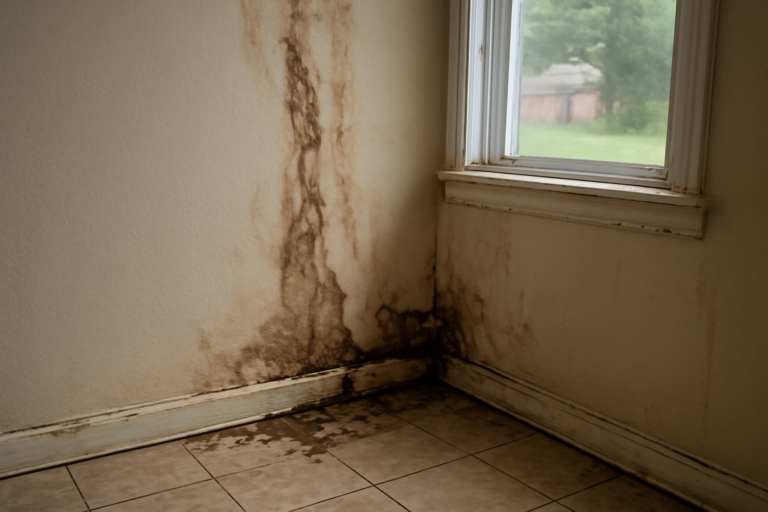
If the water coming from your faucets is rusty or discolored, it’s a clear indicator that the inside of your pipes is corroding. You might also see rust-colored stains around drains or where water has leaked onto surfaces. This is a direct sign of metal degradation and a precursor to leaks.
Musty Odors That Won’t Go Away
A persistent musty or earthy smell, especially in areas with plumbing like bathrooms or kitchens, can signal hidden water leaks. Corroded pipes often develop small pinhole leaks that allow water to seep into walls, floors, or ceilings, creating an environment where mold and mildew can thrive. These hidden moisture pockets are a serious concern.
Reduced Water Pressure
As pipes corrode, the interior surfaces can become rough and build up mineral deposits, narrowing the passageway for water. This buildup restricts flow, leading to a noticeable decrease in water pressure throughout your home. Low pressure can be a sign of significant internal pipe damage.
Strange Noises from Pipes
Gurgling, banging, or whistling sounds coming from your plumbing system can indicate issues like air pockets or blockages caused by corrosion and mineral buildup. These noises aren’t just annoying; they can be a signal that your pipes are under stress and potentially weakening. Listen for unusual plumbing sounds.
Warped Walls or Ceilings
If you notice areas of your drywall or ceiling that appear to be bulging, sagging, or discolored, it’s often a sign of water seeping from behind the surface. This is a direct result of a leak, likely from corroded pipes, that has saturated the building materials. Such damage indicates extensive water intrusion.
Puddles or Damp Spots
Any visible puddles or consistently damp spots on your floors, especially near sinks, toilets, or appliances connected to plumbing, are immediate red flags. Don’t assume it’s just a minor spill; it could be a symptom of a leaking pipe that requires immediate attention. These wet areas need prompt assessment.
Corroded Pipe Water Damage Restoration vs. DIY: When To Call a Professional
| Situation | DIY? | Call a Pro? | Why |
|---|---|---|---|
| Minor surface rust visible on an exposed pipe | Yes, if you’re comfortable with basic plumbing maintenance. | No, usually. | Surface rust might be cosmetic or a sign of minor condensation. Monitor it closely. |
| Small pinhole leak from a corroded pipe | No. | Yes, absolutely. | Pinhole leaks are a sign of advanced corrosion and can quickly worsen, causing significant damage. |
| Discolored water or metallic taste/smell | No. | Yes, immediately. | This indicates internal pipe corrosion and potential contamination, requiring professional assessment and pipe treatment or replacement. |
| Water stains on walls or ceilings | No. | Yes, immediately. | Stains mean water has penetrated building materials, requiring professional drying and assessment for mold and structural integrity. |
| Significant water pooling or flooding | No. | Yes, immediately. | Large amounts of water require specialized extraction and drying equipment that only professionals possess. |
| Suspected widespread pipe corrosion throughout the home | No. | Yes, for a full assessment. | This often necessitates a comprehensive inspection and potentially a pipe replacement plan, which is a professional job. |
While minor issues might seem manageable, any situation involving actual water leaks from corroded pipes should be handled by professionals. The risks of mold, structural damage, and electrical hazards are too great to attempt DIY repairs for anything beyond surface-level concerns. Our team has the specialized tools and training to address these complex problems effectively.
Corroded Pipe Water Damage Restoration Cost In College Park, GA
The cost for corroded pipe water damage restoration in College Park, GA can vary significantly. Factors like the extent of the water damage, the size of the affected area, and the complexity of the repairs all play a role. These figures are estimates and a thorough on-site inspection is needed for an accurate quote. We aim to be transparent about potential costs.
| Service | Typical Price Range | What Affects Cost |
|---|---|---|
| Emergency Water Extraction | $300 – $1,500 | The volume of water removed and the time required. |
| Structural Drying and Dehumidification | $750 – $3,000 | The size of the affected space and the duration of drying needed. |
| Mold Prevention Treatment | $200 – $800 | The square footage treated and the type of treatment applied. |
| Content Cleaning and Restoration | $200 – $2,000+ | Number of items, their value, and the complexity of cleaning required. |
| Minor Drywall and Insulation Repair | $500 – $2,500 | The amount of material needing replacement and labor intensity. |
| Plumbing Assessment and Minor Repair | $400 – $1,200 | Complexity of accessing pipes, parts needed, and labor hours. |
These price ranges are meant to give you a general idea. For a precise estimate tailored to your specific situation, please contact us for a free, no-obligation assessment of the damage. We want you to have all the information you need.
Service Areas Near College Park, GA
Atlanta, East Point, Hapeville, Forest Park, Riverdale, Jonesboro, Morrow, Clayton, Lovejoy, Stockbridge, McDonough, Fayetteville, Tyrone, Palmetto, Lithia Springs, Austell, Smyrna, Vinings, Sandy Springs, Roswell.
Common Questions About Corroded Pipe Water Damage Restoration
What causes pipes to corrode?
Pipes corrode due to a variety of factors, including the age of the plumbing system, the mineral content and pH of your water, and the type of pipe material used. Over time, these elements can break down the pipe’s protective layers, leading to rust and eventual leaks. Identifying the cause is key to preventing future issues, and our team can help assess this during our restoration process.
How quickly do I need to address corroded pipe water damage?
You need to address it immediately. The first 24-48 hours are critical. The longer water sits, the more damage it causes to your home’s structure, finishes, and belongings, and the higher the risk of mold growth. Prompt action significantly reduces the overall cost and complexity of repairs. We offer 24/7 emergency response to tackle these situations fast.
Will my homeowner’s insurance cover corroded pipe water damage?
Typically, homeowner’s insurance policies cover water damage caused by sudden and accidental pipe bursts or leaks. However, they often exclude damage resulting from long-term neglect or gradual deterioration, like slow corrosion. It’s always best to review your specific policy or contact your insurance provider directly. We can work with your adjuster to ensure all covered damages are properly documented and repaired, providing detailed damage reports.
How do you know if the pipes are truly corroded and not just old?
Our technicians are trained to identify the visual signs of corrosion, such as rust-colored water, pitting on pipe surfaces, and mineral buildup. We use specialized tools and our experience to differentiate between normal wear and tear and active corrosion that poses an immediate risk of leakage. We conduct a thorough pipe inspection as part of our assessment process.
Can I prevent my pipes from corroding in the first place?
Preventing corrosion involves a few strategies. Regularly flushing your hot water heater can remove sediment. Installing a whole-house water filter can help if your water has high mineral content. Sometimes, older homes may require proactive pipe replacement before severe corrosion sets in. While we can’t prevent initial corrosion, we specialize in mitigating the damage and can offer advice on long-term pipe health.
Check Our Other Relevant Services

Jerry Johns is a licensed Damage Restoration Expert with over 20 years of hands-on experience helping homeowners and businesses navigate property crises. As a trusted authority in the field, Jerry combines technical precision with a compassionate approach to disaster recovery.
𝗖𝗲𝗿𝘁𝗶𝗳𝗶𝗰𝗮𝘁𝗶𝗼𝗻𝘀: Jerry holds multiple elite IICRC certifications, including Water Damage Restoration (WRT), Applied Microbial Remediation (Mold), Applied Structural Drying (ASD), Odor Control, and Fire and Smoke Restoration.
𝗙𝗮𝘃𝗼𝗿𝗶𝘁𝗲 𝗣𝗮𝘀𝘁𝗶𝗺𝗲: When he isn’t on a job site, Jerry is an avid outdoorsman who enjoys fly fishing and restoring vintage woodworking tools.
𝗕𝗲𝘀𝘁 𝗣𝗮𝗿𝘁 𝗼𝗳 𝘁𝗵𝗲 𝗝𝗼𝗯: Jerry finds the most fulfillment in seeing the relief on a client’s face when their property is finally restored to its pre-loss condition, turning a stressful disaster into a fresh start.