Trusted by 165+ Homeowners
Drywall Water Damage Repair in College Park, GA
- Over 165 5-Star Reviews
- Free Estimates and Quotes
- 100% Satisfaction Guaranteed
- Child, Family & Pet Safe Steps
- 24-Hour Emergency Service
- Fully Licensed & Insured

When College Park Skies Open Up: Expert Drywall Water Damage Repair
Here in College Park, GA, we know a thing or two about sudden downpours. That summer thunderstorm can roll in fast, and sometimes, even a well-maintained roof can struggle to keep up. When that excess moisture finds its way into your home, your drywall can quickly become a soggy mess. Spotting the signs of water-logged drywall is crucial for preventing more extensive, costly damage to your property. We’re here to help you tackle that unwelcome water intrusion head-on, ensuring your home stays dry and safe. Protecting your investment starts with addressing drywall issues promptly.
Homeowners around here trust us because we understand the unique challenges of living in this area. With over 165 five-star reviews, you can see that our neighbors value our dedicated approach to solving their water-damaged drywall problems. We focus on getting it right the first time, so you can get back to enjoying your home without worry. Getting your home back to normal is our top priority.
- We specialize in the precise drying and repair of water-affected drywall, preventing mold growth and structural compromise that can arise from simple surface drying.
- Our team uses advanced moisture meters and infrared cameras to detect hidden water within your walls, ensuring no dampness is left behind to cause future problems.
- We handle everything from minor stain removal and patching to complete drywall panel replacement, restoring the integrity and appearance of your walls.
How We Tackle Drywall Water Damage Head-On
Dealing with water-damaged drywall can feel overwhelming, but our systematic approach makes it manageable. We know that cutting corners here can lead to bigger headaches down the road, like persistent mold or weakened structures. That’s why we follow a detailed process to ensure your drywall is not just dried, but truly restored. Understanding the process helps you know what to expect. We aim for a thorough, effective repair every time.
Initial Assessment and Water Source Identification
First, we’ll carefully inspect the affected drywall to determine the extent of the damage and, most importantly, find out where the water came from. Identifying the source is key to preventing recurrence. This initial check usually takes about an hour, depending on the complexity.
Containment and Water Extraction
Once we know the source is stopped, we’ll set up containment to prevent the spread of moisture and potential mold. Then, we use specialized equipment to extract any standing water. This step is crucial for minimizing further saturation and usually wraps up within a few hours.
Drying and Dehumidification
This is where we get serious about drying. We use high-velocity air movers and industrial dehumidifiers to pull moisture out of the air and the drywall materials themselves. This intensive drying process can take anywhere from 24 to 72 hours, depending on how saturated everything is. Ensuring complete dryness is non-negotiable.
Mold Prevention and Remediation (If Necessary)
During the drying phase, we’ll also assess for any early signs of mold. If mold is present, we have safe and effective methods for its removal and remediation. Your family’s health is paramount, and we take mold seriously. This step is integrated into the drying process.
Drywall Repair and Restoration
Once everything is completely dry and mold-free, we begin the repair. This might involve patching small holes, replacing entire sections of drywall, texturing to match existing walls, and priming. Our goal is to make the repair virtually unnoticeable. This can take a day or two, depending on the size of the repair.
Don’t let water damage linger. Act quickly to protect your home’s structure and your family’s well-being. Reach out today for a thorough assessment of your water-damaged drywall.

Warning Signs You Need Drywall Water Damage Repair
Catching water damage early can save you a lot of hassle and expense. Your drywall might be trying to tell you something’s wrong. Being aware of these common warning signs means you can call for help before a small issue becomes a major problem. Early detection saves you money and stress.
Discoloration and Stains
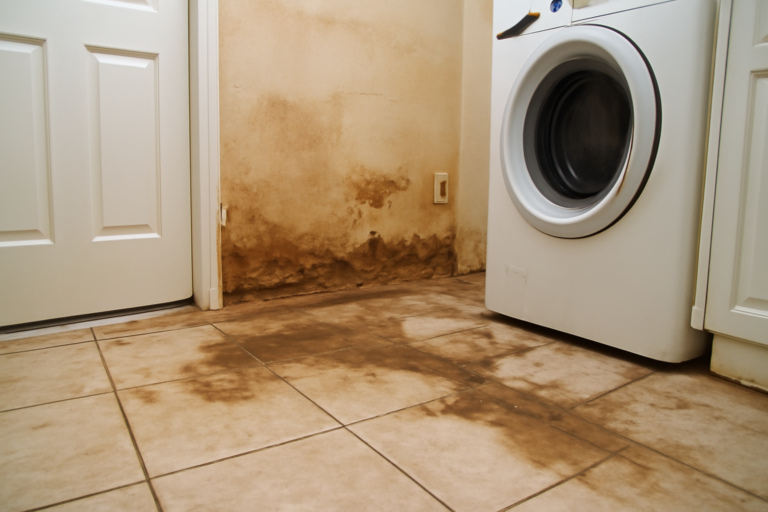
Look for brown or yellow stains on your walls or ceilings. These are often the first visual clue that water has seeped into the drywall. Don’t ignore these spots; they indicate an active moisture problem.
Warping or Sagging Drywall
When drywall gets wet, it loses its rigidity. You might notice sections of your wall or ceiling starting to bulge, sag, or even feel soft to the touch. This is a clear sign of saturation and potential structural weakness.
Peeling or Bubbling Paint/Wallpaper
Water trapped behind paint or wallpaper will cause it to lose its adhesion. You’ll see bubbles form or the material start to peel away from the drywall. This indicates moisture is present and needs attention.
Musty Odors That Won’t Go Away
A persistent damp, musty smell, especially after rain or if you suspect a leak, is a strong indicator of hidden moisture. This odor often means mold or mildew is starting to grow. Address these smells immediately to protect your air quality.
Cracks or Crumbling Drywall
As drywall absorbs water and then dries, it can become brittle and crack. You might see new cracks appear, or existing ones widen. Listen to your walls if they start to show signs of damage.
Drywall Water Damage Repair vs. DIY: When To Call a Professional
| Situation | DIY? | Call a Pro? | Why |
|---|---|---|---|
| Small water spot on drywall from a minor condensation issue. | Yes | No | Often just needs drying and a quick patch. |
| Large, spreading stains on multiple walls or ceiling. | No | Yes | Indicates a significant leak requiring source identification and extensive drying. |
| Drywall is visibly sagging, soft, or crumbling. | No | Yes | Structural integrity is compromised and needs professional assessment and repair. |
| Suspected mold growth (musty smell, visible patches). | No | Yes | Mold requires specialized containment and removal to ensure safety. |
| Water damage from a plumbing leak or roof issue. | No | Yes | Requires professional assessment of the source and thorough drying to prevent recurrence. |
| Minor cosmetic discoloration that is completely dry. | Yes | No | Can often be cleaned or painted over once confirmed dry. |
While small, isolated incidents might seem manageable for a DIY fix, significant water intrusion affecting your drywall almost always warrants professional attention. Our team has the specialized equipment and expertise to ensure the job is done correctly, preventing hidden issues like mold or structural damage that a DIYer might miss. Trust the experts for lasting results.
Drywall Water Damage Repair Cost In College Park, GA
The cost for drywall water damage repair in College Park, GA, can vary quite a bit. Factors like the size of the affected area, the severity of the saturation, and whether mold is involved will influence the final price. These figures are estimates to give you an idea of what to expect. Understanding the costs upfront is helpful.
| Service Aspect | Typical Price Range | What Affects Cost |
|---|---|---|
| Minor Drywall Patching (small holes, stains) | $200 – $700 | Number of patches, texture matching difficulty. |
| Partial Drywall Panel Replacement | $500 – $1,500 | Size of the section, accessibility, need for new framing. |
| Full Drywall Panel Replacement (per panel) | $700 – $2,000 | Type of drywall, height of walls, complexity of the room. |
| Professional Drying and Dehumidification | $500 – $2,500 | Duration of drying needed, number of machines required. |
| Mold Inspection and Prevention Treatment | $300 – $1,200 | Extent of suspected contamination, type of treatment used. |
| Texturing and Painting (after repair) | $400 – $1,800 | Square footage, paint quality, complexity of the finish. |
These ranges are for guidance only. A precise estimate can only be given after our team performs an on-site inspection of your specific situation. We offer free estimates so you know exactly what to expect before any work begins.
Service Areas Near College Park, GA
Atlanta, East Point, Hapeville, Union City, Forest Park, Riverdale, Jonesboro, Morrow, Clayton, Stockbridge, Fayetteville, Tyrone, Palmetto, Lovejoy, McDonough, Lithia Springs, Douglasville, Austell, Smyrna, Atlanta Metro Area
Common Questions About Drywall Water Damage Repair
How long does it take to repair water-damaged drywall?
The timeline really depends on the extent of the damage and how much drying is needed. Thorough drying is essential and can take 24-72 hours or even longer if the saturation is severe. Once dry, the actual repair, patching, and finishing might take another day or two. We work efficiently but never rush the critical drying phase to ensure a lasting repair.
Will my homeowner’s insurance cover drywall water damage?
Typically, homeowner’s insurance covers water damage that is sudden and accidental, like a burst pipe or a roof leak. However, they often do not cover damage from gradual leaks or lack of maintenance. It’s always best to check your specific policy details. We can help document the damage for your claim.
What are the health risks associated with water-damaged drywall?
The primary health risk is mold growth, which can thrive in damp drywall. Inhaling mold spores can cause allergic reactions, asthma symptoms, and other respiratory issues. Protecting your indoor air quality is a major concern. Our team ensures all moisture is removed and any mold is remediated properly.
Do I need to remove the drywall if it got wet?
Not always. If the water exposure was brief and the drywall can be thoroughly dried, sometimes only minor patching is needed. However, if the drywall is stained, sagging, soft, or if mold has started to grow, replacement is usually necessary. We use moisture meters to confirm the drywall is completely dry before deciding on the best repair method.
How can I prevent water damage to my drywall in the future?
Regularly inspect your roof, gutters, and plumbing for any signs of leaks. Ensure your appliances are well-maintained, especially washing machines and dishwashers. Proper ventilation in bathrooms and kitchens also helps prevent condensation issues. Proactive maintenance is your best defense against future water damage.
Check Our Other Relevant Services
- Aquarium Leak Water Damage Restoration in College Park, GA
- Commercial Water Damage Restoration in College Park, GA
Serving College Park, GA And Nearby Areas