Trusted by 165+ Homeowners
Drywall Water Damage Repair in Panthersville, GA
- Over 165 5-Star Reviews
- Free Estimates and Quotes
- 100% Satisfaction Guaranteed
- Child, Family & Pet Safe Steps
- 24-Hour Emergency Service
- Fully Licensed & Insured

When Water Attacks Your Walls: Drywall Water Damage Repair in Panthersville, GA
Did you know that compromised drywall can lose up to 50% of its structural integrity within just 48 hours of water exposure? That’s a significant weakening that can lead to more than just cosmetic issues. Dealing with water-damaged drywall in Panthersville, GA, requires a swift and knowledgeable response. You’re likely seeing stains, sagging, or maybe even mold starting to form. It’s crucial to address this immediate threat before it escalates into a larger, more costly problem for your property.
We understand that dealing with water damage can be stressful. That’s why it’s good to know that over 165 of your neighbors have trusted our team, leaving us five-star reviews for our focused approach to Drywall Water Damage Repair. When water wreaks havoc on your walls, you want a team that gets it right the first time. We’re here to provide that clear, practical help you need, right here in your neighborhood.
- We focus on thorough drying to prevent mold growth, a serious health concern that thrives in damp drywall.
- You’ll get a detailed damage assessment that helps with your insurance claim, ensuring you understand exactly what needs to be repaired.
- Our goal is to restore your walls to their original condition, making the damage virtually undetectable and preventing future issues.
How Drywall Water Damage Repair Actually Works
When water finds its way into your drywall, it’s not just the surface that’s affected. The paper facing can disintegrate, and the gypsum core can become soft and crumbly. A proper repair process involves more than just slapping on some joint compound. We meticulously assess the extent of the saturation and potential for mold, ensuring we address the root cause and not just the visible symptoms. Cutting corners here means you’ll likely face recurring problems and potential health hazards down the line.
Step 1: Initial Assessment and Containment
Our first step is always a thorough inspection. We’ll check for the source of the water and assess how far it has penetrated the drywall. This involves using specialized moisture meters to identify all wet areas. We then work to contain the water and prevent further damage, setting up barriers if necessary. This phase often takes a few hours depending on the complexity.
Step 2: Water Extraction and Drying
If there’s standing water, we’ll extract it using professional-grade equipment. Then, the critical drying process begins. We use high-velocity air movers and dehumidifiers to pull moisture out of the air and the affected materials. This is a crucial step for preventing mold and structural weakening. Proper drying can take anywhere from 24 hours to several days, depending on the saturation level.
Step 3: Damaged Drywall Removal
Once everything is dry, we carefully remove the compromised sections of drywall. We cut out the wet, damaged material, ensuring we get beyond the visible stains to the point where the drywall is structurally sound. This step is essential for a lasting repair. We’re meticulous about minimizing mess during this process.
Step 4: Mold Prevention and Sealing
Before we install new drywall, we treat the exposed studs and surrounding areas with an antimicrobial solution to prevent any dormant mold spores from growing. This is a vital step for your family’s health. We also apply a mold-inhibiting primer to the new drywall. This protective layer is key to long-term health.
Step 5: New Drywall Installation and Finishing
We then hang and tape new drywall to perfectly match the existing wall. This is followed by texturing and painting to blend seamlessly with your existing walls. Our goal is to make it look like the damage never happened. The finishing touches are where we restore the aesthetic appeal of your home.
Don’t let water damage linger. Addressing it quickly means less expense and less disruption to your life. Get a professional assessment for your drywall today.

Warning Signs You Need Drywall Water Damage Repair
Catching water damage in your drywall early can save you a significant amount of money and prevent the development of more serious issues, like mold infestations or structural instability. Your walls will often give you clues that something isn’t right. Paying attention to these signs means you can call for help before the problem becomes overwhelming.
Discolored Stains on Walls or Ceilings
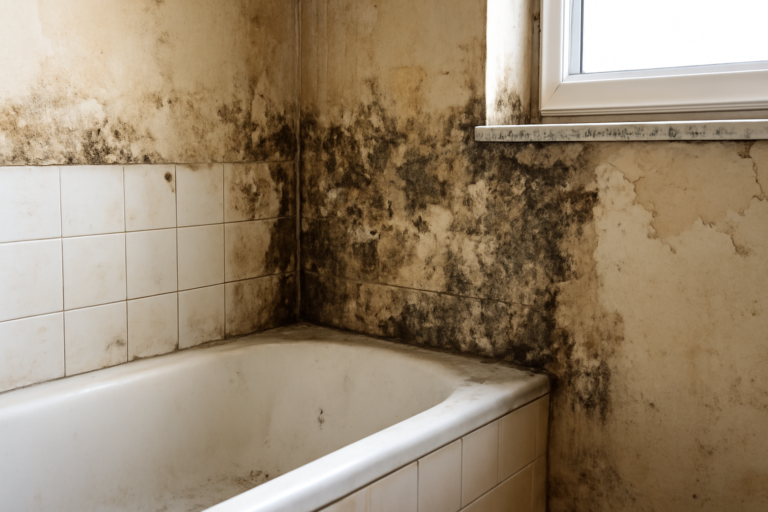
These are the most obvious signs. Water leaves behind rusty or yellowish-brown stains as it seeps through the drywall. These spots are a clear indicator of moisture and potential damage underneath the surface.
Sagging or Bubbling Drywall
When drywall absorbs too much water, its structural integrity is compromised. It can start to sag or bubble, appearing soft and distorted. This is a sign that the gypsum core is breaking down, requiring immediate professional attention.
Peeling or Blistered Paint
Water trapped behind paint can cause it to lose its adhesion to the drywall. You might see paint peeling away in sheets or forming blisters. This indicates that moisture is present and damaging the paint layer.
Musty Odors That Won’t Go Away
Even if you can’t see visible water, a persistent musty smell often means mold is growing behind the walls. Mold thrives in damp environments created by water intrusion. This smell is a serious health warning sign.
Cracks or Holes in the Drywall
Water saturation can weaken drywall to the point where it cracks easily or even develops small holes. You might notice these appearing unexpectedly. These compromised areas need prompt repair to prevent further issues.
Soft Spots or Crumbling Drywall
If you touch a section of drywall and it feels soft, spongy, or crumbles easily, it’s definitely water-damaged. This indicates the gypsum core has been significantly weakened. This is a critical sign for repair.
Drywall Water Damage Repair vs. DIY: When To Call a Professional
| Situation | DIY? | Call a Pro? | Why |
|---|---|---|---|
| Minor surface stain on a small patch of drywall (no structural change) | Yes | No | Easy to clean and paint over if the source is fixed. |
| Visible mold growth on drywall | No | Yes | Mold can be a health hazard and requires specialized removal. |
| Drywall is sagging, bubbling, or feels soft to the touch | No | Yes | Indicates structural compromise that needs professional assessment and repair. |
| Large areas (more than a few square feet) affected by water | No | Yes | Requires professional drying equipment and extensive repair to prevent future problems. |
| Water source is ongoing or unresolved (e.g., leaky pipe) | No | Yes | The source must be fixed before any repair work can begin. |
| You suspect water damage in hidden areas (behind walls, in ceilings) | No | Yes | Specialized tools are needed to detect and address hidden moisture. |
While small, superficial water spots might seem like a simple DIY fix, anything involving structural integrity, mold, or extensive saturation is best left to the pros. A proper repair ensures the problem is fully resolved and doesn’t return.
Drywall Water Damage Repair Cost In Panthersville, GA
The cost for Drywall Water Damage Repair in Panthersville, GA, can vary significantly based on the size of the affected area and the extent of the damage. These figures are general estimates and a precise quote will depend on an on-site evaluation. Our team is committed to transparency, so you’ll always know what to expect financially.
| Service | Typical Price Range | What Affects Cost |
|---|---|---|
| Minor Drywall Patch Repair (up to 2 sq ft) | $300 – $700 | Complexity of patch, texture matching, and paint. |
| Medium Drywall Panel Replacement (2-10 sq ft) | $700 – $2,500 | Amount of material, labor for removal/installation, and finishing. |
| Large Area Drywall Replacement (over 10 sq ft) | $2,500 – $7,500+ | Extensive demolition, drying, mold remediation, and significant re-installation. |
| Water Extraction and Structural Drying | $500 – $3,000+ | Volume of water, size of area, and duration of drying needed. |
| Mold Remediation (if present) | $500 – $5,000+ | Severity and type of mold, and accessibility of affected areas. |
| Priming and Painting (per coat, per room) | $200 – $600 | Wall height, number of coats, and quality of paint used. |
We offer free estimates to give you a clear understanding of the costs involved for your specific situation. Contact us to schedule your assessment and get a detailed cost breakdown.
Service Areas Near Panthersville, GA
Atlanta, Decatur, Avondale Estates, Scottdale, Clarkston, Pine Lake, Tucker, Lilburn, Stone Mountain, Snellville, Lawrenceville, Norcross, Duluth, Suwanee, Johns Creek, Alpharetta, Roswell, Sandy Springs, Dunwoody, Chamblee.
Common Questions About Drywall Water Damage Repair
How long does it take to repair water-damaged drywall?
The timeline for Drywall Water Damage Repair can vary greatly. It depends on the initial water saturation, how quickly we can dry the area, and the extent of the damage. Simple patches might take a day or two, while larger sections needing extensive drying and finishing could take a week or more. We’ll provide a realistic timeline after our initial assessment.
Will my insurance cover Drywall Water Damage Repair?
Generally, homeowners insurance covers water damage caused by sudden, accidental events like burst pipes or severe storms. Damage from slow leaks or poor maintenance is often not covered. We work closely with your insurance company, documenting all damage and repairs to help you navigate the claims process. We aim to make your insurance claim as smooth as possible.
Is it dangerous to have water-damaged drywall in my home?
Yes, it can be. The primary danger is mold growth, which can cause respiratory problems and allergic reactions. Furthermore, severely water-damaged drywall loses its structural integrity, which could lead to sagging or even collapse in extreme cases. Addressing water damage promptly is crucial for your family’s health and safety.
What equipment do you use to dry out wet drywall?
We use specialized equipment designed for effective water damage restoration. This includes industrial-grade dehumidifiers to remove moisture from the air, high-velocity air movers to speed up evaporation, and advanced moisture meters to accurately measure saturation levels. This equipment allows us to dry your home thoroughly and efficiently, preventing secondary damage.
How can I prevent future drywall water damage?
Regular maintenance is key. Check for leaks around pipes, under sinks, and in your roof and basement. Ensure your gutters are clean and draining properly, and that your plumbing is in good condition. Promptly addressing any small leaks you find can prevent major water damage and costly repairs. Proactive checks are your best defense strategy.
Check Our Other Relevant Services
- Corroded Pipe Water Damage Restoration in Panthersville, GA
- Bathroom Water Damage Restoration in Panthersville, GA
Serving Panthersville, GA And Nearby Areas