Trusted by 165+ Homeowners
Emergency Tarping Services in Vinings, GA
- Over 165 5-Star Reviews
- Free Estimates and Quotes
- 100% Satisfaction Guaranteed
- Child, Family & Pet Safe Steps
- 24-Hour Emergency Service
- Fully Licensed & Insured

When the Sky Opens Up: Emergency Tarping Services in Vinings, GA
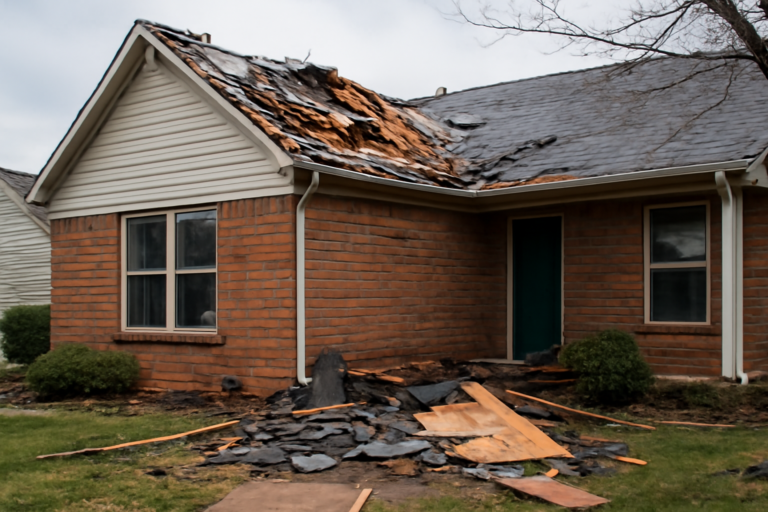
Around here, we know how quickly a beautiful day can turn. Those sudden, intense summer thunderstorms that roll in from the west can bring more than just heavy rain; they can bring damaging wind gusts and even hail. We’ve seen it happen too many times: a gust rips through, taking shingles with it, and suddenly your attic is exposed. It’s a stressful situation, but it’s exactly why having immediate access to reliable emergency tarping is so important for your home in Vinings, GA.
When your roof takes a hit, you need a team that responds quickly and effectively. Our crews have earned the trust of over 165 five-star reviews from homeowners just like you, specifically for our swift and professional emergency tarping services. We understand the urgency and the need for proper protection to prevent further damage, which is why so many in your neighborhood count on us when the unexpected happens.
- We act fast to secure your property, preventing water from entering and causing more harm to your belongings and structure.
- Our specialized equipment and techniques ensure a secure, temporary seal that holds up against the elements.
- We provide clear communication throughout the process, so you always know what’s happening with your home’s protection.
How We Secure Your Property: Our Emergency Tarping Process
When you call us for emergency tarping, you’re getting a methodical approach designed to stop damage in its tracks. It’s not just about throwing a tarp over the hole; it’s about creating a robust barrier that protects your home until more permanent repairs can be made. Cutting corners here can lead to significant secondary damage, like mold growth or structural weakening, so we focus on thorough and meticulous work.
Initial Assessment and Safety Check
The moment our team arrives, we conduct a quick but thorough assessment of the damage from the ground and, if safe, from the roof. Your safety and the safety of our crew are paramount. We look for any immediate hazards like downed power lines or unstable structures before we even think about climbing up. This initial step is crucial for planning the best way to proceed with effective roof protection.
Secure Tarp Placement
We use heavy-duty, weather-resistant tarps specifically designed for this purpose. Our technicians carefully unfurl and position the tarp to cover the entire damaged area, extending well beyond the compromised sections. We then secure it using appropriate methods, which might include specialized fasteners, weights, or bracing, ensuring it’s held firmly in place to withstand wind and rain and provide dependable water barrier.
Edge Sealing and Drainage
Simply covering the hole isn’t enough. We take extra steps to ensure water is directed away from your home. This involves sealing the edges of the tarp to the surrounding roof material and creating drainage paths. This attention to detail prevents water from pooling or seeping underneath, which is vital for preventing water intrusion.
Debris Removal and Site Cleanup
Before we leave, our crews will clear away any loose debris from the damaged area that could pose a further risk. We want to leave your property as tidy and secure as possible, given the circumstances. This ensures the tarping is the only thing you need to worry about until your permanent repairs are scheduled, giving you immediate property stabilization.
Documentation for Insurance
We understand that dealing with insurance can be a hassle. That’s why we document our work thoroughly, taking photos and notes of the damage and the temporary repairs we’ve completed. This information can be incredibly helpful when you file your claim, providing clear evidence of the emergency measures taken to mitigate further loss.
Don’t wait for a small roof issue to become a major headache. If you suspect your roof has been compromised, it’s time to get it secured. Call us now for immediate assistance to protect your home.

Warning Signs You Need Emergency Tarping Services
Catching potential roof problems early can save you a lot of money and stress down the line. Sometimes the signs are obvious, but other times they can be subtle. Recognizing these indicators means you can act fast and prevent a small issue from turning into a large, costly disaster. Don’t ignore these signals; they’re your home’s way of telling you it needs attention.
Visible Shingle Damage
After a storm, take a look at your roof from the ground if possible. If you see missing, cracked, or curled shingles, it’s a clear sign that your roof’s protective layer is compromised. This leaves the underlayment and decking exposed to the elements, requiring prompt roof covering.
Water Stains on Ceilings or Walls
Any new water stains appearing on your interior ceilings or walls are a serious red flag. These spots indicate that water has found its way through your roof and is starting to damage the insulation and drywall. This is a critical sign that you need immediate water damage prevention.
Dripping Sounds or Visible Leaks
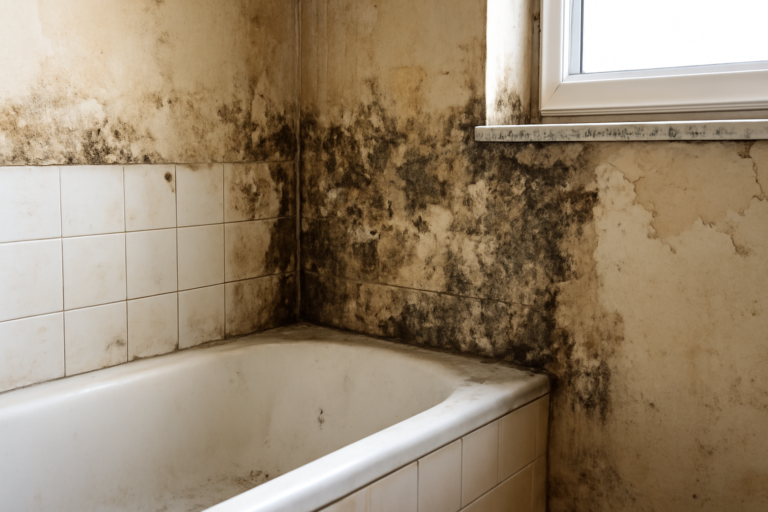
Hearing dripping sounds from your attic or seeing water actively dripping inside your home is an emergency. This means water is currently entering your structure. It’s imperative to get this stopped quickly to prevent widespread water damage and potential mold growth, requiring urgent leak repair.
Sagging Roof Decking
If you can see any areas of your roof that appear to be sagging or dipping, it could indicate structural damage from water saturation. This is a dangerous situation that requires immediate professional attention to prevent a potential collapse and ensure structural integrity.
Increased Attic Moisture
Even if you don’t see active leaks, a damp or musty smell in your attic can point to moisture issues. This indicates that water may be entering slowly, potentially causing hidden damage. Addressing this early can prevent long-term moisture problems.
Damage from Falling Debris
Tree branches falling on your roof, especially during storms, can cause significant punctures or dislodge shingles. Any impact that breaches the roof’s surface requires immediate attention to prevent water infiltration and further damage, necessitating rapid roof repair.
Emergency Tarping Services vs. DIY: When To Call a Professional
| Situation | DIY? | Call a Pro? | Why |
|---|---|---|---|
| Missing a few shingles after a minor wind event. | Yes, if you have the right ladder, safety gear, and know-how. | Yes, if you’re uncomfortable with heights or the wind is still present. | Safety is always the top priority when dealing with roofs. |
| A tree branch has punched a hole through your roof. | Absolutely Not. | Yes, immediately. | Large holes require specialized materials and techniques to secure properly and safely. |
| You notice water stains on your ceiling after a storm. | No. | Yes, right away. | Interior signs mean water is already inside, and professional assessment is needed to find and stop the source. |
| Hail damage has dented shingles across a large area. | No. | Yes, as soon as possible. | Hail damage can be widespread and subtle, requiring an expert eye to assess the full extent and ensure proper protection. |
| Wind has lifted shingles around the roof edges. | Yes, for minor lifting on accessible edges, if you’re experienced. | Yes, especially if lifting is extensive or on steep sections. | Improperly secured edges can lead to significant wind damage and water ingress. |
| You see a visible leak in your attic. | No. | Yes, immediately. | Active leaks require immediate professional intervention to prevent rapid interior damage and mold growth. |
While minor roof issues might seem like DIY projects, the risks associated with working on a roof are substantial. For anything beyond a few loose shingles on a perfectly calm day, calling a professional is the safest and most effective route. Our team has the training and equipment to handle complex roof emergencies and ensure your home is protected.
Emergency Tarping Services Cost In Vinings, GA
The cost for emergency tarping can vary quite a bit depending on the size of the damaged area, the complexity of the roof, and how quickly we need to respond. These figures are general estimates for the Vinings, GA area and can fluctuate based on specific circumstances. We always provide a clear, upfront estimate after assessing the damage to your property.
| Service Aspect | Typical Price Range | What Affects Cost |
|---|---|---|
| Minor Shingle Replacement Tarping | $500 – $1,200 | Number of shingles affected and ease of access. |
| Partial Roof Tarping (e.g., 10×10 sq ft area) | $700 – $2,000 | Size of the damaged section and complexity of roof lines. |
| Full Roof Tarping (for widespread damage) | $1,500 – $4,000+ | Overall roof size, number of layers, and required materials. |
| Emergency Leak Sealing (non-tarp, e.g., vent boots) | $400 – $1,000 | Number of points needing sealing and materials used. |
| Wind Damage Tarping | $600 – $2,500 | Extent of wind lifting or shingle loss across the roof. |
| After-Hours/Emergency Call-Out Fee | $150 – $500 (often included in total) | Time of day and urgency of the response required. |
These prices reflect the immediate need for protection and the specialized labor involved. We offer free estimates, so you’ll know the exact cost before we begin any work to secure your home quickly.
Service Areas Near Vinings, GA
Smyrna, Marietta, Atlanta, Kennesaw, Acworth, Sandy Springs, Roswell, Dunwoody, Brookhaven, Chamblee, Norcross, Duluth, Suwanee, Johns Creek, Milton, Alpharetta, Cumming, Canton, Woodstock, Holly Springs
Common Questions About Emergency Tarping Services
How quickly can you get a tarp on my roof?
We understand that time is critical when your roof is compromised. Our team prioritizes emergency calls and aims to get to your property as quickly as possible, often within a few hours of your call, to provide fast roof protection. We’ll give you an estimated arrival time when you schedule your service.
Will insurance cover the cost of emergency tarping?
In many cases, yes. Emergency tarping is typically considered a necessary measure to prevent further damage, and insurance policies often cover these costs as part of your overall claim. We can help document the damage and repairs for your insurance company to facilitate a smooth claims process.
What’s the difference between emergency tarping and permanent roof repair?
Emergency tarping is a temporary solution to protect your home from the elements until permanent repairs can be scheduled and completed. It’s designed to prevent further water intrusion and damage. Permanent repair involves replacing damaged shingles, underlayment, or decking with new materials to restore your roof’s integrity, ensuring long-term roof security.
How long does the tarping process usually take?
The duration depends on the extent of the damage and the roof’s complexity. For minor damage, it might only take an hour or two. For larger areas or more challenging roof structures, it could take several hours. Our goal is always to complete the tarping efficiently while ensuring it’s securely and effectively installed.
Can I do anything to prevent roof damage before a storm?
Regular roof maintenance is key. This includes trimming overhanging tree branches, clearing debris from gutters, and inspecting your roof periodically for loose or damaged shingles. Proactive measures can significantly reduce the risk of needing emergency services, but if damage does occur, remember we’re here to help with immediate property stabilization.
Check Our Other Relevant Services

Jerry Johns is a licensed Damage Restoration Expert with over 20 years of hands-on experience helping homeowners and businesses navigate property crises. As a trusted authority in the field, Jerry combines technical precision with a compassionate approach to disaster recovery.
𝗖𝗲𝗿𝘁𝗶𝗳𝗶𝗰𝗮𝘁𝗶𝗼𝗻𝘀: Jerry holds multiple elite IICRC certifications, including Water Damage Restoration (WRT), Applied Microbial Remediation (Mold), Applied Structural Drying (ASD), Odor Control, and Fire and Smoke Restoration.
𝗙𝗮𝘃𝗼𝗿𝗶𝘁𝗲 𝗣𝗮𝘀𝘁𝗶𝗺𝗲: When he isn’t on a job site, Jerry is an avid outdoorsman who enjoys fly fishing and restoring vintage woodworking tools.
𝗕𝗲𝘀𝘁 𝗣𝗮𝗿𝘁 𝗼𝗳 𝘁𝗵𝗲 𝗝𝗼𝗯: Jerry finds the most fulfillment in seeing the relief on a client’s face when their property is finally restored to its pre-loss condition, turning a stressful disaster into a fresh start.