Trusted by 165+ Homeowners
Emergency Water Damage Services in Lawrenceville, GA
- Over 165 5-Star Reviews
- Free Estimates and Quotes
- 100% Satisfaction Guaranteed
- Child, Family & Pet Safe Steps
- 24-Hour Emergency Service
- Fully Licensed & Insured

When Water Won’t Wait: Emergency Water Damage Services in Lawrenceville, GA
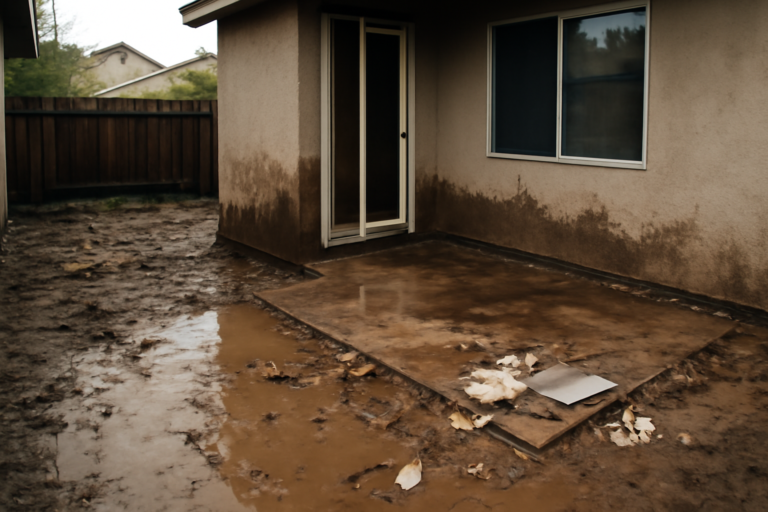
You walk into your home, and the smell hits you first—a damp, cloying odor. Then you see it: water spreading across your floor, pooling around the baseboards, or dripping from the ceiling. It might be from a burst pipe, a leaky appliance, or a storm that overwhelmed your roof. Whatever the cause, this isn’t a problem you can ignore for long. Immediate action is critical to prevent further damage and protect your property. We understand that discovering water damage can be incredibly stressful, and you need help now. This is why our team is ready to respond quickly to your emergency right here in Lawrenceville, GA.
Homeowners around here trust us when the unexpected happens, and 165+ five-star reviews speak to that. They know we focus on getting the job done right, the first time. For Emergency Water Damage Services, speed and precision are everything. You’re not just looking for a quick cleanup; you need a team that understands the science of drying and restoration. We’re the local professionals you can count on when your home needs urgent care.
- We deploy specialized equipment designed to extract standing water quickly and efficiently, using powerful pumps and vacuums that are far beyond what a homeowner can access.
- Our technicians use advanced moisture meters and thermal imaging cameras to identify hidden water sources and saturated materials you might not even know are affected, ensuring a thorough drying process.
- We create drying plans based on scientific principles and industry standards, using a calculated combination of air movers, dehumidifiers, and heaters to restore your property to safe humidity levels, preventing mold growth and structural issues.
How We Tackle Emergency Water Damage
When water infiltrates your home, the clock starts ticking. Every hour that passes allows moisture to spread deeper into your structure, weakening materials and creating conditions ripe for mold. This is why a methodical, technically sound process is so important. Cutting corners here means dealing with bigger, more expensive problems down the line, like compromised drywall, warped floors, and persistent odors. Our approach is built on understanding the physics of water movement and evaporation, ensuring we address the problem at its source and dry your property effectively. You need a team that respects the science of restoration.
Initial Water Extraction
The first step is always removing the bulk of the standing water. We use industrial-grade submersible pumps for large volumes and powerful wet-dry vacuums for smaller areas. This phase is crucial for stopping the immediate damage and setting the stage for effective drying. We work fast to remove standing water and get your property stabilized.
Containment and Demolition
Next, we identify which materials are salvageable and which need to be removed. This often involves carefully cutting away saturated drywall, removing wet insulation, or dismantling damaged flooring. We use containment procedures to prevent the spread of moisture and potential contaminants to unaffected areas of your home. Our crews are trained to safely remove damaged materials.
Drying and Dehumidification
This is where the science really comes into play. We use specialized equipment like high-velocity air movers to circulate air across wet surfaces and industrial dehumidifiers to pull moisture out of the air. We monitor humidity levels and surface moisture content closely, adjusting our equipment setup to create the optimal drying environment. Our goal is to dry your home thoroughly and prevent secondary damage.
Odor Control and Mold Prevention
Lingering odors and mold growth are common after water damage. We use advanced deodorizing and antimicrobial treatments to neutralize smells and inhibit mold development. This ensures your home not only feels dry but also smells fresh and remains a healthy living environment. We take steps to prevent mold and mildew.
Reconstruction and Finishing
Once your property is completely dry and safe, we can begin the reconstruction phase. This may involve replacing drywall, installing new flooring, repainting, and restoring any other damaged elements. Our aim is to bring your home back to its pre-loss condition. We focus on restoring your home to normal.
Don’t let water damage ruin your property. Call us immediately to get our expert team on-site. We’re ready to respond 24/7 to your emergency water damage needs.

Warning Signs You Need Emergency Water Damage Services
Catching water damage early can save you significant time, money, and headaches. Even small leaks can lead to serious problems if left unaddressed. Pay attention to these subtle (and not-so-subtle) signs that indicate you might have an emergency water situation on your hands. Ignoring these warnings can lead to costly structural damage and potential health hazards.
Musty Odors That Won’t Go Away
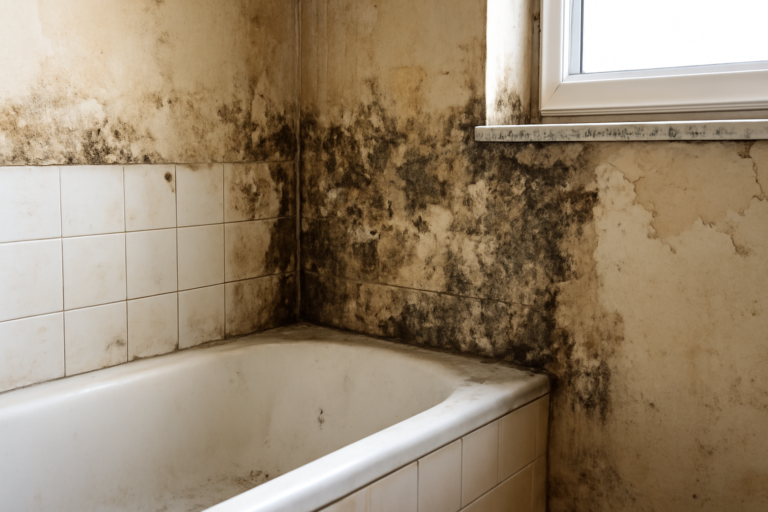
A persistent damp, mildewy, or earthy smell, especially in basements, closets, or bathrooms, is a strong indicator of hidden moisture. This odor often signals that mold or mildew is beginning to grow behind walls or under flooring. It’s a clear sign you need to investigate for hidden water.
Visible Water Stains or Discoloration
Look for dark spots or rings on ceilings, walls, or even furniture. These stains are a direct visual cue that water has saturated a material and is likely still present or has caused damage. Don’t assume a stain means the problem is gone; it means it’s actively causing damage.
Peeling or Bubbling Paint and Wallpaper
When moisture gets behind your paint or wallpaper, it can cause the adhesive to fail, leading to peeling, blistering, or bubbling. This is a tell-tale sign that the drywall or plaster underneath is wet and potentially compromised. It indicates moisture intrusion is occurring.
Warped or Sagging Ceilings and Walls
Materials like drywall and plaster can absorb water, becoming heavy and starting to sag or warp. A ceiling that looks like it’s drooping or a wall that has a noticeable bulge is a serious sign of significant water saturation. This is a sign of structural compromise.
Soft or Spongy Flooring
If your carpet feels unusually damp underfoot, or if your hardwood or laminate floors have begun to buckle, warp, or feel spongy, it’s a clear indication of water damage beneath the surface. This can quickly lead to rot and the need for complete floor replacement. You need to address wet subflooring immediately.
Increased Humidity or Condensation
A sudden increase in the humidity level in your home, or noticing excessive condensation on windows and pipes, can point to a hidden water source or a malfunctioning appliance releasing moisture. Your home should feel comfortable, not damp. This signals uncontrolled moisture.
Emergency Water Damage Services vs. DIY: When To Call a Professional
| Situation | DIY? | Call a Pro? | Why |
|---|---|---|---|
| Minor spill on hard floor (e.g., kitchen tile) | Yes | No | Easy to wipe up, dries quickly without damaging materials. |
| Burst pipe flooding a room | No | Yes | Requires immediate, high-volume water extraction and specialized drying equipment. |
| Leaky toilet base | Maybe | Yes | Can be DIY if minor and caught immediately, but risk of subfloor damage requires professional assessment. |
| Sump pump failure during heavy rain | No | Yes | Requires immediate response to prevent extensive basement flooding and structural issues. |
| Water stain on ceiling from minor leak | No | Yes | Need to find the source, assess ceiling/attic damage, and ensure complete drying to prevent mold. |
| Dishwasher or washing machine hose burst | No | Yes | Likely saturated subflooring and cabinetry, needing professional extraction and drying. |
While small, superficial spills might be manageable with DIY methods, any situation involving significant water volume, potential structural saturation, or hidden moisture requires professional intervention. Our team has the tools and expertise to handle emergencies effectively and prevent long-term damage.
Emergency Water Damage Services Cost In Lawrenceville, GA
The cost of emergency water damage services in Lawrenceville, GA, can vary significantly. Factors like the extent of the water damage, the size of the affected area, the type of materials damaged, and the complexity of the restoration process all play a role. These price ranges are estimates to give you an idea of what to expect. Accurate pricing requires an on-site assessment.
| Service | Typical Price Range | What Affects Cost |
|---|---|---|
| Emergency Water Extraction | $500 – $3,500 | Volume of water, size of area, type of flooring and furniture. |
| Structural Drying (Air Movers & Dehumidifiers) | $1,500 – $7,000 | Square footage, duration of drying needed, complexity of building structure. |
| Mold Remediation (if mold is present) | $1,000 – $6,000+ | Severity of mold growth, containment needs, and square footage affected. |
| Demolition and Material Removal | $750 – $4,000 | Amount of material removed (drywall, insulation, flooring), disposal fees. |
| Odor Removal Treatments | $300 – $1,500 | Size of affected area, intensity of odor, type of treatment required. |
| Contents Cleaning and Restoration | $500 – $5,000+ | Number of items affected, type of items, cleaning complexity. |
These figures are meant as a general guide. A free, no-obligation estimate will be provided after our team assesses the damage to your property. We work to provide transparent pricing for all emergency services.
Service Areas Near Lawrenceville, GA
We proudly serve the following communities and surrounding areas:
Suwanee, Duluth, Snellville, Lilburn, Norcross, Johns Creek, Buford, Sugar Hill, Dacula, Grayson, Tucker, Lawrenceville, Chamblee, Doraville, Alpharetta, Sandy Springs, Marietta, Roswell, Atlanta, Decatur.
Common Questions About Emergency Water Damage Services
What should I do immediately after discovering water damage?
Your first priority is to stop the water source if possible and safe to do so. If it’s a burst pipe, try turning off the main water valve. If it’s an appliance, unplug it or turn off its water supply. Document the damage with photos or videos for insurance purposes. Then, call us immediately; our team is ready to help you navigate the next steps and begin the restoration process.
How quickly do you respond to emergency water damage calls?
We understand that time is critical during a water emergency. Our teams are on standby and aim to respond as quickly as possible, often within an hour or two, depending on your location and current job demands. Fast response minimizes damage, so we prioritize emergency calls to get to your property and start the extraction and drying process promptly.
Will water damage lead to mold growth? How do you prevent that?
Yes, if not addressed properly, water damage almost always leads to mold growth within 24-48 hours. Our process includes thorough drying using specialized equipment like dehumidifiers and air movers to reduce moisture levels below what mold needs to thrive. We also apply antimicrobial treatments to affected areas as a proactive measure to prevent mold and mildew from developing.
How long does the emergency water damage drying process take?
The drying process can vary widely, typically taking anywhere from 2 to 7 days, sometimes longer, depending on the severity of the water intrusion and the materials affected. We use advanced moisture meters and thermal imaging to monitor progress closely and ensure your property is dried to safe levels. Our goal is complete drying, not just surface dryness.
Is water damage covered by homeowner’s insurance?
Typically, homeowner’s insurance policies cover water damage caused by sudden and accidental events, like burst pipes or storm damage. Damage from gradual leaks or poor maintenance might not be covered. We work with insurance companies regularly and can help document the damage to support your claim. We help you understand what your policy covers.
Check Our Other Relevant Services
Serving Lawrenceville, GA And Nearby Areas