Trusted by 165+ Homeowners
Flash Flood Damage Cleanup in Alpharetta, GA
- Over 165 5-Star Reviews
- Free Estimates and Quotes
- 100% Satisfaction Guaranteed
- Child, Family & Pet Safe Steps
- 24-Hour Emergency Service
- Fully Licensed & Insured

Don’t Let a Sudden Downpour Ruin Your Home: Flash Flood Damage Cleanup in Alpharetta, GA
Around here, we know how quickly things can change. That sudden, intense thunderstorm can roll in, dumping inches of rain in just a short time, overwhelming our local drainage systems. It’s that intense, rapid rise of water – a flash flood – that can surge into your home before you even realize what’s happening. You might find yourself wading through water in your basement or seeing it creep across your main floors. Dealing with this kind of unexpected water intrusion requires immediate attention to prevent lasting structural damage and protect your belongings from irreversible harm.
That’s why so many homeowners in the area trust our team when flash floods hit. With over 165 five-star reviews, you can see we’re dedicated to getting things right. We understand the urgency and the specific challenges that come with rapid water damage. Our local presence means we’re ready to respond quickly, minimizing the impact on your property and helping you get back to normal faster. You’re not just getting a service; you’re getting a neighbor who’s there to help.
- We focus on swift water extraction to prevent further saturation and mold growth, which is critical after a flash flood.
- Our specialized drying equipment gets deep into your home’s structure to remove hidden moisture, safeguarding against long-term issues.
- We provide thorough sanitization and deodorization, ensuring your home is not only dry but also healthy and free from floodwater contaminants.
How We Tackle Flash Flood Damage Cleanup
When flash floodwaters enter your home, time is absolutely critical. It’s not just about mopping up; it’s about a systematic approach to remove water, dry everything out, and restore your property safely. Cutting corners here can lead to mold, rot, and weakened structures down the line. Our process is designed to be thorough and efficient, addressing the immediate threat while also preventing future problems. We’ve learned a lot from dealing with water situations around the area, and we apply that knowledge to your specific needs.
Step 1: Immediate Water Extraction
The first and most crucial step is removing standing water as quickly as possible. We use powerful, industrial-grade pumps and extractors to get the bulk of the water out. This phase can take anywhere from a few hours to a full day, depending on how much water has entered your home. We’re focused on removing all visible water to stop the damage from spreading.
Step 2: Structural Drying and Dehumidification
Once the standing water is gone, the real drying begins. We bring in specialized commercial-grade dehumidifiers and high-velocity air movers. These machines work tirelessly to pull moisture out of the air and from within your walls, floors, and ceilings. This process can take several days, sometimes up to a week or more, depending on the extent of the saturation and your home’s construction. Our goal is to get your property to pre-loss moisture levels.
Step 3: Content Restoration and Cleaning
While the structure dries, we assess your belongings. Some items might be salvageable, while others may be too damaged. We carefully clean, dry, and restore items like furniture, electronics, and documents where possible. We handle your possessions with great care and attention, aiming to save what we can. This can happen concurrently with structural drying.
Step 4: Sanitization and Odor Control
Floodwater can carry bacteria, mold spores, and other contaminants. Once everything is dry, we thoroughly clean and sanitize all affected areas. We use specialized antimicrobial treatments to kill off any lingering microorganisms and eliminate unpleasant odors. This step is vital for ensuring your home is a safe and healthy environment again.
Step 5: Mold Prevention and Monitoring
Even after thorough drying and cleaning, there’s always a risk of mold developing if moisture remains hidden. We employ advanced moisture-detection tools to ensure all areas are completely dry. We also take preventative measures to inhibit mold growth. We’ll explain any ongoing monitoring you might want to do to ensure your home stays mold-free after our work is done, focusing on preventing future issues.
Don’t wait for minor water issues to become major problems. If you’ve experienced flash flooding, it’s time to call us for a thorough assessment and cleanup. We’ll help you mitigate the damage and protect your home’s integrity.

Warning Signs You Need Flash Flood Damage Cleanup
Catching the signs of water damage early can make a huge difference in the cost and complexity of repairs. Flash floods can cause hidden damage that doesn’t immediately appear. Being aware of these indicators helps you act fast. It’s about protecting your investment and your family’s well-being.
Musty Odors That Won’t Go Away
That damp, earthy smell is often the first sign of mold or mildew growth, which thrives in moist environments. If you notice it after a heavy rain, it’s a clear indicator that moisture is trapped somewhere. You need to address the source.
Visible Water Stains or Discoloration
Look for dark spots or rings on walls, ceilings, or even furniture. These stains are a visual cue that water has penetrated materials and is likely causing damage beneath the surface. It means water has been present.
Peeling or Bubbling Paint and Wallpaper
Moisture trapped behind paint or wallpaper causes the adhesive to fail, leading to peeling or bubbling. This is a physical sign that the materials are compromised by water intrusion. It’s a clear indication of water damage impact.
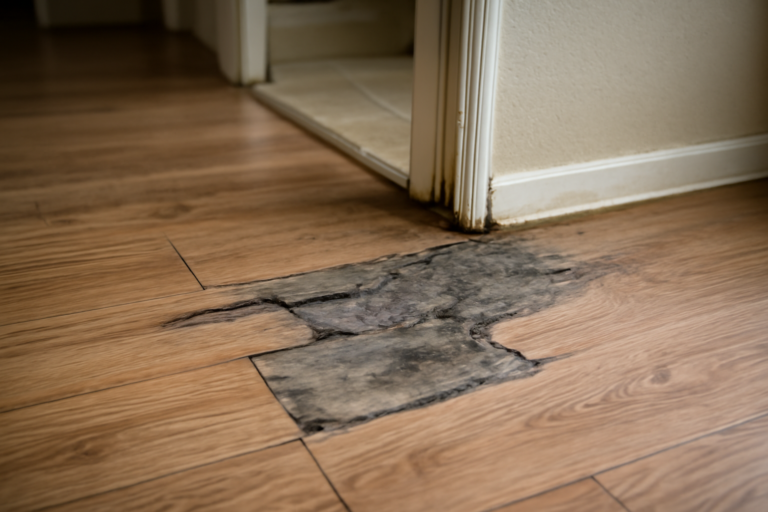
Soft or Warped Flooring
If your carpet feels spongy underfoot, or if hardwood floors start to buckle or warp, it’s a sign of significant moisture absorption. This indicates that the subfloor may also be affected. You’ll want to inspect the subfloor.
Sagging Ceilings or Walls
In severe cases, water saturation can weaken building materials, causing them to sag or even collapse. This is a serious structural issue that requires immediate attention. It’s a sign of structural compromise.
Unusual Sounds
Sometimes, you might hear sounds like dripping or squishing from within walls or floors after heavy rain. This can indicate trapped water that isn’t draining properly. Listen for hidden moisture sounds.
Flash Flood Damage Cleanup vs. DIY: When To Call a Professional
| Situation | DIY? | Call a Pro? | Why |
|---|---|---|---|
| Minor dampness on basement floor after a brief shower | Yes, if minimal and dries quickly. | Yes, if it persists or repeats. | Persistent dampness can indicate drainage issues or cracks needing professional assessment. |
| Water standing a few inches deep in a finished basement | No. | Yes. | Requires specialized equipment for rapid extraction and drying to prevent mold and structural damage. |
| Water seeping through basement walls during heavy rain | No. | Yes. | Indicates potential foundation cracks or hydrostatic pressure that needs expert repair and mitigation. |
| Mud and debris deposited by fast-moving water | No. | Yes. | Involves significant cleaning, sanitization, and potential mold remediation beyond typical DIY capabilities. |
| Water damage affecting electrical outlets or appliances | Absolutely Not. | Yes, immediately. | There are serious electrocution risks and potential for extensive electrical system damage. |
| Detecting a musty odor after water recedes | No. | Yes. | This is a strong indicator of mold growth, which requires professional remediation for health and safety. |
While you can handle minor spills, flash flood damage is a different beast. When water moves rapidly and in large volumes, it carries risks that go beyond surface cleanup. For anything more than a slight dampness that dries within 24 hours, calling a professional is the safest and most effective choice to protect your home.
Flash Flood Damage Cleanup Cost In Alpharetta, GA
The cost for flash flood damage cleanup in Alpharetta, GA, can vary quite a bit. Factors like the amount of water, the size of the affected area, and the type of materials damaged all play a role. These figures are general estimates to help you understand potential expenses, not exact quotes, as each situation is unique. Our team provides transparent pricing discussions.
| Service Aspect | Typical Price Range | What Affects Cost |
|---|---|---|
| Water Extraction (per sq ft) | $0.50 – $2.50 | Amount of water, accessibility, and speed of service needed. |
| Structural Drying & Dehumidification (per day) | $200 – $700 | Number and type of equipment needed, duration of drying. |
| Mold Inspection & Testing | $300 – $1,000 | Size of the affected area and complexity of the suspected contamination. |
| Content Cleaning & Restoration | Varies widely | Number of items, type of items, and extent of damage to each item. |
| Sanitization & Deodorization | $500 – $2,000 | Size of the affected space and the severity of contamination. |
| Structural Repair (minor) | $1,000 – $5,000+ | Extent of material damage (e.g., drywall, subflooring) and complexity of repair. |
The best way to get an accurate cost is to have our team perform an on-site inspection. We offer free estimates, allowing you to understand the scope of work and associated costs without obligation. We’re committed to providing clear and fair estimates.
Service Areas Near Alpharetta, GA
Atlanta, Norcross, Duluth, Suwanee, Johns Creek, Milton, Roswell, Sandy Springs, Marietta, Woodstock, Kennesaw, Smyrna, Brookhaven, Chamblee, Doraville, Dunwoody, Tucker, Lilburn, Lawrenceville, Cumming
Common Questions About Flash Flood Damage Cleanup
What’s the first thing I should do after a flash flood hits my home?
Your immediate safety is the top priority. If the water is still rising or if there are any downed power lines, evacuate the property and call emergency services. Once it’s safe to re-enter, shut off your main water and electricity if possible. Then, document the damage with photos or videos before contacting us for professional water extraction.
How long does flash flood damage cleanup typically take?
The timeline can vary significantly, but a typical flash flood cleanup involves several stages. Water extraction might take a day, while structural drying can take anywhere from 3 to 10 days or even longer, depending on the saturation level. We focus on getting your home fully dried and safe as efficiently as possible.
Is it safe to be in my home after a flash flood if the water has receded?
Not necessarily. Floodwaters can contain hazardous materials like sewage, chemicals, and bacteria. There’s also the risk of mold growth starting within 24-48 hours. We recommend avoiding unnecessary entry until our team has assessed the situation and begun the essential sanitization process.
What kind of equipment do you use for flash flood cleanup?
We utilize industrial-grade equipment designed for severe water damage. This includes high-powered water extractors, commercial dehumidifiers, specialized air movers, moisture meters, and thermal imaging cameras to detect hidden water. This advanced equipment ensures we can tackle even the most challenging situations and achieve thorough structural drying.
Can I prevent flash flood damage to my home?
While you can’t control the weather, you can take steps to mitigate risks. Ensure your gutters and downspouts are clear and directing water away from your foundation. Consider French drains or sump pumps if you’re in a low-lying area. Regular inspections of your foundation for cracks can also help catch potential entry points early. These preventative measures can significantly reduce the likelihood of future water intrusion.
Check Our Other Relevant Services

Jerry Johns is a licensed Damage Restoration Expert with over 20 years of hands-on experience helping homeowners and businesses navigate property crises. As a trusted authority in the field, Jerry combines technical precision with a compassionate approach to disaster recovery.
𝗖𝗲𝗿𝘁𝗶𝗳𝗶𝗰𝗮𝘁𝗶𝗼𝗻𝘀: Jerry holds multiple elite IICRC certifications, including Water Damage Restoration (WRT), Applied Microbial Remediation (Mold), Applied Structural Drying (ASD), Odor Control, and Fire and Smoke Restoration.
𝗙𝗮𝘃𝗼𝗿𝗶𝘁𝗲 𝗣𝗮𝘀𝘁𝗶𝗺𝗲: When he isn’t on a job site, Jerry is an avid outdoorsman who enjoys fly fishing and restoring vintage woodworking tools.
𝗕𝗲𝘀𝘁 𝗣𝗮𝗿𝘁 𝗼𝗳 𝘁𝗵𝗲 𝗝𝗼𝗯: Jerry finds the most fulfillment in seeing the relief on a client’s face when their property is finally restored to its pre-loss condition, turning a stressful disaster into a fresh start.