Trusted by 165+ Homeowners
Flash Flood Damage Cleanup in Forest Park, GA
- Over 165 5-Star Reviews
- Free Estimates and Quotes
- 100% Satisfaction Guaranteed
- Child, Family & Pet Safe Steps
- 24-Hour Emergency Service
- Fully Licensed & Insured

Forest Park, GA Homes Face Unique Flash Flood Risks
Did you know that a mere 6 inches of moving water can knock you off your feet, and just 2 feet can sweep your car away? Flash floods happen incredibly fast around here, leaving homeowners with significant water damage that requires immediate attention. It’s not just about the water itself; it’s about the swiftness and force that make this type of damage particularly destructive. Understanding the risks for your property in Forest Park, GA, is the first step in protecting it.
We’ve helped over 165 local families recover from unexpected water events, earning more than 165 five-star reviews for our dedicated service. Homeowners trust us because we focus on getting your home back to normal as quickly and efficiently as possible. When a flash flood hits, you need a team that understands the urgency and has the right tools for the job. We’re here to make that happen for you.
- Rapid response to prevent secondary damage like mold growth is crucial after a flash flood.
- Our specialized equipment extracts water far more effectively than anything you could rent, protecting your home’s structure.
- We work directly with your insurance company, simplifying the claims process and ensuring your coverage is properly utilized.
How We Handle Your Flash Flood Damage
When a flash flood hits your property, a systematic approach is absolutely essential. Skipping steps or using the wrong methods can lead to lingering moisture, structural weakening, and costly mold problems down the line. We follow a proven process to ensure every bit of water is removed and your home is dried thoroughly. This methodical approach is what sets our work apart and protects your investment.
Initial Damage Assessment
Our team arrives quickly to assess the full extent of the water intrusion. We identify the source of the water, map out affected areas, and determine the best course of action. This initial inspection is key to creating an effective recovery plan. We use moisture meters and thermal imaging to find hidden water.
Water Extraction
Removing standing water is the top priority. We use powerful, truck-mounted or portable extraction units designed for large volumes of water. This process is critical to prevent further saturation of your building materials. It’s about getting the bulk of the water out, fast. We aim to remove bulk water within the first 24-48 hours.
Structural Drying
Once the standing water is gone, the real drying begins. We deploy industrial-grade air movers and dehumidifiers to pull moisture from the air and materials like drywall and wood. This step is vital for preventing mold and warping. Proper drying can take several days, depending on the severity. We monitor humidity levels closely.
Deodorization and Sanitization
Floodwater often carries contaminants and leaves behind unpleasant odors. We use specialized cleaning agents and fogging equipment to neutralize odors and sanitize affected surfaces. This ensures your home is not only dry but also healthy and fresh. Your family’s well-being is important to us. We treat for odor control thoroughly.
Reconstruction and Repairs
After drying and cleaning, we address any necessary repairs. This could involve replacing damaged drywall, flooring, or trim. Our goal is to restore your home to its pre-flood condition. We handle the details so you don’t have to. You’ll get a restored living space that feels like home again.
Don’t let flash flood damage linger. Contact us immediately to start the recovery process for your property. We’re ready to help you navigate this stressful situation.

Warning Signs You Need Flash Flood Damage Cleanup
It’s easy to miss subtle signs of water damage after a flood, but catching them early can save you a lot of trouble and expense. Ignoring these indicators can lead to bigger issues down the road. Your home’s integrity depends on addressing these problems promptly.
Musty Odors That Won’t Go Away
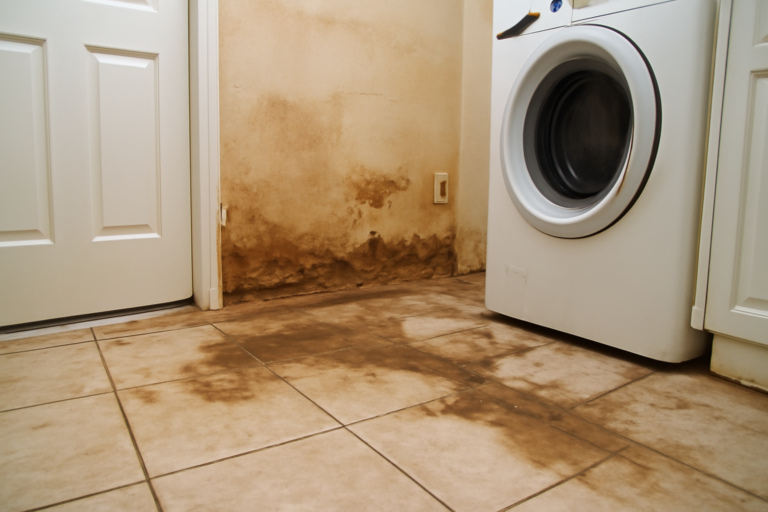
A persistent damp or musty smell, especially in lower levels or enclosed spaces, is a strong indicator of trapped moisture. This often means mold is starting to grow. Don’t dismiss persistent damp smells as just a minor inconvenience.
Visible Mold or Mildew Growth
Any sign of black, green, or white fuzzy patches on walls, ceilings, or floors is a clear warning. Mold can spread rapidly in damp conditions. This is a serious sign of unseen water damage.
Warped Walls or Ceilings
If you notice drywall that is sagging, bubbling, or looks discolored, it’s likely absorbing water. This structural damage needs professional attention. Look for signs of material stress.
Peeling or Chipped Paint
Water trapped behind paint can cause it to blister and peel away from the surface. This is an outward sign of moisture intrusion. It indicates a problem behind the surface.
Soft or Soggy Flooring
Carpet that feels damp or spongy underfoot, or flooring that lifts away from the subfloor, means water is trapped beneath. This requires immediate extraction and drying. Don’t ignore compromised flooring.
High Indoor Humidity
If your home feels unusually humid, sticky, or if condensation is forming on windows, it points to excessive moisture in the air. This creates an environment ripe for mold. Keep an eye on overall air quality.
Flash Flood Damage Cleanup vs. DIY: When To Call a Professional
| Situation | DIY? | Call a Pro? | Why |
|---|---|---|---|
| Minor condensation on a window | Yes | No | This is usually not a sign of flood damage. |
| A few inches of standing water in a garage with concrete floors | Maybe | Yes | Even a small amount can soak into porous materials and hide. |
| Water has entered living areas with carpet and drywall | No | Yes | These materials absorb water quickly and need specialized drying. |
| Suspected mold growth after water receded | No | Yes | Mold remediation requires specific safety protocols and equipment. |
| Water damage affecting electrical systems or HVAC | No | Yes | Safety is paramount; these systems require expert assessment. |
| Concern about insurance claims or proper documentation | No | Yes | Pros know how to document damage for insurance purposes. |
While minor water spots might seem manageable, true flash flood damage often goes deeper than what you can see. When water infiltrates your home’s structure, professional intervention is typically required. Our IICRC-certified technicians have the knowledge and equipment to handle these complex situations.
Flash Flood Damage Cleanup Cost In Forest Park, GA
The cost of flash flood damage cleanup can vary significantly based on the extent of the damage, the size of your property, and the specific materials affected in Forest Park, GA. These ranges provide a general idea; a precise quote requires an on-site assessment. We aim for transparent pricing from the start.
| Service | Typical Price Range | What Affects Cost |
|---|---|---|
| Water Extraction and Removal | $500 – $3,000 | Volume of water, size of affected area. |
| Structural Drying (Air Movers, Dehumidifiers) | $1,000 – $5,000 | Square footage, duration of drying needed. |
| Deodorization and Sanitization | $300 – $1,500 | Severity of contamination, size of space. |
| Mold Inspection and Testing | $200 – $800 | Number of samples taken, complexity of the issue. |
| Carpet and Pad Replacement | $500 – $2,500 | Square footage, quality of materials chosen. |
| Drywall and Plaster Repair | $400 – $2,000+ | Amount of material needing replacement, complexity of finish work. |
Exact pricing depends on a thorough on-site inspection by our team. We offer free, no-obligation estimates to help you understand the scope and cost. Getting a professional assessment is the best way to know what your specific situation requires.
Service Areas Near Forest Park, GA
Atlanta, Decatur, Stockbridge, Jonesboro, Riverdale, Morrow, College Park, East Point, Hapeville, Union City, Fayetteville, Hampton, Lovejoy, Tyrone, Rex, Conley, Ellenwood, Lithonia, Scottdale, Avondale Estates.
Common Questions About Flash Flood Damage Cleanup
What should I do immediately after a flash flood damages my home?
Your first priority is safety. If possible and safe to do so, shut off the main power to your home. Avoid walking through water if you don’t know what might be submerged. Then, call us immediately to begin the damage assessment process. We’ll guide you through the next steps and explain what to expect.
How long does flash flood damage cleanup typically take?
The timeline varies greatly depending on the severity. Water extraction can often be completed within 1-3 days. However, the structural drying process, using dehumidifiers and air movers, can take anywhere from 3 to 14 days or even longer. We aim for efficient drying times while ensuring thoroughness.
Will my homeowner’s insurance cover flash flood damage cleanup?
Generally, standard homeowner’s insurance policies cover sudden and accidental water damage, which often includes flash floods. However, flood insurance is sometimes separate, especially in high-risk areas. We work closely with your insurance adjusters to help document the damage and ensure your claim is handled correctly. Let us help you navigate insurance claims.
Is it safe to stay in my home during flash flood damage cleanup?
It’s usually safest to leave your home if significant water damage has occurred, especially if electrical systems or structural integrity are compromised. We can advise you on when it’s safe to return. Our team prioritizes creating a safe living environment as quickly as possible.
How can I prevent future flash flood damage to my property?
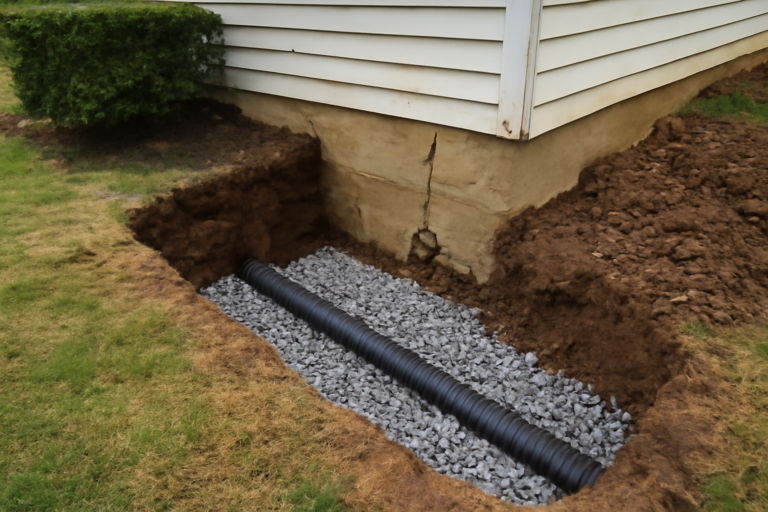
While you can’t prevent floods entirely, you can take steps like ensuring your sump pump is working, clearing gutters and downspouts, and improving landscaping to direct water away from your foundation. Consider elevating appliances in basements if you’re in a flood-prone zone. We can also offer advice on preventative measures during our assessments.
Check Our Other Relevant Services
Serving Forest Park, GA And Nearby Areas