Trusted by 165+ Homeowners
Flash Flood Damage Cleanup in Jackson, GA
- Over 165 5-Star Reviews
- Free Estimates and Quotes
- 100% Satisfaction Guaranteed
- Child, Family & Pet Safe Steps
- 24-Hour Emergency Service
- Fully Licensed & Insured

Did you know that flash floods can deposit up to an inch of water in just 30 minutes? That’s a lot of potential damage happening incredibly fast. For homeowners around Jackson, GA, understanding how to handle this sudden deluge is critical. Flash flood cleanup isn’t just about drying things out; it’s about preventing long-term issues like mold and structural weakening. We’re here to help you navigate this stressful situation with clear, practical steps.
We’ve helped hundreds of local homeowners recover from unexpected water events, and we’ve earned over 165 five-star reviews for our dedication to getting it right. When your property is hit by a flash flood, you need a team that understands the urgency and the specific challenges of this type of water intrusion. Our crews are trained to handle the complexities of flash flood damage, ensuring your home is restored safely and effectively. You can count on our proven restoration methods.
- We prioritize your safety by quickly assessing electrical hazards and structural integrity after a flash flood, so you don’t have to worry about hidden dangers.
- Our advanced drying and dehumidification techniques prevent secondary damage like mold growth, which can start within 24-48 hours of water exposure.
- We work directly with your insurance company, helping to document the damage thoroughly and navigate the claims process to make things easier for you.
How Flash Flood Damage Cleanup Actually Works
A proper cleanup process for flash flood damage is more than just mopping up water; it’s a science. When water rushes in unexpectedly, it carries contaminants and can compromise building materials quickly. Cutting corners here can lead to much bigger problems down the line, costing you more in repairs and potentially impacting your family’s health. Our approach focuses on meticulous documentation for insurance and effective, thorough drying to get your home back to normal. We manage the entire process, from initial assessment to final restoration, ensuring every detail is addressed.
1. Emergency Water Extraction
Our first priority is removing standing water as quickly as possible. We use powerful, truck-mounted extraction units that can remove thousands of gallons of water per hour. This step is crucial for minimizing water saturation in your carpets, subfloors, and walls. We aim to complete this within the first 24 hours of arrival.
2. Dehumidification and Airmovers
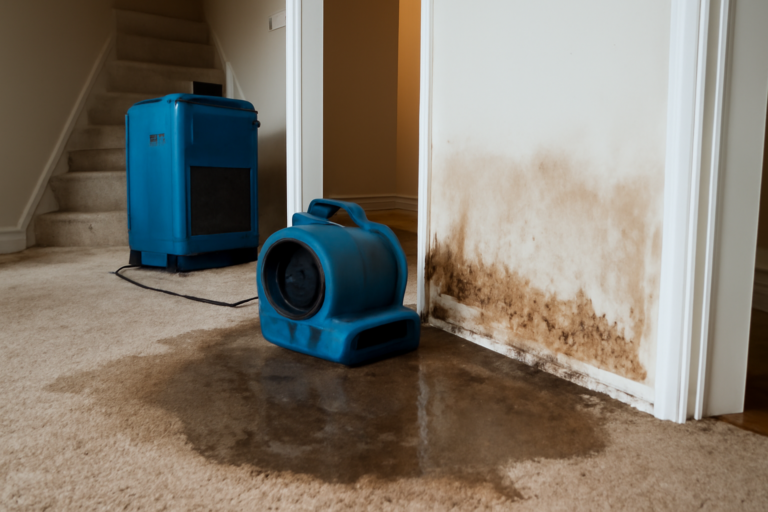
Once the bulk of the water is gone, we set up industrial-grade dehumidifiers and high-speed airmovers. These machines work continuously to lower the humidity levels in your home and speed up the evaporation process from affected materials. This stage can take several days to a week or more, depending on the extent of the flooding.
3. Structural Drying and Moisture Monitoring
We don’t just dry the surface; we ensure the structural components of your home are dry. Our technicians use specialized moisture meters to test drywall, wood, and insulation, making sure they reach acceptable drying standards. Consistent monitoring is key to preventing future issues, and we track progress daily.
4. Cleaning and Sanitization
Floodwaters can carry bacteria, silt, and other contaminants. We thoroughly clean and sanitize all affected surfaces, including carpets, upholstery, and structural materials, using EPA-approved disinfectants. This step is vital for ensuring a healthy indoor environment.
5. Damage Assessment and Repair Planning
After drying and cleaning, we conduct a detailed assessment of any materials that may need to be removed and replaced, such as damaged drywall, insulation, or flooring. We then develop a repair plan to restore your home to its pre-flood condition. We provide clear documentation for your insurance.
Don’t wait for secondary damage to set in. Call us immediately after a flash flood event to begin the restoration process. Early intervention means a faster, more complete recovery for your property.
Warning Signs You Need Flash Flood Damage Cleanup
Recognizing the signs of flash flood damage early is essential for preventing more extensive and costly problems. Ignoring these indicators can lead to mold growth, structural compromise, and unhealthy living conditions. Our team is trained to spot these issues, but knowing what to look for empowers you to act fast. Catching these problems early saves you significant future expenses.
Musty Odors That Won’t Go Away
A persistent damp, musty smell is a clear indicator of hidden moisture and potential mold growth. If the smell lingers even after you’ve tried airing out your home, it’s time for a professional assessment. This smell often means mold is already taking hold.
Visible Mold or Mildew
Any spotting of black, green, or white fuzzy patches on walls, ceilings, or belongings is a definitive sign of mold. This is a serious health concern and requires immediate professional remediation. Don’t try to clean it yourself; it can spread spores.
Warped or Stained Walls and Ceilings
Water saturation can cause drywall and plaster to warp, bulge, or develop visible water stains. These are signs that the materials have absorbed significant moisture and may need to be removed. Such damage indicates structural compromise.
Peeling Paint or Wallpaper
When moisture gets behind paint or wallpaper, it causes them to bubble, peel, or detach from the surface. This is another visual cue that your home’s interior has been compromised by water. It’s a sign that the integrity is failing.
Soft or Soggy Flooring
Carpet that feels spongy underfoot or hardwood floors that are buckling or soft indicate deep water saturation. These materials may not be salvageable and could harbor bacteria or mold. Prompt attention is needed for salvageable materials.
Electrical Issues or Flickering Lights
Any signs of electrical problems, such as flickering lights, tripped breakers, or the smell of burning plastic, are extremely dangerous after a flood. Water and electricity are a hazardous mix, and this requires an immediate safety inspection. Your family’s safety comes first.

Flash Flood Damage Cleanup vs. DIY: When To Call a Professional
| Situation | DIY? | Call a Pro? | Why |
|---|---|---|---|
| Standing water on hard floors (tile, concrete) | Yes, for small amounts (1 inch or less) | Yes, for deeper water or large areas | Pros have equipment to extract water quickly and prevent subfloor damage. |
| Wet carpet and padding | No | Yes | Carpet needs professional extraction, drying, and sanitization to prevent mold and odors. |
| Saturated drywall or insulation | No | Yes | These materials often need removal and replacement to ensure proper drying and prevent mold. |
| Any sign of mold growth | No | Yes | Mold remediation requires specialized knowledge and equipment for safe and effective removal. |
| Electrical hazards or damage | No | Yes | Safety is paramount; professionals can assess and mitigate electrical risks. |
| When insurance claims are involved | No | Yes | Pros document damage thoroughly, making the claims process smoother and more successful. |
While minor water spots might seem manageable, flash flood damage often involves hidden moisture and potential contaminants. For anything more than a very minor, contained incident, calling professionals is the safest and most effective route. Our team ensures thorough drying and sanitization.
Flash Flood Damage Cleanup Cost In Jackson, GA
The cost of flash flood damage cleanup can vary significantly depending on the extent of the water intrusion, the size of your property, and the specific materials affected. These figures are estimates for the area and can provide a general idea of what to expect. We offer free, on-site estimates for accurate pricing.
| Service | Typical Price Range | What Affects Cost |
|---|---|---|
| Emergency Water Extraction | $500 – $3,000 | Amount of water, size of affected area, and accessibility. |
| Structural Drying & Dehumidification | $1,000 – $5,000 | Duration of drying needed, size of affected spaces, and number of machines required. |
| Carpet & Upholstery Cleaning/Restoration | $300 – $1,500 | Square footage, type of material, and severity of soiling. |
| Mold Testing and Remediation | $750 – $4,000+ | Amount of mold, location, and accessibility of affected areas. |
| Drywall & Insulation Removal/Replacement | $10 – $25 per sq ft | Square footage needing replacement and material costs. |
| Odor Removal & Sanitization | $400 – $2,000 | Size of affected areas and the intensity of odors or contamination. |
An exact quote requires a professional assessment of your specific situation. We’re happy to provide a free, no-obligation estimate so you know exactly what to expect financially.
Service Areas Near Jackson, GA
Locally, we serve the following communities: Jackson, Starkville, Flovilla, Locust Grove, McDonough, Hampton, Griffin, Lovejoy, Brooks, Orchard Hill, Zebulon, Molena, Experiment, Milner, Concord, Williamson, Jenkinsburg, Barnesville, Indian Springs, and Culloden.
Common Questions About Flash Flood Damage Cleanup
What’s the first thing I should do after a flash flood damages my home?
The very first thing you should do is ensure your safety. If possible and safe to do so, turn off the main power to your home to prevent electrical hazards. Then, call us immediately. We can guide you on initial steps while our crews are en route to begin the critical extraction process. Delaying cleanup can significantly increase the damage and cost.
How long does flash flood damage cleanup typically take?
The timeline for flash flood damage cleanup varies greatly, but the initial water extraction and drying phase can take anywhere from three days to two weeks. Full restoration, including repairs and rebuilding, can take several weeks or even months depending on the severity. We’ll provide a more accurate estimate after our initial assessment.
Will my insurance company cover flash flood damage cleanup?
Most standard homeowner’s insurance policies cover damage from sudden, accidental water events like flash floods. However, flood insurance is often a separate policy, especially in flood-prone areas. We work closely with all insurance providers to document the damage thoroughly and help you navigate the claims process. We’ll ensure all necessary information is provided.
Is it safe to stay in my home during flash flood cleanup?
It’s generally not recommended to stay in your home during active cleanup, especially if there’s significant water damage, mold concerns, or ongoing structural drying. We prioritize your family’s health and safety. We’ll advise you on when it’s safe to return, but often, staying elsewhere during the intensive drying and remediation is best.
What are the health risks associated with flash flood damage?
Flash floodwaters can contain sewage, bacteria, and chemical contaminants, posing serious health risks. Once the water recedes, mold can begin to grow within 24-48 hours in damp conditions, leading to respiratory problems and allergic reactions. Proper sanitization and drying are essential to prevent these long-term health hazards.
Check Our Other Relevant Services

Jerry Johns is a licensed Damage Restoration Expert with over 20 years of hands-on experience helping homeowners and businesses navigate property crises. As a trusted authority in the field, Jerry combines technical precision with a compassionate approach to disaster recovery.
𝗖𝗲𝗿𝘁𝗶𝗳𝗶𝗰𝗮𝘁𝗶𝗼𝗻𝘀: Jerry holds multiple elite IICRC certifications, including Water Damage Restoration (WRT), Applied Microbial Remediation (Mold), Applied Structural Drying (ASD), Odor Control, and Fire and Smoke Restoration.
𝗙𝗮𝘃𝗼𝗿𝗶𝘁𝗲 𝗣𝗮𝘀𝘁𝗶𝗺𝗲: When he isn’t on a job site, Jerry is an avid outdoorsman who enjoys fly fishing and restoring vintage woodworking tools.
𝗕𝗲𝘀𝘁 𝗣𝗮𝗿𝘁 𝗼𝗳 𝘁𝗵𝗲 𝗝𝗼𝗯: Jerry finds the most fulfillment in seeing the relief on a client’s face when their property is finally restored to its pre-loss condition, turning a stressful disaster into a fresh start.