Trusted by 165+ Homeowners
Flash Flood Damage Cleanup in Redan, GA
- Over 165 5-Star Reviews
- Free Estimates and Quotes
- 100% Satisfaction Guaranteed
- Child, Family & Pet Safe Steps
- 24-Hour Emergency Service
- Fully Licensed & Insured

When Redan, GA Homes Face Flash Flood Fury
When a sudden downpour turns your street into a river, the water can rise incredibly fast. It’s easy to think it’s just a little water, but even an inch of flash flood water can cause significant structural damage. Many homeowners make the mistake of waiting too long to address it, hoping it will just dry out. This delay, however, allows moisture to seep deep into your walls and floors, creating a breeding ground for mold and compromising your home’s integrity. You need a swift, professional response to mitigate flood damage effectively.
Locals in your neighborhood have consistently turned to us, leaving over 165 five-star reviews, because they know we understand the urgency of flash flood situations. We’re not just another restoration company; we’re your neighbors who are ready to help you recover from water intrusion. You can trust our dedicated crews to arrive quickly and begin the critical work to protect your property from further harm.
- Rapid Water Extraction: We deploy powerful, industrial-grade pumps to remove standing water within hours, not days, dramatically reducing the risk of secondary damage.
- Advanced Drying Technology: Our specialized equipment, including high-speed air movers and dehumidifiers, targets hidden moisture in your home’s structure, preventing mold growth and preserving your belongings.
- Structural Integrity Assessment: We don’t just dry the surface; our trained technicians meticulously inspect your home’s framework to identify and address any potential structural weaknesses caused by the floodwaters.
How Our Flash Flood Cleanup Process Protects Your Home
A proper cleanup process after a flash flood is absolutely critical. When water moves as fast and forcefully as it does in a flash flood, it carries debris and contaminants that can pose serious health risks. Simply mopping up standing water isn’t enough; you need a systematic approach to ensure a safe environment. Our experienced crews follow a proven, step-by-step method designed to address the unique challenges of flash flood damage, preventing long-term issues that can arise from improper cleanup and protecting your investment.
Emergency Water Removal
Our first priority is to get the standing water out of your home as quickly as possible. We use high-powered submersible pumps and truck-mounted extraction units to remove gallons of water per minute. This critical step helps to halt the immediate damage and begins the drying process, typically completed within the first 24 hours.
Content Drying and Salvage
While water removal is underway, our teams begin assessing and carefully drying your salvageable belongings. We use specialized drying chambers and climate-controlled environments to safely restore items like furniture, documents, and electronics, aiming to save as many possessions as possible.
Structural Drying and Dehumidification
Once the bulk of the water is gone, we set up industrial-grade air movers and dehumidifiers throughout your property. These machines work tirelessly to draw moisture out of carpets, subfloors, walls, and even the air itself. This stage is vital for preventing mold and mildew and can take several days, depending on the extent of saturation.
Mold Prevention and Remediation
Flash floods create the perfect conditions for mold to grow rapidly. Our technicians will thoroughly inspect all affected areas for any signs of mold. If detected, we employ EPA-approved methods to safely remove it and apply antimicrobial treatments to prevent future growth, ensuring your home is healthy again.
Reconstruction and Restoration
After everything is thoroughly dried and any mold is addressed, we move into reconstruction. This could involve repairing or replacing damaged drywall, flooring, insulation, and other structural elements. Our goal is to return your home to its pre-flood condition, providing a complete recovery process.
Don’t let flash floodwaters leave lasting damage. Call us immediately when you see water where it shouldn’t be. We’re here to provide a fast, effective response and help you get back to normal.

Warning Signs You Need Flash Flood Damage Cleanup
Flash floods can leave behind more than just visible water damage. Sometimes, the most serious problems are hidden. Recognizing these subtle warning signs early can save you a lot of money and prevent much bigger headaches down the road. Ignoring these indicators can lead to costly structural repairs and unhealthy living conditions.
Musty Odors That Won’t Go Away
A persistent damp or musty smell, especially in lower levels or areas that experienced flooding, is a strong indicator of hidden moisture. This odor is often caused by mold and mildew beginning to grow behind walls or under flooring, and it’s a sign you need immediate professional assessment.
Soft or Spongy Flooring
If your carpets feel unusually soft or spongy underfoot, or if hardwood floors feel soft and yielding, it means the subfloor beneath is saturated. This compromised structure needs to be addressed quickly to prevent collapse and widespread mold.
Visible Water Stains or Discoloration
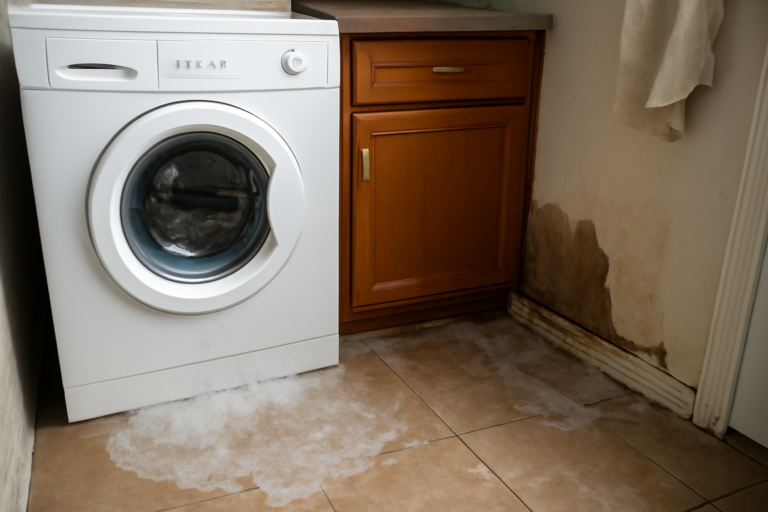
Look for water marks on ceilings, walls, or baseboards, especially if they have appeared suddenly after heavy rain. These stains are clear evidence of water intrusion that has penetrated materials and needs prompt drying and repair.
Peeling or Bubbling Paint/Wallpaper
Moisture trapped behind paint or wallpaper will cause it to lose adhesion, leading to peeling or bubbling. This is a visual cue that water has saturated the drywall or plaster, requiring thorough drying services.
Warped Doors or Windows
When wooden door frames or window sills absorb excessive moisture, they can swell and warp. This can make it difficult to open or close them, signaling that the surrounding materials are compromised and need expert attention.
Electrical Issues or Flickering Lights
Water and electricity are a dangerous combination. If you notice flickering lights, tripped breakers, or the smell of burning near outlets after a flood, it indicates potential electrical system damage. This requires an immediate safety inspection.
Flash Flood Damage Cleanup vs. DIY: When To Call a Professional
| Situation | DIY? | Call a Pro? | Why |
|---|---|---|---|
| A few inches of standing water on a tile floor in an accessible area. | Yes, with caution. | No. | You can likely remove this with mops and wet vacuums, and fans can help dry it. |
| Water seeping into drywall or plaster walls. | No. | Yes. | DIY efforts can’t effectively dry saturated wall cavities, leading to mold and structural issues. |
| Saturated carpets or padding that extend beyond a small area. | No. | Yes. | Proper drying requires specialized equipment to prevent mold and save the subfloor. |
| Any water in the crawl space or basement. | No. | Yes. | These areas are prone to hidden moisture and mold, requiring professional assessment and drying. |
| Visible mold growth or a strong musty odor. | No. | Yes. | Mold remediation is a specialized process requiring protective gear and containment. |
| Water affecting electrical outlets, appliances, or the HVAC system. | Absolutely not. | Yes, immediately. | Electrical and HVAC systems are safety hazards when wet and require expert handling. |
While some minor water issues might seem manageable with DIY approaches, flash flood damage often goes much deeper. When water saturates your home’s structure, it requires specialized equipment and expertise to effectively prevent long-term problems like mold and structural compromise. For your safety and the health of your home, it’s often best to call in the professionals for any significant flood event.
Flash Flood Damage Cleanup Cost In Redan, GA
The cost for flash flood damage cleanup in Redan, GA, can vary significantly. Factors like the amount of water, the size of the affected area, and the type of materials damaged all play a role. These figures are general estimates and an on-site assessment is always needed for an accurate quote.
| Service | Typical Price Range | What Affects Cost |
|---|---|---|
| Emergency Water Extraction | $500 – $2,500 | Volume of water, accessibility of the area, and urgency of response. |
| Structural Drying (Air Movers & Dehumidifiers) | $1,000 – $5,000+ | Size of the affected space, duration of drying needed, and number of units required. |
| Carpet & Subfloor Drying/Removal | $500 – $3,000+ | Square footage of carpet, whether padding needs removal, and subfloor condition. |
| Content Cleaning & Restoration | $500 – $4,000+ | Number and type of items affected, complexity of cleaning, and restoration versus replacement costs. |
| Mold Inspection & Prevention Treatment | $300 – $1,500 | Size of affected area, severity of mold, and type of preventative treatments applied. |
| Minor Reconstruction (Drywall, Baseboards) | $1,000 – $7,000+ | Extent of structural damage, materials needed, and labor involved. |
Understanding these costs can help you prepare, but remember that prompt action often saves money in the long run. We offer free, no-obligation estimates after a thorough inspection.
Service Areas Near Redan, GA
Lithonia, Stone Mountain, Decatur, Tucker, Snellville, Lilburn, Scottdale, Clarkston, Pine Lake, Avondale Estates, Belvedere Park, Redan, Smoke Rise, Druid Hills, Chamblee, Doraville, Norcross, Panthersville, Ellenwood, Conyers.
Common Questions About Flash Flood Damage Cleanup
What should I do immediately after a flash flood hits my home?
Your first step is ensuring everyone’s safety. If it’s safe to do so, turn off your main water supply and electricity to prevent further damage or hazards. Avoid using electronics or appliances that may have come into contact with water. Then, call us immediately to begin the professional water extraction process and assess the damage.
How long does flash flood damage cleanup typically take?
The timeline for flash flood cleanup can vary greatly depending on the severity of the flooding and the extent of saturation. Emergency water extraction can often be completed within 24 hours. However, the structural drying process, using specialized equipment, can take anywhere from 3 to 14 days or longer. We work efficiently to restore your home quickly.
Is flash flood water dangerous?
Yes, flash floodwaters are often contaminated with sewage, chemicals, and debris, posing significant health risks. It’s crucial not to walk through or touch floodwaters without proper protective gear. Our teams are trained in handling contaminated water and use specialized equipment and disinfectants to ensure a safe and sanitary cleanup.
What kind of equipment do you use for flash flood cleanup?
We utilize industrial-strength water extractors, powerful air movers, large-capacity dehumidifiers, and specialized moisture meters to detect hidden water. For contaminated water, we use containment barriers and antimicrobial treatments. This array of advanced equipment allows us to thoroughly dry and sanitize your property.
How can I prevent mold after a flash flood?
The best prevention is rapid and thorough drying, which is where our professional services are essential. Within 24 to 48 hours, mold can begin to grow in damp environments. Our advanced drying techniques and antimicrobial treatments are designed to eliminate mold growth before it starts and ensure your home remains healthy.
Check Our Other Relevant Services

Jerry Johns is a licensed Damage Restoration Expert with over 20 years of hands-on experience helping homeowners and businesses navigate property crises. As a trusted authority in the field, Jerry combines technical precision with a compassionate approach to disaster recovery.
𝗖𝗲𝗿𝘁𝗶𝗳𝗶𝗰𝗮𝘁𝗶𝗼𝗻𝘀: Jerry holds multiple elite IICRC certifications, including Water Damage Restoration (WRT), Applied Microbial Remediation (Mold), Applied Structural Drying (ASD), Odor Control, and Fire and Smoke Restoration.
𝗙𝗮𝘃𝗼𝗿𝗶𝘁𝗲 𝗣𝗮𝘀𝘁𝗶𝗺𝗲: When he isn’t on a job site, Jerry is an avid outdoorsman who enjoys fly fishing and restoring vintage woodworking tools.
𝗕𝗲𝘀𝘁 𝗣𝗮𝗿𝘁 𝗼𝗳 𝘁𝗵𝗲 𝗝𝗼𝗯: Jerry finds the most fulfillment in seeing the relief on a client’s face when their property is finally restored to its pre-loss condition, turning a stressful disaster into a fresh start.