Trusted by 165+ Homeowners
Flood Cleanup Services in Cartersville, GA
- Over 165 5-Star Reviews
- Free Estimates and Quotes
- 100% Satisfaction Guaranteed
- Child, Family & Pet Safe Steps
- 24-Hour Emergency Service
- Fully Licensed & Insured

When Water Doesn’t Belong: Expert Flood Cleanup Services in Cartersville, GA
You walk into your basement, and the smell hits you first – that damp, earthy scent that signals trouble. Then you see it: water pooling on the floor, creeping up the walls, maybe even soaking into your furniture. It’s a sinking feeling, knowing you’re facing a significant water intrusion problem that needs immediate attention. Dealing with flood damage in your Cartersville, GA home is stressful, but knowing you have a local team ready to help makes all the difference. We’re here to tackle that unwelcome water head-on and get your property dry again.
Homeowners around here trust us because we understand the unique challenges that come with water damage in our community. We’ve seen it all, from heavy rains causing basement floods to burst pipes creating indoor deluges. Our rapid response team is equipped to handle any situation, big or small. You can see our commitment to quality reflected in over 165 five-star reviews from your neighbors, all attesting to our dedication to getting the job done right.
- We focus specifically on the science of drying, using advanced equipment to pull moisture out of materials before mold can even think about growing.
- Our technicians are trained in advanced water damage mitigation techniques, ensuring your home is not just dried, but properly restored to pre-flood conditions.
- We work fast to prevent secondary damage like structural issues and mold growth, saving you more headaches and money down the line.
The Technical Approach to Flood Cleanup
Flood cleanup is more than just mopping up water; it’s a precise science aimed at restoring your home’s safety and integrity. When water invades your property, it doesn’t just sit on the surface. It saturates porous materials, wicks up walls, and hides in cavities, creating a breeding ground for mold and structural decay if not addressed correctly. Our team follows strict protocols, using specialized equipment to accurately measure moisture levels and ensure every affected area is thoroughly dried according to industry standards. Cutting corners here can lead to long-term problems that are far more expensive to fix.
Initial Water Extraction
Our first priority is to remove as much standing water as possible, as quickly as possible. We use powerful truck-mounted or portable extraction units designed to pull water out of carpets, subfloors, and other saturated materials. This step is crucial for minimizing water damage and setting the stage for effective drying. We aim to complete this phase within the first few hours of arrival.
Structural Drying and Dehumidification
Once the bulk of the water is gone, we deploy industrial-grade air movers and dehumidifiers. These machines work together to accelerate the evaporation process, pulling moisture from the air and building materials. We strategically place equipment to target specific areas, constantly monitoring humidity and temperature with specialized meters. This ensures thorough drying and prevents moisture from lingering, which typically takes 2-5 days depending on the extent of the damage.
Moisture Detection and Assessment
Hidden moisture is the enemy. Our technicians use advanced tools like infrared cameras and moisture meters to pinpoint exactly where water has penetrated, even behind walls and under flooring. This detailed assessment allows us to create a targeted drying plan, ensuring no area is overlooked. This diagnostic phase is critical and can take anywhere from a few hours to a full day for larger losses.
Containment Procedures
To prevent the spread of moisture and potential contaminants, we establish containment zones. Using physical barriers like plastic sheeting and negative air pressure, we isolate affected areas. This is especially important if the water source was unsanitary, helping to control airborne particles and protect unaffected parts of your home. Containment is set up early in the process and maintained throughout the drying phase.
Controlled Demolition and Material Removal
Sometimes, materials are too saturated to be saved. We carefully remove water-damaged drywall, insulation, flooring, and other items that cannot be effectively dried and restored. This controlled demolition is essential for accessing hidden moisture and preventing future mold growth. We ensure proper disposal of all removed materials, adhering to safety guidelines. This phase happens as needed, often after initial drying begins, and its duration varies greatly.
Don’t let water damage linger. The sooner you call for professional help, the better the outcome for your home. Act now to protect your property and your family’s health.

Warning Signs You Need Flood Cleanup Services
Catching the signs of water damage early is key to preventing more serious and costly problems down the road. Even small leaks can lead to significant issues if left untreated. Pay attention to what your home is telling you, and don’t ignore subtle indicators that water might be causing trouble.
Musty Odors That Won’t Go Away
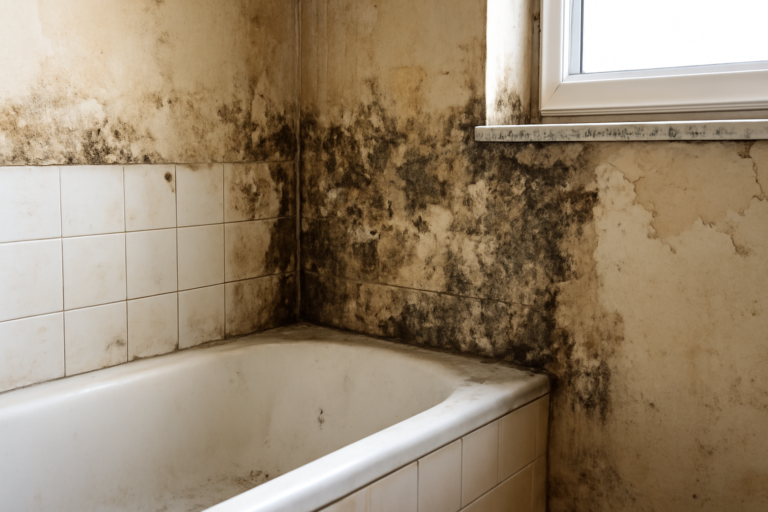
A persistent, damp, or musty smell, especially in basements, bathrooms, or closets, is a strong indicator of hidden moisture. This odor is often caused by mold and mildew growing in damp areas, even if you can’t see it. Investigate unusual smells immediately, as they point to a potential flood damage issue.
Visible Water Stains or Discoloration
Look for water marks on ceilings, walls, or floors. These stains, often appearing as brown or yellow rings, mean water has saturated the material and is likely causing damage behind the surface. Address staining promptly to prevent further material breakdown.
Peeling or Bubbling Paint and Wallpaper
When water gets behind paint or wallpaper, it loosens the adhesive and causes the surface to bubble up or peel away from the wall. This is a clear sign that moisture is present and is compromising the integrity of your finishes. Inspect for surface damage that indicates underlying water issues.
Warped or Sagging Ceilings and Walls
Heavy saturation can cause drywall and plaster to weaken, leading to visible sagging or warping. This is a serious sign that the structural components of your home are being compromised by water. Notice structural changes and call for an inspection right away.
Soft or Spongy Flooring
If your carpet feels unusually damp or spongy underfoot, or if wood or laminate flooring starts to buckle or lift, it’s a strong indication of water intrusion. This can happen even if there’s no visible standing water. Check flooring for unusual softness or lifting.
Increased Humidity Levels
If your home feels unusually damp or clammy, even with air conditioning running, it could be due to hidden moisture problems. Unexplained condensation on windows or pipes is also a red flag. Monitor indoor humidity and seek the source if it’s too high.
Flood Cleanup Services vs. DIY: When To Call a Professional
| Situation | DIY? | Call a Pro? | Why |
|---|---|---|---|
| Minor spill on tile floor from a small sink leak | Yes | No | Easy to clean up with towels and fans. |
| Standing water covering less than 10 sq ft of a hard surface floor | Maybe | Yes | Quick extraction is key, but a pro ensures it’s fully dry. |
| Water damage affecting carpet and padding | No | Yes | Carpet holds moisture deep down, requiring specialized drying. |
| Water source is a sewage backup or unsanitary drain | Absolutely Not | Yes | Serious health risks require professional containment and remediation. |
| Water has soaked into drywall or insulation | No | Yes | These materials absorb water readily and need professional drying or removal. |
| You see or smell mold growth | No | Yes | Mold requires expert assessment and removal to prevent health issues. |
While minor spills can sometimes be handled with household supplies, any significant water intrusion or water that has soaked into porous materials requires professional intervention. Professional flood cleanup ensures the job is done right, preventing costly secondary damage and health hazards.
Flood Cleanup Services Cost In Cartersville, GA
The cost of flood cleanup services in Cartersville, GA can vary widely depending on several factors. These include the total square footage affected, the depth of the water, the type of materials damaged, and the complexity of the drying process. The prices below are estimates and can change based on your specific situation.
| Service | Typical Price Range | What Affects Cost |
|---|---|---|
| Water Extraction & Initial Drying | $500 – $3,000 | Amount of water, speed of response, accessibility. |
| Structural Drying (Air Movers & Dehumidifiers) | $1,000 – $5,000+ | Size of affected area, required drying time, equipment needs. |
| Moisture Detection & Assessment | $300 – $1,000 | Complexity of the structure, number of areas to test. |
| Containment Setup & Maintenance | $200 – $800 | Size of containment area, duration of need. |
| Controlled Demolition & Material Removal | $500 – $4,000+ | Amount and type of materials to be removed (e.g., drywall, flooring). |
| Odor Control & Antimicrobial Treatment | $200 – $1,000 | Severity of odors, extent of potential mold growth. |
An on-site assessment is crucial for an accurate quote. We offer free, no-obligation estimates so you know exactly what to expect before we begin any work.
Service Areas Near Cartersville, GA
Acworth, Adairsville, Allatoona, Aragon, Ball Ground, Bartow, Cartersville, Cassville, Cedartown, Euharlee, Emerson, Etowah, Fairmount, Kingston, Kennesaw, Lake Allatoona, Lithia Springs, Ludville, Marietta, New Hope, North Metro, Oak Grove, Ostella, Piedmont, Pine Log, Powder Springs, Rockmart, Rome, Rydal, Salacoa, Stilesboro, Taylorsville, Temple, Tocoa, Town Center, Trion, Tubbs Mountain, Tucker, White, Woodstock.
Common Questions About Flood Cleanup Services
What should I do immediately after discovering flood damage?
First, ensure your safety. If the water is electrical, turn off the power if it’s safe to do so. Avoid wading into standing water if you suspect electrical hazards or contamination. If possible, remove as much standing water as you can and open windows for ventilation, but contact professionals immediately. We can guide you through safe next steps and begin the extraction process quickly.
How long does flood cleanup typically take?
The timeline for flood cleanup varies significantly based on the extent of the water damage, the type of materials affected, and the speed of our response. While initial water extraction might take a few hours, the structural drying process can take anywhere from 2 to 5 days, sometimes longer. We use advanced equipment to expedite this, but thorough drying is essential to prevent future problems.
Is flood cleanup expensive?
The cost depends on the scope of the damage. Minor incidents might be less expensive, but extensive flooding requiring specialized equipment and material removal can be a significant investment. However, neglecting proper cleanup can lead to much higher costs later due to mold growth and structural damage. We provide transparent pricing and work with you to manage costs effectively.
How do you ensure all the water is removed?
We use a combination of powerful water extraction equipment, moisture meters, and infrared cameras to detect and remove water. Our technicians are trained to identify hidden moisture within walls, floors, and ceilings. We don’t stop until we’ve achieved dryness verification using industry-standard equipment and protocols.
Can I prevent future flood damage?
While some flood events are unavoidable, you can take steps to minimize risk. Regularly inspect pipes and appliances for leaks, ensure proper drainage around your foundation, and consider installing a sump pump if you’re in a flood-prone area. For existing moisture issues, our team can assess your home and recommend targeted solutions to improve water resistance.
Check Our Other Relevant Services
Serving Cartersville, GA And Nearby Areas