Trusted by 165+ Homeowners
Flood Damage Restoration in Dallas, GA
- Over 165 5-Star Reviews
- Free Estimates and Quotes
- 100% Satisfaction Guaranteed
- Child, Family & Pet Safe Steps
- 24-Hour Emergency Service
- Fully Licensed & Insured

When Water Invades: Your Guide to Flood Damage Restoration in Dallas, GA
If you’re dealing with flood damage, the first thing you should know is that standing water breeds mold very quickly. It’s not just about the visible mess; there are hidden dangers lurking. Time is your absolute enemy when water saturates your home here in Dallas, GA. Acting fast is crucial to prevent secondary issues like structural compromise and unhealthy mold growth. You’re likely feeling overwhelmed right now, and that’s completely understandable.
Our local homeowners trust us because we understand the urgency of flood situations. We’ve been helping neighbors recover from water damage for years, and we’ve earned over 165 five-star reviews from people just like you. We get your property dry efficiently and effectively, minimizing the long-term impact. Our commitment is to restoring your home and your sense of normalcy with swift, reliable service.
- Rapid water extraction that removes the bulk of the damage quickly, preventing further saturation.
- Targeted drying and dehumidification using specialized equipment to create a healthy indoor environment.
- Thorough mold prevention and remediation to ensure your home is safe and sound long after the water is gone.
How Flood Damage Restoration Actually Works
The process for dealing with flood damage is critical, and it’s far more complex than simply mopping up. When water has entered your home from outside sources, it carries contaminants and can weaken building materials rapidly. A proper process prevents future problems. Cutting corners here can lead to lingering moisture, mold, and persistent odors that are difficult and expensive to fix later. We follow a strict protocol to ensure your home is truly restored, not just superficially dried.
1. Emergency Water Extraction
As soon as we arrive, our team begins the crucial step of removing standing water. We use powerful truck-mounted or portable extraction units to pump out as much water as possible. This initial step is vital and typically takes anywhere from 1 to 4 hours, depending on the volume of water. The sooner we can remove this excess moisture, the better the outcome for your home.
2. Structural Drying and Dehumidification
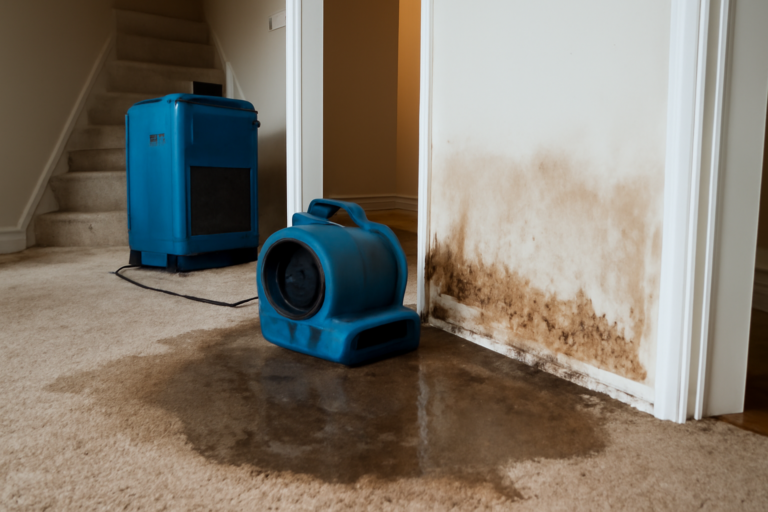
Once the bulk of the water is gone, we set up specialized drying equipment. This includes high-velocity air movers and industrial-grade dehumidifiers. These machines work around the clock to pull moisture out of the air and from within your walls, floors, and ceilings. This phase can take several days, often 3 to 5, sometimes longer, depending on the extent of the saturation. We monitor humidity levels closely.
3. Content Cleaning and Restoration
While the structure dries, we carefully assess and clean your salvageable belongings. This might involve taking items to our specialized cleaning facility for deep cleaning, deodorizing, and sanitizing. We aim to save your cherished items, treating them with care. This process can take anywhere from a few days to a couple of weeks for more severely affected items.
4. Mold Prevention and Inspection
Because floodwaters can contain contaminants and damp conditions encourage mold, we conduct thorough inspections for mold growth. We use advanced moisture meters and thermal imaging cameras to find hidden moisture. Our goal is a healthy home, so we take proactive steps to prevent mold from becoming an issue. This is an ongoing part of the drying process.
5. Final Inspection and Monitoring
Before we consider the job complete, we perform a final inspection with you. We’ll use moisture meters to confirm that all affected areas are completely dry. Your satisfaction is our priority. We’ll walk through your property to ensure you’re happy with the restoration results. This final check typically happens after the drying equipment has been removed, usually within 5-7 days of starting.
Don’t wait for secondary damage to set in. Contact us immediately if you suspect flood damage to your property. We’re here to help you navigate this stressful situation with prompt, professional service.

Warning Signs You Need Flood Damage Restoration
Catching flood damage early can save you a significant amount of money and prevent much larger headaches down the road. Ignoring subtle signs can lead to extensive structural damage and serious health risks. Early detection is key to a more efficient and less costly restoration. Pay attention to what your home is telling you.
Musty Odors That Won’t Go Away
A persistent damp, musty smell is often the first sign of hidden moisture and potential mold growth. Don’t just mask the smell; investigate the source. This odor indicates that water may be trapped behind walls or under flooring.
Visible Water Stains or Discoloration
Look for dark spots or rings on ceilings, walls, or carpets. These stains are clear indicators that water has penetrated the surface. These are red flags that require immediate attention to prevent material degradation.
Warped Walls or Ceilings
When drywall or wood begins to bulge, sag, or warp, it’s a sign that it has absorbed a significant amount of moisture. This structural damage needs professional assessment to determine the extent of the problem.
Peeling or Bubbling Paint
Moisture trapped behind paint can cause it to lose its adhesion, leading to peeling or bubbling. This indicates water intrusion and potential damage to the underlying surface.
Soft or Spongy Flooring
If your carpets feel damp even after they appear dry, or if hard floors feel soft or spongy, it means the subfloor is saturated. This is a critical sign of deep moisture that needs professional drying.
Increased Humidity Levels
If your home feels unusually humid, clammy, or if condensation is forming on windows, it could mean there’s excess moisture in the air. High humidity levels create an ideal environment for mold and mildew.
Flood Damage Restoration vs. DIY: When To Call a Professional
| Situation | DIY? | Call a Pro? | Why |
|---|---|---|---|
| Minor spill on a hard floor (less than 10 sq ft) | Yes | No | Easy to clean up and dry with towels and fans. |
| Backyard flooding into a detached shed with no valuables | Yes | No | Shed is less critical, can air dry over time. |
| Toilet overflow in a bathroom with minimal water | Maybe | Yes | Risk of subfloor damage and hidden mold; professionals ensure thorough drying. |
| Basement flooding from external sources (heavy rain) | No | Yes | Floodwater is often contaminated and requires specialized extraction and drying to prevent health hazards and structural issues. |
| Water seeping through foundation walls | No | Yes | Indicates potential foundation issues and requires professional assessment and remediation to prevent recurring problems. |
| Water damage affecting multiple rooms or upper floors | No | Yes | Complex water migration requires advanced equipment and expertise to dry completely and prevent widespread damage. |
For anything beyond a minor, contained spill on a hard surface, calling a professional is almost always the safest and most effective route. DIY attempts often fall short of fully drying materials, leaving you vulnerable to mold and structural decay. Professional help ensures complete drying and prevents long-term problems.
Flood Damage Restoration Cost In Dallas, GA
The cost of flood damage restoration in Dallas, GA, can vary significantly. It depends on the severity of the flooding, the size of the affected area, the type of materials damaged, and how quickly you address the issue. These figures are estimates and can change based on your specific situation. A thorough on-site assessment is always needed for an accurate quote.
| Service | Typical Price Range | What Affects Cost |
|---|---|---|
| Emergency Water Extraction | $500 – $2,500 | Volume of water, accessibility, and square footage. |
| Structural Drying & Dehumidification | $1,000 – $5,000+ | Size of affected area, duration of drying, and number of units needed. |
| Content Cleaning & Restoration | $500 – $3,000+ | Number of items, type of items, and extent of damage to each item. |
| Mold Inspection & Prevention | $300 – $1,000 | Size of the area being inspected and the type of testing required. |
| Demolition & Material Removal | $500 – $2,000+ | Amount of damaged material needing removal and disposal fees. |
| Odor Removal | $300 – $1,500 | Severity of odor and the methods needed for effective treatment. |
Remember, these are general ranges. Getting a free estimate is the best way to understand the specific costs for your property. We’ll provide a clear breakdown after assessing the damage on-site.
Service Areas Near Dallas, GA
We proudly serve Dallas, GA, and many surrounding communities including Hiram, Powder Springs, Douglasville, Lithia Springs, Austell, Mableton, Marietta, Kennesaw, Acworth, Woodstock, Canton, Cartersville, Emerson, White, Taylorsville, Dallas, Dallas, Dallas, Dallas, Dallas.
Common Questions About Flood Damage Restoration
What should I do immediately after discovering flood damage?
First, prioritize your safety. If the water came from an external source, turn off your electricity if it’s safe to do so. Avoid walking through standing water as it could be contaminated. Document the damage with photos or videos for insurance purposes. Then, call us immediately; the sooner we can start the extraction process, the less damage your home will sustain.
How long does flood damage restoration typically take?
The timeline varies greatly depending on the extent of the water damage. Basic drying and dehumidification might take 3 to 5 days. However, if materials are heavily saturated or mold is present, it could extend to several weeks. We work diligently to restore your property as quickly as possible while ensuring a thorough job.
Is floodwater dangerous?
Yes, floodwater, especially from external sources like rivers or storms, is often contaminated. It can contain sewage, chemicals, and harmful bacteria. It’s crucial not to touch or ingest floodwater. Our team wears protective gear and follows strict safety protocols to handle contaminated water and ensure your home is sanitized.
What equipment do you use for flood damage restoration?
We utilize a range of specialized equipment. This includes powerful truck-mounted or portable water extractors, industrial-grade dehumidifiers, high-velocity air movers, air scrubbers with HEPA filters, and moisture meters. This advanced equipment allows us to remove water efficiently, dry out materials thoroughly, and monitor the environment for safety.
Can I prevent flood damage in the future?
While you can’t always prevent natural floods, you can take steps to mitigate risk. Ensure your gutters and downspouts are clear and directing water away from your foundation. Consider grading your landscape so water flows away from your home. Regular maintenance is key. For persistent issues, professional consultation about sump pumps or foundation sealing might be necessary.
Check Our Other Relevant Services

Jerry Johns is a licensed Damage Restoration Expert with over 20 years of hands-on experience helping homeowners and businesses navigate property crises. As a trusted authority in the field, Jerry combines technical precision with a compassionate approach to disaster recovery.
𝗖𝗲𝗿𝘁𝗶𝗳𝗶𝗰𝗮𝘁𝗶𝗼𝗻𝘀: Jerry holds multiple elite IICRC certifications, including Water Damage Restoration (WRT), Applied Microbial Remediation (Mold), Applied Structural Drying (ASD), Odor Control, and Fire and Smoke Restoration.
𝗙𝗮𝘃𝗼𝗿𝗶𝘁𝗲 𝗣𝗮𝘀𝘁𝗶𝗺𝗲: When he isn’t on a job site, Jerry is an avid outdoorsman who enjoys fly fishing and restoring vintage woodworking tools.
𝗕𝗲𝘀𝘁 𝗣𝗮𝗿𝘁 𝗼𝗳 𝘁𝗵𝗲 𝗝𝗼𝗯: Jerry finds the most fulfillment in seeing the relief on a client’s face when their property is finally restored to its pre-loss condition, turning a stressful disaster into a fresh start.