Trusted by 165+ Homeowners
Flood Damage Restoration in East Point, GA
- Over 165 5-Star Reviews
- Free Estimates and Quotes
- 100% Satisfaction Guaranteed
- Child, Family & Pet Safe Steps
- 24-Hour Emergency Service
- Fully Licensed & Insured

When Water Doesn’t Belong: Flood Damage Restoration in East Point, GA
You walk into your East Point, GA home and the smell hits you first – that damp, musty odor that just shouldn’t be there. Then you see it: water pooling on your floors, seeping from under baseboards, or maybe even a visible stream coming from a burst pipe or a storm. It’s a shocking sight, and you know immediately you’ve got a serious flood damage problem. Dealing with this kind of mess requires a fast, expert response to prevent further damage and protect your property’s integrity. You need to act now to mitigate this water intrusion.
Local homeowners trust our team because we understand the urgency and the specific challenges that come with flood damage. We’ve helped hundreds of families in your neighborhood recover from water events, big and small. Our crews are known for their quick response times and thorough restoration work. We’ve earned over 165 five-star reviews from people just like you who needed immediate help getting their homes dry and safe again.
- We use specialized drying equipment that goes beyond what you can rent, targeting hidden moisture deep within your walls and subfloors to ensure a complete dry-out.
- Our process includes advanced containment methods to prevent the spread of moisture and potential mold growth, protecting your indoor air quality.
- We thoroughly document the damage and the drying process, which is crucial for insurance claims, helping you get the coverage you deserve.
The Science of Drying: How We Tackle Flood Damage
Flood damage restoration is more than just mopping up water. It’s a technical process that requires understanding how water moves, how it affects different materials, and how to remove it efficiently and safely. When water infiltrates your property, it doesn’t just sit on the surface. It wicks into drywall, insulation, and even concrete. Ignoring even small amounts of water can lead to structural issues and mold, so a systematic drying approach is essential. Our team follows strict protocols to ensure your property is dried to industry standards, preventing long-term problems and ensuring your family’s health.
1. Initial Water Extraction
The first step is always to remove as much standing water as possible. We use powerful, truck-mounted or portable extraction units designed to pull water from carpets, hard floors, and upholstery. This stage is critical for reducing drying time and preventing saturation damage to your home’s structure. We work quickly to get this done, often within hours of your call.
2. Advanced Moisture Detection and Assessment
Once the bulk of the water is gone, we use specialized tools like moisture meters and thermal imaging cameras to identify exactly where water has penetrated. This helps us pinpoint hidden moisture in walls, ceilings, and under floors. Understanding the full extent of the water damage is key to creating an effective drying plan and ensuring no areas are overlooked.
3. Controlled Drying and Dehumidification
This is where the science really comes into play. We strategically place industrial-grade air movers and dehumidifiers to accelerate the evaporation process. These machines create airflow and pull moisture out of the air, lowering the humidity levels in your home. Our technicians monitor humidity and temperature closely, adjusting equipment as needed to achieve optimal drying conditions and prevent secondary damage.
4. Containment and Air Quality Management
If there’s a risk of mold or if the water source was contaminated, we establish containment barriers. This prevents contaminated air and moisture from spreading to unaffected areas of your home. We also use air scrubbers with HEPA filters to remove airborne particles and improve the air quality during the drying process, ensuring a healthier indoor environment.
5. Structural Drying and Monitoring
We don’t stop until your property is truly dry. This involves drying out building materials like drywall, wood, and subflooring. Our team will continue to monitor moisture levels throughout the drying process, which can take several days depending on the severity of the flood. We use our expertise to ensure complete structural drying, preventing future issues.
Don’t wait for water damage to worsen. Call us today to get a professional assessment and start the drying process immediately. Your property’s safety depends on fast, effective action.

Warning Signs You Need Flood Damage Restoration
Catching the signs of flood damage early is crucial. Ignoring subtle indicators can lead to much bigger, more expensive problems down the line, like structural compromise or widespread mold growth. Knowing what to look for can save you significant stress and money. Pay attention to these signs around your property.
Musty Odors That Won’t Go Away
A persistent damp, musty smell is often the first sign of hidden moisture. This odor indicates that mold or mildew may be starting to grow behind walls, under floors, or in crawl spaces. It’s a clear signal that professional water removal is needed to address the source.
Visible Water Stains or Discoloration
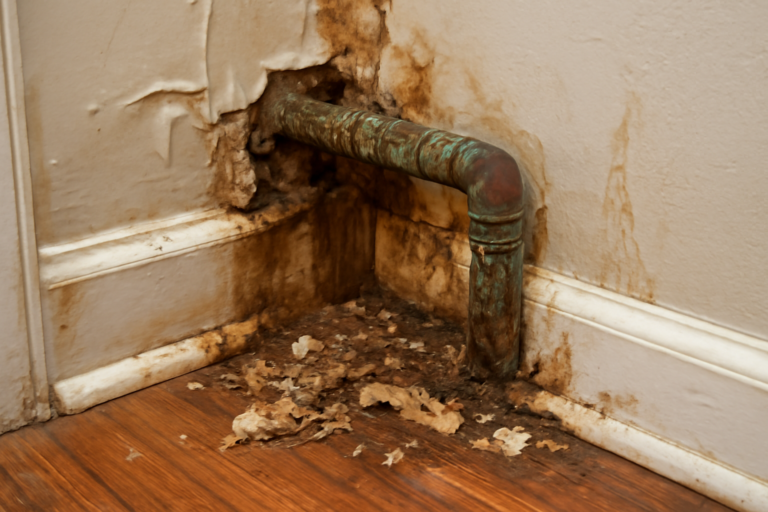
Look for brown or yellow stains on ceilings, walls, or around windows and doors. These marks mean water has seeped into the materials and is likely causing damage. These stains are a tell-tale sign of water intrusion and damage that needs immediate attention.
Peeling or Bubbling Paint and Wallpaper
When moisture gets behind paint or wallpaper, it can cause them to peel, bubble, or even detach from the wall. This is a visible indicator that the underlying materials are saturated and potentially degrading. It shows that water has compromised your surfaces.
Warped or Sagging Ceilings and Walls
Building materials like drywall and wood can absorb a lot of water. When they become saturated, they can warp, sag, or even collapse. This is a serious sign of structural damage that requires immediate professional assessment and repair to ensure your home’s safety.
Soft or Spongy Flooring
If your carpet feels unusually soft or spongy, or if hardwood floors start to buckle or feel soft underfoot, it’s a sign of waterlogged subflooring. This indicates deep saturation that needs to be addressed quickly to prevent further deterioration. You’re likely dealing with significant moisture issues.
Changes in Indoor Air Quality
Sudden increases in humidity, musty smells, or even unexplained allergy symptoms can point to water damage and potential mold growth. These changes in your home’s air can be a serious health concern. Addressing the moisture source is key to restoring healthy air.
Flood Damage Restoration vs. DIY: When To Call a Professional
| Situation | DIY? | Call a Pro? | Why |
|---|---|---|---|
| Minor spill on a hard floor, quickly wiped up. | Yes | No | Easy to clean and dry without special equipment. |
| A few inches of standing water in a finished basement after a storm. | No | Yes | Requires professional extraction and drying equipment to prevent mold and structural damage. |
| Leaking washing machine hose causing a small puddle on tile. | Maybe | No | If caught immediately and dried thoroughly, DIY is possible. |
| Sewer backup or contaminated water intrusion. | Absolutely Not | Yes | Health risks are severe; professional containment and sanitization are mandatory. |
| Water seeping through the roof after heavy rain. | No | Yes | Requires roof repair and thorough drying of ceilings, walls, and insulation. |
| A burst pipe causing water damage behind walls. | No | Yes | Hidden moisture is impossible to dry effectively without specialized tools and knowledge. |
For anything more than a minor, easily dried spill, calling a professional is your best bet. When dealing with significant water, contaminated sources, or damage hidden within your home’s structure, expert intervention is essential. Our team has the tools and experience to handle these complex situations safely and effectively.
Flood Damage Restoration Cost In East Point, GA
The cost of flood damage restoration in East Point, GA can vary significantly. Factors like the amount of water, the type of water (clean vs. contaminated), the size of the affected area, and how quickly the response occurs all play a role. These price ranges are estimates and a detailed on-site assessment is needed for an accurate quote.
| Service | Typical Price Range | What Affects Cost |
|---|---|---|
| Water Extraction | $400 – $1,500 | Volume of water, type of flooring, and accessibility. |
| Structural Drying (Air Movers, Dehumidifiers) | $750 – $3,000+ | Size of the affected space, duration of drying needed, and number of units required. |
| Moisture Detection & Assessment | $200 – $750 | Complexity of the damage and use of advanced equipment like thermal imaging. |
| Containment & Air Quality Control | $300 – $1,000+ | Size of containment area and use of air scrubbers. |
| Content Cleaning & Restoration | $500 – $2,500+ | Number of affected items, their value, and the extent of damage. |
| Mold Prevention/Remediation (if needed) | $500 – $5,000+ | Severity of mold growth and area affected. |
Understanding these costs helps, but the most important step is getting a professional estimate. We offer free, no-obligation assessments to provide you with a clear understanding of what’s needed and the associated costs.
Service Areas Near East Point, GA
Atlanta, College Park, Hapeville, Forest Park, Riverdale, Jonesboro, Clayton, Morrow, Union City, Fairburn, Red Oak, Tyrone, Lovejoy, Stockbridge, Fayetteville, Lithonia, Conyers, Decatur, Avondale Estates, Chamblee.
Common Questions About Flood Damage Restoration
What is the first thing I should do if I discover flood damage?
Your immediate priority is safety. If the water is from a sewage backup or electrical issue, stay clear of the affected areas. If it’s safe, try to shut off the water source. Then, call us immediately. We can guide you through the next steps and dispatch our team to begin professional water extraction and drying, which is crucial for preventing further damage.
How long does flood damage restoration take?
The timeline varies greatly depending on the severity of the water damage. Minor incidents might take 2-3 days for drying, while extensive flooding could require a week or more. Our process involves careful monitoring to ensure complete structural drying, but we always aim to work as efficiently as possible.
Is flood damage restoration covered by insurance?
Often, yes, but it depends on the cause of the flood. Water damage from sudden pipe bursts or storms is typically covered. Damage from poor maintenance or gradual leaks might not be. We work with your insurance company to help document the damage and the restoration process, making the claims process smoother for you. We’ll help you understand the coverage for your specific situation.
How do you ensure all the water is removed?
We use a combination of powerful extraction equipment and advanced moisture-detecting tools. Our technicians meticulously check walls, floors, and subflooring for hidden moisture using meters and thermal imaging. This ensures that even moisture you can’t see is targeted for removal, preventing issues like mold growth and ensuring a thorough dry-out.
Can I prevent flood damage in the future?
Regular maintenance is key. Check pipes for leaks, ensure your sump pump is working, and keep gutters clean. After any flood event, proper restoration is vital. If you have a crawl space or basement, consider waterproofing solutions. Taking these steps can significantly reduce the risk of future water intrusion and protect your home.
Check Our Other Relevant Services
Serving East Point, GA And Nearby Areas