Trusted by 165+ Homeowners
Flood Damage Restoration in Lilburn, GA
- Over 165 5-Star Reviews
- Free Estimates and Quotes
- 100% Satisfaction Guaranteed
- Child, Family & Pet Safe Steps
- 24-Hour Emergency Service
- Fully Licensed & Insured

When Water Invades Your Lilburn Home: Fast Flood Damage Restoration
You walk into your living room, and it hits you: the unmistakable smell of dampness, maybe even mildew. Water is pooling on your floor, creeping up the baseboards. You hear the trickle, or maybe the steady drip, and a knot forms in your stomach. This isn’t just a spill; it’s serious water intrusion, and you need a swift, expert response to protect your property. Dealing with flood damage in Lilburn, GA, requires immediate attention to prevent further issues like mold growth and structural compromise. We understand the stress this brings, and our team is ready to help you restore your home.
Homeowners around here have trusted us for over 165 five-star reviews to handle their flood damage emergencies. They know that when water damage happens, especially from flooding, you need a local team that responds quickly and knows the specific challenges of our area. We’ve helped countless neighbors in your situation, bringing their homes back to normal with efficient water removal and drying. You can count on our commitment to getting the job done right.
- We focus on rapid water extraction, using powerful equipment to remove standing water quickly and prevent secondary damage, so your home is dried out faster.
- Our technicians employ advanced moisture detection tools to pinpoint hidden water pockets in walls and subfloors, ensuring a thorough drying process that addresses the root cause of the problem.
- We handle everything from initial water removal to complete structural drying and deodorizing, aiming to return your home to its pre-flood condition with minimal disruption.
The Science Behind Flood Damage Restoration
Flood damage restoration is more than just mopping up water. It’s a precise science involving careful assessment, containment, drying, and monitoring. When you try to handle significant flooding yourself, you might miss hidden moisture, leading to long-term problems like warped wood or even structural rot. Our crews follow strict protocols to ensure every part of your property is properly dried and restored, preventing costly future repairs.
Step 1: Immediate Water Extraction
The first and most crucial step is removing all standing water as fast as possible. We use high-powered submersible pumps and truck-mounted extraction units to pull water out of your carpets, floors, and subfloors. This phase is critical for minimizing water damage and preventing it from spreading further into your home’s structure.
Step 2: Structural Drying and Dehumidification
Once the bulk of the water is gone, we bring in specialized equipment. Industrial-grade air movers and dehumidifiers work together to pull moisture from the air and building materials. This controlled drying process is essential to bring humidity levels down and prevent mold and mildew, ensuring your home is safely dried.
Step 3: Moisture Monitoring
Our technicians don’t guess when your home is dry; they measure it. Using advanced moisture meters, we take readings of walls, floors, and even inside cabinets. This allows us to track the drying progress and confirm that all affected areas, even those hidden from view, are brought back to pre-loss moisture levels.
Step 4: Content Cleaning and Restoration
We carefully assess all your belongings that were affected by the flood. Items like furniture, documents, and electronics may need specialized cleaning, drying, and deodorizing to be saved. Our goal is to salvage as much as possible, restoring your valuables whenever feasible.
Step 5: Odor Control and Sanitization
Floodwaters can carry contaminants and leave behind unpleasant odors. We use professional-grade sanitizers and deodorizing agents to eliminate bacteria and neutralize smells. This ensures not only that your home smells fresh but that it’s also a healthy living environment.
Don’t wait for water damage to worsen. Call us now to start the restoration process and begin recovering your home today. You deserve a swift and professional response.

Warning Signs You Need Flood Damage Restoration
Catching the signs of water damage early can save you a significant amount of time, money, and stress. Ignoring even minor signs can lead to bigger, more expensive problems down the road, like mold infestations or compromised structural integrity. Pay close attention to these indicators in your home; they’re your early warning system for potential flood damage that requires professional attention.
Musty Odors That Won’t Go Away
If you notice persistent damp or musty smells, especially in basements or lower levels, it’s a strong indicator of hidden moisture. This odor often means mold or mildew is starting to grow behind walls or under floors, a clear sign you need expert water remediation.
Visible Water Stains or Discoloration
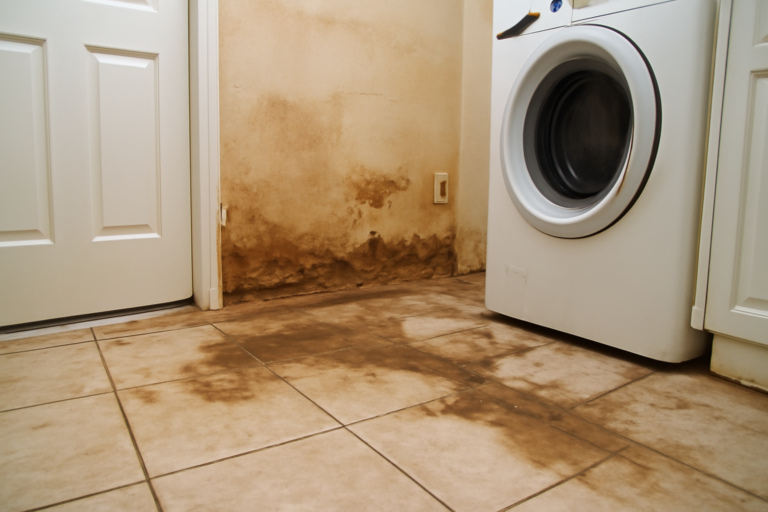
Look for dark spots or rings on ceilings, walls, or floors. These stains are evidence of water seeping into materials and can indicate a leak or past flooding that hasn’t been fully addressed. They are a tell-tale sign of ongoing water issues.
Warped or Sagging Walls and Ceilings
Waterlogged drywall, wood, or plaster can begin to warp, sag, or bubble. This is a serious structural warning sign that the materials are saturated and losing their integrity. It means the water has been present long enough to cause significant material damage.
Peeling or Bubbling Paint and Wallpaper
Moisture trapped behind paint or wallpaper will cause it to lose its adhesion, leading to peeling or bubbling effects. This is a visual cue that water is infiltrating the surface layers of your walls, requiring immediate drying and repair.
Soft or Spongy Flooring
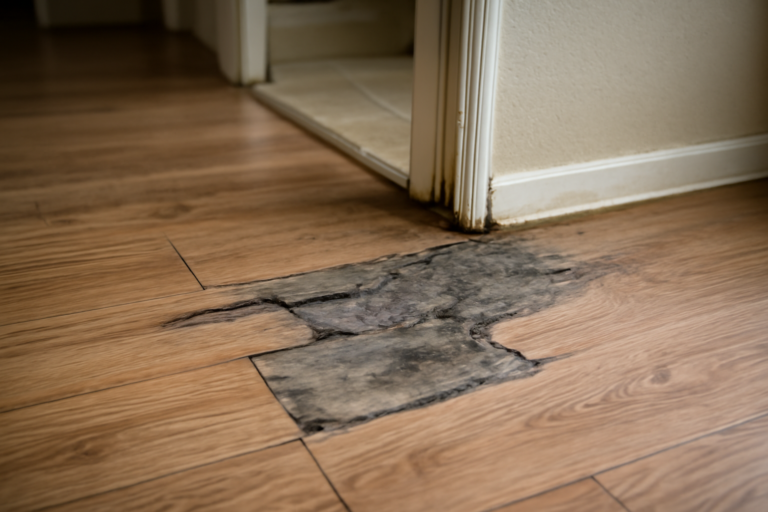
If your carpets feel unusually damp even when it hasn’t rained recently, or if your wood or laminate floors feel soft or spongy underfoot, it suggests water has saturated the subfloor. This can lead to rot and mold, so it needs professional assessment.
Increased Humidity Levels
You might notice your home feels unusually humid, or that condensation is forming on windows and pipes. This indicates excess moisture in the air, which can be a byproduct of undetected leaks or inadequate drying after a flood, promoting mold growth conditions.
Flood Damage Restoration vs. DIY: When To Call a Professional
| Situation | DIY? | Call a Pro? | Why |
|---|---|---|---|
| Minor spill on hard flooring (e.g., kitchen tile) | Yes | No | Easy to clean up and dry with towels and fans. |
| Saturated carpet from a clean water source (e.g., burst pipe) | Maybe (small area) | Yes (large area) | Requires specialized extraction and drying equipment to prevent mold. |
| Floodwater from an overflowing toilet or sewer backup | Absolutely Not | Yes | Contaminated water poses serious health risks and needs professional sanitization. |
| Water damage in walls or ceilings | No | Yes | Hidden moisture requires professional detection and drying to avoid structural rot. |
| Basement flooding after heavy rain | No | Yes | Often extensive and requires powerful pumps and dehumidifiers for complete drying. |
| Any sign of mold growth or musty odors | No | Yes | Mold spores can spread quickly and require containment and specialized cleaning. |
While small, clean water spills might be manageable with DIY efforts, any significant flooding, contaminated water, or damage within walls and ceilings demands professional attention. Relying on DIY for larger issues can lead to overlooked moisture, resulting in costlier long-term damage and health concerns.
Flood Damage Restoration Cost In Lilburn, GA
The cost of flood damage restoration in Lilburn, GA, can vary significantly depending on the extent of the water damage, the size of the affected area, and the specific restoration methods needed. These figures are estimates to give you a general idea; an on-site assessment is always necessary for an accurate quote. Factors like the type of flooring, the presence of mold, and the complexity of the drying process will influence the final price.
| Service | Typical Price Range | What Affects Cost |
|---|---|---|
| Water Extraction (per sq ft) | $0.50 – $2.00 | Amount of standing water and accessibility. |
| Structural Drying (equipment rental & monitoring) | $500 – $2,500 | Size of the affected area and duration of drying needed. |
| Dehumidification & Air Movers | $100 – $400 per day | Number of units required and days of operation. |
| Carpet Drying/Removal | $200 – $1,000 | Whether carpet can be saved or needs replacement. |
| Mold Remediation (if applicable) | $1,000 – $7,000+ | Severity and spread of mold growth. |
| Content Cleaning & Restoration | $500 – $5,000+ | Number and type of items needing specialized treatment. |
The best way to get a clear understanding of your specific restoration costs is to schedule a free estimate. Our team can assess the damage on your property and provide a detailed breakdown of the necessary work and associated expenses. We aim to be transparent about restoration pricing.
Service Areas Near Lilburn, GA
Tucker, Clarkston, Stone Mountain, Snellville, Norcross, Chamblee, Doraville, Decatur, Avondale Estates, Dunwoody, Marietta, Roswell, Alpharetta, Johns Creek, Sandy Springs, Atlanta, Smyrna, Kennesaw, Acworth, Lawrenceville.
Common Questions About Flood Damage Restoration
How quickly do I need to address flood damage?
You need to act immediately. Water damage can double within 24-48 hours if not addressed. Mold can begin to grow in as little as 24-48 hours, and structural materials can weaken significantly. Our team is available 24/7 to begin the urgent water removal process.
Will my insurance cover flood damage restoration?
Typically, standard homeowner’s insurance policies cover water damage from sudden, internal sources like burst pipes or appliance malfunctions. However, flood damage from external sources like heavy rain, overflowing rivers, or sewer backups often requires separate flood insurance. We can help document the damage for your claim and work with your insurance adjuster to ensure proper coverage for the restoration work needed.
How long does flood damage restoration usually take?
The timeline varies greatly based on the severity of the flooding and the size of your home. Minor situations might be resolved in a few days, while extensive flooding can take weeks. Our priority is to dry your property thoroughly using advanced equipment to speed up the process and prevent long-term structural issues.
What are the health risks associated with flood damage?
Floodwaters can contain harmful bacteria, viruses, and sewage, posing significant health risks. Even clean water can lead to mold growth, which can cause respiratory problems and allergic reactions. Our technicians use EPA-approved disinfectants and sanitizers to ensure your home is not only dry but also safe and healthy.
Can you restore my belongings after a flood?
We make every effort to restore your personal belongings whenever possible. We have specialized cleaning, drying, and deodorizing techniques for items like furniture, documents, electronics, and art. Our goal is to salvage your cherished possessions and return them to their pre-flood condition, minimizing the need for costly replacements.
Check Our Other Relevant Services

Jerry Johns is a licensed Damage Restoration Expert with over 20 years of hands-on experience helping homeowners and businesses navigate property crises. As a trusted authority in the field, Jerry combines technical precision with a compassionate approach to disaster recovery.
𝗖𝗲𝗿𝘁𝗶𝗳𝗶𝗰𝗮𝘁𝗶𝗼𝗻𝘀: Jerry holds multiple elite IICRC certifications, including Water Damage Restoration (WRT), Applied Microbial Remediation (Mold), Applied Structural Drying (ASD), Odor Control, and Fire and Smoke Restoration.
𝗙𝗮𝘃𝗼𝗿𝗶𝘁𝗲 𝗣𝗮𝘀𝘁𝗶𝗺𝗲: When he isn’t on a job site, Jerry is an avid outdoorsman who enjoys fly fishing and restoring vintage woodworking tools.
𝗕𝗲𝘀𝘁 𝗣𝗮𝗿𝘁 𝗼𝗳 𝘁𝗵𝗲 𝗝𝗼𝗯: Jerry finds the most fulfillment in seeing the relief on a client’s face when their property is finally restored to its pre-loss condition, turning a stressful disaster into a fresh start.