Trusted by 165+ Homeowners
Flood Damage Restoration in Morrow, GA
- Over 165 5-Star Reviews
- Free Estimates and Quotes
- 100% Satisfaction Guaranteed
- Child, Family & Pet Safe Steps
- 24-Hour Emergency Service
- Fully Licensed & Insured

When Water Takes Over: Expert Flood Damage Restoration in Morrow, GA
You walk into your home, and the air feels heavy, damp. A strange, earthy smell hits you. Then you see it – water pooling on your floors, seeping into carpets, maybe even creeping up the walls. It’s a gut-wrenching moment, discovering unexpected water intrusion in your living space. This isn’t just a spill; it’s significant flood damage, and you need to act fast. Dealing with this kind of problem in your Morrow, GA home can feel overwhelming, but getting the right help quickly is the most important step.
We’ve helped over 165 satisfied homeowners in your neighborhood and surrounding areas navigate these exact situations. They trust us because we understand the urgency and the specific challenges that flood damage restoration presents. You’re not just looking for someone to clean up a mess; you need a team that knows how to properly dry, dehumidify, and restore your property, preventing further damage and health concerns.
- We use advanced moisture meters and thermal imaging to pinpoint hidden water that your eyes can’t see, ensuring a truly thorough drying process.
- Our specialized industrial-grade equipment, like high-powered air movers and dehumidifiers, works around the clock to extract moisture and prevent mold growth, protecting your home’s structural integrity.
- We focus on restoring not just the visible damage, but also the underlying environment, making sure your home is safe and healthy again.
The Science of Flood Damage Restoration: How We Actually Work
When water floods your property, it doesn’t just sit there; it penetrates materials, creates humidity, and can quickly lead to secondary issues like mold. That’s why a scientific approach to drying is crucial. Simply mopping up standing water isn’t enough. Our team employs a meticulous process, backed by industry standards, to ensure your home is dried to safe levels, preventing long-term problems. Cutting corners here means you’ll likely face costly future repairs and potential health hazards.
1. Immediate Water Extraction
The first priority is removing all standing water as quickly as possible. We use powerful truck-mounted or portable water extractors that can remove hundreds of gallons of water per hour. This rapid water removal is key to minimizing saturation and potential damage to your belongings and structure.
2. Advanced Structural Drying
Once the bulk of the water is gone, the real work of drying begins. We set up specialized equipment like high-velocity air movers and industrial dehumidifiers. These machines create controlled airflow and reduce humidity levels, accelerating the drying process for affected building materials. We monitor humidity and temperature closely.
3. Containment and Air Quality
To prevent moisture and contaminants from spreading, we often establish containment barriers. This creates a controlled environment for drying and protects unaffected areas of your home. We also utilize air scrubbers with HEPA filters to improve air quality and remove airborne particles, ensuring a healthier indoor environment.
4. Moisture Detection and Monitoring
Our technicians use advanced moisture meters and thermal imaging cameras to detect hidden moisture within walls, floors, and ceilings. We conduct regular readings to track drying progress and ensure that materials are drying evenly and completely, verifying proper dryness.
5. Deodorization and Sanitation
Floodwater often carries unpleasant odors and potential contaminants. We use specialized deodorizing and antimicrobial treatments to neutralize odors and sanitize affected surfaces. This step is vital for restoring a fresh and hygienic living space.
Don’t wait for the damage to worsen. Call us now to start the professional flood damage restoration process. We’re ready to help you get your home back to normal, fast.

Warning Signs You Need Flood Damage Restoration
Catching flood damage early can save you a lot of money and prevent much bigger headaches down the road. Sometimes the signs aren’t obvious, but knowing what to look for is your first line of defense. Ignoring these indicators can lead to expensive structural repairs and serious health issues from mold growth.
Musty Odors That Won’t Go Away
That damp, mildewy smell is a classic sign of hidden moisture. If you notice persistent musty odors, especially after rain or a plumbing issue, it means water is likely trapped somewhere, promoting mold and mildew growth.
Visible Water Stains or Discoloration
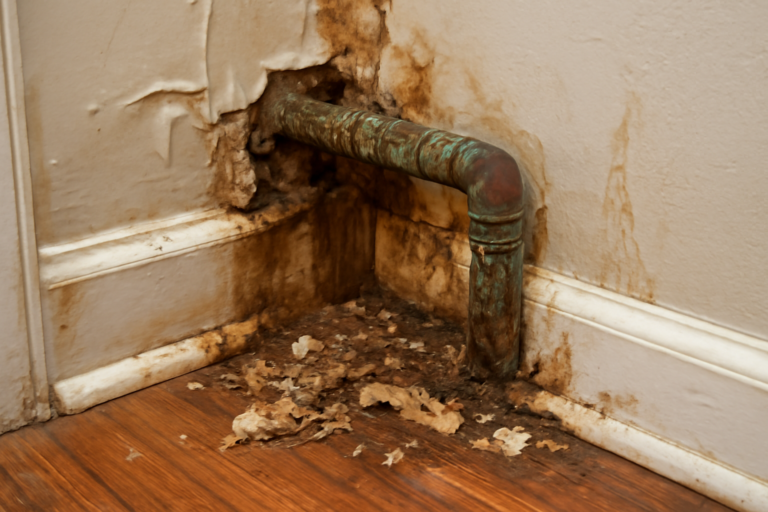
Look for dark spots, rings, or peeling paint on ceilings, walls, or even baseboards. These are clear indicators of water intrusion that has saturated the materials. The sooner you address these, the less the damage will spread.
Soft or Warped Flooring and Walls
When materials like drywall or wood absorb too much water, they can become soft, spongy, or even visibly warped. You might notice buckling in your flooring or a feeling of instability in your walls. This suggests significant water saturation.
Peeling or Bubbling Wallpaper
Wallpaper is particularly sensitive to moisture. If you see it starting to peel away from the wall, especially at the seams, it’s a strong sign that water has gotten behind it, compromising the adhesive and the wall material itself.
Condensation or Fogging Windows
While sometimes normal, excessive condensation on windows, especially when it leads to water dripping down the frames, can indicate high indoor humidity. This is often a symptom of an underlying water issue that needs prompt professional attention.
Flood Damage Restoration vs. DIY: When To Call a Professional
| Situation | DIY? | Call a Pro? | Why |
|---|---|---|---|
| Minor spill on tile floor | Yes | No | Easy to clean up and dry with towels. |
| Standing water in a basement after heavy rain | No | Yes | Requires specialized equipment for extraction and drying. |
| Water damage to carpet and padding | No | Yes | Carpets and padding absorb a lot of water and need professional drying and potential replacement. |
| Leaking pipe causing a small wet spot on drywall | Maybe | Yes | You can try drying it, but professional assessment ensures no hidden moisture remains. |
| Sewage backup or contaminated water | Absolutely Not | Yes | Requires specialized containment, sanitization, and safety protocols. |
| Persistent musty odor and suspected mold | No | Yes | Mold remediation requires expert knowledge and equipment. |
For anything beyond a minor spill on a hard surface, calling a professional is usually the safest bet. DIY flood cleanup can seem like a cost-saver, but it often leads to more expensive problems like mold, structural damage, and poor indoor air quality if not done correctly.
Flood Damage Restoration Cost In Morrow, GA
The cost of flood damage restoration in Morrow, GA varies significantly. Factors like the volume of water present, the size of the affected area, and the types of materials damaged all play a role. These figures are estimates to give you an idea of what to expect.
| Service | Typical Price Range | What Affects Cost |
|---|---|---|
| Water Extraction | $500 – $2,000 | Amount of water, size of the space, and speed of response. |
| Structural Drying (Air Movers & Dehumidifiers) | $750 – $3,500 | Duration of drying needed, number of units required, and accessibility. |
| Moisture Monitoring and Assessment | $300 – $800 | Complexity of the damage, number of inspections, and advanced equipment used. |
| Content Cleaning and Restoration | $500 – $5,000+ | Number of items affected, type of items (documents vs furniture), and extent of damage. |
| Odor Removal and Sanitization | $400 – $1,500 | Severity of odors, type of treatments needed, and size of the treated area. |
| Mold Prevention/Remediation (if needed) | $1,000 – $7,000+ | Amount of mold, type of mold, and complexity of removal. |
An on-site assessment is always necessary for an accurate quote. We offer free, no-obligation estimates to help you understand the full scope and cost for your specific situation.
Service Areas Near Morrow, GA
Atlanta, Decatur, Sandy Springs, Roswell, Johns Creek, Alpharetta, Marietta, Smyrna, Dunwoody, Brookhaven, Chamblee, Doraville, Tucker, Norcross, Duluth, Suwanee, Lawrenceville, Snellville, Stonecrest, Stockbridge.
Common Questions About Flood Damage Restoration
What should I do immediately after discovering flood damage?
Your first step should be to ensure your safety and shut off the water source if possible. If the water is from a sewage backup or contaminated source, avoid contact and evacuate the area. Then, call a professional restoration team immediately to begin the critical drying process and prevent further damage. We can guide you through the initial steps over the phone.
How long does flood damage restoration typically take?
The timeline varies greatly depending on the extent of the flooding and the materials affected. Minor water intrusion might be resolved in a few days, while severe flooding could take one to two weeks or longer for complete drying and restoration. We work efficiently to get your home back to normal as quickly as possible.
Is flood damage restoration covered by insurance?
Often, flood damage from external sources (like overflowing rivers) requires separate flood insurance. However, damage from internal sources like burst pipes or appliance failures is typically covered by standard homeowner’s insurance. We work with most insurance companies and can help you navigate the claims process for covered water damage events.
How do you ensure my home is completely dry and won’t develop mold?
We use specialized equipment like moisture meters and thermal imaging cameras to detect and measure hidden water. Our process involves placing high-powered air movers and industrial dehumidifiers to accelerate drying and reduce humidity to safe levels, preventing mold growth conditions. We continue monitoring until all materials are dry.
Can I prevent future flood damage?
Regular maintenance is key. Check your plumbing, appliances, and sump pump for any signs of wear. Ensure your gutters are clear and directing water away from your foundation. For homes in flood-prone areas, consider installing backflow valves or raising critical appliances. We can also offer preventative advice during our assessments.
Check Our Other Relevant Services
Serving Morrow, GA And Nearby Areas