Trusted by 165+ Homeowners
Floor Water Damage Restoration in Buford, GA
- Over 165 5-Star Reviews
- Free Estimates and Quotes
- 100% Satisfaction Guaranteed
- Child, Family & Pet Safe Steps
- 24-Hour Emergency Service
- Fully Licensed & Insured

When Rainwater Invades Your Floors in Buford, GA
You know how those sudden, heavy Georgia downpours can sometimes feel like they’re coming from every direction? Especially in the spring and fall, we often see intense storms that can overwhelm drainage systems or even cause minor flooding. If that water finds its way into your home, it often heads straight for your floors, creating a mess that needs immediate attention. Dealing with wet carpets, warped hardwood, or soggy tile can be incredibly stressful, and you need a team that understands how to tackle this specific problem. We’re here to help you get your floors back in shape after water damage.
Homeowners around here trust our team because we focus on getting the job done right, especially when it comes to your floors. We’ve helped over 165 families in the area recover from water damage, and their positive feedback shows we’re doing something right. You can count on us for prompt, effective service that addresses the root cause of the water issue and prevents further problems. When you need reliable floor water damage restoration, we’re the local choice for a reason.
- We use specialized drying equipment designed to extract moisture from deep within carpet padding and subfloors, preventing mold growth and structural damage.
- Our team is trained to identify and address the source of the water intrusion, ensuring the problem doesn’t just happen again.
- We handle everything from initial water extraction to thorough drying and sanitization, making the entire process as smooth as possible for you.
How We Tackle Floor Water Damage
When water gets onto your floors, it’s not just a surface issue. It can seep into the subfloor, behind baseboards, and even into wall cavities if left untreated. That’s why our process is so important. Cutting corners here can lead to long-term problems like mold, rot, and permanent damage to your flooring materials. We follow a structured approach to ensure every drop of water is removed and your floors are dried properly and safely.
1. Initial Water Assessment and Containment
First, we’ll assess the extent of the water damage on your floors. We’ll figure out where the water came from and take steps to stop it from spreading further. This might involve shutting off water sources or setting up barriers. This crucial first step usually takes about 1-2 hours, depending on the complexity.
2. Water Extraction
Next, we get to work removing all the standing water. We use powerful, truck-mounted or portable extraction units to pull water out of carpets, padding, and from under hard flooring. This is a critical phase and can take anywhere from 2-8 hours, depending on how much water we’re dealing with.
3. Structural Drying
Once the bulk of the water is gone, we set up specialized drying equipment. This includes industrial-strength air movers and dehumidifiers that work 24/7 to pull moisture out of the air and materials. This drying process is essential and typically lasts 2-5 days, sometimes longer, to ensure your floors and the underlying structure are completely dry.
4. Content Cleaning and Restoration
While your floors are drying, we can also address any affected furniture or belongings. We’ll carefully clean, dry, and restore items that were damaged by the water. This can happen concurrently with the drying process and its timeline varies greatly depending on the number and type of items.
5. Odor Control and Mold Prevention
Water damage often brings musty odors. We use professional-grade deodorizers and antimicrobial treatments to eliminate smells and prevent mold and mildew from growing. This is usually the final step, taking about 1-2 days, and ensures your home smells fresh and is healthy.
Don’t let water damage ruin your floors. Contact us immediately if you notice any signs of water intrusion to start the restoration process. Prompt action is key to preventing long-term issues and saving your flooring.

Warning Signs You Need Floor Water Damage Restoration
Catching water damage early is your best defense against costly repairs and health hazards. Your floors might be telling you something’s wrong even before you see a big puddle. Staying alert to these subtle signs can save you a lot of trouble down the road.
Musty Odors That Won’t Go Away
If your home smells damp or like mildew, especially near the floors, it’s a strong indicator of hidden moisture. This is often the first sign of developing mold or rot. Don’t ignore persistent smells; they signal a problem that needs professional attention.
Warped or Buckling Floors
Wood or laminate floors that start to cup, warp, or buckle are clearly absorbing excess moisture. This visual change means the water has been present long enough to affect the material’s integrity. Addressing this quickly can sometimes save the flooring material.
Stains or Discoloration on Flooring
Water can leave behind unsightly stains, especially on carpet or lighter-colored hard surfaces. These aren’t just cosmetic; they indicate water has penetrated the surface. Investigate any new stains appearing on your floors.
Soft or Spongy Carpet
If your carpet feels unusually soft or spongy underfoot, it likely has retained moisture in the padding. This condition is a breeding ground for bacteria and mold. Check for dampness in your carpet after any water event.
Peeling or Bubbling Paint Near the Floor
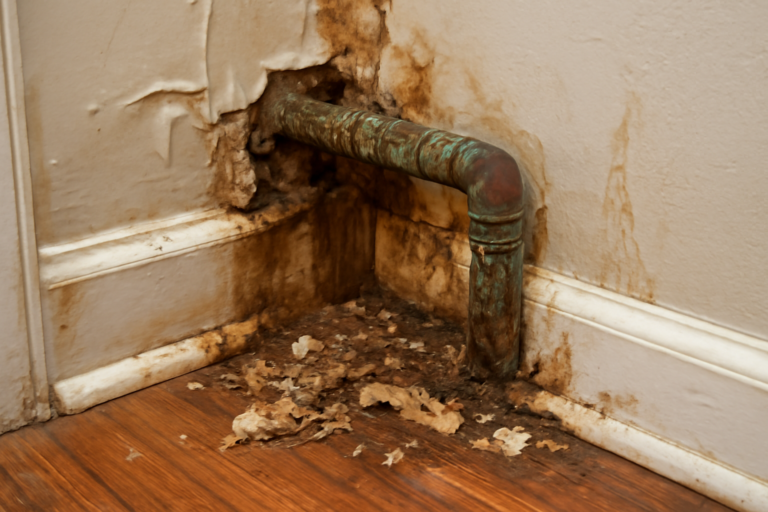
Water that seeps into walls can travel downwards, causing paint near the baseboards to peel or bubble. This is a sign that moisture is affecting your wall structure. Inspect your baseboards for any signs of moisture damage.
Changes in Subfloor Integrity
You might notice squeaking or a feeling of weakness when walking on certain areas of your floor. This can indicate that the subfloor is compromised due to moisture. Pay attention to any new noises when you walk.
Floor Water Damage Restoration vs. DIY: When To Call a Professional
| Situation | DIY? | Call a Pro? | Why |
|---|---|---|---|
| Minor spill on hard surface (tile, vinyl) | Yes | No | Easy to wipe up and dry quickly. |
| Small carpet spill (less than 1 sq ft) | Yes | No | Can usually be blotted and dried with fans. |
| Water from appliance leak (e.g., washing machine hose) | Maybe | Yes | Risk of hidden moisture behind appliances and in subfloor. |
| Flooding from burst pipe or storm surge | No | Yes | Significant water volume, requires professional extraction and drying equipment. |
| Water damage affecting multiple rooms or large areas | No | Yes | Too extensive for DIY methods; professional intervention is essential. |
| Visible mold growth or strong musty odors | No | Yes | Indicates established mold issues requiring specialized remediation. |
For anything more than a minor spill on a hard surface, calling a professional for floor water damage restoration is usually the smartest move. DIY efforts often fall short of completely removing hidden moisture, leading to bigger problems later. Trusting the pros ensures your floors are dried correctly and safely.
Floor Water Damage Restoration Cost In Buford, GA
The cost of floor water damage restoration in Buford, GA, can vary quite a bit. Factors like the type of flooring, the total square footage affected, and the amount of water involved will influence the final price. These ranges are estimates to give you a general idea.
| Service | Typical Price Range | What Affects Cost |
|---|---|---|
| Water Extraction (per sq ft) | $0.50 – $2.00 | Volume of water and accessibility of the area. |
| Carpet Drying (per room) | $300 – $800 | Size of the room and the need for specialized drying equipment. |
| Hardwood Floor Drying/Restoration | $1,000 – $5,000+ | Extent of warping, potential need for board replacement. |
| Subfloor Drying | $400 – $1,500 | Accessibility of the subfloor and the depth of moisture. |
| Dehumidification and Air Moving | $200 – $600 per day | Duration needed for complete drying, number of units required. |
| Odor Removal and Antimicrobial Treatment | $200 – $700 | Severity of odors and the size of the affected area. |
Exact pricing always depends on a thorough on-site assessment by our trained technicians. We offer free, no-obligation estimates so you know exactly what to expect before we begin work.
Service Areas Near Buford, GA
Oakwood, Flowery Branch, Suwanee, Johns Creek, Duluth, Sugar Hill, Lawrenceville, Norcross, Snellville, Lilburn, Dacula, Cumming, Alpharetta, Marietta, Roswell, Sandy Springs, Canton, Acworth, Kennesaw, Woodstock
Common Questions About Floor Water Damage Restoration
What’s the first thing I should do if my floor gets wet?
The very first thing you should do is try to stop the water source if it’s safe to do so. If it’s a minor spill, try to blot up as much water as possible. For larger issues, contact us immediately. We’ll guide you through the next steps and dispatch a team to your property. Prompt action is critical to minimizing damage and preventing secondary problems like mold.
How long does it take to dry wet floors?
The drying time for wet floors can vary significantly, typically ranging from 2 to 5 days, but sometimes longer. It depends on the type of flooring, how much water is present, and the building’s construction. We use advanced equipment to speed up the process, but it’s essential to allow adequate drying time for complete moisture removal. We’ll monitor the drying process closely.
Will water damage to my floors cause health problems?
Yes, it absolutely can. Standing water and damp materials create an ideal environment for mold and bacteria to grow, which can lead to respiratory issues, allergies, and other health concerns. That’s why professional drying and sanitization are so important. Our team uses effective antimicrobial treatments to prevent mold growth and ensure your home is safe and healthy again.
Can you really save my hardwood floors from water damage?
Often, yes. While severe saturation can lead to permanent warping, we have specialized drying techniques for hardwood floors that can often reverse much of the damage. We use targeted airflow and controlled dehumidification to draw moisture out without causing further stress. We’ll assess your floors and let you know the best course of action for successful hardwood restoration.
How can I prevent water damage to my floors in the future?
Regular maintenance is key. Check plumbing, appliances, and roof for any leaks or potential issues. Ensure your gutters and downspouts are clear to direct water away from your home’s foundation. For areas prone to moisture, like bathrooms or basements, consider using water-resistant flooring materials. Proactive prevention can save you significant hassle and expense.
Check Our Other Relevant Services

Jerry Johns is a licensed Damage Restoration Expert with over 20 years of hands-on experience helping homeowners and businesses navigate property crises. As a trusted authority in the field, Jerry combines technical precision with a compassionate approach to disaster recovery.
𝗖𝗲𝗿𝘁𝗶𝗳𝗶𝗰𝗮𝘁𝗶𝗼𝗻𝘀: Jerry holds multiple elite IICRC certifications, including Water Damage Restoration (WRT), Applied Microbial Remediation (Mold), Applied Structural Drying (ASD), Odor Control, and Fire and Smoke Restoration.
𝗙𝗮𝘃𝗼𝗿𝗶𝘁𝗲 𝗣𝗮𝘀𝘁𝗶𝗺𝗲: When he isn’t on a job site, Jerry is an avid outdoorsman who enjoys fly fishing and restoring vintage woodworking tools.
𝗕𝗲𝘀𝘁 𝗣𝗮𝗿𝘁 𝗼𝗳 𝘁𝗵𝗲 𝗝𝗼𝗯: Jerry finds the most fulfillment in seeing the relief on a client’s face when their property is finally restored to its pre-loss condition, turning a stressful disaster into a fresh start.