Trusted by 165+ Homeowners
Floor Water Damage Restoration in Oakwood, GA
- Over 165 5-Star Reviews
- Free Estimates and Quotes
- 100% Satisfaction Guaranteed
- Child, Family & Pet Safe Steps
- 24-Hour Emergency Service
- Fully Licensed & Insured

When Water Invades Your Floors in Oakwood, GA
We’ve seen it all when it comes to water damage affecting floors right here in Oakwood, GA. From burst pipes in older homes to heavy rains overwhelming drainage systems, water seeps into everything. Your beautiful hardwood, plush carpet, or practical tile can become a breeding ground for mold and rot before you know it. We understand the immediate panic and the mess it creates, especially when it starts at your feet. Getting it right the first time is crucial for your property’s long-term health.
It’s why over 165 local homeowners have trusted us with their floor water damage. They know we don’t just mop up the surface; we tackle the underlying issues that cause lasting problems. You’re looking for reliable, local expertise that understands the unique challenges of properties around here. We’ve built a reputation for thoroughness and honest communication, which is exactly what you need when your floors are compromised. We handle the heavy lifting so you can focus on getting back to normal.
- Rapid Water Extraction: We use specialized equipment to pull water out of your flooring materials quickly, preventing further saturation and damage.
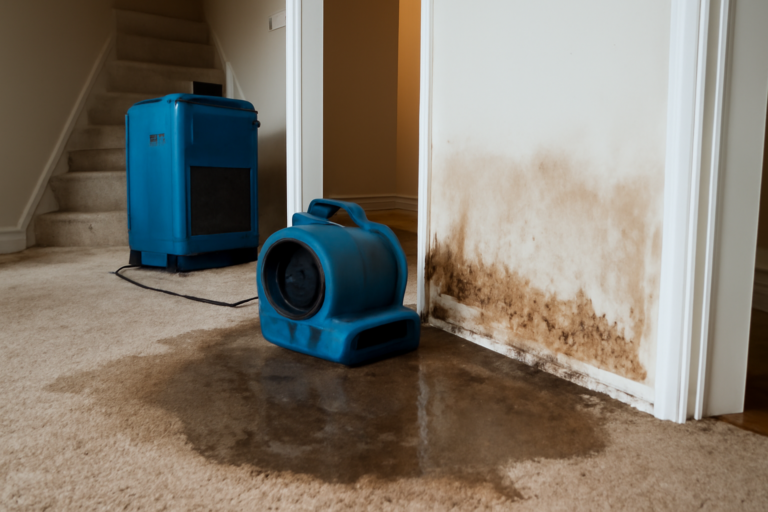
- Advanced Drying Technology: Beyond just fans, we deploy commercial-grade dehumidifiers and air movers to thoroughly dry subfloors and structural elements, inhibiting mold growth.
- Mold Prevention and Remediation: Our process includes treating affected areas to stop mold before it starts, ensuring a healthy environment for your family.
How We Tackle Floor Water Damage
Dealing with water in your home is stressful enough. You need a team that respects your property and understands the urgency. A rushed or incomplete job can lead to persistent moisture issues, warped subfloors, and costly repairs down the line. We follow a proven, meticulous process to ensure your floors are dried and restored properly, not just superficially. We bring the right tools and the right knowledge to every situation.
1. Initial Assessment and Water Source Identification
The first step is always a thorough inspection. We’ll identify the source of the water and determine the extent of the damage. This involves checking for hidden moisture in walls and under cabinets. Pinpointing the origin is key to stopping further damage and addressing the root cause.
2. Emergency Water Extraction
Once we know where the water is and how much there is, we get to work removing it. We use powerful truck-mounted or portable extraction units designed to pull water from carpets, padding, and subfloors. Speed is critical here to minimize absorption and structural compromise.
3. Advanced Drying and Dehumidification
Extracting standing water is only part of the job. We set up industrial-grade air movers and dehumidifiers to remove moisture from the air and materials. This process can take several days, depending on the severity, and we monitor humidity levels closely. Our goal is to get your environment back to pre-loss conditions.
4. Sanitization and Odor Control
Standing water, especially from non-potable sources, can leave behind unpleasant odors and bacteria. We use EPA-approved antimicrobial treatments to clean and sanitize affected areas, eliminating potential health hazards and preventing musty smells. Your home should smell fresh, not damp.
5. Flooring Restoration or Replacement
Depending on the type of flooring and the damage sustained, we’ll determine if it can be salvaged or needs replacement. For carpets, this might mean cleaning and drying the existing carpet and pad or replacing them if they’re too saturated. For hard surfaces, we’ll assess for warping or lifting. We guide you through every option.
Don’t let water damage linger. Contact us immediately to start the drying process and protect your floors from long-term harm. We’re ready to help.

Signs You Need Floor Water Damage Restoration
Catching water damage early can save you significant time and money. Ignoring subtle signs can lead to much bigger, more expensive problems down the road, like structural issues and widespread mold. Early detection is vital. Pay attention to these indicators that your floors might be compromised.
Musty Odors That Won’t Go Away
A persistent damp or musty smell, especially in specific areas of your home, is a strong indicator of hidden moisture. This is often a sign of mold starting to grow. Address lingering smells promptly.
Visible Water Stains or Discoloration
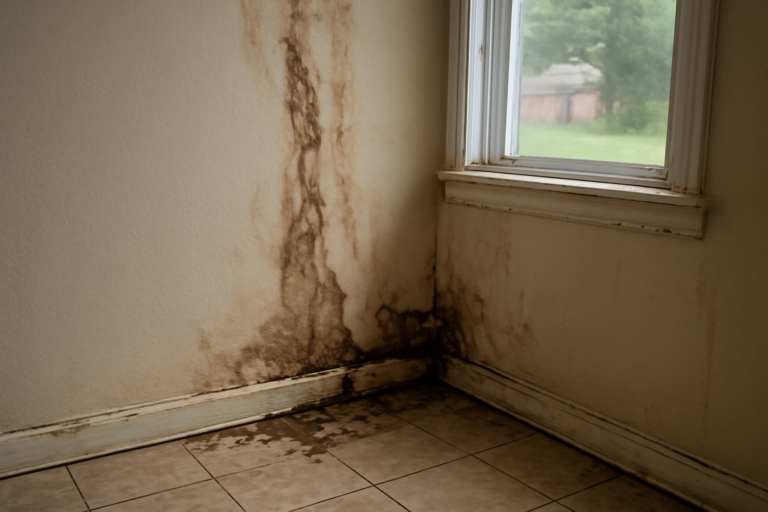
Look for dark spots, water lines, or discolored patches on your carpet, wood, or tile. These are clear visual cues that water has been present and potentially absorbed into the material. Don’t overlook visible marks.
Warped or Buckled Flooring
Hardwood floors can swell and buckle when exposed to moisture. Laminate or vinyl can lift at the seams. This indicates that the material has absorbed too much water and is expanding. Watch for changes in flatness.
Soft or Spongy Carpet and Padding
If your carpet feels unusually soft, spongy, or squishy underfoot, even after drying attempts, it means the padding underneath is still saturated. This creates a perfect environment for mold. Test carpet firmness.
Peeling or Bubbling Paint/Baseboards
Water damage often travels upwards. If you see paint peeling or bubbling on your baseboards or the lower part of your walls, it’s a sign that moisture has seeped from the floor into the surrounding materials. Inspect wall perimeters.
Increased Humidity Levels
If your home feels unusually humid, or if you notice condensation on windows, it could mean there’s excess moisture trapped within your structure, often starting with the floors. Monitor indoor air quality.
Floor Water Damage Restoration vs. DIY: When To Call a Professional
| Situation | DIY? | Call a Pro? | Why |
|---|---|---|---|
| A small, clean spill on tile with no grout saturation | Yes | No | Easy to wipe up and dry quickly without complex equipment. |
| A burst pipe flooding a significant portion of carpeted living room | No | Yes | Requires professional extraction, drying, and potential mold treatment. |
| Leaking washing machine hose under a vinyl floor | Maybe (small, contained leak) | Yes (if extensive or prolonged) | Vinyl can trap moisture underneath, leading to mold if not dried thoroughly. |
| Water damage from a sewage backup | Absolutely Not | Yes | Sewage is a biohazard and requires specialized containment, cleaning, and sanitization. |
| Heavy rain causing minor seepage around basement windows | Maybe (if very minor and quick to dry) | Yes (if persistent or widespread) | Basement moisture needs careful management to prevent structural issues and mold. |
| A roof leak causing ceiling water to drip onto hardwood floors | No | Yes | Roof leaks often indicate bigger structural issues and require professional assessment and repair. |
While minor spills might be manageable with household items, significant water intrusion demands professional attention. Improper drying can lead to hidden mold and structural damage that you might not see for months. Trusting experts ensures a complete restoration.
Floor Water Damage Restoration Cost In Oakwood, GA
The cost of floor water damage restoration in Oakwood, GA, can vary widely. Factors like the size of the affected area, the type of flooring, the depth of water intrusion, and the necessary drying time all play a role. These figures are estimates and a personalized assessment is always needed for an exact quote.
| Service | Typical Price Range | What Affects Cost |
|---|---|---|
| Water Extraction (per sq ft) | $0.50 – $2.00 | Depth of water, accessibility, and speed of response. |
| Structural Drying (Dehumidification & Air Movers) | $500 – $3,000+ | Size of area, duration of drying, and complexity of the structure. |
| Carpet & Padding Removal/Replacement | $500 – $2,500+ | Square footage, type of carpet, and underlayment quality. |
| Subfloor Repair or Replacement | $300 – $1,500+ | Extent of rot or damage, type of subfloor material. |
| Mold Testing and Remediation | $500 – $4,000+ | Severity of mold growth and square footage affected. |
| Hardwood Floor Drying/Restoration | $1,000 – $5,000+ | Amount of warping, type of wood, and whether full replacement is needed. |
We provide free, no-obligation estimates after a thorough on-site inspection. Understanding your options is important, and we’re here to explain them clearly.
Service Areas Near Oakwood, GA
Flowery Branch, Gainesville, Lula, Clermont, Oakwood, Braselton, Talmo, Hoschton, Pendergrass, Maysville, Jefferson, Commerce, Auburn, Winder, Buford, Sugar Hill, Suwanee, Lawrenceville, Dacula, Snellville
Common Questions About Floor Water Damage Restoration
What is the first thing I should do if my floor gets wet?
The absolute first step is to stop the water source if it’s safe to do so, like turning off a main water valve. Then, remove as much standing water as you can with towels or a wet vac. Contact us immediately so we can begin the professional extraction and drying process to prevent further damage and potential mold growth.
How long does it take to dry out wet floors?
Drying times can vary significantly, typically ranging from 24 hours to a week or more. It depends on the type of flooring, how much water was absorbed, and the humidity levels. We use advanced equipment to speed up the process, but thorough drying is essential. We monitor progress carefully.
Will my insurance cover floor water damage restoration?
In many cases, yes, especially if the damage is from a sudden and accidental event like a burst pipe or appliance malfunction. Water damage from slow leaks or flooding might have different coverage. We work with your insurance adjuster to document the damage and streamline the claims process for you. We can help you understand what’s typically covered.
Is it safe to walk on wet carpet?
It’s generally best to avoid walking on heavily saturated carpet. The backing can separate from the carpet fibers, and walking on it can push more water into the padding and subfloor. If you must walk on it, wear clean shoes or booties. Our team handles the initial assessment safely.
Can mold grow on my floors after water damage?
Yes, absolutely. Mold spores are present everywhere, and when they find a moist environment like wet carpet padding or subflooring, they can start to grow within 24-48 hours. Preventing mold growth is a major focus of our drying process. We use specialized treatments to inhibit its development.
Check Our Other Relevant Services

Jerry Johns is a licensed Damage Restoration Expert with over 20 years of hands-on experience helping homeowners and businesses navigate property crises. As a trusted authority in the field, Jerry combines technical precision with a compassionate approach to disaster recovery.
𝗖𝗲𝗿𝘁𝗶𝗳𝗶𝗰𝗮𝘁𝗶𝗼𝗻𝘀: Jerry holds multiple elite IICRC certifications, including Water Damage Restoration (WRT), Applied Microbial Remediation (Mold), Applied Structural Drying (ASD), Odor Control, and Fire and Smoke Restoration.
𝗙𝗮𝘃𝗼𝗿𝗶𝘁𝗲 𝗣𝗮𝘀𝘁𝗶𝗺𝗲: When he isn’t on a job site, Jerry is an avid outdoorsman who enjoys fly fishing and restoring vintage woodworking tools.
𝗕𝗲𝘀𝘁 𝗣𝗮𝗿𝘁 𝗼𝗳 𝘁𝗵𝗲 𝗝𝗼𝗯: Jerry finds the most fulfillment in seeing the relief on a client’s face when their property is finally restored to its pre-loss condition, turning a stressful disaster into a fresh start.