Trusted by 165+ Homeowners
Floor Water Damage Restoration in Senoia, GA
- Over 165 5-Star Reviews
- Free Estimates and Quotes
- 100% Satisfaction Guaranteed
- Child, Family & Pet Safe Steps
- 24-Hour Emergency Service
- Fully Licensed & Insured

When Water Invades Your Floors in Senoia, GA: Act Fast
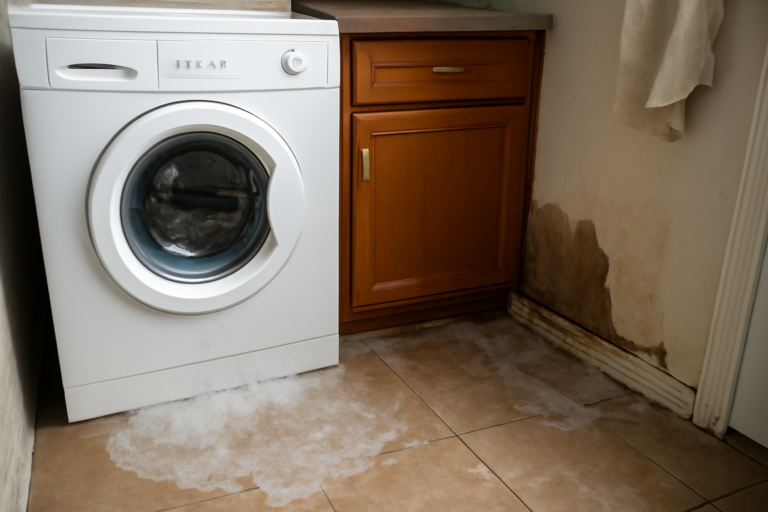
A little bit of water can feel like a lot when it starts seeping into your floors. If you’ve noticed pooling water, a strange dampness, or even just a lingering musty smell after a pipe burst or heavy rain, it’s crucial to understand that your flooring is at risk. Many homeowners make the mistake of thinking they can just mop it up and it’ll be fine, but that often leaves hidden moisture behind, leading to much bigger problems down the road. For anyone in Senoia, GA, dealing with this, knowing the right first steps can save your home from extensive damage. Don’t underestimate the danger of standing water on your floors.
We’ve helped over 165 families in your neighborhood recover from unexpected water damage, earning their trust one restoration job at a time. They choose us because they know we understand the urgency and the specific needs of floor water damage. You’ll find our approach is direct, effective, and always focused on getting your home back to normal as quickly as possible. We want to be the team you can rely on when you’re facing a flooded floor, knowing the job will be done right.
- We focus on rapidly extracting every drop of water, preventing mold growth and structural compromise before it starts.
- Our specialized drying equipment ensures that your subfloors and base materials are thoroughly dried, protecting your investment in your home’s foundation.
- We handle the removal of damaged materials and the restoration of your floor’s integrity, making sure your home is safe and healthy again.
How We Tackle Floor Water Damage Restoration
When water makes its way onto your floors, time is your biggest enemy. The longer water sits, the deeper it penetrates, and the more likely it is to cause irreversible damage and invite mold. Our process for floor water damage restoration is designed for speed and thoroughness. We don’t just aim to clean up the visible water; our goal is to completely dry, dehumidify, and restore your affected floor systems. You’ll see the difference that a professional, rapid response makes compared to trying to handle this yourself.
1. Initial Water Assessment and Containment
The moment we arrive, our technicians begin a thorough assessment to determine the source of the water and the extent of the damage. We use moisture meters and thermal imaging to pinpoint exactly where the water has spread, even into hidden areas. Then, we set up containment barriers to prevent the moisture from spreading further into unaffected parts of your home, using tools like plastic sheeting and negative air machines. This initial step is critical for controlling the damage effectively.
2. Water Extraction
This is where we get serious about removing the standing water. We utilize powerful truck-mounted or portable extraction units that can remove hundreds of gallons of water per hour. These machines are designed to pull water from deep within carpets, padding, and even directly from subfloors. Seeing this equipment in action shows you the power we bring to removing excess moisture quickly.
3. Structural Drying and Dehumidification
Once the bulk of the water is gone, the real drying begins. We strategically place industrial-grade air movers and dehumidifiers throughout the affected areas. Air movers create airflow across wet surfaces to speed up evaporation, while dehumidifiers pull moisture from the air. This phase is crucial for preventing mold and ensuring your floors and subfloors are dried to safe levels, often taking several days of continuous operation.
4. Moisture Monitoring
Throughout the drying process, we continuously monitor the moisture levels in your floors, subfloors, walls, and even the air. We use specialized equipment to track progress and ensure that all materials are drying uniformly and reaching industry-standard dry metrics. This meticulous monitoring guarantees that no moisture is left behind to cause future issues.
5. Cleaning, Sanitizing, and Restoration
After everything is completely dry, we clean and sanitize all affected areas to remove any potential contaminants or odors. Depending on the type of flooring and the extent of the damage, this might involve specialized cleaning solutions. We then work to restore your floors to their original condition, which could include replacing damaged underlayment, repairing subfloors, or reinstalling flooring materials if necessary. Our aim is to leave your home clean, safe, and healthy.
Don’t wait for water damage to worsen. The sooner you call for professional help, the more we can save your floors and your home. Contact us immediately for rapid response and expert care.

Warning Signs You Need Floor Water Damage Restoration
Catching water damage early is key to minimizing its impact on your home and your wallet. Ignoring subtle signs can lead to costly repairs, health hazards, and extensive structural issues. Paying attention to these indicators can help you get the professional help you need before a small problem becomes a catastrophe. Early detection saves you money and stress.
Musty Odors That Won’t Go Away
A persistent, unpleasant smell, especially after a leak or flood, is a strong indicator of hidden moisture. This odor often signals that mold is starting to grow in damp areas beneath your flooring, which is why addressing it quickly is vital.
Warped or Buckling Floors
When wood or laminate flooring absorbs excess moisture, it can swell and warp, causing the planks to lift or buckle. This visible change is a clear sign that water has saturated your flooring material, and professional drying is required.
Soft or Spongy Spots on Your Floor
If parts of your carpet or subfloor feel soft, mushy, or spongy underfoot, it means there’s significant moisture trapped beneath the surface. This can compromise the integrity of your subfloor, making it unstable and requiring immediate attention.
Visible Mold or Mildew Growth
Any signs of mold or mildew, often appearing as dark spots or fuzzy patches, are a serious health concern. This growth typically occurs in damp, dark environments, like under carpets or in subflooring, and necessitates thorough mold remediation.
Peeling or Bubbling Finishes
For vinyl, tile, or sealed wood floors, water seeping underneath can cause the adhesive to fail, leading to peeling, bubbling, or lifting of the finish. This indicates that the water has compromised the bond holding your flooring in place.
Increased Humidity Levels
If your home suddenly feels more humid than usual, and you can’t identify another cause, it might be due to extensive water evaporation from a hidden leak. High indoor humidity can lead to condensation and further damage, so monitoring your air quality is important.
Floor Water Damage Restoration vs. DIY: When To Call a Professional
| Situation | DIY? | Call a Pro? | Why |
|---|---|---|---|
| Minor spill on tile or linoleum (less than 1 sq ft) | Yes | No | Easily wiped up and dried, minimal risk of deep saturation. |
| Large area of standing water (more than 5 sq ft) | No | Yes | Requires specialized extraction equipment to remove moisture effectively. |
| Water soaked into carpet and padding | No | Yes | Padding holds significant moisture; professional drying is essential to prevent mold. |
| Suspected leak from plumbing or appliance | No | Yes | The source needs to be identified and repaired; hidden water damage is likely. |
| Water damage affecting subflooring | No | Yes | Subfloors can warp and weaken, requiring professional assessment and drying. |
| Any sign of mold or musty odors | No | Yes | Mold remediation requires specialized knowledge and equipment for safe removal. |
For anything beyond a very minor, surface-level spill on a non-porous surface, professional intervention is usually the safest and most effective route. Trying to dry out large areas of saturated flooring yourself often leads to incomplete drying, inviting mold and structural decay. Professional equipment and expertise make all the difference in ensuring your floors are truly dry and safe.
Floor Water Damage Restoration Cost In Senoia, GA
The cost of floor water damage restoration in Senoia, GA, varies significantly based on the scope of the problem, the type of flooring affected, and the extent of saturation. These price ranges are estimates to give you a general idea; a precise quote requires an on-site assessment. Factors like water origin (clean vs. contaminated) also play a role.
| Service | Typical Price Range | What Affects Cost |
|---|---|---|
| Water Extraction & Removal | $500 – $2,500 | Amount of water, size of affected area, accessibility. |
| Structural Drying & Dehumidification | $750 – $3,000 | Square footage, duration of drying needed, number of machines. |
| Carpet & Padding Removal/Disposal | $100 – $500 | Square footage of area being removed. |
| Subfloor Drying & Repair | $500 – $2,000 | Extent of subfloor saturation and any necessary repairs or replacement. |
| Odor Removal & Sanitization | $200 – $800 | Severity of odor, type of sanitizing agents needed. |
| Flooring Reinstallation/Replacement | Varies widely | Type of flooring (carpet, hardwood, tile), square footage, material costs. |
Understanding these costs is part of the process, but the most important step is getting an accurate estimate. We provide free, no-obligation assessments to give you a clear picture of what’s needed and what it will cost for your specific situation.
Service Areas Near Senoia, GA
Senioa, Brooks, Tyrone, Peachtree City, Fayetteville, Newnan, Palmetto, Sharpsburg, Turin, East Point, Forest Park, Jonesboro, Riverdale, Hampton, Locust Grove, McDonough, Stockbridge, Lovejoy, Griffin, Jackson.
Common Questions About Floor Water Damage Restoration
What’s the fastest way to dry wet floors after a leak?
The fastest and most effective way is to call a professional restoration team. We use powerful water extraction equipment to remove bulk water immediately. Then, we deploy specialized air movers and dehumidifiers to rapidly dry the structure, often much faster than natural evaporation. We’ve seen firsthand how quickly delays lead to bigger problems.
How long does it take to dry out floors after water damage?
Drying times can vary significantly, but typically, our professional drying process takes anywhere from 3 to 7 days. This depends on the amount of water, the type of flooring and subfloor, and the humidity levels in your home. We continuously monitor moisture levels to ensure complete drying.
Is water damage to my floors a health hazard?
Yes, absolutely. Stagnant water can quickly become a breeding ground for bacteria and mold, which can cause respiratory problems and allergic reactions. It’s essential to address water damage promptly to prevent these health risks from developing and ensure your home environment is safe.
Will my insurance cover floor water damage restoration?
In most cases, homeowner’s insurance policies cover water damage resulting from sudden and accidental events like burst pipes or appliance malfunctions. Damage from slow leaks or flooding due to external sources might have different coverage. We can help you document the damage for your insurance claim.
How can I prevent future water damage to my floors?
Regular maintenance is key. Check plumbing and appliance hoses for wear, ensure your sump pump is working if you have one, and keep gutters clear to direct water away from your foundation. Addressing minor leaks immediately and knowing who to call for emergencies can also save your floors.
Check Our Other Relevant Services
Serving Senoia, GA And Nearby Areas