Trusted by 165+ Homeowners
Floor Water Damage Restoration in Suwanee, GA
- Over 165 5-Star Reviews
- Free Estimates and Quotes
- 100% Satisfaction Guaranteed
- Child, Family & Pet Safe Steps
- 24-Hour Emergency Service
- Fully Licensed & Insured

When Water Invades Your Floors in Suwanee, GA
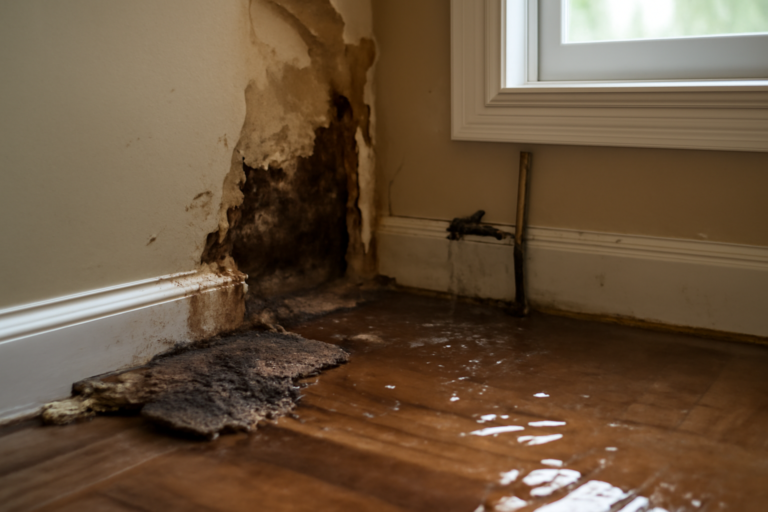
Here in Suwanee, GA, we know how quickly things can change. Those beautiful, humid Georgia summers often bring sudden, heavy downpours that can overwhelm drainage systems, and sometimes, a burst pipe or a leaky appliance can happen at any moment. When water starts pooling on your floors, it’s not just an inconvenience; it’s a serious threat to your home’s structure. Ignoring standing water can lead to expensive, long-term damage, including warped wood, damaged subfloors, and even mold growth, so it’s crucial to tackle it fast. We’re here to help you navigate these stressful situations.
Homeowners around here trust us to handle their floor water damage because we understand the urgency. We’ve helped hundreds of your neighbors get their homes back to normal, earning over 165 five-star reviews for our dedication and thorough work. You can count on our team to treat your property with the respect it deserves, providing reliable, effective water removal and drying services when you need them most.
- We specialize in quickly extracting water from all types of flooring, from hardwood and laminate to carpet and tile, preventing further absorption and damage.
- Our advanced drying equipment is designed to reach deep into your subfloors and base layers, ensuring a complete and healthy dry-out that prevents mold before it starts.
- We meticulously document the entire process, which can be incredibly helpful if you need to file an insurance claim for the water damage.
How We Tackle Floor Water Damage
Dealing with water on your floors is a race against time. The longer water sits, the more it saturates your materials, potentially causing irreversible harm and creating a breeding ground for mold. That’s why our process is designed for speed and thoroughness. We don’t just aim to remove the visible water; our goal is to properly dry and restore your floors to their original condition, preventing secondary issues that can arise from improper drying, like musty odors and structural compromise.
1. Immediate Water Extraction
The very first step is to get all the standing water out. We use powerful, truck-mounted or portable water extractors that can remove hundreds of gallons of water quickly. This is essential for minimizing saturation and stopping the damage from spreading further into your subflooring and walls.
2. Advanced Structural Drying
Once the bulk of the water is gone, we bring in specialized drying equipment. This includes high-velocity air movers and industrial-grade dehumidifiers. These machines work together to circulate air and remove moisture from the environment and your building materials, drying everything out effectively and efficiently.
3. Moisture Monitoring and Assessment
Throughout the drying process, we use advanced moisture meters to track the humidity levels in your floors, subfloors, and surrounding areas. This ensures we’re drying effectively and know exactly when your property has reached a safe, dry level, preventing hidden moisture problems.
4. Sanitization and Odor Control
Water, especially from sources like overflowing toilets or sewage backups, can leave behind harmful bacteria and unpleasant odors. We use EPA-approved antimicrobial treatments to sanitize affected surfaces and neutralize any lingering smells, ensuring your home is not only dry but also healthy.
5. Flooring Restoration or Replacement
Depending on the type of flooring and the extent of the damage, we’ll assess whether your floors can be salvaged or if replacement is necessary. Our team can often restore hardwood floors by drying and refinishing them, while carpet or laminate might require removal and replacement to ensure complete water damage repair.
Don’t let water damage linger. Reach out to our team immediately to begin the restoration process and protect your home’s value.

Warning Signs You Need Floor Water Damage Restoration
Catching water damage early is key to a faster, less expensive recovery. Your floors might be telling you something’s wrong even before you see a big puddle. Keeping an eye out for these subtle signs can help you address small problems before they become major restoration projects.
Musty Odors That Won’t Go Away
A persistent damp, musty smell, especially in specific rooms or areas, is a strong indicator of hidden moisture. This often means water is trapped beneath your flooring or within the walls, creating an environment for mold to grow, which requires immediate professional attention.
Visible Water Stains or Discoloration
Look for dark spots or rings on your flooring, especially around baseboards or near appliances. These stains show where water has penetrated and sat for too long, often leading to permanent material damage.
Warped or Buckled Flooring
Hardwood, laminate, and even some vinyl floors can begin to warp, swell, or buckle when exposed to excess moisture. This is a clear sign that the materials are absorbing water and losing their structural integrity.
Soft or Spongy Spots Underfoot
If you notice areas of your floor feel unusually soft or spongy when walked on, it indicates that the subfloor beneath has become saturated and is likely compromised. This requires urgent drying and structural assessment.
Peeling or Bubbling in Vinyl or Laminate
Water trapped beneath sheet vinyl or laminate flooring can cause the adhesive to fail, leading to peeling or bubbling. This not only looks bad but can also allow more water to seep underneath, creating a cycle of damage.
Floor Water Damage Restoration vs. DIY: When To Call a Professional
| Situation | DIY? | Call a Pro? | Why |
|---|---|---|---|
| Small spill on tile or linoleum | Yes, if cleaned up immediately. | No. | Tile and linoleum are generally waterproof and easy to clean. |
| Minor carpet dampness from a pet accident | Yes, with proper cleaning solutions and drying. | No. | Can be managed with household cleaners and fans if caught quickly. |
| Water from a clean source (e.g., overflowing sink) on hardwood | Maybe for tiny amounts, but risky. | Yes. | Hardwood absorbs water quickly and can warp or stain permanently. |
| Standing water deeper than 1/4 inch | No. | Yes. | Requires specialized extraction equipment to remove thoroughly. |
| Water from a contaminated source (sewage, toilet backup) | Absolutely No. | Yes. | Involves biohazard risks and requires professional sanitization. |
| Water damage affecting multiple rooms or subfloors | No. | Yes. | Extensive saturation needs professional drying and structural assessment. |
While small, clean spills might be manageable yourself, anything more significant or coming from an unknown source should be handled by professionals. When in doubt, calling our team is the safest bet to prevent costly mistakes and ensure a healthy home.
Floor Water Damage Restoration Cost In Suwanee, GA
The cost for floor water damage restoration in Suwanee, GA, can vary widely based on the size of the affected area, the type of flooring, the water source, and how long the water has been present. These estimates can give you an idea, but an on-site assessment is always best. We aim for transparent and fair pricing.
| Service | Typical Price Range | What Affects Cost |
|---|---|---|
| Water Extraction (per sq ft) | $0.50 – $2.00 | Depth of water, type of flooring, and equipment needed. |
| Structural Drying (Dehumidification/Air Movers) | $300 – $1,500+ (daily/weekly) | Size of the affected space and the duration needed for proper drying. |
| Carpet Removal and Disposal | $200 – $800+ | Square footage and whether padding also needs replacement. |
| Subfloor Drying or Replacement | $500 – $3,000+ | Extent of saturation, need for removal of damaged sections, and reinstallation. |
| Hardwood Floor Drying and Refinishing | $1,000 – $5,000+ | Severity of cupping/warping and the cost of refinishing materials. |
| Antimicrobial Treatment/Sanitization | $200 – $700+ | Size of the area and the type of treatment required. |
To get an accurate estimate for your specific situation, it’s best to have our team come out and assess the damage. We offer free, no-obligation estimates for floor water damage restoration.
Service Areas Near Suwanee, GA
Buford, Duluth, Johns Creek, Lawrenceville, Lilburn, Norcross, Peachtree Corners, Snellville, Sugar Hill, Suwanee, Suwanee, Suwanee, Suwanee, Suwanee, Suwanee, Suwanee, Tucker, Urbana, Winder, Woodstock.
Common Questions About Floor Water Damage Restoration
What if I have water damage in my basement in Suwanee, GA?
Basement water damage is very common around here, often due to heavy rains or foundation leaks. Our team uses specialized pumps and extractors to remove water from basement floors and walls. We then set up powerful dehumidifiers and air movers to thoroughly dry the space, preventing mold and structural issues. We’ll assess the extent of the damage to determine if any materials need replacement.
How long does it take to dry out water-damaged floors?
The drying time can vary significantly, typically ranging from 24 hours to several days, depending on the amount of water, the type of flooring, and environmental conditions. We use advanced moisture meters to continuously monitor progress and ensure your floors are completely dry before we finish. Our goal is always efficient, effective drying.
Is it safe to walk on water-damaged floors?
It’s generally not recommended to walk on significantly water-damaged floors, especially if they feel soft or spongy. The subfloor could be compromised, posing a risk of injury. Also, walking on wet materials can push more water into them and potentially spread contaminants. Let our trained technicians handle the assessment and cleanup.
Will my insurance cover floor water damage restoration?
In many cases, yes, especially if the damage was caused by a sudden, accidental event like a burst pipe or a storm. However, coverage depends on your specific policy and the cause of the water intrusion. We work closely with insurance companies and can help document the damage properly for your claim, making the process smoother.
How can I prevent future floor water damage?
Regular maintenance is key. Check appliance hoses (like those for washing machines and dishwashers) for wear and tear, and replace them proactively. Ensure your gutters and downspouts are clear to direct rainwater away from your foundation. For basements, consider a sump pump and regularly inspect for leaks, especially after heavy rain. Addressing small issues early is the best prevention.
Check Our Other Relevant Services
- Ceiling Drywall Water Damage Restoration in Suwanee, GA
- AC Unit Water Damage Restoration in Suwanee, GA

Jerry Johns is a licensed Damage Restoration Expert with over 20 years of hands-on experience helping homeowners and businesses navigate property crises. As a trusted authority in the field, Jerry combines technical precision with a compassionate approach to disaster recovery.
𝗖𝗲𝗿𝘁𝗶𝗳𝗶𝗰𝗮𝘁𝗶𝗼𝗻𝘀: Jerry holds multiple elite IICRC certifications, including Water Damage Restoration (WRT), Applied Microbial Remediation (Mold), Applied Structural Drying (ASD), Odor Control, and Fire and Smoke Restoration.
𝗙𝗮𝘃𝗼𝗿𝗶𝘁𝗲 𝗣𝗮𝘀𝘁𝗶𝗺𝗲: When he isn’t on a job site, Jerry is an avid outdoorsman who enjoys fly fishing and restoring vintage woodworking tools.
𝗕𝗲𝘀𝘁 𝗣𝗮𝗿𝘁 𝗼𝗳 𝘁𝗵𝗲 𝗝𝗼𝗯: Jerry finds the most fulfillment in seeing the relief on a client’s face when their property is finally restored to its pre-loss condition, turning a stressful disaster into a fresh start.