Trusted by 165+ Homeowners
Floor Water Damage Restoration in Tyrone, GA
- Over 165 5-Star Reviews
- Free Estimates and Quotes
- 100% Satisfaction Guaranteed
- Child, Family & Pet Safe Steps
- 24-Hour Emergency Service
- Fully Licensed & Insured

When Water Invades Your Floors: Expert Restoration in Tyrone, GA
Did you know that water damage to flooring can spread up to three feet vertically within 48 hours? This often-overlooked fact means that what looks like a small spill or leak can quickly become a much larger problem for your home’s foundation and structure. Dealing with wet floors in Tyrone, GA, requires immediate, expert attention to prevent long-term issues like mold growth and structural compromise. We understand how stressful it is when water damages something as central to your home as your floors. Act fast to save your flooring.
We’ve helped over 165 of your neighbors restore their homes after water damage, earning more than 165 five-star reviews. Homeowners around here choose us because we’re not just fast; we’re thorough and communicate clearly throughout the entire process. We focus specifically on getting your floors dry and safe again, working directly with your insurance company to make the claim process as smooth as possible for you. Your satisfaction is our primary goal.
- We use specialized drying equipment to extract moisture from deep within your subfloor, preventing warping and rot that standard fans can’t reach.
- Our team thoroughly documents every stage of the drying and restoration process, providing clear evidence for your insurance claim and ensuring you get the coverage you deserve.
- We handle everything from initial water extraction to complete floor drying and dehumidification, aiming to save your existing flooring whenever possible, which can significantly reduce your restoration costs.
How Floor Water Damage Restoration Actually Works
A proper drying process for water-damaged floors is absolutely critical. If it’s not done correctly, you’re left with hidden moisture that can lead to serious structural problems and unhealthy mold growth down the line. We follow a strict, IICRC-certified protocol to ensure your floors are dried completely and safely, protecting your investment and your family’s health. We want you to feel confident knowing we handle every detail.
1. Emergency Water Extraction
The first step is always to remove standing water immediately. We use powerful truck-mounted or portable extraction units to pull out as much water as possible. This phase is crucial for minimizing damage and preventing further absorption into your subfloor and walls. We aim to complete this within the first 24 hours. Rapid water removal is key.
2. Advanced Drying Techniques
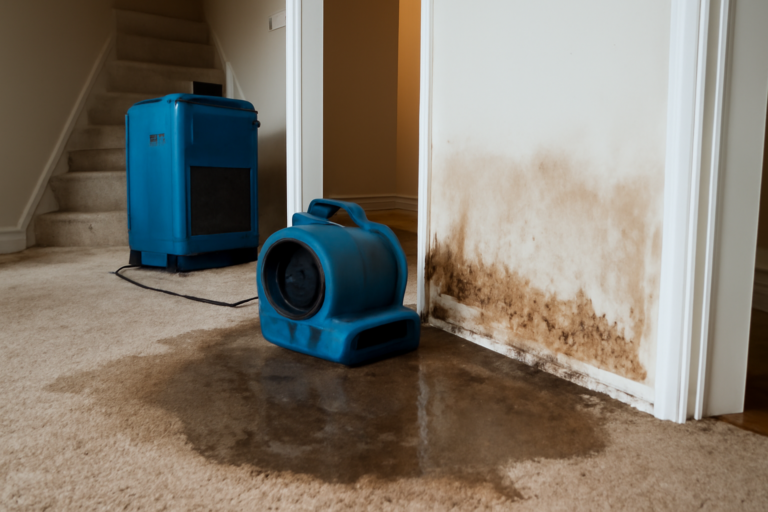
Once the bulk of the water is gone, we set up specialized drying equipment like high-velocity air movers and industrial dehumidifiers. These machines work tirelessly to lower the humidity in your home and draw moisture out of your flooring materials and subfloors. This process can take several days, depending on the extent of the water damage and the type of flooring you have. Consistent airflow and controlled humidity are essential.
3. Moisture Monitoring and Assessment
Throughout the drying process, our technicians use advanced moisture meters and thermal imaging cameras to track the drying progress. We’ll check the moisture content in your subfloor, baseboards, and even nearby walls to ensure everything is drying evenly and completely. This meticulous monitoring helps us confirm when your home is truly dry. Accurate moisture readings guide our work.
4. Deodorizing and Sanitation
Water damage, especially from sources other than clean tap water, can leave behind unpleasant odors and potentially harmful bacteria. We use professional-grade deodorizers and antimicrobial treatments to neutralize odors and sanitize affected areas, ensuring your home is not only dry but also healthy. This step is vital for long-term comfort and safety. Effective odor control makes a difference.
5. Insurance Claim Assistance
Navigating insurance claims can be overwhelming. We work closely with your insurance adjuster, providing detailed documentation, photos, and reports of the damage and our restoration efforts. Our goal is to ensure your claim is processed efficiently and fairly, so you can get your floors back to their pre-loss condition with minimal out-of-pocket expense. We simplify insurance.
Don’t let water damage linger. If you’ve experienced a flood or leak, call us immediately for professional floor water damage restoration. We’re here to help you through it.

Warning Signs You Need Floor Water Damage Restoration
Catching water damage early can save you a lot of money and prevent much bigger headaches later. Sometimes the signs are obvious, but other times they can be subtle. Knowing what to look for is your first line of defense against extensive damage to your floors and home. We want you to be aware of these indicators. Early detection is crucial.
Musty Odors That Won’t Go Away
A persistent damp or musty smell, especially in specific rooms or areas, is a strong indicator of hidden moisture. This smell is often caused by mold or mildew beginning to grow in damp materials. Investigate strange smells immediately.
Warped or Buckling Flooring
If your hardwood floors are starting to cup, crown, or buckle, or if laminate or vinyl flooring is lifting or separating, it’s a clear sign that moisture has saturated the material and its backing. Visible floor changes mean trouble.
Soft or Spongy Subfloor
When you step on a section of your floor and it feels soft, spongy, or gives way slightly, the subfloor beneath your flooring has likely become saturated and is losing its structural integrity. This is a serious issue requiring immediate attention. Don’t ignore soft spots.
Stains or Discoloration
Water can leave behind unsightly stains on carpets, wood, and even some tile grout. If you notice new water stains or discoloration appearing on your floor, it means water has penetrated the surface. Watch for water marks.
Increased Humidity Levels
A sudden and noticeable increase in the overall humidity level in your home, even with your air conditioning running, can indicate a significant moisture source, like a hidden leak affecting your floors. Monitor indoor humidity.
Peeling or Damaged Baseboards
Water can wick up into materials. If your baseboards are starting to peel away from the wall, look soft, or show signs of water damage, it suggests moisture has been present for some time, likely affecting the floor edge. Check your baseboards too.
Floor Water Damage Restoration vs. DIY: When To Call a Professional
| Situation | DIY? | Call a Pro? | Why |
|---|---|---|---|
| Small spill on tile with grout sealed | Yes | No | Tile is generally waterproof and easy to wipe dry. |
| Minor carpet stain from clean water | Maybe | Yes | Carpet can hide moisture; professional drying prevents mold and backing damage. |
| Leaking washing machine hose flooding a small area of hardwood | No | Yes | Hardwood absorbs water quickly and requires specialized drying to prevent warping. |
| Sump pump failure causing basement flooding | No | Yes | Extensive water requires professional extraction and drying equipment for complete restoration. |
| Water damage from a sewage backup | Absolutely Not | Yes | This is a biohazard requiring specialized cleaning and sanitation protocols. |
| Suspected mold growth after water exposure | No | Yes | Mold remediation requires specific safety measures and expertise. |
For anything beyond a very minor, surface-level spill on a non-porous material, calling a professional is usually the smartest choice. DIY attempts can sometimes make the problem worse or lead to hidden damage that costs far more to fix later. Professional restoration ensures thorough drying and prevents long-term issues.
Floor Water Damage Restoration Cost In Tyrone, GA
The cost of floor water damage restoration in Tyrone, GA, varies significantly based on the size of the affected area, the type of flooring, the source of the water, and how quickly the cleanup begins. These prices are estimates and can change based on specific circumstances. Understanding costs helps with planning.
| Service | Typical Price Range | What Affects Cost |
|---|---|---|
| Water Extraction (per sq ft) | $0.50 – $2.00 | Amount of standing water, accessibility, and type of equipment needed. |
| Dehumidification and Air Moving (per day) | $100 – $300 | Number of units required, duration of drying needed, and energy consumption. |
| Moisture Monitoring and Testing | $200 – $500 | Frequency of checks, complexity of the area, and specialized equipment used. |
| Odor Removal and Sanitation | $300 – $1,000 | Severity of contamination, size of the area, and type of treatment required. |
| Subfloor Drying and Repair | $500 – $3,000+ | Extent of saturation, type of subfloor (plywood, concrete), and necessary repairs. |
| Carpet Cleaning and Drying | $0.75 – $2.50 per sq ft | Type of carpet, depth of saturation, and whether padding needs replacement. |
Exact pricing for your specific situation will depend on a detailed assessment by our team. We provide free, no-obligation estimates so you know what to expect before we begin. Get a clear quote.
Service Areas Near Tyrone, GA
Fayetteville, Peachtree City, Palmetto, Brooks, Sharpsburg, Newnan, Senoia, Tyrone, Jonesboro, Riverdale, Forest Park, Lovejoy, Hampton, McDonough, Locust Grove, Stockbridge, Morrow, Conley, Atlanta, College Park.
Common Questions About Floor Water Damage Restoration
My washing machine leaked, and my carpet is wet. Can I just dry it with towels and fans?
For minor spills on carpet from clean water, you might be able to dry it yourself with absorbent towels and good airflow. However, if the water has soaked through to the carpet backing or subfloor, or if it’s been sitting for more than 24 hours, professional drying is essential. Hidden moisture can lead to mold and structural damage. Our team uses specialized equipment to ensure complete drying, which is often more effective than standard household fans. We document the entire process for your records.
How long does it take to dry out wet floors after a flood?
The drying time for floors can vary significantly, typically ranging from three to ten days. Factors like the amount of water, the type of flooring (hardwood dries slower than tile), the extent of saturation into the subfloor, and ambient humidity all play a role. We use advanced monitoring tools to track moisture levels and determine precisely when your floors are dry. Our goal is always to restore your home safely and efficiently.
Will my insurance cover the cost of floor water damage restoration in Tyrone, GA?
Most standard homeowner’s insurance policies cover water damage caused by sudden and accidental events like burst pipes or appliance failures. Damage from slow leaks or flooding due to rising external water may have different coverage. We work closely with your insurance company from the start, providing detailed documentation and estimates to help ensure your claim is processed smoothly and that you receive the coverage you’re entitled to. We handle insurance paperwork.
Is it safe to walk on floors that have been wet?
It’s generally not advisable to walk extensively on floors that have experienced significant water damage, especially if the subfloor is compromised or if the flooring material itself is unstable. Wet materials can be slippery, and excessive walking can further damage weakened structures. It’s best to limit activity in affected areas until our technicians have completed the assessment and drying process. Safety first is our motto.
What happens if my floors aren’t dried properly after water damage?
If water-damaged floors aren’t dried completely and professionally, you risk several serious long-term problems. These include the development of mold and mildew, which can cause respiratory issues and spread throughout your home. You may also experience structural damage like subfloor rot, warping of hardwood, and delamination of laminate or vinyl. These issues can be far more expensive to repair than proper initial drying. Prevent future problems by ensuring thorough drying.
Check Our Other Relevant Services
- AC Unit Water Damage Restoration in Tyrone, GA
- Downspout Failure Water Damage Restoration in Tyrone, GA

Jerry Johns is a licensed Damage Restoration Expert with over 20 years of hands-on experience helping homeowners and businesses navigate property crises. As a trusted authority in the field, Jerry combines technical precision with a compassionate approach to disaster recovery.
𝗖𝗲𝗿𝘁𝗶𝗳𝗶𝗰𝗮𝘁𝗶𝗼𝗻𝘀: Jerry holds multiple elite IICRC certifications, including Water Damage Restoration (WRT), Applied Microbial Remediation (Mold), Applied Structural Drying (ASD), Odor Control, and Fire and Smoke Restoration.
𝗙𝗮𝘃𝗼𝗿𝗶𝘁𝗲 𝗣𝗮𝘀𝘁𝗶𝗺𝗲: When he isn’t on a job site, Jerry is an avid outdoorsman who enjoys fly fishing and restoring vintage woodworking tools.
𝗕𝗲𝘀𝘁 𝗣𝗮𝗿𝘁 𝗼𝗳 𝘁𝗵𝗲 𝗝𝗼𝗯: Jerry finds the most fulfillment in seeing the relief on a client’s face when their property is finally restored to its pre-loss condition, turning a stressful disaster into a fresh start.