Trusted by 165+ Homeowners
Foundation Leak Water Damage Restoration in Griffin, GA
- Over 165 5-Star Reviews
- Free Estimates and Quotes
- 100% Satisfaction Guaranteed
- Child, Family & Pet Safe Steps
- 24-Hour Emergency Service
- Fully Licensed & Insured

Discovering Foundation Leaks: Immediate Action for Your Griffin, GA Home
You walk into your basement, and a damp, earthy smell hits you. You notice a dark, wet stain creeping up the wall, right near the foundation. Maybe you even see small puddles forming or hear a faint, persistent drip. This isn’t just a minor inconvenience; it’s a clear sign of water intruding into your home’s very structure. Addressing foundation leaks immediately is crucial for your property’s long-term health. You need to act fast when you see signs of structural compromise and moisture spreading unseen.
Locally, homeowners trust our team to handle these specific issues with unmatched skill. We’ve earned over 165 five-star reviews from satisfied neighbors who know we get the job done right the first time. When it comes to dealing with the complex challenges of foundation water damage, you want a team that understands the science behind drying and restoring your home’s base. We bring that technical expertise directly to your doorstep.
- We focus on preventing further structural damage by quickly isolating the leak source and implementing targeted drying protocols.
- Our advanced moisture detection equipment finds hidden water that you can’t see, ensuring complete dryness and preventing mold growth deep within walls.
- We prioritize restoring the integrity of your foundation, not just drying surfaces, which is vital for your home’s safety and value.
The Technical Process of Foundation Leak Water Damage Restoration
When water finds its way into your foundation, it’s a serious situation that requires a methodical, technically driven approach. Simply mopping up standing water won’t solve the underlying problem. Our process is designed to address the root cause and restore your home to a safe, dry condition. We use specialized equipment and adhere to strict drying standards because improper restoration can lead to persistent mold and further structural issues down the line. You need a team that understands the science of water damage.
Containment and Assessment
First, our crews will assess the full extent of the water intrusion. We use infrared cameras and moisture meters to map out the wet areas, even those hidden behind walls or beneath flooring. Accurate moisture mapping is essential for effective drying. We then establish containment barriers to prevent existing moisture from spreading to unaffected parts of your home. This initial assessment is critical for planning the restoration.
Water Extraction
Once containment is set, we begin removing standing water. We utilize powerful, truck-mounted extraction units that can remove large volumes of water quickly. For areas with less visible water, we use specialized submersible pumps and vacuums. Rapid water removal is key to minimizing damage and preventing secondary issues like mold. This step is about efficiency and thoroughness.
Drying and Dehumidification
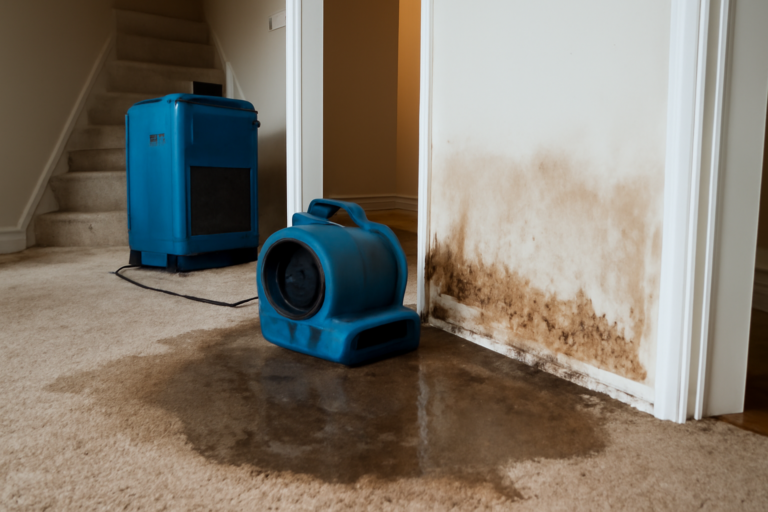
This is where the technical expertise truly shines. We deploy an array of industrial-grade drying equipment, including air movers, axial fans, and LGR (Low-Grain Refrigerant) dehumidifiers. These machines work together to lower humidity levels and accelerate the evaporation process. Controlled drying environments are created specifically for your situation. We constantly monitor humidity and temperature to ensure optimal drying conditions and prevent over-drying, which can damage building materials.
Moisture Monitoring
Throughout the entire drying process, our technicians conduct regular moisture readings. We use advanced moisture meters to track the progress of drying in structural materials like concrete, wood, and drywall. Verifying dryness levels ensures that your foundation and surrounding structures are restored to pre-loss conditions. We won’t pack up until we’re absolutely certain the moisture has been eliminated.
Odor Control and Sanitation
Water intrusion, especially from a foundation leak, can leave behind unpleasant odors and potentially introduce contaminants. We use specialized antimicrobial treatments and deodorizers to neutralize odors and sanitize affected areas. This step is vital for your home’s air quality and your family’s health. Effective odor elimination makes a significant difference in the final restoration.
Don’t let a foundation leak compromise your home’s safety. Contact us immediately to begin the restoration process. We’re ready to dispatch our trained crews to your property today.

Warning Signs You Need Foundation Leak Water Damage Restoration
Catching foundation leaks early is far less costly and disruptive than dealing with extensive damage later. Your home will often give you subtle clues that something is wrong. Recognizing these signs promptly allows you to address the problem before it becomes a major structural threat. Ignoring these indicators can lead to significant repair bills and potential health hazards.
Musty Odors That Won’t Go Away
A persistent damp, musty smell, especially in lower levels of your home, is a primary indicator of water trapped within or behind your foundation walls. This smell often signals mold growth, which thrives in dark, moist environments. Investigate unusual smells immediately to pinpoint the source. This odor is your nose telling you there’s hidden moisture.
Visible Water Stains or Efflorescence
You might see dark, spreading water stains on your basement walls or foundation. Another sign is efflorescence, which looks like a white, powdery residue on concrete or masonry surfaces. This is salt or mineral deposits left behind as water evaporates. Document any visible moisture marks or powdery deposits. These are direct signs of water intrusion.
Cracks or Crumbling in Foundation Walls
Water can weaken concrete and masonry over time. If you notice new cracks forming or existing ones widening in your foundation walls, especially if they are accompanied by dampness, it’s a serious warning. Inspect foundation walls for integrity. Crumbling or spalling concrete indicates significant water damage and potential structural compromise.
Peeling or Bubbling Interior Paint/Wallpaper
Water migrating through your foundation can cause the paint or wallpaper on interior walls to bubble up, peel, or blister. This happens as moisture gets trapped between the wall surface and the material. Check interior wall finishes for damage. This is often a visual cue that water is penetrating from the outside in.
Bowing or Leaning Walls
In severe cases, hydrostatic pressure from saturated soil outside can cause foundation walls to bow inward or even lean. This is a critical structural issue that requires immediate professional attention. Assess the plumbness of your walls. A bowing wall is a clear sign of immense pressure and damage.
Increased Humidity or Dampness in Lower Levels
If your basement or crawl space feels unusually damp, or if you notice condensation on pipes or walls that wasn’t there before, it could be a sign of a slow, ongoing leak. Monitor indoor humidity levels consistently. A sudden or sustained increase in dampness needs investigation.
Foundation Leak Water Damage Restoration vs. DIY: When To Call a Professional
| Situation | DIY? | Call a Pro? | Why |
|---|---|---|---|
| Identifying the exact source of a slow foundation leak | No | Yes | Professional equipment can pinpoint hidden leaks behind walls or underground. |
| Mopping up a small puddle of standing water | Yes | No | This is a simple cleanup task if it’s a one-time event and the source is clear. |
| Drying out damp basement walls after a heavy rain | Maybe | Yes | DIY methods often fail to reach the necessary drying depth, risking mold. |
| Removing significant standing water (more than an inch) | No | Yes | Industrial pumps are needed for rapid extraction to prevent further damage. |
| Treating mold growth resulting from a foundation leak | No | Yes | Mold remediation requires specialized knowledge, safety gear, and containment. |
| Assessing and repairing structural damage to foundation walls | No | Yes | Foundation repair is a specialized trade requiring engineering expertise. |
For any situation involving persistent moisture, potential structural compromise, or the presence of mold, calling a professional is the safest and most effective route. Trying to handle extensive foundation water damage yourself can lead to more significant problems and costs down the road. Our team is equipped to handle the complexities involved.
Foundation Leak Water Damage Restoration Cost In Griffin, GA
The cost of foundation leak water damage restoration can vary significantly based on the severity of the leak, the size of the affected area, and the specific conditions in Griffin, GA. These price ranges are estimates and provide a general idea of what you might expect. An on-site assessment is always necessary for an accurate quote.
| Service | Typical Price Range | What Affects Cost |
|---|---|---|
| Moisture Assessment and Inspection | $200 – $600 | Complexity of the intrusion, use of advanced detection tools. |
| Water Extraction | $300 – $1,500+ | Volume of water, accessibility of the area, time required. |
| Structural Drying (Air Movers & Dehumidifiers) | $500 – $3,000+ | Size of the affected area, duration of drying needed, equipment deployment. |
| Antimicrobial Treatment and Deodorization | $200 – $800 | Extent of contamination, type of treatment required. |
| Mold Remediation (if applicable) | $500 – $5,000+ | Severity of mold growth, containment needs, materials affected. |
| Minor Foundation Sealing (temporary) | $400 – $1,200 | Type of sealant used, complexity of access. |
Exact pricing depends entirely on a thorough on-site assessment of your specific situation. We offer free estimates to give you a clear understanding of the costs involved before any work begins.
Service Areas Near Griffin, GA
We proudly serve the following communities near Griffin, GA: Fayetteville, Peachtree City, Newnan, Stockbridge, McDonough, Locust Grove, Jackson, Hampton, Brooks, Tyrone, Lovejoy, Experiment, Orchard Hill, Milner, Meansville, Zebulon, Gay, Williamson, Jenkinsburg, Flovilla.
Common Questions About Foundation Leak Water Damage Restoration
What are the first steps I should take if I suspect a foundation leak?
The very first thing you should do is stop any active water flow if possible, for example, by shutting off the main water valve if you suspect a pipe is leaking within the foundation. Then, document what you see with photos and call us immediately. We’ll help you understand the situation and begin the critical process of water removal. Acting fast prevents further damage.
How long does foundation leak water damage restoration typically take?
The timeline varies greatly depending on the severity of the leak and the extent of water saturation. Simple drying might take 3-5 days, but if structural materials are deeply affected, it could take weeks. We use advanced monitoring to ensure the drying process is complete and efficient. You can expect us to provide a realistic estimated timeline after our initial assessment.
Is foundation leak water damage covered by my homeowner’s insurance?
Coverage often depends on the cause of the water damage. Leaks from sudden, accidental events like a burst pipe are usually covered, while gradual damage from poor maintenance or long-term seepage might not be. We recommend reviewing your policy and contacting your insurance provider. We’re experienced in working with insurance adjusters and can provide the necessary documentation for your claim, ensuring you get the coverage you’re entitled to.
What are the health risks associated with foundation leaks?
The primary health risk is mold growth. Mold spores can become airborne and cause respiratory problems, allergic reactions, and other health issues, especially for those with pre-existing conditions. Damp environments also attract pests. We take these risks seriously and use specialized sanitization treatments to ensure your home is safe and healthy after restoration.
Can I prevent future foundation leaks?
Regular maintenance is key. Ensure your gutters and downspouts are clear and directing water away from your foundation. Maintain proper grading around your home so water flows away from the structure. Periodically inspect your foundation for any new cracks or signs of moisture. We can also offer advice on long-term moisture control strategies during our visits.
Check Our Other Relevant Services

Jerry Johns is a licensed Damage Restoration Expert with over 20 years of hands-on experience helping homeowners and businesses navigate property crises. As a trusted authority in the field, Jerry combines technical precision with a compassionate approach to disaster recovery.
𝗖𝗲𝗿𝘁𝗶𝗳𝗶𝗰𝗮𝘁𝗶𝗼𝗻𝘀: Jerry holds multiple elite IICRC certifications, including Water Damage Restoration (WRT), Applied Microbial Remediation (Mold), Applied Structural Drying (ASD), Odor Control, and Fire and Smoke Restoration.
𝗙𝗮𝘃𝗼𝗿𝗶𝘁𝗲 𝗣𝗮𝘀𝘁𝗶𝗺𝗲: When he isn’t on a job site, Jerry is an avid outdoorsman who enjoys fly fishing and restoring vintage woodworking tools.
𝗕𝗲𝘀𝘁 𝗣𝗮𝗿𝘁 𝗼𝗳 𝘁𝗵𝗲 𝗝𝗼𝗯: Jerry finds the most fulfillment in seeing the relief on a client’s face when their property is finally restored to its pre-loss condition, turning a stressful disaster into a fresh start.