Trusted by 165+ Homeowners
French Drain Installation in Bremen, GA
- Over 165 5-Star Reviews
- Free Estimates and Quotes
- 100% Satisfaction Guaranteed
- Child, Family & Pet Safe Steps
- 24-Hour Emergency Service
- Fully Licensed & Insured

Expert French Drain Installation in Bremen, GA
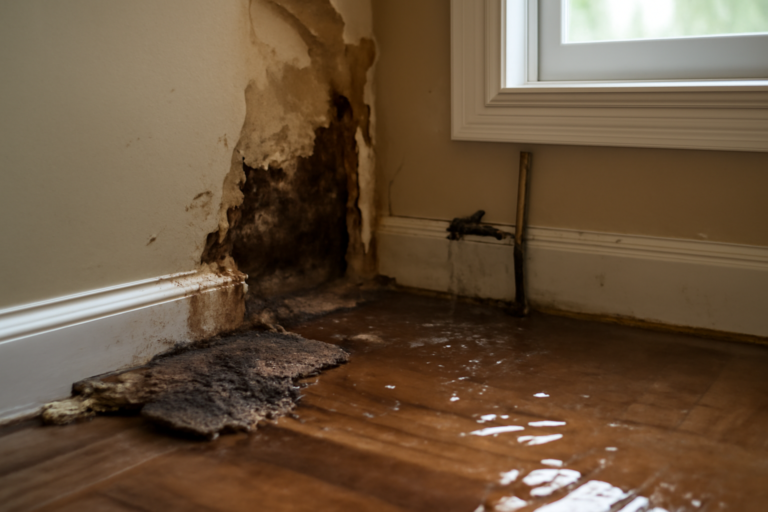
When water starts pooling around your home or in your yard, it’s more than just an annoyance; it’s a sign of a serious drainage issue that needs immediate attention. We’ve seen firsthand how persistent moisture can damage foundations, saturate crawl spaces, and create breeding grounds for mold. Our team has spent years tackling these exact problems for homeowners right here in Bremen, GA, understanding the unique soil conditions and common drainage challenges you face.
You want a team that knows exactly what they’re doing when it comes to protecting your property. That’s why so many homeowners in your neighborhood trust us. With over 165 five-star reviews, you can see that we’re dedicated to getting the job done right the first time. We focus solely on effective French drain systems that divert water away from your home, safeguarding your investment.
- Prevent costly foundation damage by ensuring water is channeled safely away from your home’s structure.
- Protect your landscaping and yard from waterlogged areas that can kill grass and plants, keeping your outdoor spaces usable.
- Maintain a healthier indoor environment by reducing moisture levels in basements and crawl spaces, which helps prevent mold and mildew growth.
How Your French Drain Installation Project Unfolds
A French drain installation isn’t just about digging a hole and throwing in some pipe. It’s a carefully planned system designed to work with your property’s natural slope and water flow. Cutting corners on this process can lead to ineffective drainage, wasted money, and continued water problems. We believe in doing it right, which means a thorough assessment and a meticulous installation process to ensure your system performs for years to come.
1. Initial Site Assessment and Planning
We start by walking your property with you, identifying the exact areas where water collects and determining the best path for the drain system. This involves assessing soil type and grading. We’ll discuss the system’s design and answer all your questions. This crucial first step usually takes about 1-2 hours.
2. Excavation of the Trench
Our crews use specialized excavation equipment to dig the trench to the precise depth and width required for the French drain. We ensure the trench has the correct slope to facilitate water movement. Excavation can take anywhere from a few hours to a full day, depending on the system’s complexity and yard size.
3. Installation of Drainage Pipe and Gravel
We lay a perforated drainage pipe, wrapped in filter fabric, along the bottom of the trench. This fabric prevents soil and debris from clogging the pipe. Then, we fill the trench with clean, washed gravel. This gravel layer is key for allowing water to enter the pipe freely. This stage typically takes a day.
4. Backfilling and Site Restoration
Once the gravel is in place, we carefully backfill the trench, often using the original soil. We then grade the area to ensure proper surface drainage and restore any disturbed landscaping as much as possible. Our goal is to leave your property looking as good as we found it, minus the water problems. This usually wraps things up within a day.
Ready to stop worrying about standing water? Get a clear plan and a reliable solution for your drainage issues. Contact us today for a consultation.

Warning Signs You Need French Drain Installation
Ignoring signs of poor drainage can lead to much bigger, more expensive problems down the line. Catching these issues early means a simpler, less intrusive fix. That’s why we want you to be aware of what to look for around your property.
Persistent Puddles After Rain
If you consistently find large puddles in your yard that take days to disappear, it’s a clear indicator that water isn’t draining away effectively. This constant saturation can damage plant roots and lead to soil erosion.
Water Seeping Into Your Basement or Crawl Space
Any sign of water intrusion into your home’s lower levels, whether it’s damp spots, visible leaks, or musty smells, suggests water is accumulating around your foundation. This is a serious foundation threat.
Cracks in Foundation Walls or Basement Floor
Water pressure against your foundation can cause it to shift or crack over time. Seeing new cracks, or existing ones widening, is a critical warning sign that your drainage needs an upgrade.
Saturated or Soggy Lawn Areas
Beyond just puddles, if large sections of your lawn remain perpetually damp and spongy, even when it hasn’t rained recently, your sub-surface drainage is likely compromised. This harms grass health.
Erosion Around Your Foundation or Landscaping
Noticeable soil erosion, especially near your home’s foundation or along sloped areas, means water is flowing with too much force and volume. This can undermine landscaping and expose foundation elements.
Musty Odors in Basements or Crawl Spaces
A persistent damp, musty smell, even if you don’t see visible water, points to hidden moisture. This is often a sign of mold and mildew growth fueled by poor drainage, posing a health risk.
French Drain Installation vs. DIY: When To Call a Professional
| Situation | DIY? | Call a Pro? | Why |
|---|---|---|---|
| Minor yard drainage in a non-critical area. | Yes | A simple French drain might be manageable for small, non-complex jobs. | |
| Water pooling directly against your home’s foundation. | Yes | Foundation issues require precise grading and system design to avoid further damage. | |
| Extensive yard with significant slope and large water volume. | Yes | Managing large volumes of water and achieving the correct, consistent slope needs professional equipment and expertise. | |
| Installing a drain near underground utilities or septic systems. | Yes | Mistakes here can be incredibly dangerous and costly, requiring specialized knowledge. | |
| You have persistent basement water intrusion. | Yes | This indicates a serious problem requiring a robust, expertly installed system. | |
| You need a complex, multi-point drainage system. | Yes | Designing and installing interconnected drains requires a deep understanding of water dynamics. |
While some minor drainage tasks might seem like a DIY project, dealing with water near your foundation or significant saturation issues is where professional expertise truly matters. Getting it wrong can lead to much larger, more expensive repairs than the initial cost of hiring a pro.
French Drain Installation Cost In Bremen, GA
The cost for French drain installation in Bremen, GA, can vary significantly. Factors like the size of your property, the severity of the drainage problem, the complexity of the terrain, and the total length of the drain system all play a role. These prices are estimates and a thorough on-site assessment is needed for an accurate quote.
| Service Aspect | Typical Price Range | What Affects Cost |
|---|---|---|
| Site Assessment and Design | $200 – $750 | Complexity of the property and the number of drainage points needed. |
| Trench Excavation (per linear foot) | $15 – $30 | Soil type, depth of trench, and accessibility for machinery. |
| Perforated Drain Pipe and Filter Fabric | $5 – $15 per linear foot | Quality and type of pipe and fabric selected. |
| Gravel Backfill (per cubic yard) | $40 – $80 | Cost of materials and transportation to your location. |
| Basic French Drain System (up to 50ft) | $1,500 – $4,000 | Includes excavation, pipe, gravel, and basic restoration. |
| Complex French Drain System (over 50ft or multiple lines) | $4,000 – $10,000+ | Increased labor, materials, and potential need for specialized drainage outlets. |
These figures provide a general idea, but your specific situation dictates the final price. We offer free, no-obligation estimates after a detailed on-site inspection.
Service Areas Near Bremen, GA
Villa Rica, Carrollton, Temple, Dallas, Hiram, Douglasville, Lithia Springs, Powder Springs, Austell, Mableton, Smyrna, Marietta, Kennesaw, Acworth, Woodstock, Canton, Cartersville, Emerson, Euharlee, Rockmart
Common Questions About French Drain Installation
How long does a typical French drain installation take?
For most residential properties, a standard French drain system can be installed in 1 to 3 days. The exact timeline depends on the size of the project, the complexity of the terrain, and soil conditions. We work efficiently to minimize disruption to your home life while ensuring the job is done right.
Will my homeowner’s insurance cover French drain installation?
Typically, homeowner’s insurance does not cover preventative measures like French drain installation. However, if the drainage issue is a direct result of a covered peril (like damage from a storm that’s already occurred), there might be some coverage. It’s always best to check your specific policy and discuss it with your insurance provider. We can provide detailed documentation for your claim.
What are the health risks associated with poor drainage?
Poor drainage creates damp environments that are ideal for mold and mildew growth. Inhaling mold spores can cause respiratory problems, allergies, and other health issues, especially for children and those with existing conditions. Standing water can also attract pests. Addressing drainage is a crucial step for home health.
What is the difference between a French drain and a traditional drain tile system?
While both aim to manage groundwater, a French drain is typically an exterior system installed around the foundation or in the yard to intercept surface and sub-surface water before it reaches your home. A traditional drain tile system is often an interior perimeter drain installed beneath the basement floor to collect water that has already entered the foundation perimeter. Our team specializes in exterior French drain systems to prevent water intrusion.
How do I maintain my French drain system after installation?
Regular maintenance is key to ensuring your French drain system functions effectively for years. You should periodically check the outlet to ensure it’s clear of debris and that water is flowing freely. We recommend clearing any accumulated leaves or sediment from the surface grate if applicable. Keeping the area around the drain clear of excessive vegetation can also help. We provide guidance on maintenance to all our clients.
Check Our Other Relevant Services
Serving Bremen, GA And Nearby Areas