Trusted by 165+ Homeowners
Gray Water Damage Cleanup (Category 2) in Auburn, GA
- Over 165 5-Star Reviews
- Free Estimates and Quotes
- 100% Satisfaction Guaranteed
- Child, Family & Pet Safe Steps
- 24-Hour Emergency Service
- Fully Licensed & Insured

When Your Auburn, GA Home Faces Gray Water Damage (Category 2)
If you’ve discovered water that isn’t from your toilet or sewage lines, but still looks questionable, you might be dealing with Gray Water Damage, also known as Category 2. This often comes from overflowing sinks, bathtubs, dishwashers, or washing machines. It’s crucial to understand that even water that doesn’t smell foul can contain contaminants, and addressing it quickly is key to preventing mold growth and protecting your property’s structure. Don’t let lingering moisture become a bigger issue; swift action is always the best first step.
Locally, homeowners trust our team because we understand the urgency gray water issues present. With over 165 five-star reviews, you can see why your neighbors choose us for reliable and prompt service. We know that dealing with water damage is stressful, and our goal is to make the cleanup process as smooth and effective as possible, ensuring your home is safe and sound again. We focus on getting it right the first time, every time.
- Rapid response can significantly reduce the spread of contamination and prevent secondary damage like mold.
- Specialized equipment is used to extract water and thoroughly dry affected materials, ensuring no hidden moisture remains.
- Our technicians are trained to identify and mitigate potential health hazards associated with Category 2 water.
How We Tackle Gray Water Damage Cleanup (Category 2)
When gray water invades your home, time is not on your side. Our process is designed for maximum speed and efficiency, recognizing that the first 24-48 hours are critical in minimizing damage and preventing long-term problems. We don’t just remove standing water; we ensure your property is dried, dehumidified, and restored to its pre-loss condition using a systematic approach that emphasizes thoroughness and safety. Cutting corners here can lead to much larger, more expensive issues down the road, so we always follow a meticulous plan to protect your investment.
Initial Water Extraction
Our crews arrive equipped with powerful truck-mounted or portable water extractors. These machines are designed to remove as much standing gray water as possible from carpets, floors, and subfloors. This initial step is vital for stopping the damage and preparing the area for drying. We typically complete this phase within a few hours, depending on the volume of water.
Structural Drying and Dehumidification
Once standing water is gone, we deploy industrial-grade air movers and dehumidifiers. These units work continuously to pull moisture from the air and building materials like walls, ceilings, and floors. This phase is crucial for preventing mold and can take anywhere from 24 hours to several days, depending on the extent of saturation and building materials involved. We monitor humidity and moisture levels closely to ensure effective drying.
Content Cleaning and Restoration
We carefully assess all affected belongings, including furniture, electronics, and personal items. Many items can be professionally cleaned, deodorized, and restored on-site or at our facility. For items that cannot be salvaged, we handle their removal with care and sensitivity. Our goal is always to save what can be saved and restore your peace of mind.
Odor Control
Gray water can leave behind unpleasant odors. After drying, we use specialized deodorizing treatments and air scrubbers to neutralize any lingering smells, ensuring your home feels fresh and clean again. This step is essential for a truly complete restoration and helps prevent long-term odor issues.
Final Inspection and Monitoring
Before we consider the job done, we conduct a thorough inspection using moisture meters and thermal imaging cameras to confirm that all affected areas are completely dry. We’ll walk you through the results and answer any questions you may have. We continue to monitor the drying process to ensure complete moisture removal.
Don’t wait for the situation to worsen. Immediate action is key to minimizing the impact of gray water damage and protecting your home’s integrity. Contact us now for a fast and professional assessment.

Warning Signs You Need Gray Water Damage Cleanup (Category 2)
Catching gray water damage early is paramount. Ignoring these signs can lead to more extensive damage, higher costs, and potential health concerns. Our local team is here to help you recognize when it’s time to call for professional assistance, ensuring your family’s safety and your home’s longevity.
Musty Odors That Won’t Go Away
A persistent musty or earthy smell, especially after an appliance leak or overflow, is a strong indicator of hidden moisture. This smell often signals the beginning of mold growth, which thrives in damp environments. Addressing the source of the moisture is crucial for eliminating the odor.
Visible Water Stains or Discoloration
Water marks on ceilings, walls, or carpets are obvious signs of a leak. These stains not only look unsightly but also mean that the material has absorbed moisture, potentially weakening its structure and creating a breeding ground for mold. Prompt cleanup prevents further degradation.
Soft or Warped Flooring and Walls
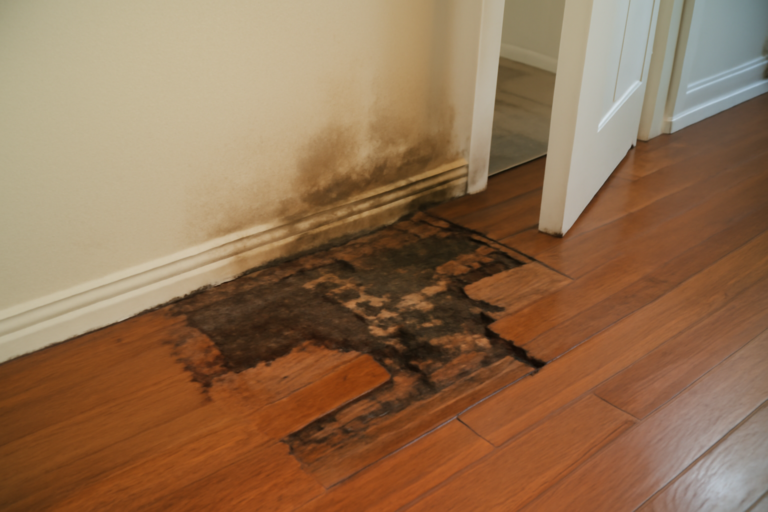
If your floors feel spongy underfoot or your walls appear to be bulging or warping, it’s a clear sign of water saturation. This indicates that the underlying materials have absorbed a significant amount of moisture, compromising their integrity. Structural damage can occur if left untreated.
Peeling or Bubbling Paint or Wallpaper
Moisture trapped behind paint or wallpaper will cause it to lose its adhesion, leading to peeling or bubbling. This is a visual cue that water is penetrating your walls and needs to be addressed before it leads to larger issues with the drywall itself. Surface damage is often a sign of deeper problems.
Increased Humidity Levels
If your home suddenly feels significantly more humid, even with your air conditioning running, there might be an undetected water source. High humidity can lead to condensation on surfaces, promoting mold growth and making the air uncomfortable. Controlling humidity is key to preventing secondary damage.
Malfunctioning Appliances or Plumbing Fixtures
A leaky dishwasher, a consistently running toilet overflow, or a washing machine hose failure are common culprits for gray water damage. If an appliance or fixture is showing signs of malfunction, it’s wise to investigate for potential water leaks immediately. Appliance leaks require immediate attention.
Gray Water Damage Cleanup (Category 2) vs. DIY: When To Call a Professional
| Situation | DIY? | Call a Pro? | Why |
|---|---|---|---|
| Small overflow from a sink with no visible damage | Yes, if contained immediately. | Maybe. | If you miss any hidden moisture, mold can start quickly. |
| Water from a washing machine hose burst affecting a small area of carpet | No. | Yes. | Washing machine water can contain detergents and fabric softeners, making it Category 2. Professional drying is needed. |
| Overflow from a bathtub that has soaked into the subfloor | No. | Yes. | Subfloor saturation requires specialized drying equipment to prevent structural damage and mold. |
| Dishwasher leak that has spread under kitchen cabinets | No. | Yes. | Hidden moisture under cabinets is a prime spot for mold and can damage cabinet bases. |
| Water damage extending beyond a single room or affecting ceilings/walls | No. | Yes. | Extensive damage requires advanced drying techniques and potentially material replacement. |
| Any situation where you suspect mold growth or see stains | Absolutely not. | Yes. | Mold remediation requires specific safety protocols and equipment. |
While minor spills can sometimes be managed with immediate cleanup, any situation involving saturation of building materials, potential contamination, or damage beyond a very small, contained area should be handled by professionals. The risks of incomplete drying and mold growth are simply too high with gray water damage. Professional intervention ensures a safe and thorough restoration.
Gray Water Damage Cleanup (Category 2) Cost In Auburn, GA
The cost for Gray Water Damage Cleanup (Category 2) in Auburn, GA can vary significantly based on the size of the affected area, the amount of water, the type of materials damaged, and the complexity of the job. These figures are general estimates, and an on-site assessment is always needed for an accurate quote. We aim to provide transparent pricing for all our services.
| Service | Typical Price Range | What Affects Cost |
|---|---|---|
| Water Extraction (up to 500 sq ft) | $500 – $1,500 | Volume of water, accessibility of the area. |
| Structural Drying & Dehumidification (per room) | $750 – $2,500 | Size of the room, depth of saturation, duration of drying. |
| Odor Removal Treatment | $200 – $750 | Severity of odor, size of affected space, type of treatment used. |
| Content Cleaning & Restoration (per item) | $100 – $1,000+ | Type of item, extent of damage, specialized cleaning required. |
| Mold Inspection & Testing (if needed) | $300 – $800 | Size of suspected area, number of samples taken. |
| Full Restoration of Damaged Materials (e.g., drywall, flooring) | Varies greatly ($1,000 – $10,000+) | Square footage, material type, labor intensity. |
These prices reflect the specialized equipment and expertise required for effective gray water damage mitigation. Receiving a free, detailed estimate from our team will give you a clear picture of the investment needed for your specific situation. We’re committed to providing value and quality.
Service Areas Near Auburn, GA
Auburn, Winder, Lawrenceville, Grayson, Snellville, Loganville, Bethlehem, Monroe, Athens, Jefferson, Commerce, Hoschton, Dacula, Buford, Suwanee, Sugar Hill, Johns Creek, Norcross, Lilburn, Tucker.
Common Questions About Gray Water Damage Cleanup (Category 2)
What’s the difference between Category 1, 2, and 3 water damage?
Category 1 is clean water, like a burst pipe with no contaminants. Category 2, or gray water, contains contaminants and poses health risks, often from appliances like washing machines or dishwashers. Category 3, or black water, is highly contaminated, coming from sewage or floodwaters, and is the most dangerous. Understanding these categories helps us determine the proper cleanup procedures and necessary safety precautions for your home.
How quickly does mold grow after gray water damage?
Mold can begin to grow within 24-48 hours after water damage occurs, especially with gray water due to its potential contaminants. The speed of growth depends on factors like temperature, humidity, and the materials affected. This is why immediate water extraction and drying are so critical; it significantly reduces the window for mold to take hold and spread throughout your property.
Will my homeowner’s insurance cover Gray Water Damage Cleanup (Category 2)?
Coverage for gray water damage often depends on the source of the water and the specific terms of your policy. Generally, sudden and accidental leaks from internal plumbing or appliances are covered, but damage from external flooding might require separate flood insurance. It’s always best to check with your insurance provider directly. We can assist by providing detailed documentation to support your claim, ensuring you get the coverage you deserve.
How long does the entire Gray Water Damage Cleanup (Category 2) process take?
The timeline for gray water damage cleanup can range from a few days to over a week, depending on the severity. Initial water extraction and structural drying might take 2-5 days, while the subsequent restoration of damaged materials can add more time. We use advanced monitoring equipment to ensure complete dryness before finishing, which is essential for preventing future issues.
What are the health risks associated with Category 2 gray water?
Category 2 gray water can contain bacteria, viruses, and other harmful contaminants from sources like dishwashers, washing machines, or overflowing toilets (if the overflow doesn’t reach the main sewer line). Exposure can lead to skin irritation, respiratory problems, and other illnesses. Our trained technicians wear protective gear and use specialized equipment to safely remove contaminants and ensure your home is healthy again.
Check Our Other Relevant Services
- Ceiling Drywall Water Damage Restoration in Auburn, GA
- Concrete Water Damage Restoration in Auburn, GA
Serving Auburn, GA And Nearby Areas