Trusted by 165+ Homeowners
Gray Water Damage Cleanup (Category 2) in Madison, GA
- Over 165 5-Star Reviews
- Free Estimates and Quotes
- 100% Satisfaction Guaranteed
- Child, Family & Pet Safe Steps
- 24-Hour Emergency Service
- Fully Licensed & Insured

When Your Pipes Leak More Than Just Water in Madison, GA
Did you know that a leaky faucet or a malfunctioning appliance can release water that’s considered contaminated? This isn’t just plain water; it’s Category 2 gray water, and it carries a higher risk. In fact, it’s estimated that over 30% of homeowners underestimate the potential damage from non-potable water sources. Dealing with this type of water damage requires a specific approach to protect your family’s health and your property. We understand that finding this kind of water in your home is unsettling. That’s why our team is ready to provide prompt and effective cleanup for your situation.
We’ve earned the trust of over 165 homeowners in your neighborhood, who’ve left us five-star reviews. They choose us because we’re not just another restoration company; we’re your local experts who tackle Gray Water Damage Cleanup (Category 2) with precision. You’ll find we’re committed to getting your home back to normal, handling the entire process with care. Our goal is to make this difficult time as manageable as possible for you and your family.
- We use specialized equipment to extract all visible and hidden moisture, preventing mold growth that often follows gray water leaks.
- Our IICRC-certified technicians understand the specific protocols needed for Category 2 water, ensuring a thorough and safe cleanup.
- We work directly with your insurance provider, helping to document the damage accurately and navigate the claims process smoothly.
How Gray Water Damage Cleanup (Category 2) Actually Works
When you’re facing gray water damage, a hasty cleanup can lead to bigger problems down the road, like structural issues or lingering odors. Our process for Gray Water Damage Cleanup (Category 2) is designed to be efficient and thorough. We know that time is critical to minimize damage and prevent secondary issues. We follow strict guidelines to ensure your property is dried, cleaned, and restored safely. You can count on our crews to manage every detail with professional care.
Initial Assessment and Safety Check
First, we’ll assess the extent of the gray water damage and identify the source of the leak. Your safety is our priority, so we’ll take steps to prevent any electrical hazards or further contamination during our assessment. This initial inspection helps us create a detailed cleanup plan.
Water Extraction
Next, our team uses powerful, truck-mounted extraction units and specialized pumps to remove as much standing gray water as possible. This step is crucial for preventing deeper saturation into your flooring and subflooring. We work quickly to get the bulk of the water out.
Structural Drying
Once the standing water is gone, we deploy industrial-grade air movers and dehumidifiers. These machines create an optimized environment to dry out affected materials like walls, carpets, and structural components. This process can take several days, depending on the severity.
Cleaning and Sanitizing
Category 2 water means surfaces need more than just drying; they need cleaning. We use EPA-approved disinfectants to sanitize all affected areas, eliminating bacteria and preventing mold and mildew growth. This ensures your home is healthy again.
Odor Control
Lingering odors are a common problem after gray water incidents. We employ specialized thermal fogging or ozone treatments to neutralize odor molecules at their source. This step guarantees your home smells fresh and clean after our work is done.
Don’t let lingering moisture and contaminants compromise your home’s health. Call us today to get your Gray Water Damage Cleanup (Category 2) started promptly and effectively.

Warning Signs You Need Gray Water Damage Cleanup (Category 2)
Catching the signs of gray water damage early can save you a lot of money and prevent more extensive repairs. Ignoring these indicators can lead to costly structural damage and health concerns for your family. Being aware is the first step to protecting your home.
Musty Odors That Won’t Go Away
If you notice a persistent, damp, or mildewy smell, especially in areas where water may have leaked, it’s a strong indicator of hidden moisture. This smell often means mold is starting to grow.
Discolored or Stained Walls and Ceilings
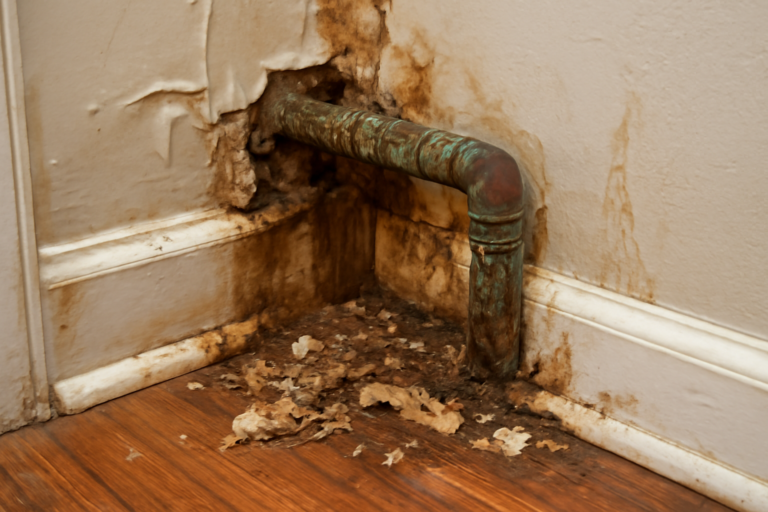
Water, even gray water, can leave visible marks. Yellow or brown stains on your drywall or ceiling tiles are a clear sign that water has penetrated these materials. These stains show the water has compromised the surface.
Soft or Warped Flooring
If your carpets feel soggy, your hardwood floors are cupping, or your tile grout looks discolored, it’s a sign that moisture has been trapped underneath. This indicates significant water saturation has occurred.
Peeling or Bubbling Paint
Water damage can cause paint to lose its adhesion to the wall surface, leading to bubbling or peeling. This is a visual cue that moisture is behind the paint.
Increased Humidity Levels
If your home feels unusually damp or sticky, even when the air conditioning is running, it could be due to undetected water leaks. High humidity can create an environment where mold thrives quickly.
Visible Mold or Mildew Growth
Any sign of fuzzy or slimy patches of green, black, or white growth on surfaces is a serious warning. This confirms that contamination is present and requires immediate professional attention.
Gray Water Damage Cleanup (Category 2) vs. DIY: When To Call a Professional
| Situation | DIY? | Call a Pro? | Why |
|---|---|---|---|
| Minor overflow from a washing machine onto tile floor | Yes, with caution | Yes, if left for more than 24 hours | Tile is less porous, but grout can still absorb moisture and odors. |
| Leaky dishwasher onto hardwood floors | No | Yes | Hardwood is highly susceptible to warping and staining from prolonged moisture exposure. |
| Toilet tank leak (not bowl) onto linoleum | Yes, for immediate cleanup | Yes, if linoleum is lifting or has a musty smell | Linoleum can trap moisture underneath, leading to mold and subfloor damage. |
| Burst pipe in a finished basement wall | No | Yes | Requires specialized drying equipment to penetrate wall cavities and prevent structural rot. |
| Overflow from a bathtub onto a bathroom rug | Yes, for immediate removal and drying of the rug | Yes, if water seeped under the rug or onto subfloor | Subflooring can absorb significant moisture, leading to mold and structural weakness. |
| Water damage from a broken appliance hose under the sink | Yes, if the leak was small and immediately contained | Yes, if water reached cabinets or subfloor | Cabinets and subfloors can absorb moisture, leading to hidden mold and potential structural compromise. |
While minor spills can sometimes be managed with DIY efforts, gray water carries risks that DIY methods often can’t fully address. For anything beyond a small, contained incident, calling a professional ensures complete removal of contaminants and thorough drying. Trusting our team means your home is protected from hidden dangers.
Gray Water Damage Cleanup (Category 2) Cost In Madison, GA
The cost for Gray Water Damage Cleanup (Category 2) can vary significantly. Factors include the size of the affected area, the type of materials damaged, and the total amount of water that needs to be removed. These price ranges are estimates for the Madison, GA area and can change based on the specific circumstances of your damage.
| Service | Typical Price Range | What Affects Cost |
|---|---|---|
| Initial Inspection and Water Damage Assessment | $300 – $750 | Complexity of the damage, number of affected rooms. |
| Water Extraction (per square foot) | $0.50 – $2.00 | Amount of standing water, accessibility of the area. |
| Structural Drying (equipment rental and monitoring) | $500 – $3,000+ | Duration of drying needed, size and type of equipment used. |
| Cleaning and Sanitizing Affected Areas | $400 – $2,000+ | Square footage treated, type of cleaning agents required. |
| Odor Removal Treatment | $250 – $1,000+ | Severity of odors, size of the space treated. |
| Debris Removal and Disposal | $200 – $800+ | Volume and type of materials needing removal. |
These figures represent a general idea of costs for Gray Water Damage Cleanup (Category 2). A precise quote will be provided after our team conducts a thorough on-site inspection. We offer free, no-obligation estimates to help you understand the investment in restoring your home.
Service Areas Near Madison, GA
Greensboro, Eatonton, Conyers, Covington, Monroe, Social Circle, Monticello, Jackson, McDonough, Lithonia, Stockbridge, Fayetteville, Hampton, Griffin, Barnesville, Thomaston, Newnan, Peachtree City, Tyrone, Palmetto
Common Questions About Gray Water Damage Cleanup (Category 2)
What’s the difference between gray water and black water?
Gray water (Category 2) comes from sources like overflowing sinks, dishwashers, or washing machines, and it’s considered contaminated but not severely. Black water (Category 3) is highly contaminated, originating from sewage backups or flooded rivers, and poses significant health risks. Our team is equipped to handle both types of water damage, but Category 2 requires specific sanitization protocols we follow closely.
How long does Gray Water Damage Cleanup (Category 2) usually take?
The timeline for Gray Water Damage Cleanup (Category 2) can vary significantly, but the extraction and initial drying often take 24-72 hours. Full structural drying, however, might take anywhere from a few days to a couple of weeks, depending on how deeply the moisture has penetrated. We work diligently to expedite the drying process while ensuring it’s done correctly.
Is gray water dangerous to my health?
Yes, gray water can be dangerous. While not as hazardous as black water, it can still contain bacteria, viruses, and chemicals that can cause illness if ingested or through prolonged contact. It’s crucial to avoid contact and allow professionals to handle the cleanup to prevent exposure to contaminants.
How will you dry out my home after gray water damage?
Our process involves powerful water extraction to remove standing water, followed by the strategic placement of high-velocity air movers and industrial dehumidifiers. These machines work together to accelerate evaporation and remove moisture from the air and building materials. We also use moisture meters to track drying progress and ensure all hidden moisture is eliminated.
Can I prevent gray water damage in my home?
Preventing gray water damage involves regular maintenance of appliances like washing machines and dishwashers, checking plumbing for leaks, and promptly addressing any minor drips or overflows. Keeping drain lines clear and ensuring appliance hoses are in good condition can also help. These proactive steps can significantly reduce the risk of future incidents.
Check Our Other Relevant Services

Jerry Johns is a licensed Damage Restoration Expert with over 20 years of hands-on experience helping homeowners and businesses navigate property crises. As a trusted authority in the field, Jerry combines technical precision with a compassionate approach to disaster recovery.
𝗖𝗲𝗿𝘁𝗶𝗳𝗶𝗰𝗮𝘁𝗶𝗼𝗻𝘀: Jerry holds multiple elite IICRC certifications, including Water Damage Restoration (WRT), Applied Microbial Remediation (Mold), Applied Structural Drying (ASD), Odor Control, and Fire and Smoke Restoration.
𝗙𝗮𝘃𝗼𝗿𝗶𝘁𝗲 𝗣𝗮𝘀𝘁𝗶𝗺𝗲: When he isn’t on a job site, Jerry is an avid outdoorsman who enjoys fly fishing and restoring vintage woodworking tools.
𝗕𝗲𝘀𝘁 𝗣𝗮𝗿𝘁 𝗼𝗳 𝘁𝗵𝗲 𝗝𝗼𝗯: Jerry finds the most fulfillment in seeing the relief on a client’s face when their property is finally restored to its pre-loss condition, turning a stressful disaster into a fresh start.