Trusted by 165+ Homeowners
Groundwater Seepage Cleanup in Chamblee, GA
- Over 165 5-Star Reviews
- Free Estimates and Quotes
- 100% Satisfaction Guaranteed
- Child, Family & Pet Safe Steps
- 24-Hour Emergency Service
- Fully Licensed & Insured

When Groundwater Invades Your Chamblee Home
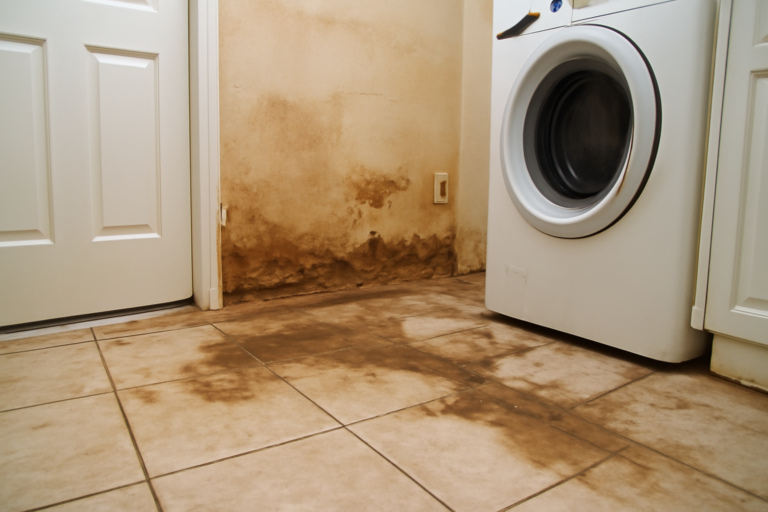
You walk into your basement, and there it is. A wet patch spreading across the floor, maybe even a small puddle. You can smell that damp, earthy odor, and you know this isn’t just a spill. It’s groundwater seepage, and it’s a serious issue for your property. Ignoring it means more water, more damage, and a bigger headache down the road. You need a fast, effective plan, and you need it now. This kind of problem requires immediate attention to prevent long-term structural issues.
Locally, homeowners trust our team when they see these signs. We’ve helped hundreds of neighbors in your situation, and they’ve shared their experiences, leading to over 165 five-star reviews. We understand the unique challenges faced by properties in our area, and we’re committed to providing a reliable, expert response. You can count on our proven methods to tackle this specific problem effectively.
- We tackle the root cause of seepage, not just the surface water, ensuring a more permanent fix.
- Our specialized drying equipment targets hidden moisture, preventing mold and further decay in your walls and floors.
- We provide clear communication throughout the entire process, so you always know what’s happening with your home.
How Groundwater Seepage Cleanup Actually Works
When groundwater decides to visit your home, it’s not a job for a wet vac and some fans. It requires a systematic, scientific approach to extract water, dry materials completely, and ensure the problem doesn’t return. We use precise methods to identify the extent of the moisture, contain affected areas, and apply targeted drying techniques. Cutting corners here can lead to hidden mold growth and lasting structural damage that’s far more costly to repair later.
Initial Assessment and Containment
Our first step is always a thorough inspection to pinpoint the source and spread of the groundwater. We’ll use specialized moisture meters to get accurate readings. Then, we’ll set up containment barriers to prevent the seepage from spreading further into unaffected areas of your home. This ensures we’re only working on the problem zone, protecting your living spaces. This phase usually takes a few hours, depending on the size of the affected area.
Water Extraction
Once contained, we use powerful, professional-grade extraction equipment to remove as much standing water as possible. This isn’t your home shop wet vac; these machines are designed for significant water removal. We work diligently to get the bulk of the water out quickly. This critical step can often be completed within a day, depending on the volume of water present.
Advanced Drying and Dehumidification
After the standing water is gone, the real drying begins. We deploy industrial-strength dehumidifiers and air movers to aggressively dry out structural materials like drywall, subflooring, and framing. These machines create specific airflow patterns and humidity levels to accelerate the drying process safely and effectively. This stage can take anywhere from a few days to over a week, depending on how deeply the moisture has penetrated.
Moisture Monitoring
Throughout the drying process, we continuously monitor moisture levels with advanced equipment. This isn’t guesswork; we rely on precise readings to know when materials are truly dry. We continue to run our equipment until all affected areas meet industry standards for dryness. This phase is ongoing until full remediation is confirmed, often lasting several days.
Odor Control and Sanitization
Groundwater seepage often brings unpleasant odors and potential contaminants. Once drying is complete, we use specialized cleaning agents and air scrubbers to neutralize odors and sanitize affected surfaces. This ensures your home is not only dry but also healthy and fresh-smelling again. This final step typically takes one to two days to complete.
Don’t wait for dampness to turn into a disaster. If you suspect groundwater seepage, call us now for an immediate assessment. You need a professional, rapid response to protect your home’s integrity.

Warning Signs You Need Groundwater Seepage Cleanup
Catching groundwater seepage early is key to minimizing damage and cost. Your home often gives you clues before a major problem develops. Recognizing these subtle (and not-so-subtle) signs can save you a significant amount of stress and money. Ignoring them allows the moisture to cause hidden structural damage and can lead to unhealthy living conditions.
Musty Odors That Won’t Go Away
A persistent, damp, earthy smell, especially in basements or lower levels, is a strong indicator of moisture. This odor is often caused by mold and mildew that thrive in damp environments. If you notice this smell and it doesn’t dissipate, it’s time to investigate the source of the moisture.
Visible Water Stains or Discoloration
Look for dark or discolored patches on your walls, ceilings, or floors, particularly near the base of walls or in corners. These stains are a clear sign that water has been present and is likely seeping in. They can indicate ongoing water intrusion that needs immediate attention.
Peeling or Bubbling Paint and Wallpaper
Moisture trapped behind paint or wallpaper will cause it to lose its adhesion. You might see peeling edges or bubbling sections on your walls. This is a visual cue that water is working its way through your wall materials, weakening them over time.
Warped or Buckling Floors
Hardwood, laminate, or even some tile floors can begin to warp, buckle, or lift when exposed to prolonged moisture. If you notice unevenness or that your floor feels soft or spongy in certain areas, it’s a sign of significant water damage from below. This indicates a serious water problem.
Cracks in Foundation Walls or Basement Floors
While not all cracks mean seepage, visible cracks in your foundation walls or basement floor can be entry points for groundwater. If you see water actively seeping through these cracks or notice them widening, it’s a direct pathway for water to enter your home. These require expert foundation assessment.
High Humidity Levels Indoors
If your home consistently feels more humid than usual, even with air conditioning running, it could be a sign of hidden moisture. Groundwater seepage can release excess moisture into the air, raising indoor humidity levels and creating a damp environment. This can make your home feel uncomfortable and promote mold growth.
Groundwater Seepage Cleanup vs. DIY: When To Call a Professional
| Situation | DIY? | Call a Pro? | Why |
|---|---|---|---|
| Minor dampness on a concrete floor after heavy rain. | Yes, with fans and dehumidifiers. | Maybe | If it dries completely and doesn’t return, DIY might suffice. |
| Standing water several inches deep covering a large basement area. | No | Yes | Requires professional extraction equipment and drying protocols. |
| Persistent musty odors in the basement that don’t go away. | No | Yes | Indicates hidden moisture and potential mold growth needing specialized treatment. |
| Visible water actively seeping through foundation cracks. | No | Yes | Suggests a structural issue that needs professional assessment and repair. |
| Warped or buckling hardwood flooring in the basement. | No | Yes | Signifies deep moisture damage requiring professional drying and potential flooring replacement. |
| Mold spots appearing on basement walls or ceilings. | No | Yes | Mold remediation requires specific safety measures and containment procedures. |
For anything beyond minor, surface-level dampness that dries quickly, professional help is usually the best route. DIY methods often can’t reach the deep moisture or address the source effectively, leading to recurring issues and costlier repairs later on.
Groundwater Seepage Cleanup Cost In Chamblee, GA
The cost for groundwater seepage cleanup in Chamblee, GA, can vary significantly. Factors like the size of the affected area, the depth of water intrusion, and the extent of structural damage all play a role. These price ranges offer an estimate of what you might expect for professional services in the area.
| Service Aspect | Typical Price Range | What Affects Cost |
|---|---|---|
| Initial Inspection and Moisture Mapping | $300 – $750 | Size of property and complexity of readings. |
| Water Extraction (per area) | $500 – $2,500 | Volume of water to be removed and accessibility. |
| Professional Drying and Dehumidification | $1,000 – $5,000+ | Duration needed, number of machines, and square footage. |
| Mold Testing and Remediation (if applicable) | $500 – $3,000+ | Severity of mold growth and containment needs. |
| Odor Removal and Sanitization | $250 – $1,000 | Area size and type of deodorizing treatments required. |
| Structural Drying Verification | $200 – $500 | Number of follow-up moisture checks needed. |
A precise quote requires an on-site assessment by our technicians. We offer free estimates to help you understand the scope of work and costs involved for your specific situation.
Service Areas Near Chamblee, GA
Doraville, Brookhaven, Tucker, Sandy Springs, Dunwoody, Decatur, Atlanta, Avondale Estates, Lithonia, Stone Mountain, Clarkston, Norcross, Peachtree Corners, Johns Creek, Roswell, Marietta, Smyrna, Lilburn, Forest Park, Stockbridge.
Common Questions About Groundwater Seepage Cleanup
What causes groundwater seepage into my basement?
Groundwater seepage typically happens when the water table rises due to heavy rainfall, snowmelt, or changes in local drainage. If your home’s foundation isn’t properly sealed or waterproofed, or if drainage systems are compromised, this excess groundwater can find its way into your basement. We can help identify the specific cause at your property.
How long does groundwater seepage cleanup take?
The timeline for cleanup depends heavily on the extent of the water intrusion and how quickly we can extract it. Full drying and restoration can take anywhere from a few days to a couple of weeks. We use efficient methods to expedite the drying process and get your home back to normal as quickly as possible.
Is groundwater seepage a health hazard?
Yes, it can be. Standing water and damp environments are breeding grounds for mold and mildew, which can cause respiratory problems and allergic reactions. Contaminants from the soil can also be present. Addressing the seepage promptly is crucial for maintaining a healthy indoor environment.
What kind of equipment do you use for groundwater seepage?
We utilize professional-grade equipment, including high-capacity water extractors for removing standing water, industrial dehumidifiers to pull moisture from the air and materials, and powerful air movers to accelerate drying. We also use advanced moisture meters and thermal imaging cameras to ensure all dampness is located and removed. This specialized equipment is key to a thorough drying job.
Will my homeowner’s insurance cover groundwater seepage cleanup?
Coverage varies greatly by policy. Some policies may cover damage from sudden, accidental events, while others exclude slow seepage or ground water. It’s best to check your specific policy details and contact your insurance provider. We can provide the necessary documentation to support your claim.
Check Our Other Relevant Services
Serving Chamblee, GA And Nearby Areas