Trusted by 165+ Homeowners
Groundwater Seepage Cleanup in Dallas, GA
- Over 165 5-Star Reviews
- Free Estimates and Quotes
- 100% Satisfaction Guaranteed
- Child, Family & Pet Safe Steps
- 24-Hour Emergency Service
- Fully Licensed & Insured

When Groundwater Won’t Stay Down in Dallas, GA
Did you know that a significant percentage of homeowners in the area underestimate the long-term damage caused by persistent groundwater seepage? It’s not just about wet floors. That slow, steady intrusion can compromise your home’s structure and create an unhealthy living environment. Many people don’t realize how quickly water can spread beneath your foundation. We help you address the root cause and prevent future issues.
Our local crews have earned over 165 five-star reviews from neighbors just like you. They trust us because we’re known for our diligent work ethic and transparent communication. When groundwater starts to push its way into your home, you need a team that understands the specific challenges of this type of damage. We’re here to provide that focused expertise for your property.
- We specialize in identifying and mitigating the hidden moisture that groundwater seepage introduces, protecting your home’s integrity.
- Our process focuses on not just removing visible water but also drying and dehumidifying affected areas to prevent mold growth and structural decay.
- We work directly with your insurance company to ensure your claim for groundwater seepage is handled efficiently and fairly.
How We Tackle Groundwater Seepage
Dealing with groundwater seepage requires a methodical approach, not just a quick mop-up. Cutting corners here can lead to recurring problems and even more extensive damage down the line. Our team follows a proven process designed to extract water, dry out materials thoroughly, and restore your home to its pre-seepage condition. We believe in doing it right the first time, saving you future headaches and unnecessary expenses.
1. Initial Assessment and Water Extraction
Upon arrival, we’ll conduct a thorough inspection to pinpoint the source and extent of the groundwater seepage. We then deploy specialized equipment, like high-powered pumps and extractors, to remove standing water as quickly as possible. This initial phase is critical for limiting further damage and can often take several hours depending on the volume of water.
2. Structural Drying and Dehumidification
Once the bulk of the water is gone, we set up industrial-grade air movers and dehumidifiers. These machines work continuously to pull moisture from the air and building materials, such as drywall, wood, and concrete. This stage is crucial for preventing mold and can last anywhere from a few days to over a week, depending on how saturated your home’s structure has become.
3. Moisture Monitoring
Throughout the drying process, our technicians use advanced moisture meters to track humidity levels and material saturation. We need to ensure that every affected area reaches a safe, dry standard. This ongoing monitoring guarantees that all hidden moisture is removed and helps us determine when the drying phase is complete, usually taking daily checks.
4. Mold Prevention and Inspection
Groundwater seepage creates ideal conditions for mold growth. We take proactive steps to prevent mold from developing during and after the cleanup. This includes applying antimicrobial treatments to affected surfaces. We’ll also perform a final inspection to ensure no signs of mold are present, providing you with a healthier environment.
5. Insurance Documentation and Claim Assistance
We understand that dealing with insurance can be stressful. Our team meticulously documents all damage, the steps taken, and the drying progress. We provide clear, detailed reports to your insurance adjuster, helping to streamline your claim. We aim to make this part as easy as possible for you.
Don’t let groundwater seepage linger. Prompt action is key to preventing widespread damage. Contact us today to get your property assessed and the cleanup started.

Warning Signs You Need Groundwater Seepage Cleanup
Catching groundwater seepage early can save you a lot of money and prevent serious structural issues. Many signs are subtle at first, but they all point to the same problem: water pushing its way in. Ignoring these early indicators is a costly mistake.
Musty Odors That Won’t Go Away
A persistent damp or musty smell, especially in basements or lower levels, is a strong indicator of hidden moisture. This smell often means mold is starting to grow behind walls or under floors. It’s your home’s way of telling you there’s a problem.
Visible Water Stains or Damp Spots
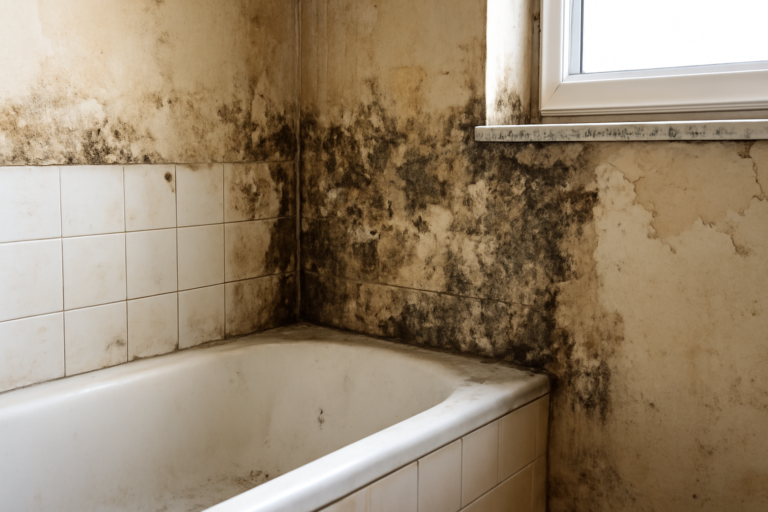
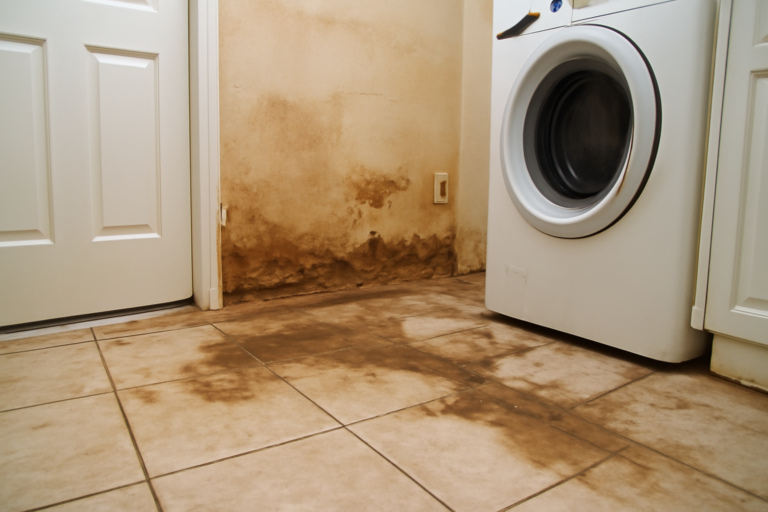
Look for discoloration on walls, ceilings, or floors, particularly near the foundation or in lower-lying areas. These damp spots are clear evidence of water intrusion. They signal that groundwater is actively seeping into your home’s materials, causing visible damage.
Cracks in Foundation or Basement Walls
Even small cracks can allow significant amounts of groundwater to enter your home. As water seeps in, it can widen these cracks over time. Inspecting your foundation regularly is crucial for early detection.
Peeling or Bubbling Paint and Wallpaper
When moisture gets behind paint or wallpaper, it weakens the adhesive and causes the finish to peel or bubble. This is a sign that water is saturating the underlying wall materials. It’s an indicator of significant moisture behind surfaces.
Warped or Sagging Floors
Wood flooring or subflooring exposed to constant dampness can warp, buckle, or sag. This is a serious structural issue that requires immediate attention. It shows that the moisture has penetrated deeply.
Efflorescence on Concrete Surfaces
You might see a white, powdery residue on concrete walls or floors. This is called efflorescence, a mineral deposit left behind when water evaporates. It means water is constantly moving through the concrete, indicating a groundwater issue.
Groundwater Seepage Cleanup vs. DIY: When To Call a Professional
| Situation | DIY? | Call a Pro? | Why |
|---|---|---|---|
| Small, isolated damp spot on basement floor after heavy rain | Yes, if it dries quickly and doesn’t return. | Yes, if it persists or reappears frequently. | Persistent dampness suggests an ongoing groundwater issue that DIY methods can’t fix. |
| Minor musty odor that dissipates after airing out the room | Yes, if it’s a one-off event and the odor fully disappears. | Yes, if the odor is persistent or gets stronger. | A lingering smell indicates moisture is trapped, fostering mold and deeper damage. |
| Visible standing water covering a few square feet in the basement | No. | Yes, absolutely. | Large amounts of water require professional extraction equipment to prevent structural compromise and mold. |
| Suspected water intrusion behind walls or under floors | No. | Yes, immediately. | Hidden moisture is extremely difficult to detect and dry without specialized tools and expertise. |
| Foundation cracks or wall damage accompanied by dampness | No. | Yes, for both. | Cracks need structural repair, and the accompanying seepage requires professional water damage mitigation. |
| Insurance claim is involved for significant water damage | No. | Yes, always. | Insurance companies require detailed documentation and professional assessment for claim approval. |
While minor dampness might be manageable with basic drying, any persistent or significant groundwater seepage demands professional intervention. Our team has the specialized equipment and knowledge to tackle these challenging situations effectively. We ensure your home is dried properly and protected from future problems.
Groundwater Seepage Cleanup Cost In Dallas, GA
The cost of groundwater seepage cleanup in Dallas, GA, can vary significantly. Factors include the size of the affected area, the depth of the water, the type of building materials involved, and how long the water has been present. These figures are estimates, providing a general idea of what you might expect.
| Service | Typical Price Range | What Affects Cost |
|---|---|---|
| Initial Water Extraction (up to 500 sq ft) | $500 – $2,500 | Volume of water, accessibility of the area. |
| Structural Drying & Dehumidification (per room) | $750 – $3,000 | Size of the room, saturation level of materials, duration of drying. |
| Moisture Monitoring & Testing | $200 – $600 | Frequency of checks, complexity of the affected structure. |
| Mold Prevention Treatment | $300 – $1,200 | Size of the treated area, type of antimicrobial solution used. |
| Insurance Documentation & Reporting | Included in overall service cost | Thoroughness and detail required by the insurance company. |
| Emergency Service Call (after hours) | $150 – $400 (initial fee) | Time of day or weekend service is requested. |
An on-site assessment by our technicians is the only way to get an accurate, personalized quote for your specific situation. We offer free estimates to help you understand the scope and cost involved. Let us provide a clear picture of the necessary work.
Service Areas Near Dallas, GA
Acworth, Austell, Ball Ground, Braselton, Buren, Canton, Cartersville, Cedartown, Clarkdale, Dallas, Douglasville, Fayetteville, Hiram, Jasper, Kennesaw, Lithia Springs, Mableton, Marietta, Powder Springs, Rockmart, Roswell, Smyrna, Stockbridge, Talking Rock, Temple, Tucker, Villa Rica, Vinings, Woodstock.
Common Questions About Groundwater Seepage Cleanup
My basement has a damp smell after it rains. Is this serious?
A damp smell after rain often indicates that groundwater is seeping into your foundation or basement. While it might not seem serious initially, persistent moisture can lead to mold growth and structural damage over time. Our team can perform a thorough inspection to identify the source and determine the best course of action to protect your home.
How long does groundwater seepage cleanup usually take?
The timeline for groundwater seepage cleanup varies greatly depending on the amount of water and the extent of saturation. Water extraction might take a day or two, but the structural drying process can take anywhere from three days to two weeks or longer. We use advanced monitoring equipment to ensure your home is completely dry before we finish.
Will my homeowner’s insurance cover groundwater seepage cleanup?
Coverage for groundwater seepage can be tricky and often depends on the specific cause and your policy details. Some policies cover sudden, accidental water damage, while others may exclude gradual seepage or groundwater specifically. We work closely with your insurance adjuster to document the damage and help you navigate the claims process. We aim to make it as straightforward as possible.
What kind of equipment do you use for groundwater removal?
We use a range of professional-grade equipment, including high-capacity submersible pumps for significant water removal, industrial-strength air movers to accelerate surface drying, and powerful dehumidifiers to extract moisture from the air and materials. We also utilize specialized moisture meters to ensure all affected areas are dried to safe levels, preventing future mold issues.
Can I prevent groundwater seepage from happening again?
While complete prevention can be challenging, several measures can help reduce the risk of groundwater seepage. These include ensuring proper grading around your home, maintaining functioning gutters and downspouts, sealing foundation cracks, and potentially installing a sump pump system. Regular inspections of your foundation and drainage can help catch issues early and prevent major problems.
Check Our Other Relevant Services
- Black Water Damage Restoration (Category 3) in Dallas, GA
- After Hours Water Damage Service in Dallas, GA

Jerry Johns is a licensed Damage Restoration Expert with over 20 years of hands-on experience helping homeowners and businesses navigate property crises. As a trusted authority in the field, Jerry combines technical precision with a compassionate approach to disaster recovery.
𝗖𝗲𝗿𝘁𝗶𝗳𝗶𝗰𝗮𝘁𝗶𝗼𝗻𝘀: Jerry holds multiple elite IICRC certifications, including Water Damage Restoration (WRT), Applied Microbial Remediation (Mold), Applied Structural Drying (ASD), Odor Control, and Fire and Smoke Restoration.
𝗙𝗮𝘃𝗼𝗿𝗶𝘁𝗲 𝗣𝗮𝘀𝘁𝗶𝗺𝗲: When he isn’t on a job site, Jerry is an avid outdoorsman who enjoys fly fishing and restoring vintage woodworking tools.
𝗕𝗲𝘀𝘁 𝗣𝗮𝗿𝘁 𝗼𝗳 𝘁𝗵𝗲 𝗝𝗼𝗯: Jerry finds the most fulfillment in seeing the relief on a client’s face when their property is finally restored to its pre-loss condition, turning a stressful disaster into a fresh start.