Trusted by 165+ Homeowners
Hail Damage Water Intrusion in Duluth, GA
- Over 165 5-Star Reviews
- Free Estimates and Quotes
- 100% Satisfaction Guaranteed
- Child, Family & Pet Safe Steps
- 24-Hour Emergency Service
- Fully Licensed & Insured

When Hail Leaves More Than Just Dents in Duluth, GA
You walk into your living room after a bad storm, and it hits you. That faint smell of damp carpet, or maybe a visible water stain creeping down your ceiling. It’s not just the roof that took a beating from that last hail storm. Water intrusion from hail damage is a serious problem, and it needs immediate attention. You’re facing a potential mess spreading behind your walls, and it’s crucial to act fast. This kind of damage can be sneaky, hiding out of sight until it’s already causing significant issues for your home.
We’ve helped over 165 local families deal with these exact situations and more. They trust us because we understand the unique challenges hail brings to homes in our area. You’ll find our team is committed to swift, effective water extraction and drying. We’ve earned our reputation by consistently delivering results that get your home back to normal, faster.
- We specialize in identifying and neutralizing the hidden moisture that hail damage creates, preventing long-term structural issues.
- Our advanced drying technology goes beyond surface drying, ensuring complete moisture removal from your walls, floors, and insulation.
- We provide detailed documentation for your insurance claims, making the process smoother and helping you get the coverage you deserve for hail damage water intrusion.
How We Tackle Hail Damage Water Intrusion
Dealing with water intrusion from hail requires a methodical, science-based approach. Simply mopping up visible water isn’t enough; you need to address the moisture lurking beneath the surface. When you cut corners on this process, you risk mold growth, warped materials, and compromised structural integrity. Our crews follow strict protocols to ensure every drop of water is removed and your home is thoroughly dried, preventing secondary damage.
Initial Inspection and Assessment
Our technicians begin by conducting a thorough inspection of your property. We use specialized equipment like moisture meters and thermal imaging cameras to pinpoint all affected areas, even those you can’t see. This detailed assessment is key to creating an effective restoration plan.
Water Extraction
Once we’ve located the water, we use powerful extraction equipment to remove standing water and saturated materials. This step is critical for minimizing water damage and starting the drying process efficiently.
Controlled Drying
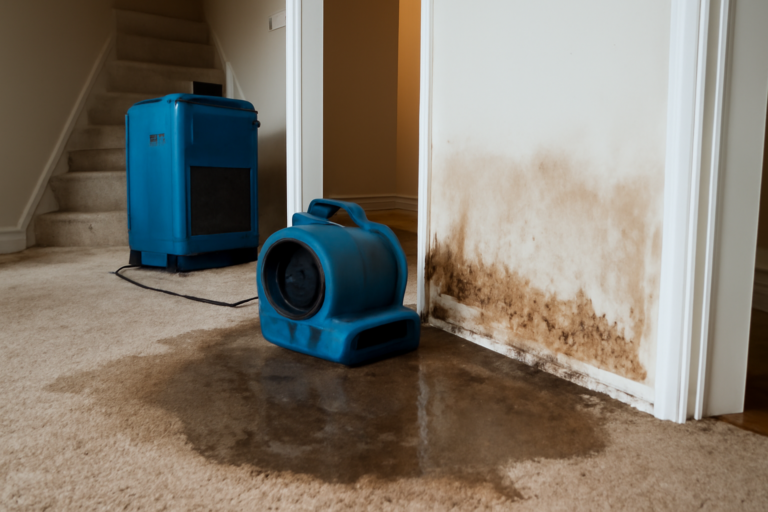
We deploy industrial-grade dehumidifiers and air movers to create an optimal drying environment. These machines work together to accelerate evaporation and remove moisture from the air, ensuring that materials dry thoroughly and quickly. This controlled drying process is vital for preventing mold.
Containment and Air Quality
If necessary, we establish containment barriers to prevent moisture and potential contaminants from spreading to unaffected areas of your home. We also use air scrubbers to improve air quality during the drying process. Maintaining a healthy indoor environment is always a top priority.
Reconstruction and Restoration
After your property is completely dry, we handle any necessary repairs. This can include replacing damaged drywall, insulation, or flooring. Our goal is to restore your home to its pre-loss condition.
Don’t let hail damage water intrusion linger. Call us today to get your home inspected and start the drying process immediately. We’re ready to help secure your property.

Warning Signs You Need Hail Damage Water Intrusion Help
Catching the signs of hail damage water intrusion early is incredibly important. Ignoring these indicators can lead to much more extensive and costly repairs down the line. Being aware of what to look for means you can act fast and protect your investment. Small issues can become big problems if left unchecked.
Musty Odors That Won’t Go Away
One of the first and most obvious signs is a persistent musty or mildew smell. This indicates that moisture is trapped somewhere, likely behind walls or under flooring, and is beginning to foster mold growth. Investigate strange smells immediately.
Visible Water Stains or Discoloration
Look for new water spots or discoloration on your ceilings, walls, or even around window frames. These are clear indicators that water has found its way into your home’s structure. Address water stains promptly to prevent spreading.
Peeling or Bubbling Paint and Wallpaper
When moisture gets behind your paint or wallpaper, it causes them to lose adhesion. You might see peeling, blistering, or bubbling. This is a definite sign of water intrusion that needs professional attention. Don’t ignore peeling finishes.
Sagging Ceilings or Walls
In more severe cases, water saturation can cause building materials to weaken and sag. A ceiling that looks like it’s starting to dip or walls that feel soft to the touch are serious warnings. Structural integrity is key; get it checked now.
Soft or Spongy Flooring
If you notice your carpet feels unusually damp or your wood or laminate flooring feels spongy underfoot, water may be trapped beneath. This is especially common after heavy storms. Test your flooring’s firmness regularly.
Increased Humidity Levels
A sudden, noticeable increase in the humidity within your home, even when the weather outside isn’t particularly humid, can signal an internal moisture problem. Monitor your home’s climate closely.
Hail Damage Water Intrusion vs. DIY: When To Call a Professional
| Situation | DIY? | Call a Pro? | Why |
|---|---|---|---|
| Small, visible puddle on a hard floor after a storm | Yes | No | Easy to clean up with towels and a mop. |
| Dampness on a carpeted area, but the source is clearly a small roof leak | Maybe | Yes | You can clean the visible part, but professional drying is needed to prevent subfloor damage. |
| Musty smell originating from a wall or ceiling | No | Yes | Hidden moisture is likely present, requiring specialized equipment to locate and dry. |
| Visible water stain spreading on a ceiling | No | Yes | Indicates water has penetrated the structure and needs thorough drying to prevent mold. |
| Sagging drywall or ceiling material | Absolutely Not | Yes | This is a sign of significant structural saturation and potential collapse risk. |
| Concern about mold growth after water intrusion | No | Yes | Mold remediation requires specific safety protocols and expertise. |
For hail damage water intrusion, especially when it’s more than just a minor surface issue, calling a professional is almost always the smartest choice. Our team has the specialized equipment and training to handle these complex situations safely and effectively. We ensure complete moisture removal and prevent future problems.
Hail Damage Water Intrusion Cost In Duluth, GA
The cost for hail damage water intrusion services can vary significantly based on the extent of the damage, the size of the affected area, and the specific materials involved. These figures are estimates for homes in Duluth, GA, and an on-site assessment is always needed for an accurate quote. We aim for transparent pricing for all our clients.
| Service | Typical Price Range | What Affects Cost |
|---|---|---|
| Water Extraction | $500 – $2,000 | Amount of water, type of flooring, and accessibility. |
| Structural Drying (Dehumidification & Air Movers) | $1,000 – $4,000 | Size of the affected area, humidity levels, and duration of drying needed. |
| Containment Setup | $300 – $1,000 | Size of the area to be contained and complexity of the setup. |
| Moisture Detection & Assessment | $200 – $700 | Use of advanced tools like thermal cameras and specialized meters. |
| Minor Drywall & Insulation Replacement | $500 – $2,500 | Square footage requiring replacement and material costs. |
| Mold Prevention Treatment | $400 – $1,500 | Size of the area treated and type of preventative solution used. |
These prices reflect the specialized equipment and expertise required for proper hail damage water intrusion restoration. We offer free estimates, so you know exactly what to expect before we begin. Let us provide a detailed inspection of your property.
Service Areas Near Duluth, GA
We serve the following communities near Duluth, GA: Atlanta, Norcross, Suwanee, Johns Creek, Lawrenceville, Snellville, Lilburn, Tucker, Chamblee, Doraville, Sandy Springs, Roswell, Alpharetta, Milton, Marietta, Kennesaw, Smyrna, Dunwoody, Brookhaven, Decatur.
Common Questions About Hail Damage Water Intrusion
What should I do immediately after discovering hail damage water intrusion?
Your first step is to document the damage with photos or videos, if it’s safe to do so. Then, if the intrusion is minor and you can safely access the area, try to contain the water with towels. However, for anything more than a small amount of water, your most important action is to call us immediately. We can provide expert assessment and immediate mitigation to prevent further damage.
How long does it take to dry out a home after hail damage water intrusion?
The drying process typically takes between 3 to 10 days, depending on the severity of the water intrusion and the materials affected. Factors like the amount of water, the type of construction, and ambient humidity play a role. Our technicians use advanced equipment to speed up the drying timeline and ensure thorough results.
Is hail damage water intrusion covered by my homeowner’s insurance?
Often, yes. Hail damage to your roof is typically covered by standard homeowner’s insurance policies, and this coverage usually extends to resulting water intrusion. We work closely with insurance adjusters and provide detailed documentation to help ensure your claim is processed smoothly. We’ll help you navigate the insurance process.
What kind of equipment do you use to dry out my home?
We utilize a range of professional-grade equipment, including high-powered water extractors, industrial dehumidifiers, and high-velocity air movers. We also use specialized tools like moisture meters and thermal imaging cameras to detect hidden water. This advanced technology allows us to effectively remove moisture from even the most difficult areas.
Can I prevent future hail damage water intrusion?
While you can’t prevent hail storms, you can minimize the risk of water intrusion by maintaining your roof and gutters regularly. Inspecting your roof for damage after severe storms and ensuring your gutters are clear can help prevent water from pooling and finding entry points. Promptly addressing any roof damage is the best form of prevention.
Check Our Other Relevant Services

Jerry Johns is a licensed Damage Restoration Expert with over 20 years of hands-on experience helping homeowners and businesses navigate property crises. As a trusted authority in the field, Jerry combines technical precision with a compassionate approach to disaster recovery.
𝗖𝗲𝗿𝘁𝗶𝗳𝗶𝗰𝗮𝘁𝗶𝗼𝗻𝘀: Jerry holds multiple elite IICRC certifications, including Water Damage Restoration (WRT), Applied Microbial Remediation (Mold), Applied Structural Drying (ASD), Odor Control, and Fire and Smoke Restoration.
𝗙𝗮𝘃𝗼𝗿𝗶𝘁𝗲 𝗣𝗮𝘀𝘁𝗶𝗺𝗲: When he isn’t on a job site, Jerry is an avid outdoorsman who enjoys fly fishing and restoring vintage woodworking tools.
𝗕𝗲𝘀𝘁 𝗣𝗮𝗿𝘁 𝗼𝗳 𝘁𝗵𝗲 𝗝𝗼𝗯: Jerry finds the most fulfillment in seeing the relief on a client’s face when their property is finally restored to its pre-loss condition, turning a stressful disaster into a fresh start.