Trusted by 165+ Homeowners
Hail Damage Water Intrusion in Hampton, GA
- Over 165 5-Star Reviews
- Free Estimates and Quotes
- 100% Satisfaction Guaranteed
- Child, Family & Pet Safe Steps
- 24-Hour Emergency Service
- Fully Licensed & Insured

When Hampton Skies Turn Mean: Tackling Hail Damage Water Intrusion
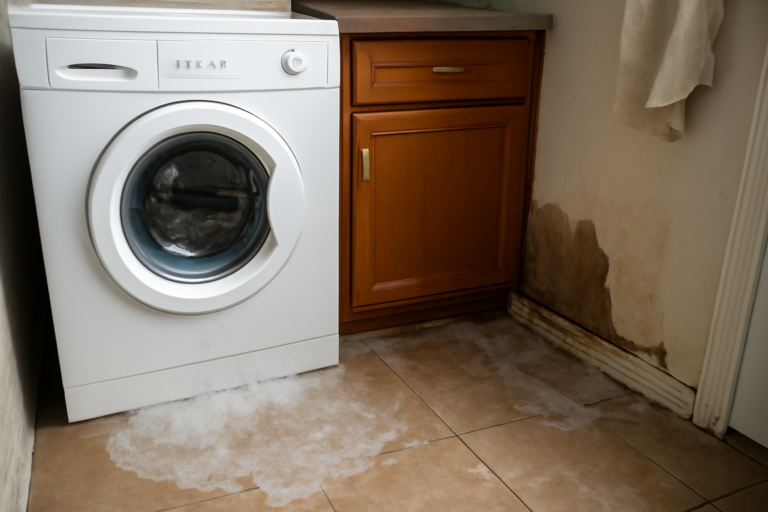
Here in Hampton, GA, we know all about those sudden, intense summer thunderstorms. Sometimes, though, the weather gets a little more serious, bringing hail that can really do a number on your home. If you’ve noticed water where it shouldn’t be after a storm, especially after large hail, it’s likely a sign of hail damage water intrusion. This isn’t just an inconvenience; it’s a serious property threat that needs prompt attention before it causes more damage. We’ve seen it time and again in your neighborhood.
We’ve helped countless homeowners right here in the area deal with the aftermath of severe weather, and our team has earned a reputation for being the go-to for hail damage water intrusion. With over 165 five-star reviews, you can trust that we understand the unique challenges our local climate presents and how to tackle them effectively. Our commitment is to get your home back to normal, fast and right.
- Don’t let hidden moisture lead to mold and structural issues; our specialized techniques find and fix the source.
- We use advanced drying equipment to ensure your home is fully restored and healthy, not just superficially dried.
- Protect your investment with a swift, expert response that prevents minor hail damage from becoming a major headache.
The Process for Dealing with Hail Damage Water Intrusion
When hail damages your roof or siding, it often creates small entry points that water can exploit. If left unaddressed, even a tiny leak can lead to significant water damage inside your home, affecting ceilings, walls, and even your flooring. That’s why a meticulous, step-by-step process is crucial. Cutting corners here can mean ongoing problems and costly repairs down the road, so you need a team that knows the science behind drying and restoration.
Initial Inspection and Assessment
The first thing we do is a thorough inspection to pinpoint the exact sources of water intrusion caused by hail. We use specialized tools to detect moisture hidden behind walls and under floors. This is where we identify the full extent of the damage and plan our approach. It typically takes us a few hours to complete a detailed assessment.
Containment of Damaged Areas
Once we know where the water is coming from, we’ll set up containment barriers. This is important to prevent the spread of moisture and potential mold growth to unaffected areas of your home. We use professional containment systems to isolate the affected zones effectively. This step usually takes a few hours to set up properly.
Water Extraction
If there’s standing water, our crews will use powerful extraction equipment to remove it as quickly as possible. The sooner we get the bulk of the water out, the less chance there is for long-term damage and mold. This can take anywhere from a few hours to a full day, depending on the volume of water.
Drying and Dehumidification
This is a critical phase where we use industrial-grade air movers and dehumidifiers to dry out the affected materials and air. Our goal is to bring the moisture levels back to normal, preventing issues like warped wood and compromised insulation. This process can take several days, as we monitor humidity levels closely.
Sanitization and Odor Removal
Water intrusion, especially from storms, can leave behind unpleasant odors and potentially harmful bacteria. We use specialized antimicrobial treatments to sanitize affected surfaces and neutralize any lingering smells. This ensures your home not only looks dry but also smells fresh and is healthy. This usually takes a day or two.
Reconstruction and Repair
After everything is dry and sanitized, we’ll handle any necessary repairs. This could include replacing damaged drywall, repainting, or even minor structural repairs if the hail damage was extensive. Our aim is to restore your home to its pre-loss condition, ensuring a complete and quality job. The time for this step varies greatly depending on the scope of repairs.
Don’t wait for those small leaks to turn into big problems. If you suspect hail damage is letting water into your home, it’s time to get a professional assessment. We’re here to help you through it.

Spotting the Signs: When Hail Damage Leads to Water Intrusion
Catching hail damage water intrusion early is key to minimizing the cost and hassle. You don’t need to be a restoration expert to spot the warning signs. Keeping an eye out for these indicators can save you a lot of trouble and protect your home’s integrity.
Water Stains on Ceilings or Walls
This is often the most obvious sign. If you see new, discolored spots on your ceiling or walls, especially after a hailstorm, it means water has found a way in. It’s a clear indicator of active leakage. Don’t ignore these marks; they’re a call for help.
Peeling or Bubbling Paint/Wallpaper
When moisture gets behind your paint or wallpaper, it can cause it to lose adhesion, leading to peeling or bubbling. This is a visual sign of moisture damage that often accompanies water intrusion. It means the material behind is likely wet.
Damp or Soft Spots on Walls or Ceilings
Touch your walls and ceilings, especially those near the roofline. If you feel any dampness or notice areas that feel soft or spongy, it’s a definite sign of water saturation. This can weaken building materials over time.
Musty Odors That Won’t Go Away
A persistent musty or moldy smell, even if you can’t see any visible water, is a strong indicator of hidden moisture. This is often the first sign of mold growth, which thrives in damp environments. It means there’s likely moisture trapped somewhere.
Increased Humidity Indoors
Has your home felt unusually humid or sticky lately, even with your air conditioning running? This could be a sign that water is evaporating within your walls and floors, a direct result of water intrusion. It makes your home feel uncomfortable.
Visible Mold or Mildew Growth
Any visible signs of mold or mildew, often appearing as black, green, or white fuzzy patches, are a direct consequence of moisture. If you see this, it confirms water has been present for some time and needs immediate attention.
Hail Damage Water Intrusion vs. DIY: When To Call a Professional
| Situation | DIY? | Call a Pro? | Why |
|---|---|---|---|
| Small, visible drip from a single ceiling tile after a minor hail event. | Yes, for initial cleanup. | Yes, for inspection. | To ensure the hail didn’t cause unseen roof damage. |
| Large water stains spreading across a ceiling after a severe hailstorm. | No. | Yes. | Requires professional assessment of roof and attic damage. |
| Musty smell in the attic after hail, but no visible leaks. | No. | Yes. | Attic moisture can lead to hidden mold and structural issues. |
| Water pooling on the floor from a wall leak after hail. | Limited, for immediate mopping. | Yes. | Needs professional drying to prevent mold and subfloor damage. |
| Finding damp insulation in the attic after a hailstorm. | No. | Yes. | Wet insulation is ineffective and can lead to mold and rot. |
| Minor cosmetic water spots on a wall, no softness or odor. | Yes, for observation. | Yes, if hail was significant. | To rule out any potential for future problems from hail impact. |
While some minor water spots might seem manageable, any time hail is involved, it’s wise to get a professional opinion. Our team can identify hidden damage that DIY methods might miss, saving you from costly future repairs.
Hail Damage Water Intrusion Cost In Hampton, GA
The cost for addressing hail damage water intrusion in Hampton, GA can vary significantly. Factors like the size of the affected area, the severity of the hail impact, and how much water has infiltrated your home all play a role. These figures are general estimates for the area and not exact quotes.
| Service | Typical Price Range | What Affects Cost |
|---|---|---|
| Initial Water Intrusion Assessment | $300 – $800 | Complexity of the damage and required equipment for inspection. |
| Water Extraction (per area) | $500 – $2,500 | Volume of water removed and size of the affected space. |
| Drying and Dehumidification (per day) | $400 – $1,000 | Number of machines needed and duration of the drying process. |
| Mold Prevention/Treatment (if necessary) | $750 – $3,000+ | Extent of mold growth and the area requiring treatment. |
| Minor Drywall Repair and Painting | $600 – $2,000 | Square footage of drywall needing replacement and finish complexity. |
| Full Attic Water Damage Restoration | $2,000 – $10,000+ | Severity of saturation, insulation replacement, and any structural repairs needed. |
Remember, these are just ranges. A free, on-site estimate from our experienced technicians is the best way to get an accurate understanding of your specific repair costs.
Service Areas Near Hampton, GA
McDonough, Stockbridge, Locust Grove, Fayetteville, Riverdale, Jonesboro, Lovejoy, Tyrone, Peachtree City, Brooks, Forest Park, Morrow, Conley, Ellenwood, Rex, Atlanta, College Park, Hapeville, Mount Zion, Griffin.
Common Questions About Hail Damage Water Intrusion
What’s the first thing I should do if I suspect hail damage has caused water intrusion?
After a hailstorm, if you notice any signs of water damage, your first step should be to document the damage with photos and then call us immediately. We’ll arrange for an inspection to assess the situation. The sooner we can get on-site, the better we can mitigate the damage and prevent further complications like mold.
How long does it typically take to dry out a home after hail damage water intrusion?
The drying process can take anywhere from three days to two weeks, depending on the extent of the water damage. Factors like the amount of water, the type of building materials affected, and ambient humidity all influence the timeline. Our technicians use advanced monitoring equipment to ensure your home is truly dry and safe before we finish.
Is hail damage water intrusion covered by my homeowner’s insurance?
In most cases, yes. Hail damage to your roof and resulting water intrusion are typically covered under standard homeowner’s insurance policies. We work closely with your insurance adjusters to ensure all necessary documentation is provided for a smooth claims process. We can help you navigate what’s needed for your claim.
Can hail damage water intrusion lead to health problems?
Absolutely. If water intrusion isn’t addressed promptly, it can lead to mold growth, which can trigger allergies, asthma, and other respiratory issues. It’s crucial to have the affected areas professionally dried and cleaned to prevent mold from developing and ensure a healthy living environment for your family. We take air quality very seriously.
How can I prevent water intrusion from hail damage in the future?
Regular roof inspections are your best defense. Keeping your roof in good condition and addressing any minor damage promptly can prevent water from finding entry points. After a severe hailstorm, it’s always a good idea to have your roof and siding professionally inspected for hail impacts, even if you don’t see immediate signs of leaks. This proactive approach can save you a lot of trouble.
Check Our Other Relevant Services

Jerry Johns is a licensed Damage Restoration Expert with over 20 years of hands-on experience helping homeowners and businesses navigate property crises. As a trusted authority in the field, Jerry combines technical precision with a compassionate approach to disaster recovery.
𝗖𝗲𝗿𝘁𝗶𝗳𝗶𝗰𝗮𝘁𝗶𝗼𝗻𝘀: Jerry holds multiple elite IICRC certifications, including Water Damage Restoration (WRT), Applied Microbial Remediation (Mold), Applied Structural Drying (ASD), Odor Control, and Fire and Smoke Restoration.
𝗙𝗮𝘃𝗼𝗿𝗶𝘁𝗲 𝗣𝗮𝘀𝘁𝗶𝗺𝗲: When he isn’t on a job site, Jerry is an avid outdoorsman who enjoys fly fishing and restoring vintage woodworking tools.
𝗕𝗲𝘀𝘁 𝗣𝗮𝗿𝘁 𝗼𝗳 𝘁𝗵𝗲 𝗝𝗼𝗯: Jerry finds the most fulfillment in seeing the relief on a client’s face when their property is finally restored to its pre-loss condition, turning a stressful disaster into a fresh start.