Trusted by 165+ Homeowners
Hail Damage Water Intrusion in Jefferson, GA
- Over 165 5-Star Reviews
- Free Estimates and Quotes
- 100% Satisfaction Guaranteed
- Child, Family & Pet Safe Steps
- 24-Hour Emergency Service
- Fully Licensed & Insured

When Hail Strikes Your Jefferson, GA Home: Addressing Water Intrusion
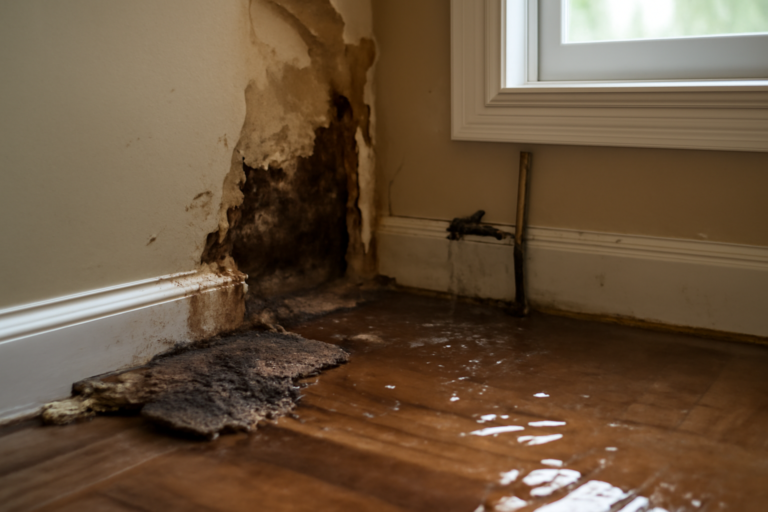
You hear it first: that sharp, percussive pinging on your roof. Then, the rain starts, and you notice it—a dark, spreading stain on your ceiling. Water is dripping, forming puddles on your floorboards. This isn’t just a little leak; it’s the immediate aftermath of hail damage, and it means water is actively invading your home. Ignoring these signs can lead to much bigger issues, so it’s crucial to act fast. Understanding that hail can compromise your roof is the first step in protecting your property.
Locally, homeowners have trusted our team for over 165 five-star reviews to handle these exact situations. We know the specific challenges that hail can bring to properties around here. When you’re dealing with water intrusion after a storm, you need a team that understands the science of drying and restoration, not just surface cleanup. We focus on delivering true restoration, ensuring your home is dry and safe again.
- We use advanced moisture meters to detect hidden water, ensuring every affected area is identified, not just what you can see.
- Our specialized drying equipment, like high-speed air movers and dehumidifiers, works to remove moisture quickly and prevent secondary damage like mold growth.
- We meticulously document the entire process, providing clear reports for your records and insurance claims, so you know exactly what was done.
How We Tackle Hail Damage Water Intrusion
When hail punches holes or cracks in your roof, water doesn’t just sit there; it seeps through insulation, drywall, and framing. A proper response isn’t just about mopping up puddles; it’s about initiating a technical process to extract moisture from building materials. Cutting corners here means you’re likely to face mold, structural rot, and lingering odors down the line. Our approach focuses on thorough moisture removal and preventing long-term damage through scientific drying protocols.
1. Immediate Water Extraction
Our crews arrive quickly to remove standing water using powerful extraction equipment. This step is critical to stop the spread of water and minimize damage to your flooring and subflooring. We use specialized pumps and vacuums to get as much water out as possible, fast.
2. Advanced Moisture Detection
Once the bulk of the water is gone, we use tools like infrared cameras and penetrating moisture meters to find every pocket of trapped moisture. This ensures we address not only the visible dampness but also the hidden water within walls and under floors. Accurate readings are key to effective drying strategies.
3. Controlled Drying Environment
We set up industrial-grade air movers and dehumidifiers to create an optimal drying environment. These machines work systematically to evaporate moisture from the air and building materials. This controlled process is essential for preventing mold and structural issues.
4. Containment and Air Quality
If mold is suspected or to prevent its growth, we can set up containment barriers to isolate affected areas. We also use air scrubbers with HEPA filters to remove airborne particles and improve indoor air quality. Maintaining a healthy living environment is a top priority.
5. Structural Drying and Restoration
Our technicians carefully monitor the drying process, taking readings until materials are returned to their normal moisture content. Once dry, we can begin the necessary repairs to your drywall, insulation, and finishes. This ensures your home is not only dry but also fully restored to its original state.
Don’t let hail damage linger. Call us now to get a swift and professional assessment of your water intrusion problem. Your home deserves immediate attention to prevent further deterioration.

Warning Signs You Need Hail Damage Water Intrusion
Catching the signs of water intrusion after hail can save you a lot of money and prevent serious health hazards. Ignoring subtle clues can lead to widespread mold, compromised structural integrity, and costly repairs. Pay close attention to these indicators, as they often signal that water has found its way into your home’s structure.
Musty Odors That Won’t Go Away
If you notice a persistent damp, earthy, or musty smell, especially after a storm, it’s a strong indicator of hidden moisture. This smell is often mold or mildew beginning to grow in dark, damp areas. Don’t just mask the smell; investigate the source.
New or Worsening Water Stains
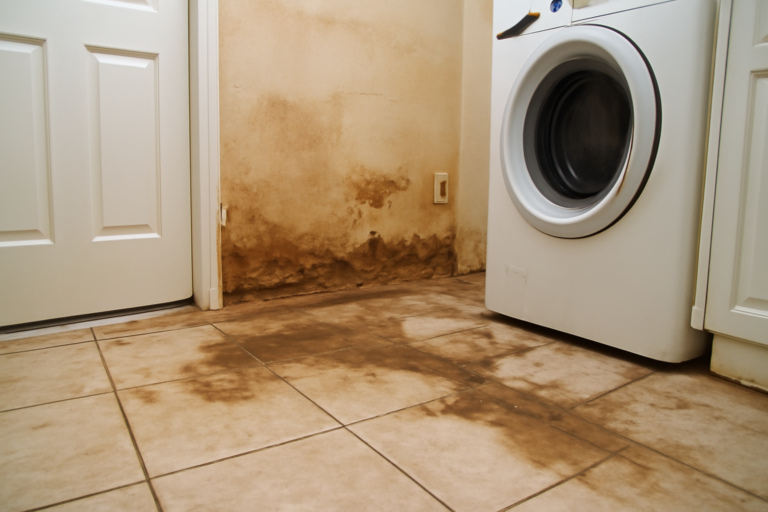
Dark, discolored patches on your ceilings or walls are a clear sign of water penetration. These stains may appear after a hailstorm and can grow larger over time if the leak isn’t addressed. Look for fresh, active staining.
Peeling or Bubbling Paint and Wallpaper
Moisture trapped behind your paint or wallpaper can cause it to peel, bubble, or blister. This is a visual cue that water is saturating the drywall or plaster underneath. This indicates significant moisture buildup.
Sagging Ceilings or Walls
When water soaks into building materials like drywall and insulation, it can cause them to become heavy and sag. This is a serious sign that the structural integrity is being compromised. A sagging ceiling is a critical warning.
Dripping or Puddling Water
While obvious, sometimes small drips or puddles can be easily overlooked or dismissed. If you see water actively dripping from a ceiling fixture, light, or forming puddles on your floor, it means water has already found a path. Immediate action is required for visible water intrusion.
Increased Humidity Levels
If the air inside your home feels unusually damp or sticky, especially in areas away from bathrooms or kitchens, it could be a sign of widespread moisture within the structure. This creates an uncomfortable and unhealthy atmosphere.
Hail Damage Water Intrusion vs. DIY: When To Call a Professional
| Situation | DIY? | Call a Pro? | Why |
|---|---|---|---|
| Small, isolated ceiling stain with no active dripping after a minor hail event. | Yes, monitor closely. | Maybe. | If the stain grows or you detect any musty smell, call immediately. |
| Visible water actively dripping from multiple ceiling points after a severe hailstorm. | No. | Yes. | Active dripping indicates significant roof compromise and requires immediate professional assessment and repair. |
| Detecting musty odors in rooms directly below the roofline following a hailstorm. | No. | Yes. | Odors suggest mold growth, which requires specialized containment and remediation. |
| Finding wet insulation in your attic after a storm. | Maybe, with extreme caution. | Yes. | Attic work is dangerous; professionals have safety gear and can assess hidden damage. |
| Large water puddles forming on floors or in basements after heavy rain following hail. | No. | Yes. | This signifies substantial water intrusion that can damage subflooring and foundations if not addressed quickly. |
| You’re unsure about the extent of the damage or where the water is coming from. | No. | Yes. | Professionals have tools and expertise to accurately diagnose the source and scope of damage. |
For any situation involving active water intrusion, significant staining, or potential mold growth after hail, calling a professional is always the safest and most effective route. Our team has the specialized equipment and knowledge to handle these complex issues. We can ensure your home is dried thoroughly and safely.
Hail Damage Water Intrusion Cost In Jefferson, GA
The cost of addressing hail damage water intrusion in Jefferson, GA, can vary widely. Factors like the size of the affected area, the severity of the roof damage, and the extent of water saturation in your home’s materials will influence the final price. These figures are estimates to help you understand potential costs.
| Service | Typical Price Range | What Affects Cost |
|---|---|---|
| Water Extraction and Initial Drying | $500 – $3,000 | The amount of standing water and the size of the affected rooms. |
| Moisture Detection and Assessment | $200 – $750 | The complexity of the building structure and the need for specialized equipment like thermal cameras. |
| Industrial Dehumidifier and Air Mover Rental | $300 – $1,500 | The number of units needed and the duration of the drying process, typically 3-7 days. |
| Containment Setup and Air Scrubbing | $400 – $2,000 | The size of the area needing containment and the duration of air purification. |
| Minor Drywall and Insulation Repair | $500 – $2,500 | The extent of material replacement required and the complexity of the repairs. |
| Mold Prevention Treatment | $300 – $1,000 | The size of the treated area and the type of preventative solution used. |
Getting a precise estimate for your specific situation requires an on-site inspection. We offer free, no-obligation estimates to give you a clear picture of the costs involved.
Service Areas Near Jefferson, GA
Auburn, Bethlehem, Braselton, Buford, Commerce, Dacula, Flowery Branch, Gwinnett Village, Hoschton, Jefferson, Lawrenceville, Lilburn, Loganville, Monroe, Oakwood, Pendergrass, Snellville, Statham, Suwanee, Winder.
Common Questions About Hail Damage Water Intrusion
What is the fastest way to dry out my home after hail damage?
The fastest way involves immediate water extraction followed by controlled drying using industrial-grade equipment like high-speed air movers and powerful dehumidifiers. Our team deploys these tools strategically to accelerate evaporation and reduce drying times significantly. We focus on efficient moisture removal to prevent further damage.
How long does it take to dry out a home after hail damage water intrusion?
Drying times can range from 3 to 7 days, sometimes longer, depending on the extent of saturation and the building materials involved. We constantly monitor moisture levels to ensure your home is dried to industry standards. Our goal is complete and thorough drying.
Is hail damage water intrusion a health hazard?
Yes, it can be. Standing water and damp materials create an ideal environment for mold and bacteria growth, which can cause respiratory problems and allergic reactions. Addressing water intrusion quickly helps prevent these health risks. We take air quality very seriously.
What kind of equipment do you use to find hidden water damage?
We utilize advanced technology such as infrared cameras to detect temperature differences indicating moisture and penetrating moisture meters to measure water content within building materials. These tools allow us to map out the full extent of the damage, even in areas you can’t see. This ensures accurate damage assessment.
Should I be worried about mold after hail damage in Jefferson, GA?
You should always be vigilant about mold after water intrusion. Mold can start growing within 24-48 hours in damp conditions. Our process includes steps for mold prevention and, if necessary, mold remediation to ensure your home is safe. We prioritize a mold-free environment.
Check Our Other Relevant Services

Jerry Johns is a licensed Damage Restoration Expert with over 20 years of hands-on experience helping homeowners and businesses navigate property crises. As a trusted authority in the field, Jerry combines technical precision with a compassionate approach to disaster recovery.
𝗖𝗲𝗿𝘁𝗶𝗳𝗶𝗰𝗮𝘁𝗶𝗼𝗻𝘀: Jerry holds multiple elite IICRC certifications, including Water Damage Restoration (WRT), Applied Microbial Remediation (Mold), Applied Structural Drying (ASD), Odor Control, and Fire and Smoke Restoration.
𝗙𝗮𝘃𝗼𝗿𝗶𝘁𝗲 𝗣𝗮𝘀𝘁𝗶𝗺𝗲: When he isn’t on a job site, Jerry is an avid outdoorsman who enjoys fly fishing and restoring vintage woodworking tools.
𝗕𝗲𝘀𝘁 𝗣𝗮𝗿𝘁 𝗼𝗳 𝘁𝗵𝗲 𝗝𝗼𝗯: Jerry finds the most fulfillment in seeing the relief on a client’s face when their property is finally restored to its pre-loss condition, turning a stressful disaster into a fresh start.